23 temples found
Showing verified listings
Hanuman Temple
Varanasi, Uttar Pradesh·
The Sankat Mochan Hanuman Temple in Varanasi is a revered shrine established by poet-saint Tulsidas in the early 16th century, dedicated to Lord Hanuman as the remover of troubl…
Hanuman templeVaranasiTulsidas
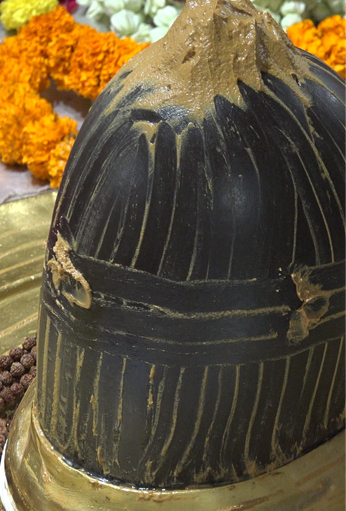
Saraswati Mandir
Varanasi, Uttar Pradesh·
Saraswati Mandir in Varanasi, established in 1777, is a historic temple dedicated to the goddess of knowledge and wisdom. The temple maintains extended daily hours and conducts…
SaraswatiVaranasigoddess of knowledge
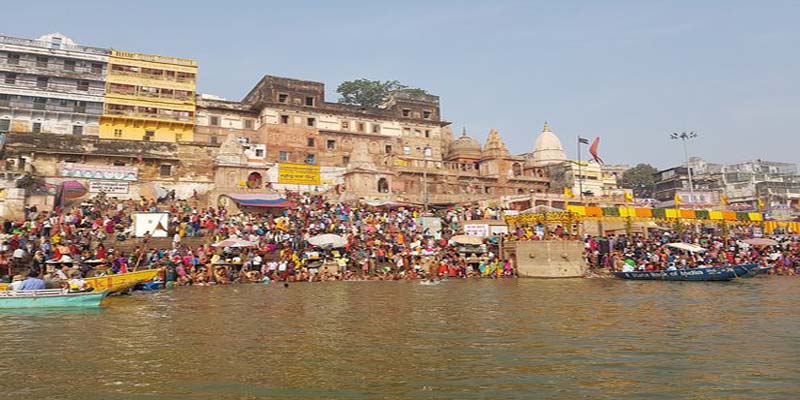
Ahilyabai Holkar Ghat and Temple Complex
Khadki, Maharashtra·
Ahilyabai Ghat is a historic ghat in Varanasi built and renovated between 1778–1785 under the patronage of Queen Ahilyabai Holkar of Indore. The complex houses a palace, residen…
Varanasi ghatHanuman templeShiva temple

Shitala Mata Mandir
Varanasi, Uttar Pradesh·
Shitala Mata Mandir is an ancient temple on Varanasi's Shitala Ghat dedicated to Goddess Shitala, distinguished by its flat roof design and multiple inner shrines rather than th…
Goddess ShitalaVaranasi ghat templeancient shrine
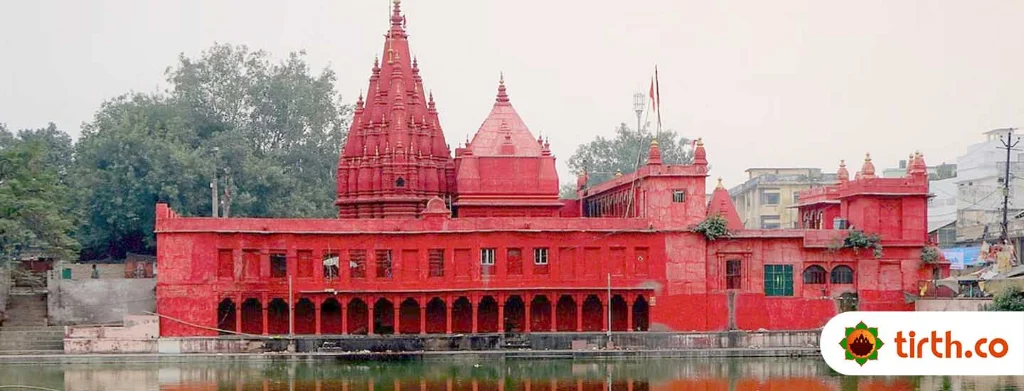
Durga Mandir
Ramnagar, Uttar Pradesh·
Durga Mandir in Varanasi's Ramnagar area is an 18th-century temple dedicated to the goddess Durga, renowned for its exquisite stone architecture and spiritual significance as a…
Shakti Peetha18th centuryVaranasi

Ratneshwar Mahadev Temple
Varanasi, Uttar Pradesh·
Ratneshwar Mahadev Temple at Manikarnika Ghat in Varanasi is one of the most photographed Hindu temples in the city, notable for its distinctive nine-degree architectural lean a…
Lord ShivaManikarnika GhatVaranasi
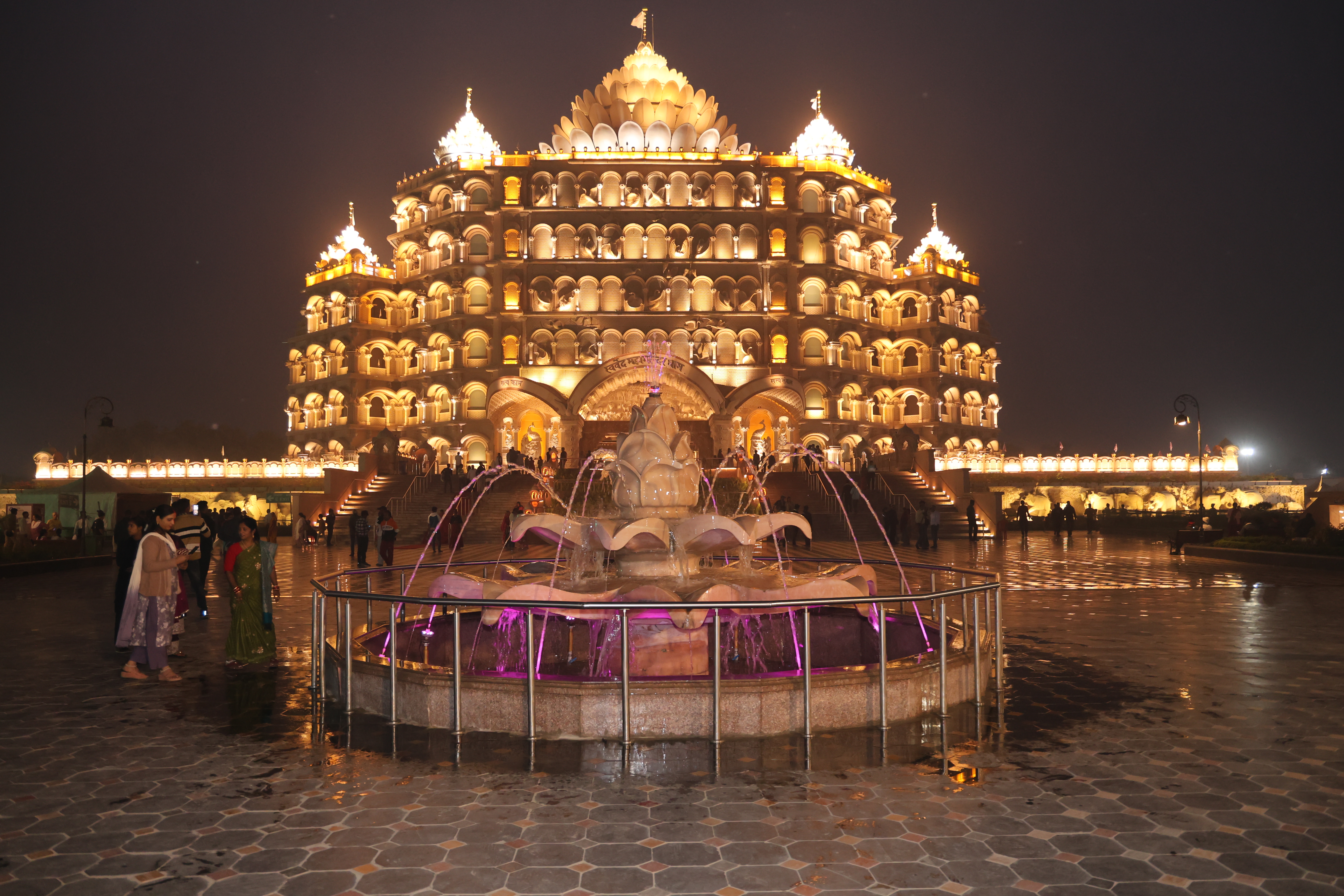
Swarved Mahamandir
·
Swarved Mahamandir is one of the world's largest meditation centres located in Varanasi, inaugurated in 2023, featuring all 4,000 verses of the Swarved inscribed on white marble…
meditation centreVihangam YogaVaranasi
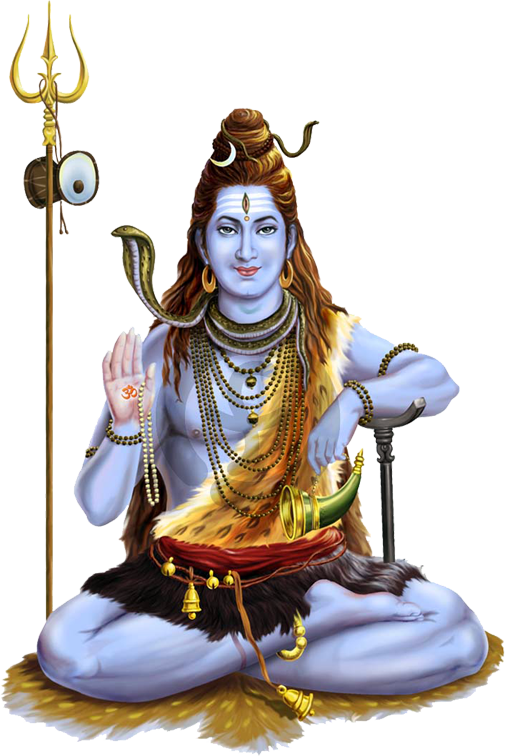
Achuthamangalam Kashi Viswanath Temple
Nannilam, Tamil Nadu·
Kashi Vishwanath Temple in Varanasi is one of India's twelve Jyotirlingas, dedicated to Vishveshwara (Shiva). The current structure dates to 1780, rebuilt by Maharani Ahilyabai…
JyotirlingaShiva templeVaranasi pilgrimage
Shri Tilbhandeshwar Mahadev Mandir
Varanasi, Uttar Pradesh·
Shri Tilbhandeshwar Mahadev Mandir is one of Varanasi's oldest and most revered Shiva temples, renowned for its miraculous self-growing Swayambhu Shivling that is measured night…
Shiva templeVaranasiSwayambhu Shivling
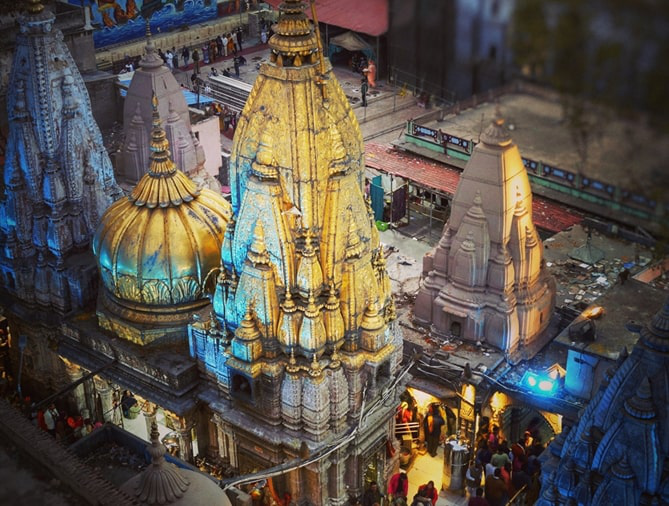
Kashi Vishwanath
Varanasi, Uttar Pradesh·काशी विश्वनाथ
Kashi Vishwanath is one of India's twelve sacred Jyotirlingas, dedicated to Lord Shiva in the form of Vishweshwara. Located on the western bank of the Ganga in Varanasi, the cur…
JyotirlingaShivaVaranasi
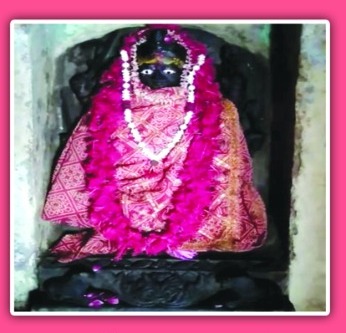
Lalita Gauri Mandir
Varanasi, Uttar Pradesh·
Lalita Gauri Mandir, situated on Lalita Ghat in Varanasi, is a historic 19th-century temple dedicated to Goddess Lalita Gauri, a form of Parvati. The shrine holds significant re…
Devi templeVaranasi19th century
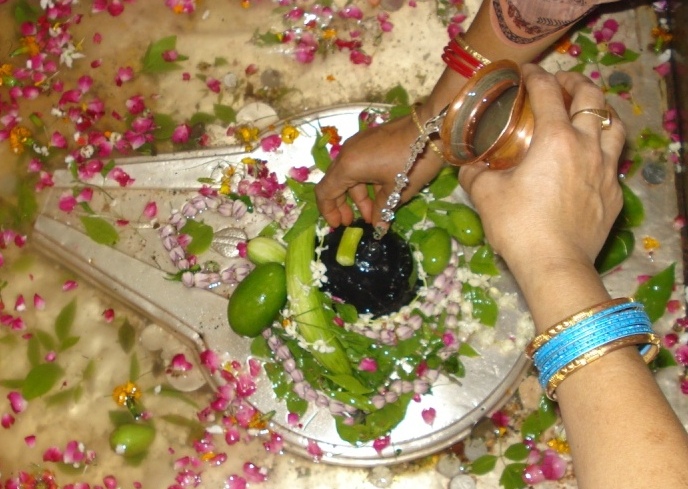
Trilochan Mahadev Temple
Kerakat, Uttar Pradesh·
Trilochan Mahadev Temple is an ancient Hindu shrine dedicated to Lord Shiva, located in the sacred ghat district of Varanasi, Uttar Pradesh. The presiding deity Trilochan, meani…
Shiva templeancient shrineVaranasi pilgrimage
Kardmeshwar Temple
Varanasi, Uttar Pradesh·
Kardmeshwar Temple is widely regarded as the oldest surviving temple in Varanasi, a medieval Nagara-style stone shrine dedicated to Lord Shiva that has maintained unbroken worsh…
oldest surviving templeShivaNagara architecture
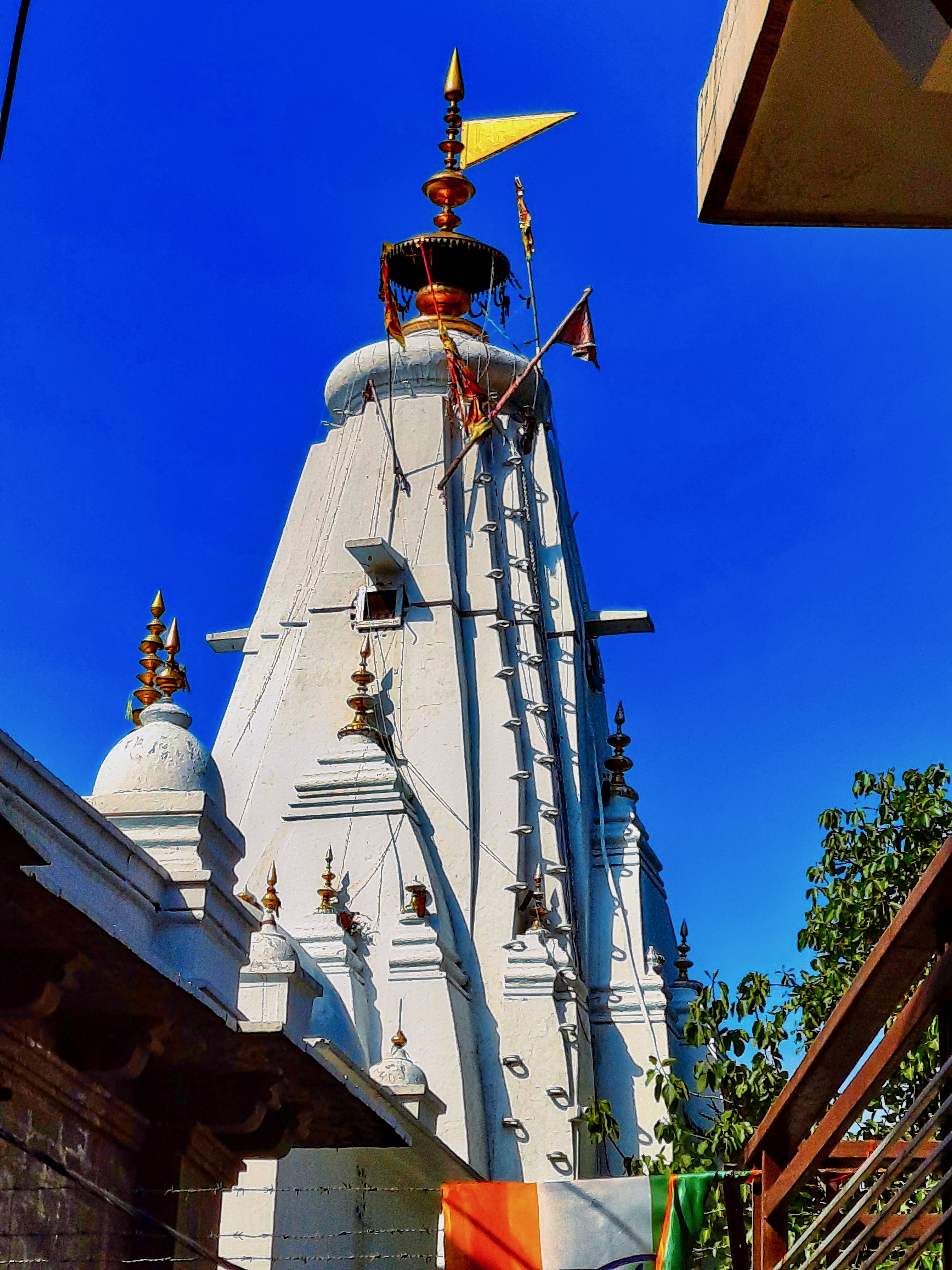
Adi Keshav Temple
Varanasi, Uttar Pradesh·
Adi Keshav Temple in Varanasi is believed to be over 4000 years old and is dedicated to Lord Vishnu, marking the sacred confluence of the Ganga and Varuna rivers where Vishnu is…
Lord VishnuGanga-Varuna confluence4000+ years old
Pracheen Hanumaan Mandir (Hindu Temple)
Varanasi, Uttar Pradesh·
Pracheen Hanuman Mandir in Varanasi is a historic temple established around 1918 by the sons of Baba Mangal Sen Ji, dedicated to Lord Hanuman with regular worship, havan ceremon…
HanumanVaranasiHindu temple
Open now
Kunnuvarankottai Kasi Visalakshi-Viswanathar Temple
Batlagundu, Tamil Nadu·
A Shaivite temple in Kunnuvarankottai, Dindigul, dedicated to Viswanathar (Shiva) and Visalakshi, situated at the sacred confluence of three rivers mirroring Varanasi's spiritua…
Shiva templeTriveni SangamDindigul

Kaal Bhairav Mandir, Varanasi
Varanasi, Uttar Pradesh·
Kaal Bhairav Mandir is one of Varanasi's oldest Shiva temples, dedicated to Bhairava, the fierce protector form of Shiva. Revered as the Kotwal (guardian) of Kashi, tradition ho…
Shiva templeBhairava worshipVaranasi guardian
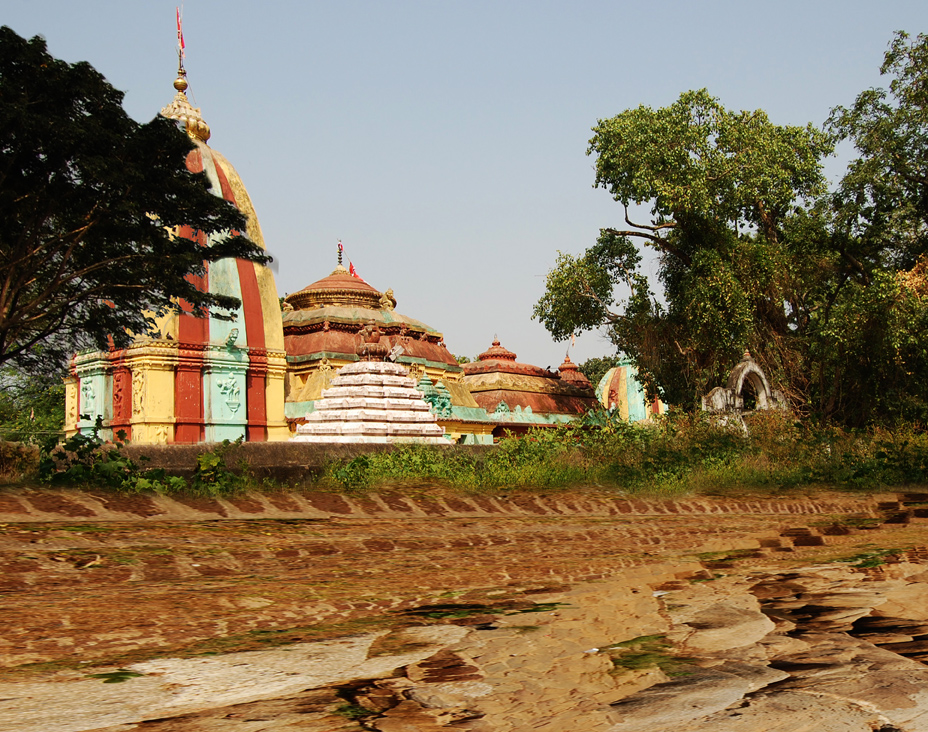
Subarnameru Temple
Subarnapur, Odisha·
Subarnameru Temple in Sonepur, Odisha is a sacred shrine dedicated to Lord Shiva, revered as the Second Varanasi of India for its spiritual significance.
Shiva templeOdishapilgrimage site

Bharat Mata Mandir
Varanasi, Uttar Pradesh·
Bharat Mata Mandir in Varanasi is a unique nationalist temple housing a three-dimensional marble map of undivided India rather than traditional deity idols, inaugurated by Mahat…
nationalist templemarble mapVaranasi
Sankat Mochan Hanuman
Varanasi, Uttar Pradesh·संकट मोचन
Sankat Mochan Hanuman Temple, established by poet-saint Tulsidas in the early 16th century, sits on the banks of the Assi River in Varanasi and serves as a major spiritual cente…
HanumanVaranasi16th century
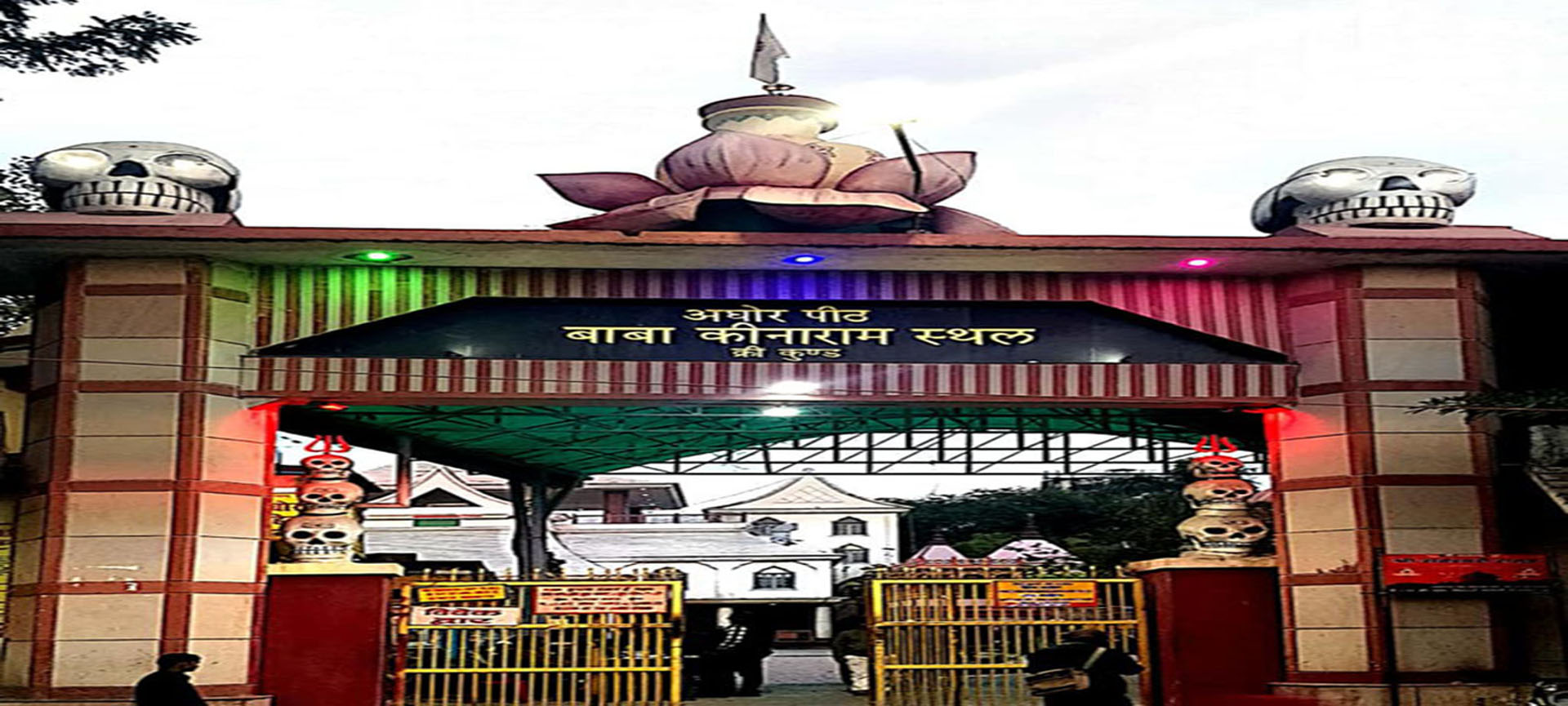
Baba Keenaram Ashram
Varanasi, Uttar Pradesh·
Baba Keenaram Ashram in Varanasi is the spiritual epicenter of the Aghora tradition, established in the 16th century by Aghoracharya Baba Keenaram and revered as a sacred site d…
Aghora traditionLord ShivaVaranasi spiritual center
Shree Shiv Mahavir Mandir
Varanasi, Uttar Pradesh·
Shree Shiv Mahavir Mandir in Varanasi is dedicated to Lord Shiva and serves as a major pilgrimage site with modern amenities including guest houses, live darshan broadcasts, and…
Shiva templeVaranasi pilgrimageLive darshan
Sri Kashi Bugga Mandir
Hyderabad, Telangana·
Sri Kashi Vishwanath Temple in Varanasi is an ancient shrine dedicated to Lord Shiva, established in 1780, offering multiple darshan options and daily aartis throughout the day.
Shiva templeVaranasi pilgrimageDaily aartis