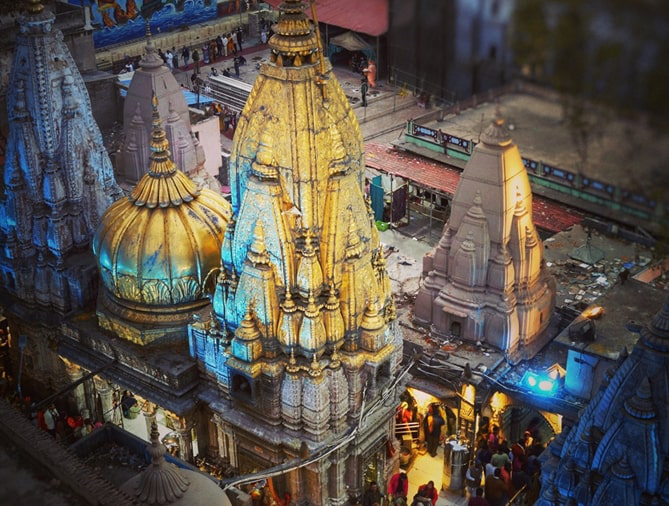

Kashi Vishwanath
About Kashi Vishwanath
The temple structure visitors see today was established in 1780, rebuilt by Maharani Ahilyabai Holkar following earlier destructions. In 1835, Maharaja Ranjeet Singh added gold plating to the shrine, a gift that remains a defining visual feature. The temple thus carries within its physical form the marks of multiple acts of restoration and devotion across centuries.
A major corridor project completed in 2021 transformed the approach and surrounding infrastructure, reshaping how pilgrims move through and experience the sacred space. This modernisation has been undertaken while preserving the essential character of the shrine itself.
Daily Rituals and Darshan
The temple operates from 3:00 AM through 11:00 PM daily. Five principal aartis (ritual offerings of light and prayer) structure the devotional day: Mangala Aarti from 3:00–4:00 AM, Bhog Aarti from 11:15 AM–12:20 PM, Sapta Rishi Aarti from 7:00–8:15 PM, Shringar/Bhog Aarti from 9:00–10:15 PM, and Shayan Aarti from 10:30–11:00 PM. Each aarti represents a distinct moment in the ritual calendar, and attending one offers devotees a structured entry into worship.
Darshan—the act of viewing and being in the presence of the deity—is the primary form of worship here. The temple offers multiple darshan options to accommodate the large daily footfall of 40,000–50,000 pilgrims. A "Sugam Darshan" service provides queue-less access with assistance from a Shastri (temple scholar), free locker facilities, and prasadam (blessed food offering). During the month of Sawan (typically July–August), when crowds intensify, the temple may shift to a Jhanki Darshan model on Mondays, where devotees view the deity from a distance to manage the flow. Visitors planning a Sawan visit should check current arrangements beforehand. The official website offers online booking for darshan slots, and a live darshan facility broadcasts the sanctum sanctorum globally for those unable to visit in person.
Visitor Practicalities
The best season to visit is October through March, when weather conditions are most favourable for pilgrimage. Plan to spend 4–5 hours for a full visit including time in queues and participation in rituals.
The temple is located at Vishwanath Gali in Varanasi. Booking darshan in advance through the official portal (shrikashivishwanath.org) is strongly recommended, particularly during peak seasons and religious months. The temple helpline (+91 6393 131 608) and WhatsApp number provide assistance during business hours (9:00 AM–6:00 PM). Accommodation options operated by the temple trust include the Southern Grand Guest House and Ganga Darshan Guest House, both offering convenient proximity to the shrine and views of Varanasi's famous ghats. The Ganga Darshan Guest House includes a roof-top restaurant and a prasadam restaurant serving vegetarian meals prepared without onion or garlic, in keeping with temple dietary practices.
Visitors should dress modestly and respectfully. Shoes are typically removed before entering the inner sanctum, and photography policies should be observed as indicated by temple signage. Donations can be made online through the official portal, with contributions from Indian citizens eligible for tax exemption under Section 80G.
Facilities and Services
Beyond darshan, the temple trust operates several facilities for pilgrims. The Triyambakeshwar Multipurpose Hall serves as a venue for group rituals, conferences, and community gatherings. A VR Darshan centre offers three-dimensional virtual experiences of the sanctum and the five daily aartis for those seeking an alternative or supplementary form of worship. Heritage walks incorporating the Mangala Aarti and bus services with temple access are available as tourism initiatives. Online donation platforms enable devotees worldwide to contribute to the temple's upkeep and charitable work.
How to reach
Temples near Kashi Vishwanath
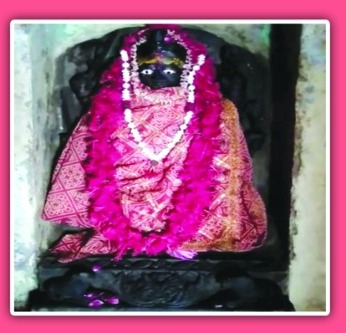
Lalita Gauri Mandir
Lalita Gauri Mandir, situated on Lalita Ghat in Varanasi, is a historic 19th-century temple dedicated to Goddess Lalita Gauri, a form of Parvati. The shrine holds significant re…

Ratneshwar Mahadev Temple
Ratneshwar Mahadev Temple at Manikarnika Ghat in Varanasi is one of the most photographed Hindu temples in the city, notable for its distinctive nine-degree architectural lean a…

Shitala Mata Mandir
Shitala Mata Mandir is an ancient temple on Varanasi's Shitala Ghat dedicated to Goddess Shitala, distinguished by its flat roof design and multiple inner shrines rather than th…
Shri Tilbhandeshwar Mahadev Mandir
Shri Tilbhandeshwar Mahadev Mandir is one of Varanasi's oldest and most revered Shiva temples, renowned for its miraculous self-growing Swayambhu Shivling that is measured night…
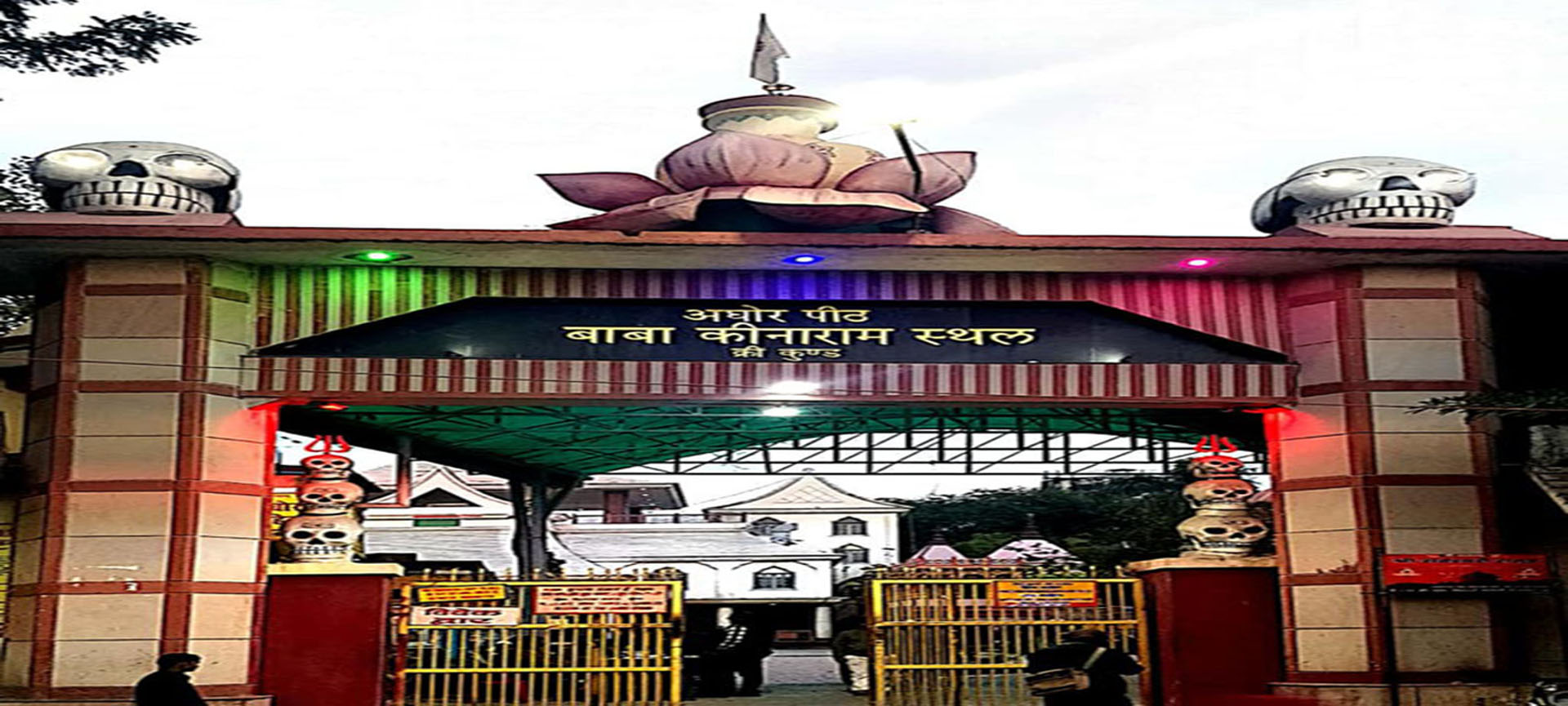
Baba Keenaram Ashram
Baba Keenaram Ashram in Varanasi is the spiritual epicenter of the Aghora tradition, established in the 16th century by Aghoracharya Baba Keenaram and revered as a sacred site d…

Bharat Mata Mandir
Bharat Mata Mandir in Varanasi is a unique nationalist temple housing a three-dimensional marble map of undivided India rather than traditional deity idols, inaugurated by Mahat…