Trilochan Mahadev Temple
About Trilochan Mahadev Temple
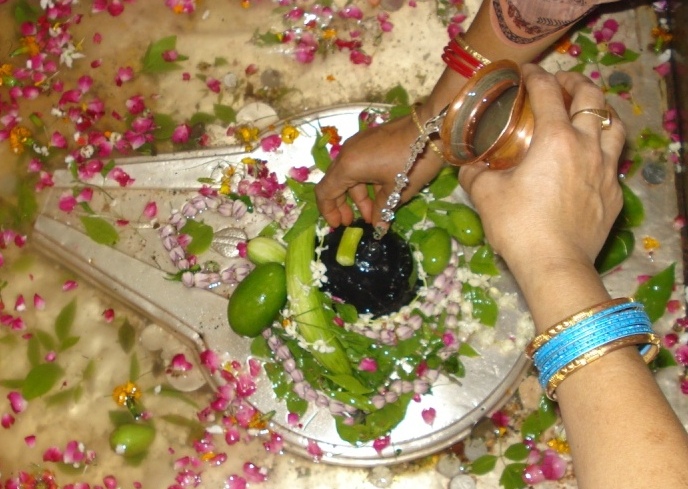
Akshay Triteeya, falling in the month of Vaishaka (April–May) on the third day of the bright lunar fortnight, stands as the most significant observance at Trilochan Mahadev. On this day, many devotees undertake ritual bathing at Pilpila Teerth followed by worship at the temple. The occasion is particularly associated with performing Shraadh Karma—rituals honoring one's ancestors—and observing fasts. According to tradition, these practices undertaken on Akshay Triteeya are believed to confer heightened spiritual benefit and blessings from both ancestors and the divine.
Practical Information for Visitors
The temple is located at Trilochan Dham in Varanasi, Uttar Pradesh. The coordinates are 25.575677, 82.786441, placing it within the ghat area of the city. Visitors should arrive early in the morning for the least crowded darshan experience. The morning aarti window of 5:00–6:00 AM is the optimal time for those seeking a peaceful visit.
Standard temple etiquette applies: remove footwear before entering the sanctum, dress modestly, and maintain respectful behavior during worship. Many Hindu temples request that visitors refrain from photography in certain areas; it is wise to observe any notices posted at the entrance. Menstruating women are traditionally not permitted entry to the inner sanctum in many Shiva temples, though practices vary; inquire respectfully if uncertain.
Location and Access
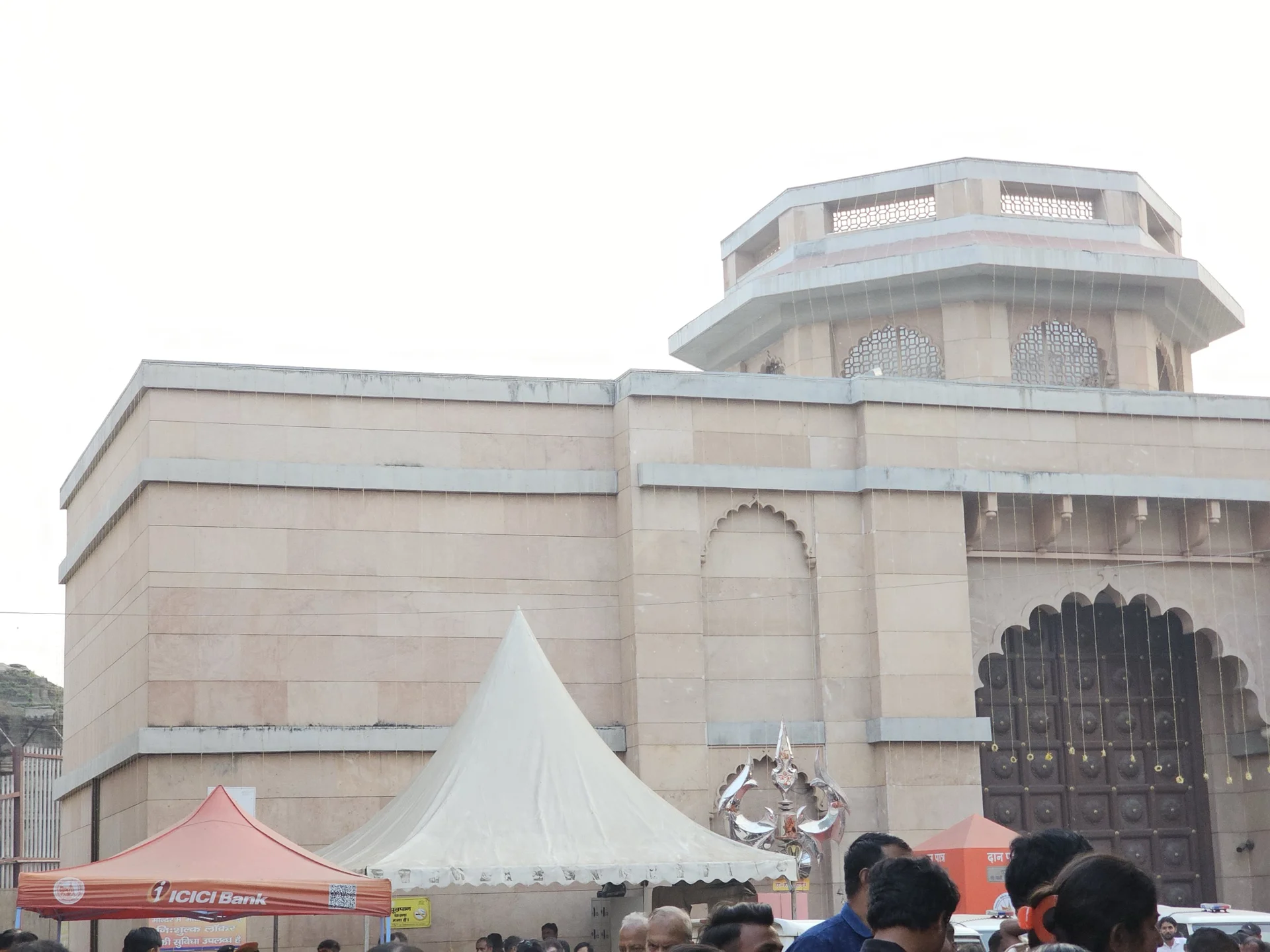
Trilochan Mahadev Temple sits within Varanasi's ghat district, the network of stepped riverbanks along the Ganges. The temple is accessible from central Varanasi, though the narrow lanes and steps characteristic of the old city require navigation on foot. Visitors arriving by auto-rickshaw should ask to be dropped at the nearest accessible point and proceed on foot from there. The early morning hours, particularly before 6:00 AM, offer easier passage through the lanes before the day's crowds gather.
About This Ancient Shrine
This is an ancient temple, though specific dates of construction are not recorded in available sources. Its age and the reverence it commands in Hindu tradition reflect centuries of continuous worship. The temple's significance within the broader spiritual landscape of Varanasi—itself considered one of Hinduism's holiest cities—makes it a destination for pilgrims seeking connection with Shiva worship and the pursuit of spiritual liberation through darshan and ritual practice.
How to reach
You may also visit
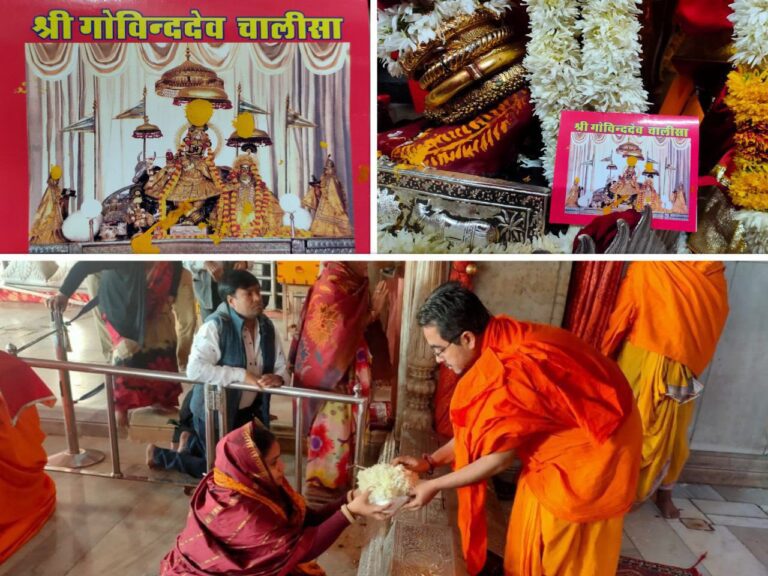
Kalyanji Temple
Kalyanji Temple in Jaipur's Chandpol Bazaar is approximately two centuries old and renowned for displaying the twenty-four avatars of Krishna, visible only twice yearly during Akha Teej and Patottsav festival.
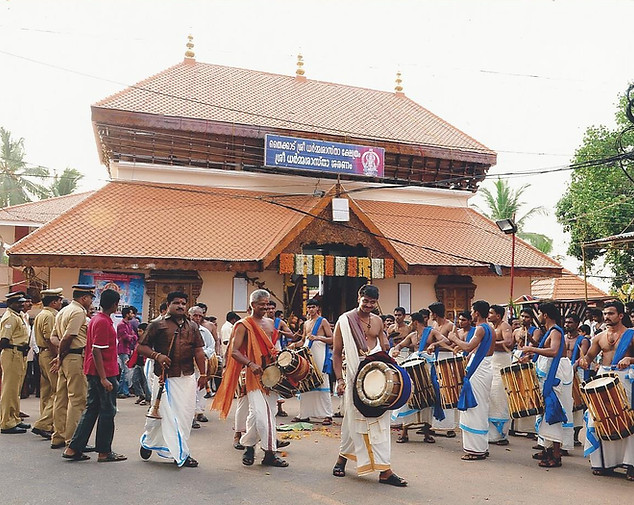
Sastha (Ayyappan) Temple
Sree Dharma Sastha Temple in Thycaud, Thiruvananthapuram, is a centuries-old shrine where the deity manifests as Dhanwanthari, the divine healer, holding the sacred blue lotus.
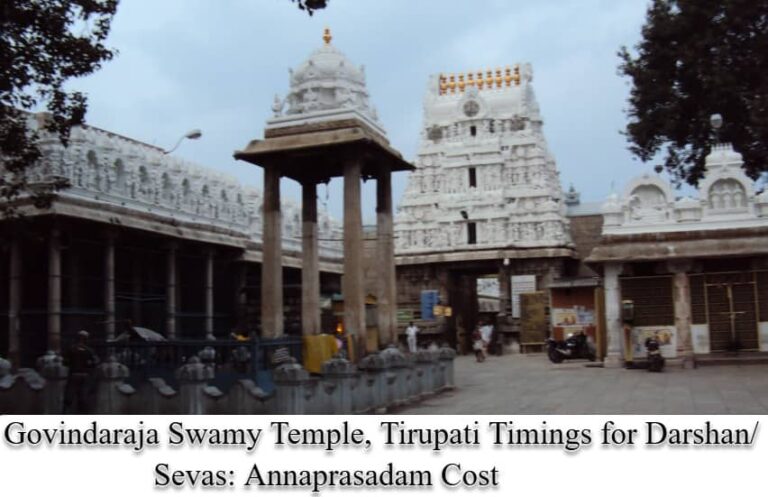
Govindarajaswamy Temple
Sri Govindarajaswamy Temple in Tirupati is an ancient Vaishnavaite shrine consecrated in 1130 AD by Saint Ramanuja, where the presiding deity rests in eternal Yoga Nidra on the serpent Adisesha.