

Ratneshwar Mahadev Temple
About Ratneshwar Mahadev Temple
The temple's most striking feature is its pronounced architectural lean. The structure tilts noticeably toward the north-west, a characteristic that has made it distinctive among Varanasi's temples. While the building remains well-preserved, this tilt is a permanent aspect of its form.
The inner sanctum, or garbhagriha, sits at a level that places it below the water for much of the year. During the monsoon and post-monsoon seasons, the Ganges rises and submerges this innermost chamber. Only during the summer months, when water levels recede, does the sanctum become fully accessible. This seasonal rhythm means that the experience of worship at Ratneshwar Mahadev varies dramatically depending on when one visits. Visitors planning a pilgrimage should account for this reality when choosing their travel dates.
Daily Worship and Darshan
The temple maintains regular hours for darshan, the viewing and worship of the deity. Morning darshan runs from 06:00 to 11:00, accommodating early risers and those who prefer the quieter hours of dawn. Evening darshan is available from 18:00 to 20:00, allowing those with daytime commitments to visit in the later hours.
Two daily aartis—the ritual waving of lamps before the deity—mark the principal moments of congregational worship. The morning aarti takes place at 10:30, and the evening aarti at 20:00. These ceremonies form the spiritual centre of daily practice at the temple. Visitors who time their visit to coincide with an aarti will experience the temple's worship at its most vibrant, though the temple welcomes darshan outside these formal ritual times as well.
Mahashivratri and Auspicious Seasons
Mahashivratri, the festival dedicated to Lord Shiva that falls in February or March, is considered an especially auspicious time to visit this temple. The festival draws devotees across Hindu communities, and the temple experiences heightened spiritual activity during this period. Those able to time their pilgrimage with Mahashivratri will find the temple alive with worship and observance.
For practical purposes, however, April to June offers the most reliable visiting conditions. During these months, water levels are at their lowest, and the temple remains fully accessible. The inner sanctum can be entered, and the full experience of worship is available. Mahashivratri, while spiritually significant, may coincide with higher water levels that limit access to the garbhagriha. Pilgrims should weigh spiritual timing against practical accessibility when planning their visit.
Visiting Practicalities
Visitors should be prepared for the possibility that access may be limited depending on water levels. This is not a temporary or unusual condition but a regular feature of the temple's annual cycle. Check current water conditions before visiting if full access to the inner sanctum is important to your pilgrimage.
The temple's location at the ghat means that the approach involves navigating Varanasi's riverfront areas. Modest dress is customary when visiting Hindu temples; remove shoes before entering the sanctum. The temple is open during the darshan hours listed above, and visitors are welcome during these times. No specific information about facilities such as ablution areas or prasad distribution is available, so it is wise to inquire locally upon arrival.
Location and Access
Ratneshwar Mahadev Temple is situated at Manikarnika Ghat in Varanasi, Uttar Pradesh. The coordinates are 25.3114543, 83.0149345. The temple is accessible from central Varanasi, though reaching it requires navigating the ghat areas on foot. Local guides or temple staff can assist with directions and current conditions, particularly regarding water levels and access to different parts of the temple.
How to reach
Temples near Ratneshwar Mahadev Temple
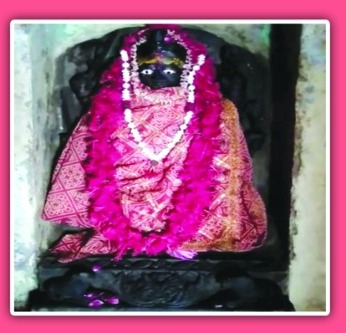
Lalita Gauri Mandir
Lalita Gauri Mandir, situated on Lalita Ghat in Varanasi, is a historic 19th-century temple dedicated to Goddess Lalita Gauri, a form of Parvati. The shrine holds significant re…
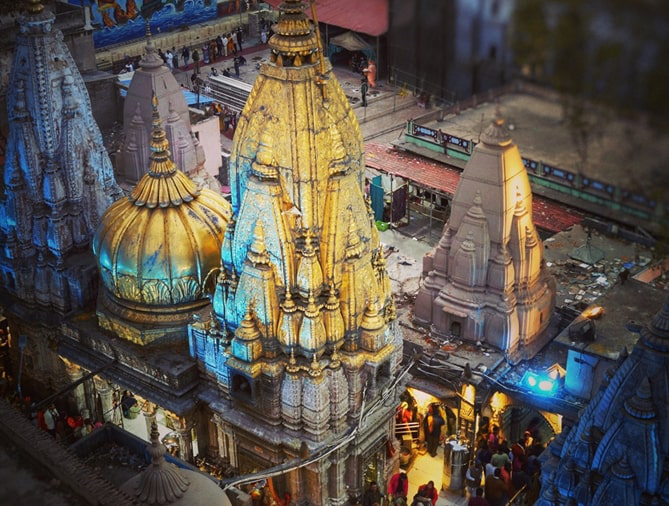
Kashi Vishwanath
Kashi Vishwanath is one of India's twelve sacred Jyotirlingas, dedicated to Lord Shiva in the form of Vishweshwara. Located on the western bank of the Ganga in Varanasi, the cur…

Shitala Mata Mandir
Shitala Mata Mandir is an ancient temple on Varanasi's Shitala Ghat dedicated to Goddess Shitala, distinguished by its flat roof design and multiple inner shrines rather than th…
Shri Tilbhandeshwar Mahadev Mandir
Shri Tilbhandeshwar Mahadev Mandir is one of Varanasi's oldest and most revered Shiva temples, renowned for its miraculous self-growing Swayambhu Shivling that is measured night…
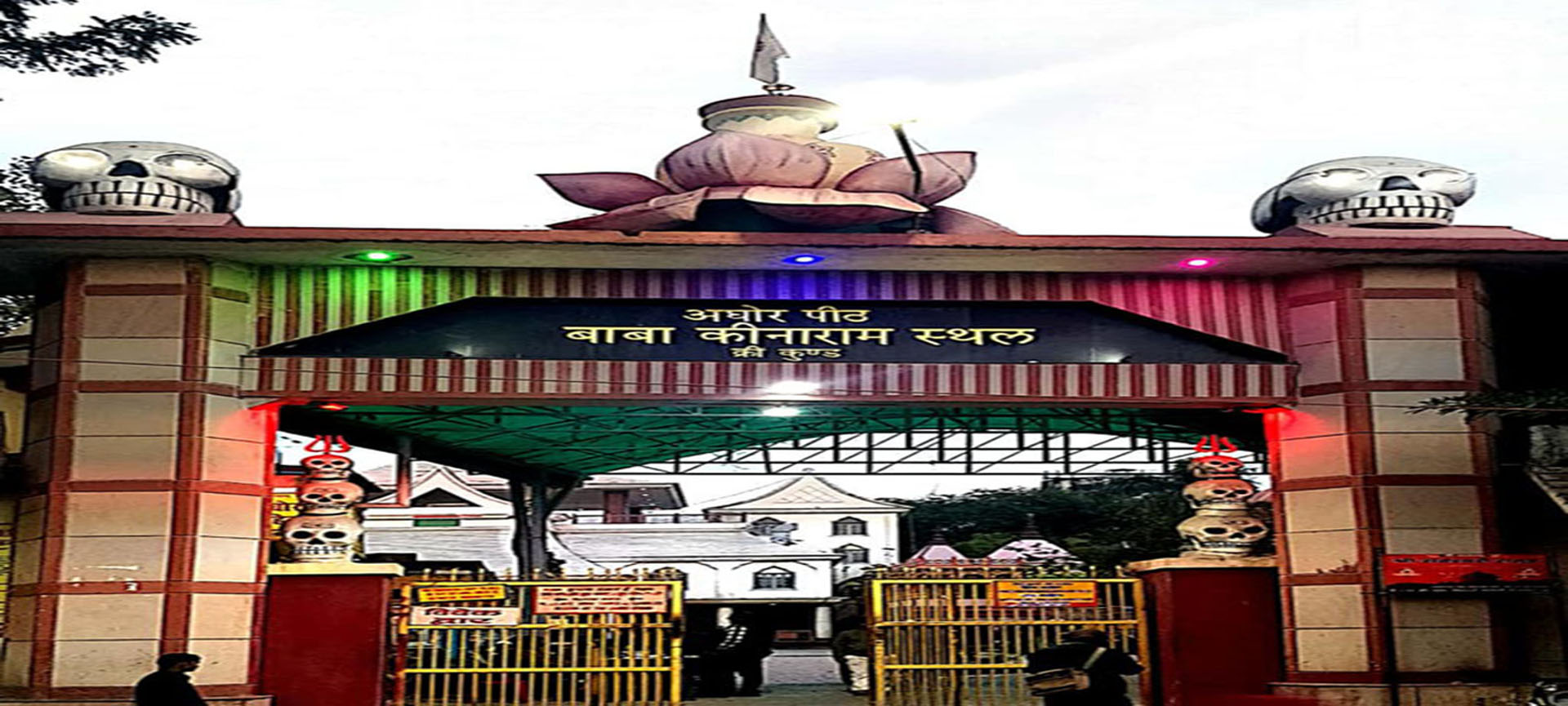
Baba Keenaram Ashram
Baba Keenaram Ashram in Varanasi is the spiritual epicenter of the Aghora tradition, established in the 16th century by Aghoracharya Baba Keenaram and revered as a sacred site d…

Bharat Mata Mandir
Bharat Mata Mandir in Varanasi is a unique nationalist temple housing a three-dimensional marble map of undivided India rather than traditional deity idols, inaugurated by Mahat…