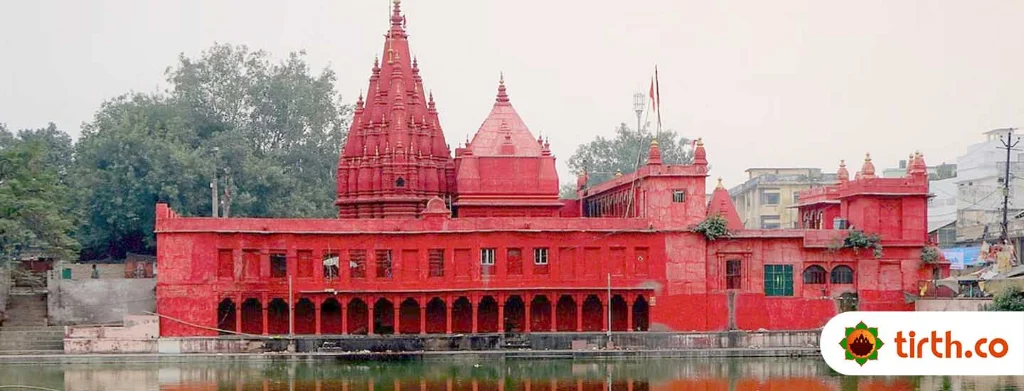
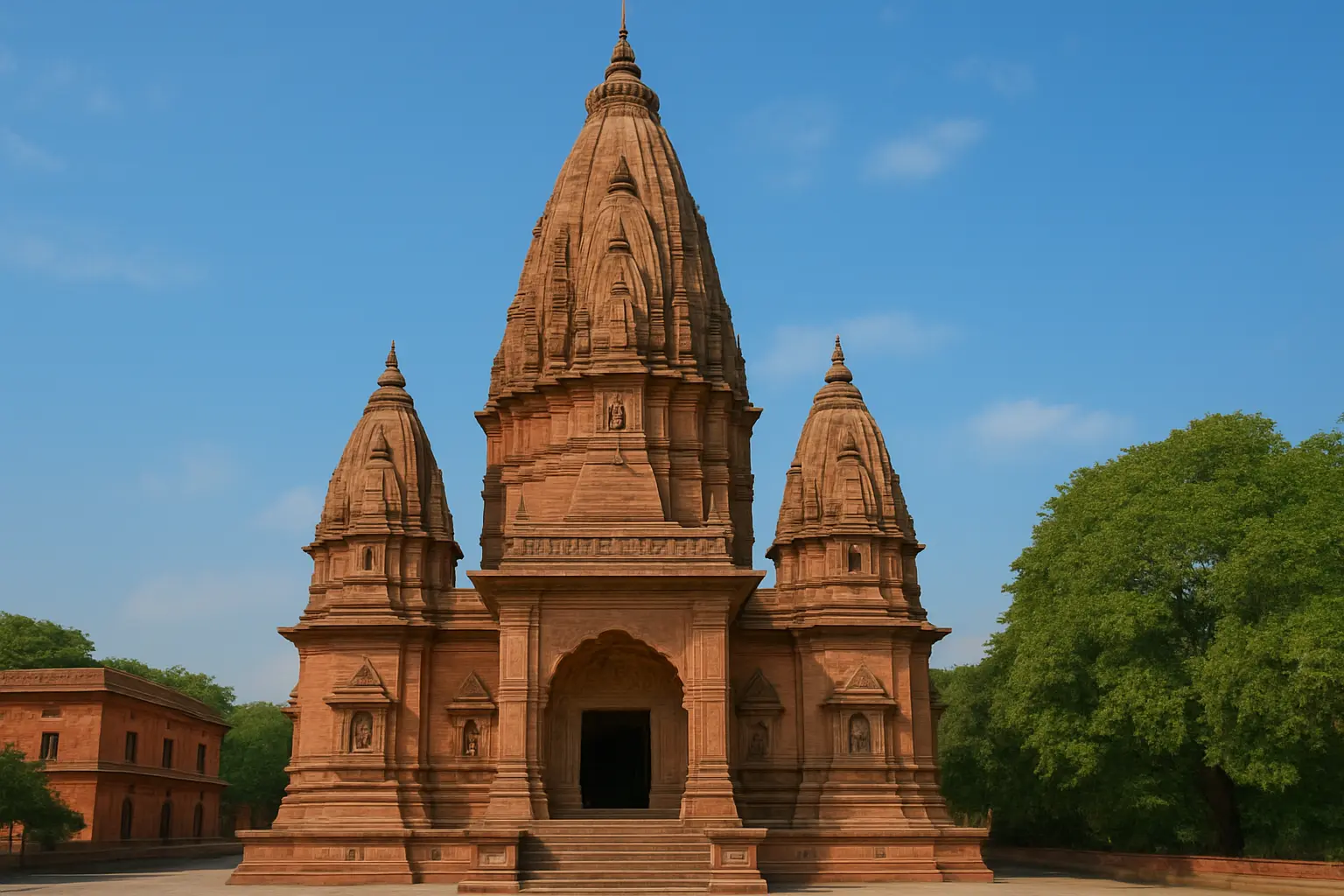
Durga Mandir
About Durga Mandir
The temple maintains a structured rhythm of worship throughout the day, opening at 5:00 AM and closing at 9:00 PM. Darshan—the viewing of the deity—is available in two sessions: morning from 5:00 AM to noon, and evening from 2:00 PM to 9:00 PM, with a break during the hottest hours between noon and 2:00 PM. Five aartis (ritual worship ceremonies) punctuate the day: Mangala Aarti at 5:30 AM, Shringar Aarti at 7:30 AM, Bhog Aarti at noon, Sandhya Aarti at 7:00 PM, and Shayan Aarti at 8:30 PM. These ceremonies form the spiritual heartbeat of the temple, inviting devotees to participate in rhythmic worship. Early morning visits offer the quietest darshan experience and allow participation in the opening aartis, when the temple atmosphere carries particular devotional intensity. The afternoon break provides an opportunity to rest during the day's warmest period.
Navratri and Festival Observances
As a Shakti Peetha, Durga Mandir observes festivals central to goddess worship. Navratri, the nine-night festival celebrating Durga's victory over darkness, draws heightened crowds and ceremonial attention to the temple. During this period, rituals intensify and the aarti schedule may shift to accommodate increased devotional activity. Temples of this tradition typically also observe Dussehra and occasions marking the goddess's various manifestations, though specific local observances at Durga Mandir should be confirmed directly with temple authorities. Festival periods significantly alter the temple's atmosphere and schedule, making advance confirmation advisable for those planning visits during these times.
Practical Information for Visitors
Durga Mandir is located at coordinates 25.2821°N, 83.0399°E in the Anandbagh, Bhelupur area of Varanasi. Once in Varanasi, local transport—auto-rickshaws, cycle-rickshaws, or taxis—can bring visitors to the temple. Modest dress is customary at Hindu temples; removing shoes before entering the sanctum is standard practice. The temple grounds are home to monkeys, so visitors should secure loose items and avoid sudden movements that might startle the animals. Allow sufficient time to move through the temple without rushing, particularly during peak darshan hours. Winter months offer pleasant weather for unhurried visits, while early morning hours provide cooler temperatures and a quieter environment for worship.
Best Times to Visit
Early morning visits between 5:00 and 7:30 AM offer the most serene darshan experience and allow participation in the opening aartis when devotional energy is particularly concentrated. The cooler temperatures of dawn make extended time in the temple more comfortable. Winter months provide pleasant weather across the region, supporting longer visits. Those seeking a heightened spiritual atmosphere may time their visit to coincide with Navratri, though this period brings larger crowds and requires advance confirmation of adjusted schedules. The afternoon break between noon and 2:00 PM, while the temple closes, offers an opportunity to rest and explore the surrounding Bhelupur area before returning for evening darshan.
How to reach
You may also visit
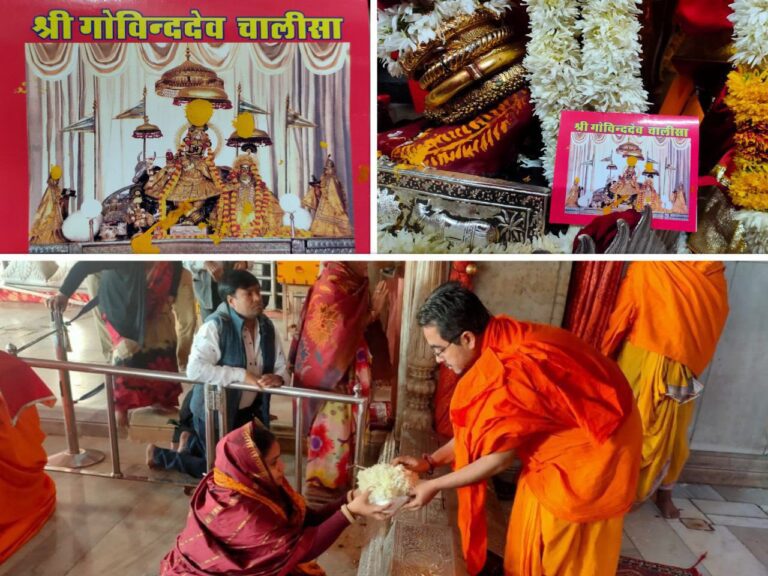
Kalyanji Temple
Kalyanji Temple in Jaipur's Chandpol Bazaar is approximately two centuries old and renowned for displaying the twenty-four avatars of Krishna, visible only twice yearly during Akha Teej and Patottsav festival.
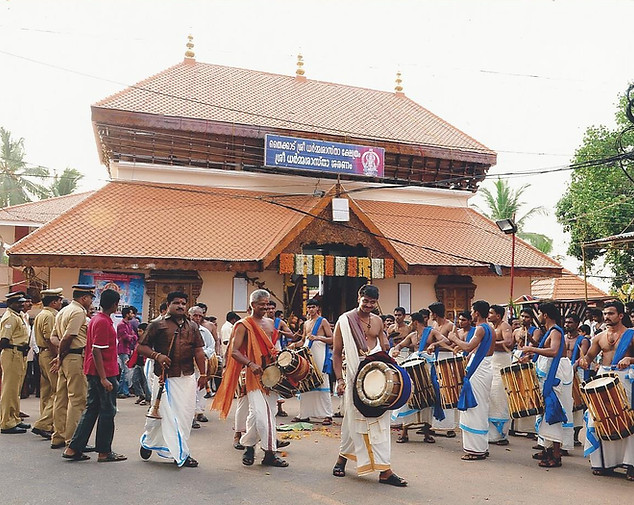
Sastha (Ayyappan) Temple
Sree Dharma Sastha Temple in Thycaud, Thiruvananthapuram, is a centuries-old shrine where the deity manifests as Dhanwanthari, the divine healer, holding the sacred blue lotus.
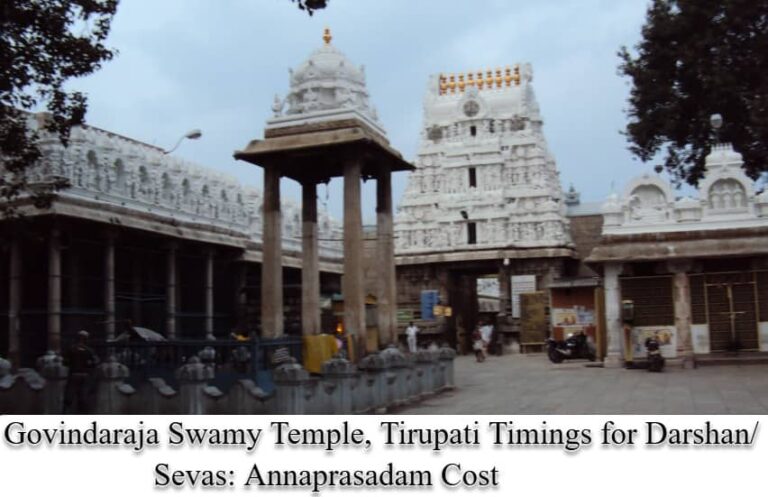
Govindarajaswamy Temple
Sri Govindarajaswamy Temple in Tirupati is an ancient Vaishnavaite shrine consecrated in 1130 AD by Saint Ramanuja, where the presiding deity rests in eternal Yoga Nidra on the serpent Adisesha.