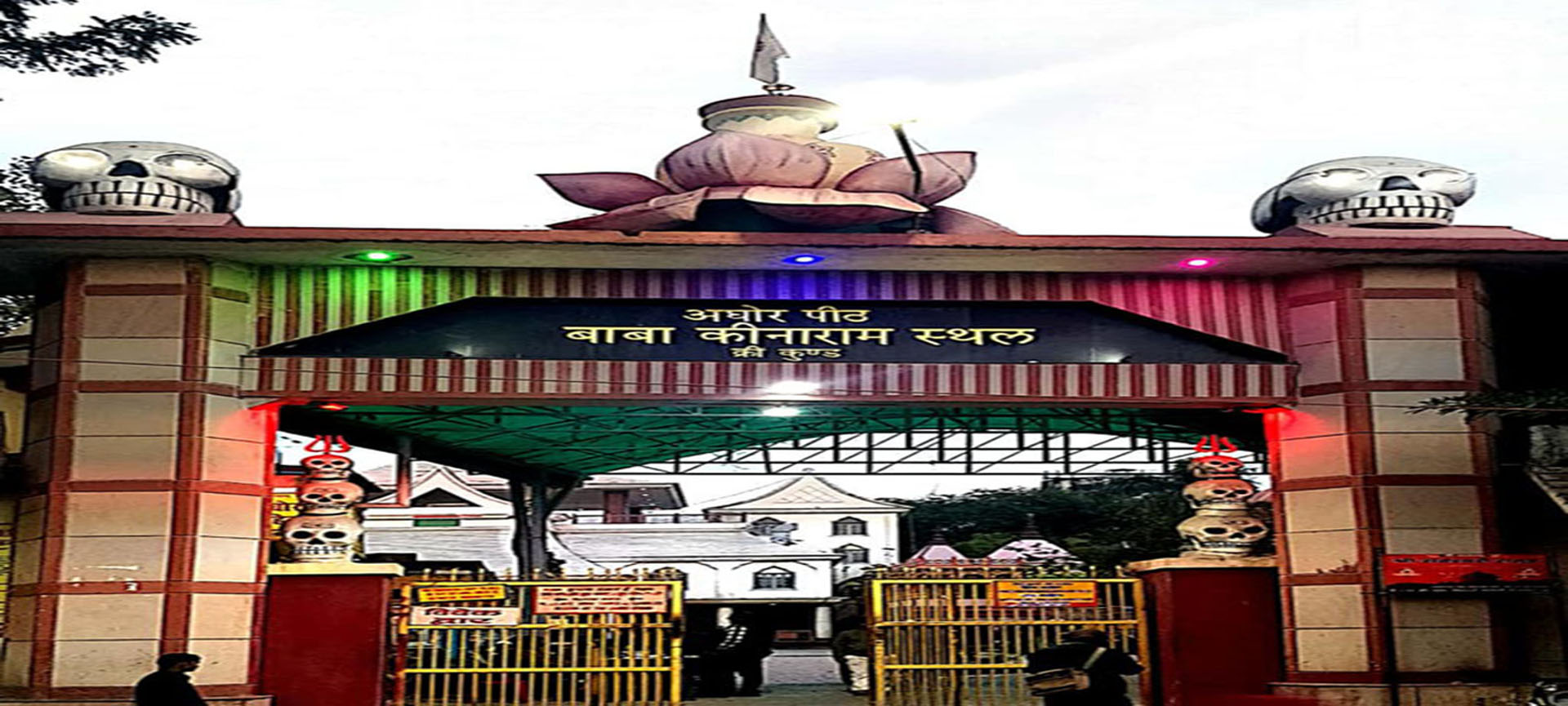


Baba Keenaram Ashram
About Baba Keenaram Ashram
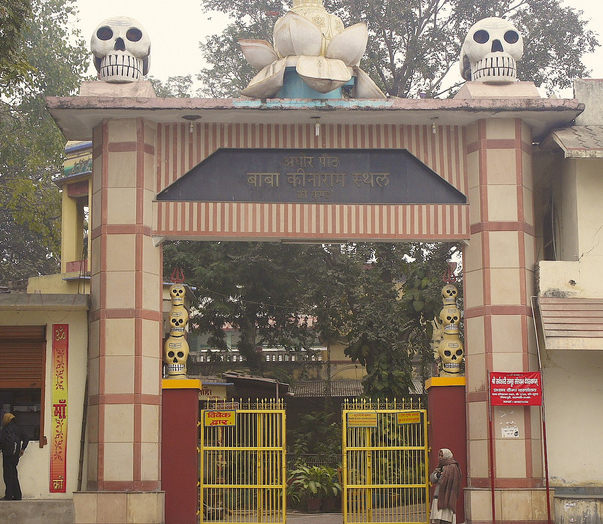
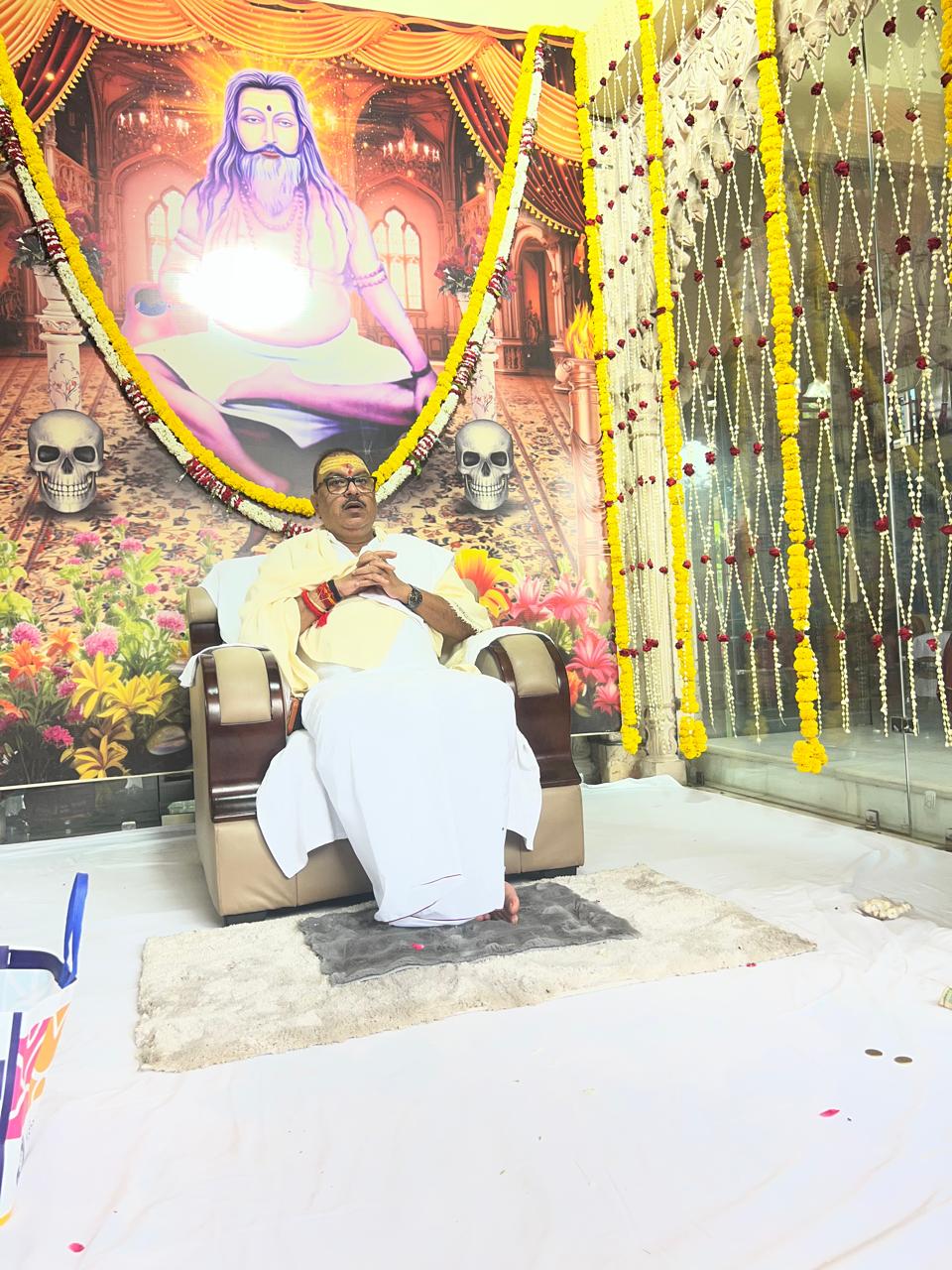
The ashram was established during the 16th century by Aghoracharya Baba Keenaram, a figure venerated within the tradition as instrumental in reviving and refining this sacred site. According to the ashram's records, Baba Keenaram was born in 1601 in Ramgarh village in the Varanasi district. He is credited with initiating the abbatial succession at Kring-Kund and served as the first Peethadheshwar (abbot) of the ashram. The spiritual lineage has continued through successive abbots, each contributing to the maintenance and development of the ashram's religious and social mission.
The site itself is regarded within the tradition as ancient, believed to hold spiritual significance since the creation of the universe. Baba Keenaram's arrival and work there are understood as a rejuvenation of this already sacred ground. The ashram has maintained its role as a centre for both spiritual practice and social service across the centuries.
Daily Worship and Aarti
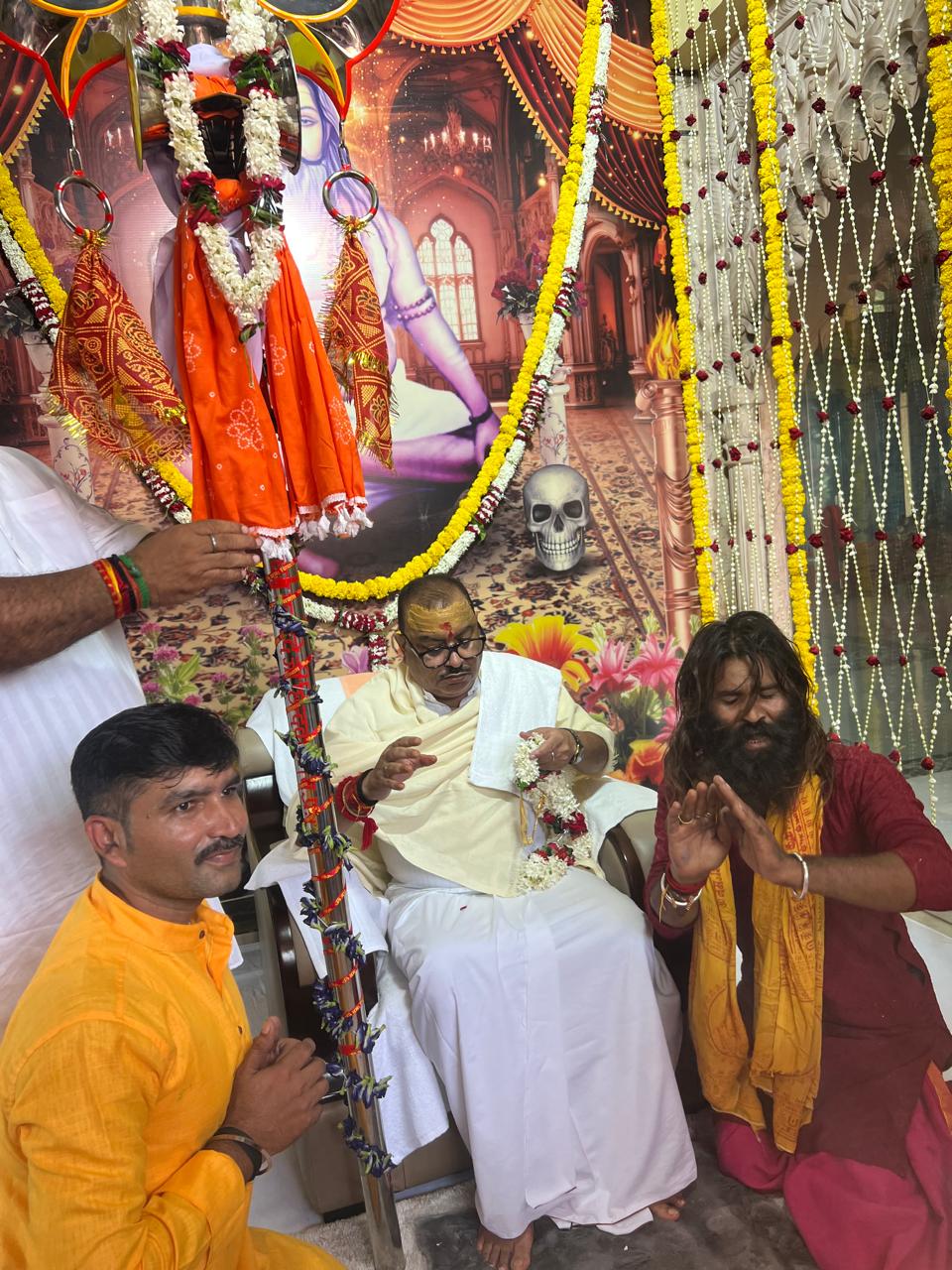
The ashram remains open throughout the day, welcoming visitors and devotees at all hours. The primary formal ritual observed daily is the Sandhya (evening) Aarti, performed at 19:00. This evening worship ritual marks the transition between day and night and provides a focal point for communal devotion. Visitors planning to attend the aarti should arrive with sufficient time to settle into the space before the ritual begins.
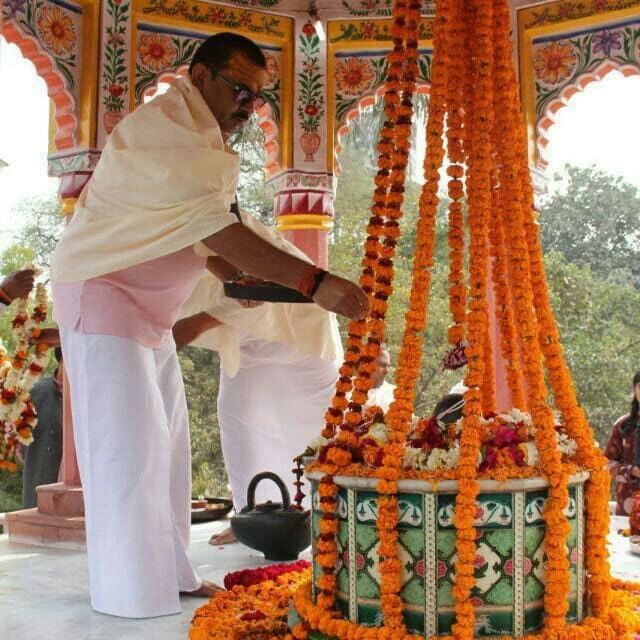
The ashram contains several spiritually significant sites within its grounds, including the Pavitra Dhuni (sacred fire), the Kring-Kund (a sacred water tank established by Baba Keenaram), and the Aughad Takht (the abbot's seat). These spaces serve as focal points for spiritual practice and meditation.
Festivals and Observances
The ashram observes several festivals throughout the year, with certain occasions drawing larger numbers of devotees and prompting more elaborate decoration of the grounds. Guru Purnima in July, Dhanteras in November, and Diwali in November are noted as particularly significant festival days. Additionally, the ashram marks Ram Navami in March, Ugadi or Gudi Padwa (the Hindu New Year) in March, and Karwa Chauth in late October. Visitors planning their visit around festival occasions should confirm timings in advance, as the ashram's schedule and atmosphere differ noticeably on these days compared to regular visiting hours.
Visiting Information and Etiquette
The ashram is located in Ravindrapuri (Bhelupur), Varanasi, at coordinates 25.2959°N, 83.0033°E. For directions and specific queries about access or practice protocols, visitors can contact the temple office at +91-7905625975 or reach the broader organization at +91-9794487878.
As with most Hindu ashrams and temples, visitors should dress modestly and respectfully. Shoes are typically removed before entering the inner sanctum. The Aghora tradition represents a distinctive approach within Shaivism that may differ from more widely known Hindu worship styles; visitors unfamiliar with these practices are encouraged to approach the space with openness and respect for the spiritual environment and the practices of those gathered there.
How to reach


Temples near Baba Keenaram Ashram
Shri Tilbhandeshwar Mahadev Mandir
Shri Tilbhandeshwar Mahadev Mandir is one of Varanasi's oldest and most revered Shiva temples, renowned for its miraculous self-growing Swayambhu Shivling that is measured night…

Sankat Mochan Hanuman
Sankat Mochan Hanuman Temple, established by poet-saint Tulsidas in the early 16th century, sits on the banks of the Assi River in Varanasi and serves as a major spiritual cente…

Shitala Mata Mandir
Shitala Mata Mandir is an ancient temple on Varanasi's Shitala Ghat dedicated to Goddess Shitala, distinguished by its flat roof design and multiple inner shrines rather than th…
Kashi Vishwanath
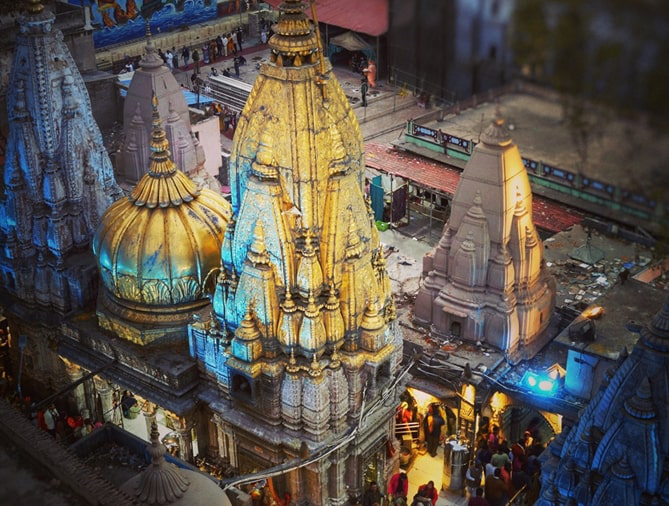
Kashi Vishwanath is one of India's twelve sacred Jyotirlingas, dedicated to Lord Shiva in the form of Vishweshwara. Located on the western bank of the Ganga in Varanasi, the cur…
Lalita Gauri Mandir
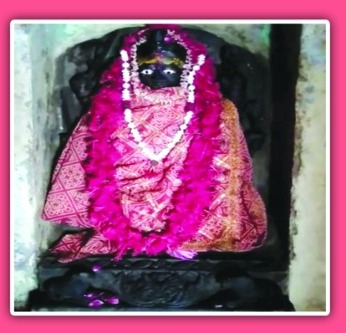
Lalita Gauri Mandir, situated on Lalita Ghat in Varanasi, is a historic 19th-century temple dedicated to Goddess Lalita Gauri, a form of Parvati. The shrine holds significant re…

Ratneshwar Mahadev Temple
Ratneshwar Mahadev Temple at Manikarnika Ghat in Varanasi is one of the most photographed Hindu temples in the city, notable for its distinctive nine-degree architectural lean a…