Ahilyabai Holkar Ghat and Temple Complex
About Ahilyabai Holkar Ghat and Temple Complex
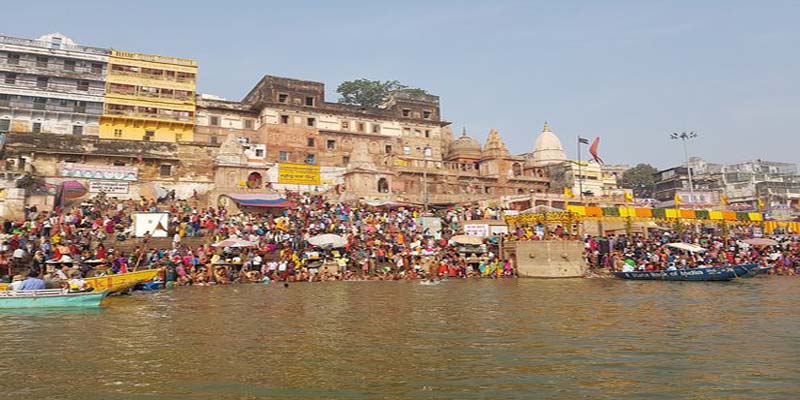
The Ahilyabai Ghat compound encompasses more than a single shrine. Within its boundaries stand a palace, residential quarters, a service court that extends toward the ghat itself, an akhara (wrestling ground), and several religious buildings. The temple group here is dedicated to Lord Hanuman, Lord Shiva, and other Hindu deities. The temples follow the Nagara architectural style, characteristic of northern India, with spires that reflect this classical tradition.
The layout of the compound reveals the integrated nature of sacred and domestic life at the ghat. The palace and service court structure the approach to the river, creating a formal processional space that leads devotees toward the water's edge where ritual bathing occurs.
Daily Worship and Darshan
The ghat comes alive at dawn, when large numbers of Hindu worshippers gather to perform ritual bathing in the Ganga and offer prayers. This is the optimal time to visit if you wish to witness the devotional life of the site. Devotees perform darshan—the act of viewing and paying respects to the deities—as part of their spiritual practice. The early morning hours, when the light is soft and the river is calm, create the conditions most conducive to this worship.
The ghat remains open throughout the day and night, accessible at all hours to those who wish to visit. However, the spiritual atmosphere and the presence of active worshippers are most pronounced during the dawn period.
Festivals Observed
The temple calendar includes several significant festivals. Hanuman Jayanti celebrates the birth of Lord Hanuman, while Shivratri honours Lord Shiva. Nagpanchami, the festival dedicated to serpent deities, and Dev Diwali, which marks the lighting of lamps for the gods, are also observed here. These festivals draw additional pilgrims and intensify the devotional activity at the ghat.
Visiting Information
Timings: The ghat is open 24 hours daily. There is no entry fee.
Best time to visit: Early morning at dawn, when worshippers gather for bathing and prayer. This is when the ghat's spiritual character is most evident.
Duration: Plan for approximately 30 minutes to an hour, depending on whether you wish to observe rituals or simply walk the ghat.
Dress and etiquette: Dress modestly, as this is an active place of worship. Remove shoes before entering temple areas. Photography may be restricted in certain sections—observe any notices posted at the site. Be respectful of ongoing rituals and the privacy of worshippers.
Facilities: The compound includes residential and service areas, though visitor facilities are not detailed in available sources. Arrive prepared with water and sun protection, particularly if visiting during midday hours.
Location and Access
Ahilyabai Ghat is situated on Dashashwamedh Ghat Road in Varanasi, Uttar Pradesh. It forms part of the ghat system that lines the Ganga in this ancient city. Varanasi's narrow lanes and dense layout mean that navigation on foot is often necessary once you reach the ghat area. The site's position along the river makes it accessible from the main ghat pathways that connect the various sacred bathing sites.
How to reach
Temples near Ahilyabai Holkar Ghat and Temple Complex
Kala Ram Mandir Complex
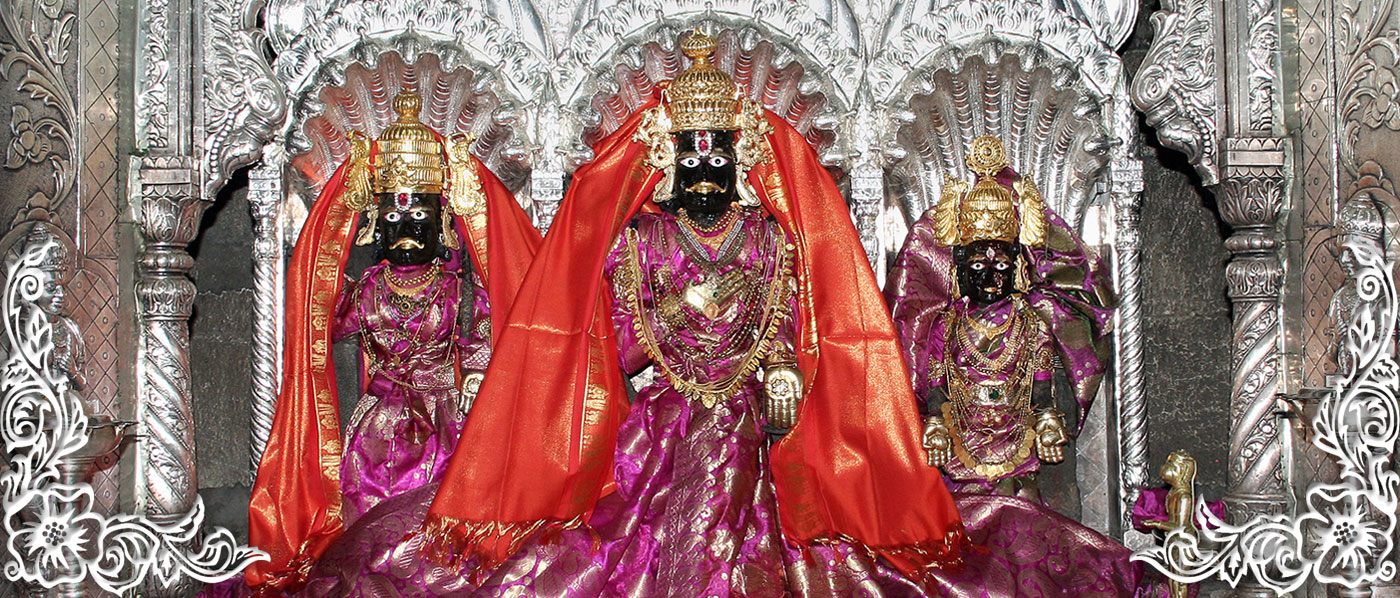
Kala Ram Mandir in Nashik's Panchavati is a revered shrine housing black basalt idols of Lord Rama, Sita, and Lakshmana, believed to mark the sacred site where these deities res…
Rokdoba Mandir Complex
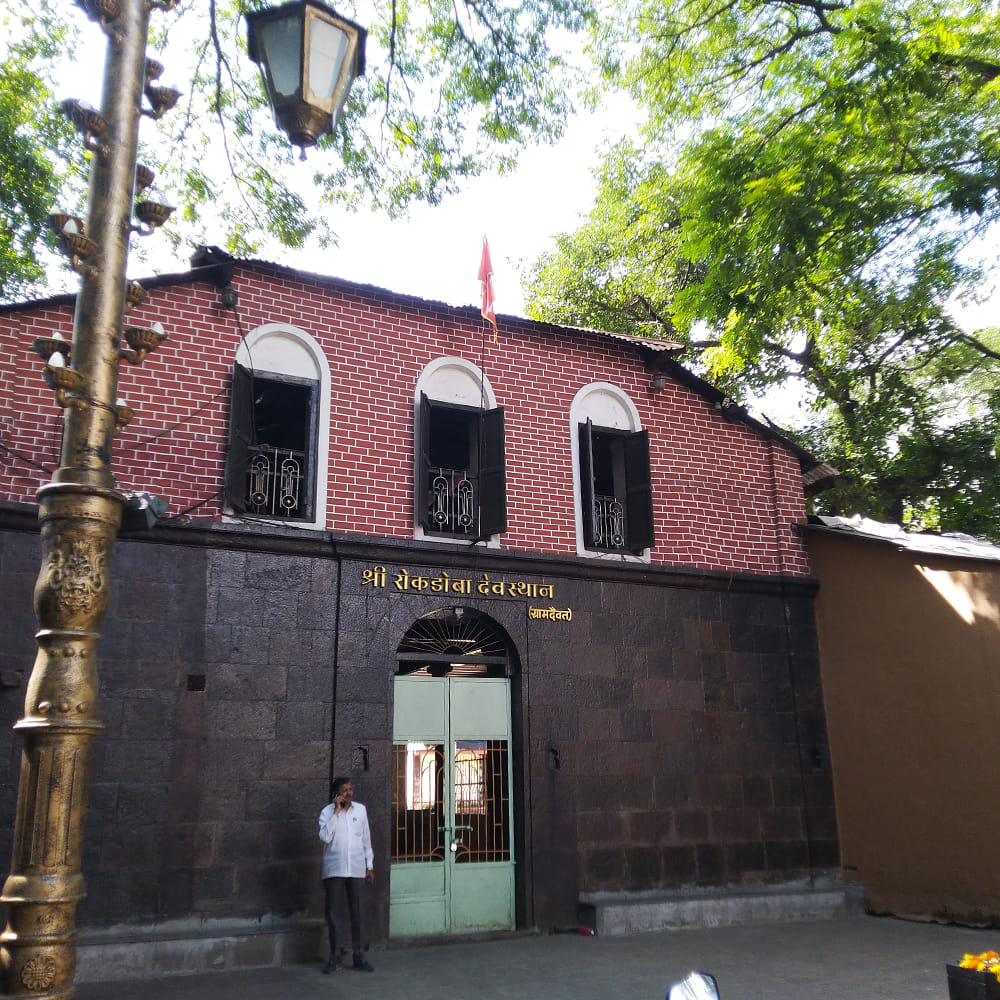
Rokadoba Temple in Shivajinagar, Pune, is a seventeenth-century shrine dedicated to Rokadoba, an avatar of Lord Hanuman, revered by locals for its spiritual significance and wel…
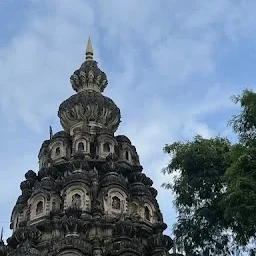
Amruteshwar - Siddheshwar Temple Complex
An ancient temple complex in Pune's Shaniwar Peth housing multiple shrines including two Shiva temples—one from the Peshwa era and another approximately 800 years old—along with…
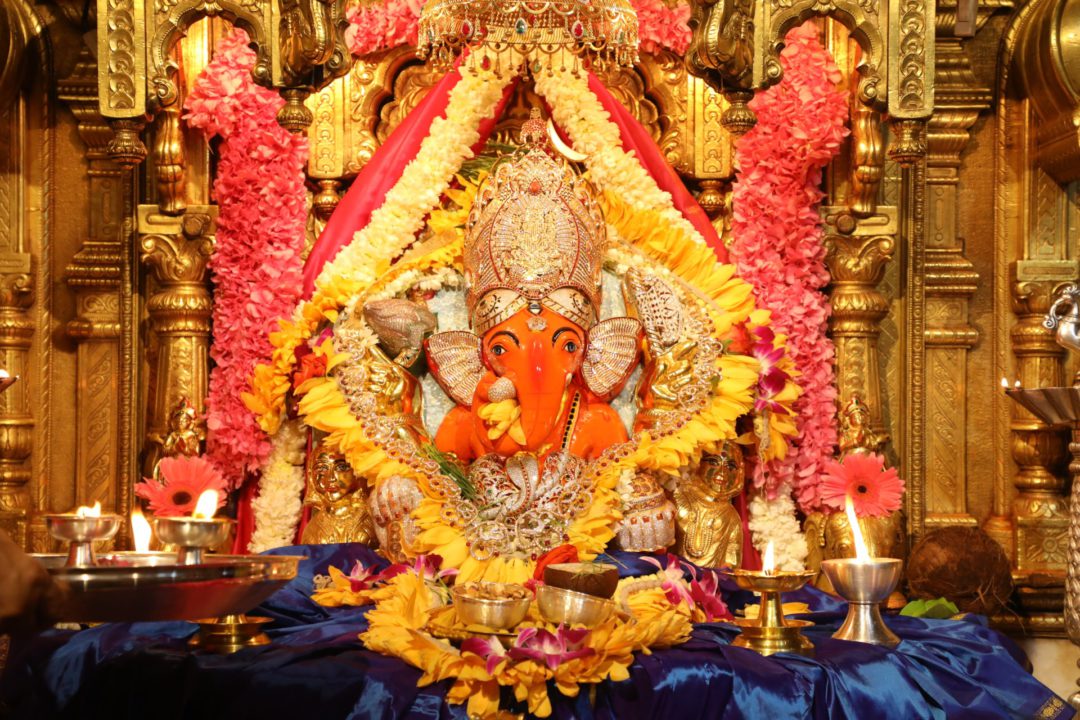
Siddhivinayak Ganapati Mandir
The Shri Siddhivinayak Ganapati Mandir in Mumbai's Prabhadevi neighbourhood is one of the city's most revered Hindu temples, established in 1801 and dedicated to Lord Ganesha.
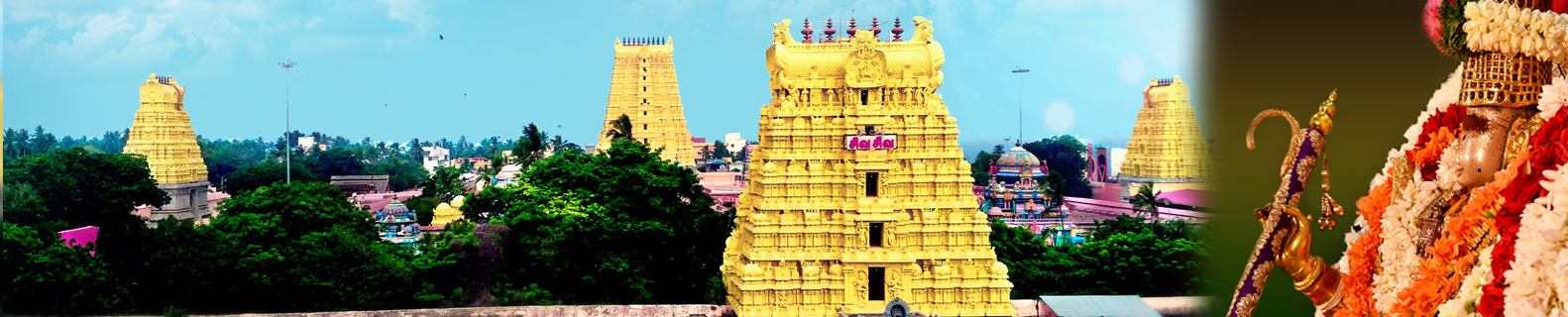
Rameshwar Mandir Complex
The Arulmigu Ramanathaswamy Temple in Rameswaram, Tamil Nadu, is an ancient shrine where Lord Rama is believed to have worshipped a Shiva lingam to atone for the sin of killing…

Shani Temple and Paar
Shri Shaneshwar Devasthan in Shanishingnapur, Maharashtra, is a renowned shrine dedicated to Lord Shani, attracting devotees from across India and beyond with its legendary mira…