
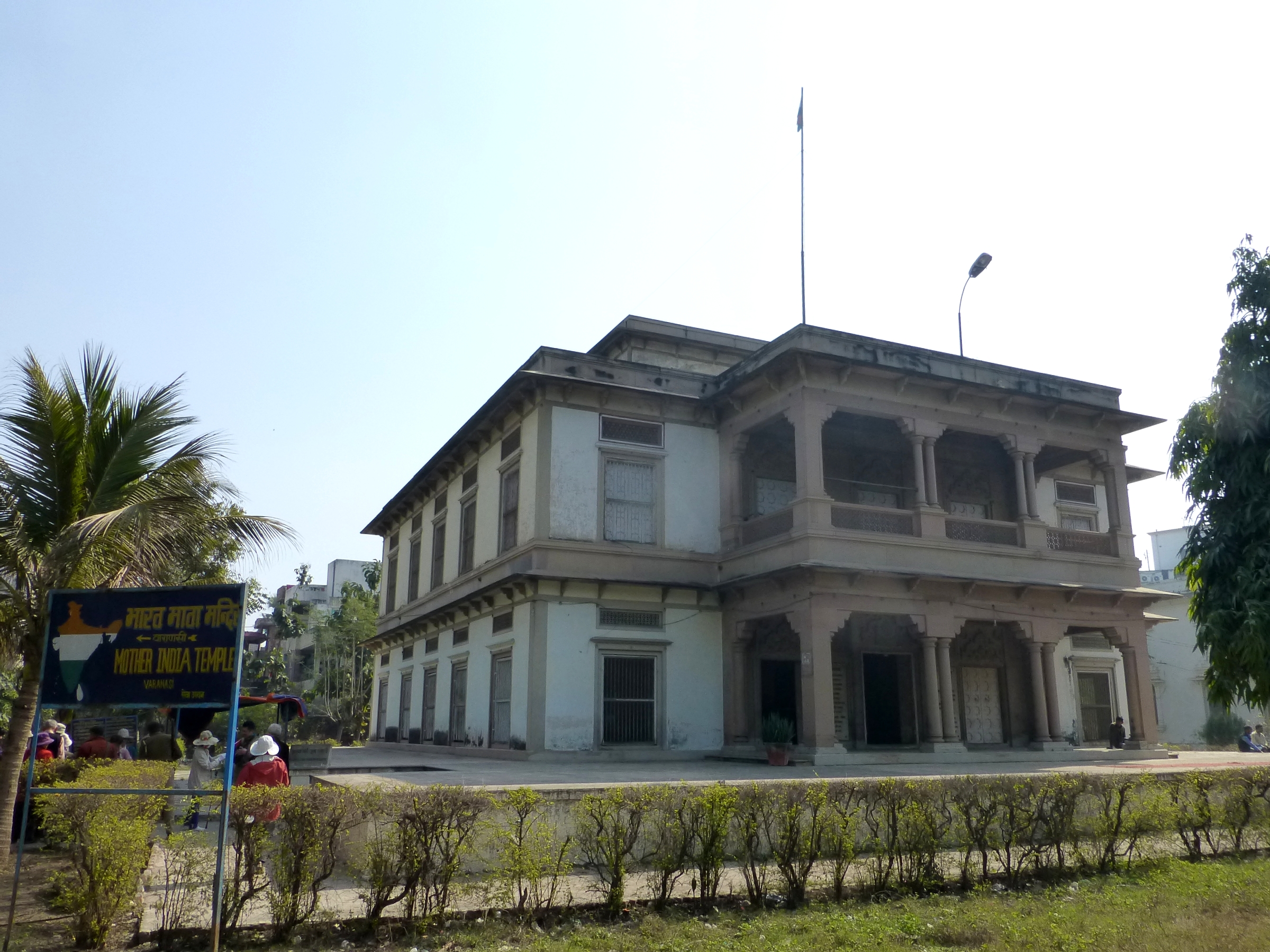
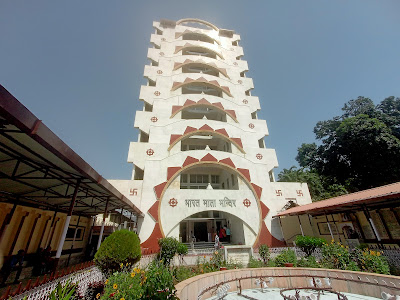
Bharat Mata Mandir
About Bharat Mata Mandir
The temple was founded in 1936 on the campus of Mahatma Gandhi Kashi Vidyapith, an educational institution in Varanasi. Its establishment during this period reflects the ideological currents of the independence era, when concepts of national identity and territorial unity held particular resonance. The choice to locate the temple within an academic campus rather than as a standalone structure emphasizes the integration of nationalist thought with educational and spiritual pursuits.
The campus setting distinguishes Bharat Mata Mandir from many of Varanasi's other temples. Visitors will find a quieter environment than the crowded temple areas elsewhere in the city, though the institutional nature of the grounds means that other activities occur on the campus. This setting requires visitors to be mindful of the broader educational mission of the institution while engaging in their own spiritual practice.
Visiting Hours and Best Times
The temple opens daily from 6:00 AM to 8:00 PM, offering flexibility for visitors to time their visit according to personal preference and circumstance. The early morning hours between 6:00 and 8:00 AM provide the quietest atmosphere for contemplation and unhurried viewing of the marble map. These hours allow visitors to engage with the temple's themes without the crowds that may accumulate later in the day.
National holidays carry particular significance given the temple's nationalist character and historical origins. Visiting during these occasions provides an opportunity to experience the temple within a broader context of collective observance and reflection on national identity. Late afternoon visits offer an alternative for those seeking to avoid the heat that characterizes much of the year in Varanasi, though early morning remains the most conducive time for quiet reflection.
Practical Information for Visitors
Modest dress is customary in Hindu temples and should be observed when visiting Bharat Mata Mandir. Visitors should confirm photography policies upon arrival, as these may vary. The campus location means that standard temple facilities may differ from those found in larger, independently-operated temples in the city, so visitors should manage expectations accordingly.
Because the temple is situated within an educational institution, visitors should maintain respectful behaviour and be aware of ongoing campus activities. It is advisable to confirm access procedures with the institution before arrival to ensure smooth entry. Allow time to navigate the campus grounds and locate the temple within the institutional setting. The temple's address is Mahatma Gandhi Kashi Vidyapith campus, Chetganj, Varanasi, Uttar Pradesh 221001, India, with coordinates 25.3172, 82.9893.
How to Reach the Temple
Varanasi is well-connected by rail, road, and air, making Bharat Mata Mandir accessible to pilgrims and tourists visiting the city. The temple's location within the Kashi Vidyapith campus in the Chetganj area places it in a quieter zone compared to some of Varanasi's more central temple districts. Visitors arriving by train can access the city via Varanasi Junction or Varanasi Cantt stations. Those traveling by road will find the city connected to major highways, while Lal Bahadur Shastri International Airport serves air travellers. From these entry points, local transport—including auto-rickshaws and taxis—can convey visitors to the campus address.
How to reach
Temples near Bharat Mata Mandir

Kaal Bhairav Mandir, Varanasi
Kaal Bhairav Mandir is one of Varanasi's oldest Shiva temples, dedicated to Bhairava, the fierce protector form of Shiva. Revered as the Kotwal (guardian) of Kashi, tradition ho…

Shitala Mata Mandir
Shitala Mata Mandir is an ancient temple on Varanasi's Shitala Ghat dedicated to Goddess Shitala, distinguished by its flat roof design and multiple inner shrines rather than th…
Shri Tilbhandeshwar Mahadev Mandir
Shri Tilbhandeshwar Mahadev Mandir is one of Varanasi's oldest and most revered Shiva temples, renowned for its miraculous self-growing Swayambhu Shivling that is measured night…
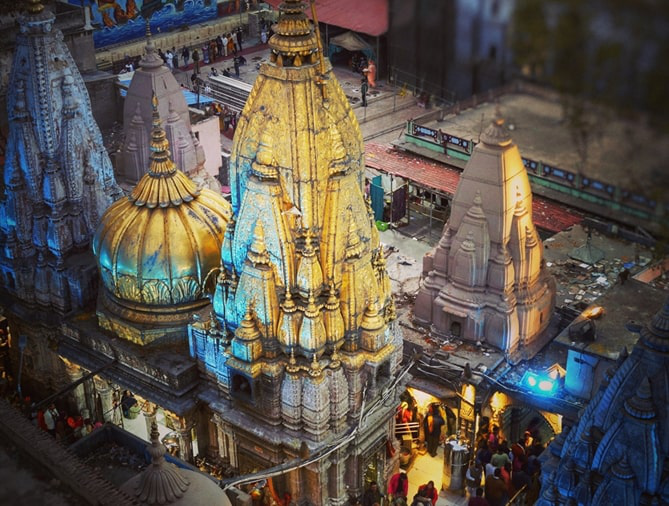
Kashi Vishwanath
Kashi Vishwanath is one of India's twelve sacred Jyotirlingas, dedicated to Lord Shiva in the form of Vishweshwara. Located on the western bank of the Ganga in Varanasi, the cur…
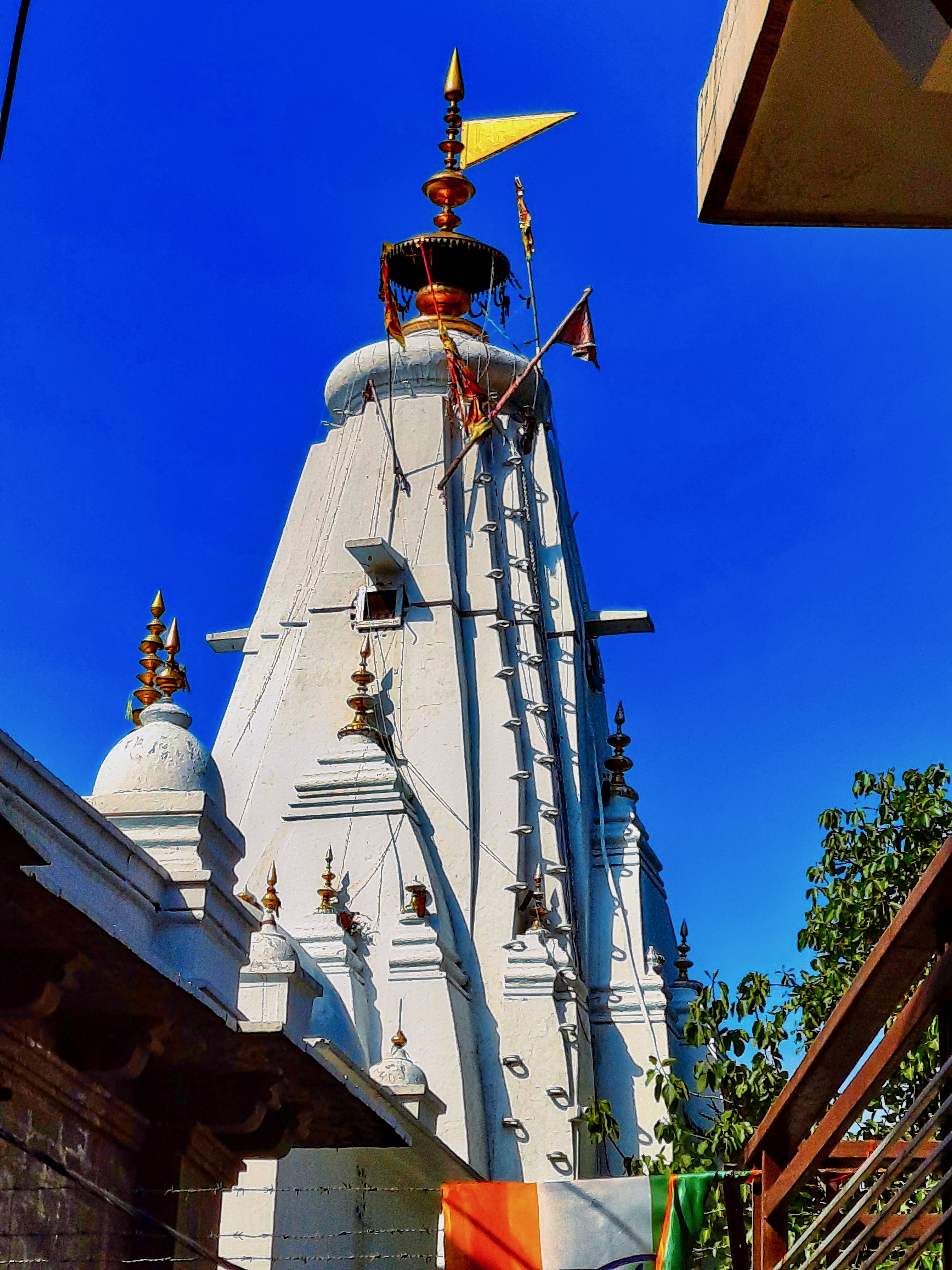
Shree Shiv Mahavir Mandir
Shree Shiv Mahavir Mandir in Varanasi is dedicated to Lord Shiva and serves as a major pilgrimage site with modern amenities including guest houses, live darshan broadcasts, and…
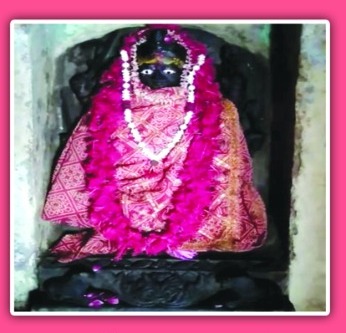
Lalita Gauri Mandir
Lalita Gauri Mandir, situated on Lalita Ghat in Varanasi, is a historic 19th-century temple dedicated to Goddess Lalita Gauri, a form of Parvati. The shrine holds significant re…