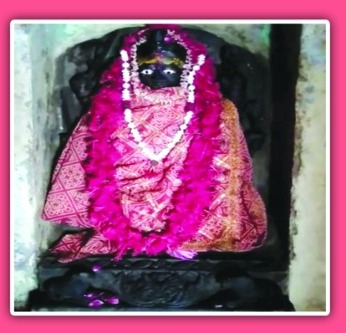
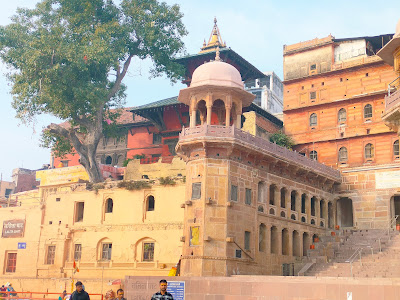
Lalita Gauri Mandir
About Lalita Gauri Mandir
Lalita Gauri Mandir was constructed between 1800 and 1804 by Rana Bahadur Shah, placing it among Varanasi's significant 19th-century religious structures. The temple's establishment was substantial enough that the ghat itself came to be named after it—Lalita Ghat now serves as the temple's location and a recognized pilgrimage point along the Ganges. This naming reflects the temple's importance within Varanasi's sacred geography and its role in shaping the identity of the riverbank area.
The temple's construction during this period coincides with a broader era of temple building and renovation in Varanasi, though the sources do not detail the architectural style or specific structural features of the building itself.
Daily Worship and Darshan
The temple opens early in the morning at 05:00 and closes at 09:00, then reopens in the evening from 17:00 to 21:30. These timings may vary seasonally or due to local circumstances, so visitors are advised to confirm before making the journey. The morning and evening hours both offer opportunities for darshan, though early morning and late evening visits typically draw smaller crowds, allowing for a more peaceful experience of worship.
Visitors should be aware that specific information about formal aarti (ritual worship with lamps) or other scheduled ceremonies is not detailed in available sources. It is advisable to arrive with flexibility regarding the exact timing of rituals and to be prepared for the possibility of informal or continuous worship rather than fixed ceremonial schedules.
Auspicious Timing and Navratri Observance
According to the Kashi Khand, the Krishna Paksha Dwitiya—the second day after the full moon—in the month of Ashwin (September-October) holds special significance for worship of Lalita Gauri. Devotees planning visits around this lunar date may experience heightened spiritual resonance with the temple's traditions. Lalita Gauri is also one of the nine Gauri forms worshipped during Navratri, the festival falling in March-April that precedes Ram Navami.
The sources do not provide detailed information about specific rituals, processions, or celebrations unique to this temple during these periods, though visitors interested in festival observances may wish to inquire locally about how Navratri is marked at the site.
Reaching the Temple and Practical Considerations
Lalita Gauri Mandir sits on Lalita Ghat within Varanasi's densely built old city. The temple has no dedicated parking; visitors should plan to arrive on foot or by local transport. Those traveling by rickshaw should proceed to Dasaswamedh Ghat, then walk along the ghats toward Lalita Ghat and climb the steps to reach the temple. For those already in the surrounding lanes, Nepali Pasupati Mandir serves as a useful landmark for orientation. The temple's GPS coordinates are 25.310013, 83.013276.
The narrow, crowded lanes characteristic of this area mean visitors should wear comfortable walking shoes and be prepared for congested passages, especially during peak seasons. The summer months are best avoided due to heat and increased congestion in the ghat area.
Visiting Wisely
Early morning visits offer the dual advantage of cooler temperatures and fewer crowds, making for a more contemplative darshan experience. Visitors should dress modestly, as is customary at Hindu temples, and be prepared to remove footwear before entering the sanctum. The temple's location within a residential ghat area means visitors should move respectfully through surrounding lanes and be mindful of local residents.
It is advisable to combine a visit to Lalita Gauri Mandir with other nearby temples and sacred sites along the ghats, as the area contains numerous pilgrimage destinations. Confirming current opening hours before arrival is recommended, as timings may vary.
How to reach
Temples near Lalita Gauri Mandir

Ratneshwar Mahadev Temple
Ratneshwar Mahadev Temple at Manikarnika Ghat in Varanasi is one of the most photographed Hindu temples in the city, notable for its distinctive nine-degree architectural lean a…
Kashi Vishwanath
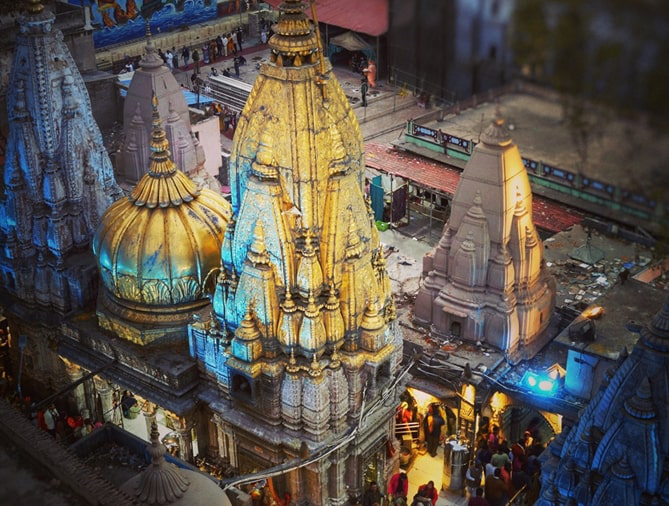
Kashi Vishwanath is one of India's twelve sacred Jyotirlingas, dedicated to Lord Shiva in the form of Vishweshwara. Located on the western bank of the Ganga in Varanasi, the cur…

Shitala Mata Mandir
Shitala Mata Mandir is an ancient temple on Varanasi's Shitala Ghat dedicated to Goddess Shitala, distinguished by its flat roof design and multiple inner shrines rather than th…
Shri Tilbhandeshwar Mahadev Mandir
Shri Tilbhandeshwar Mahadev Mandir is one of Varanasi's oldest and most revered Shiva temples, renowned for its miraculous self-growing Swayambhu Shivling that is measured night…
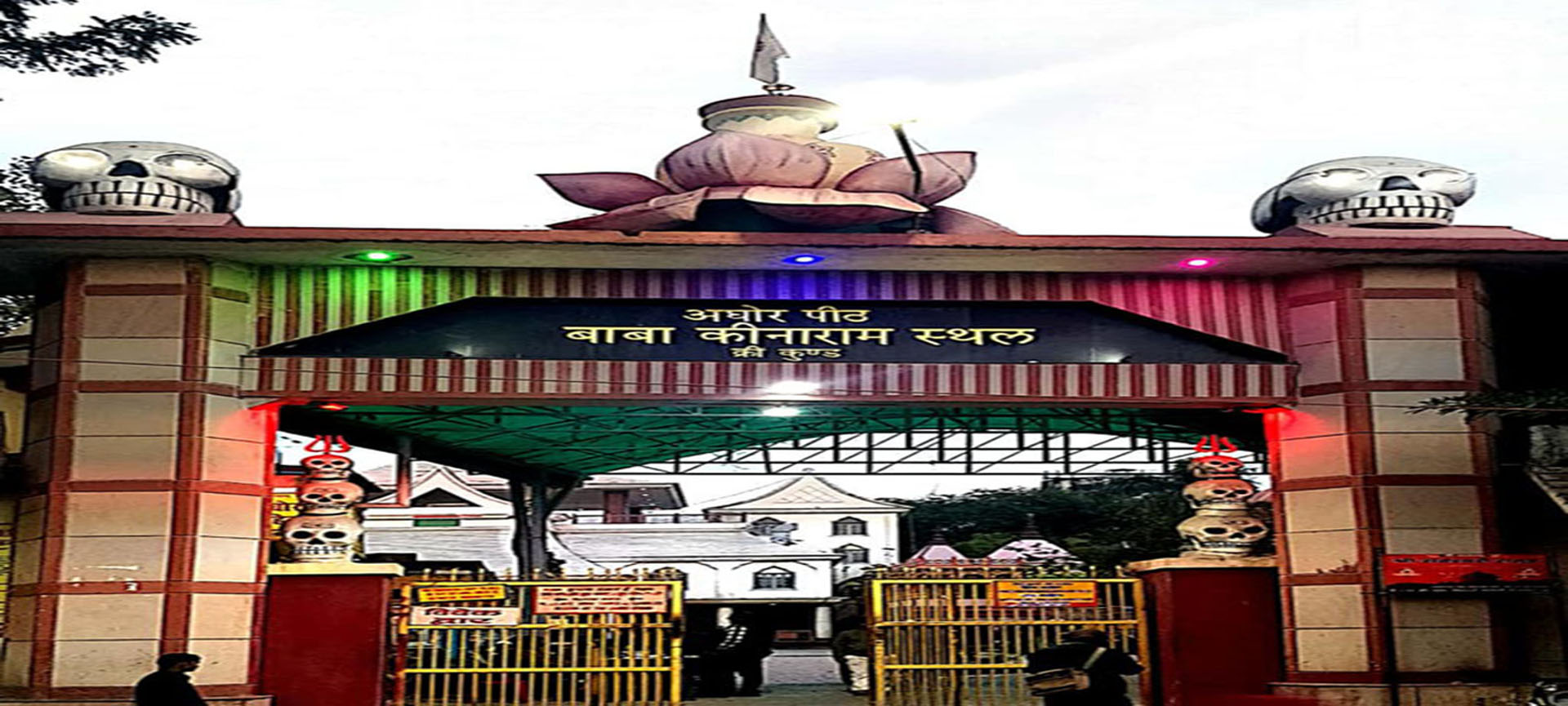
Baba Keenaram Ashram
Baba Keenaram Ashram in Varanasi is the spiritual epicenter of the Aghora tradition, established in the 16th century by Aghoracharya Baba Keenaram and revered as a sacred site d…

Bharat Mata Mandir
Bharat Mata Mandir in Varanasi is a unique nationalist temple housing a three-dimensional marble map of undivided India rather than traditional deity idols, inaugurated by Mahat…