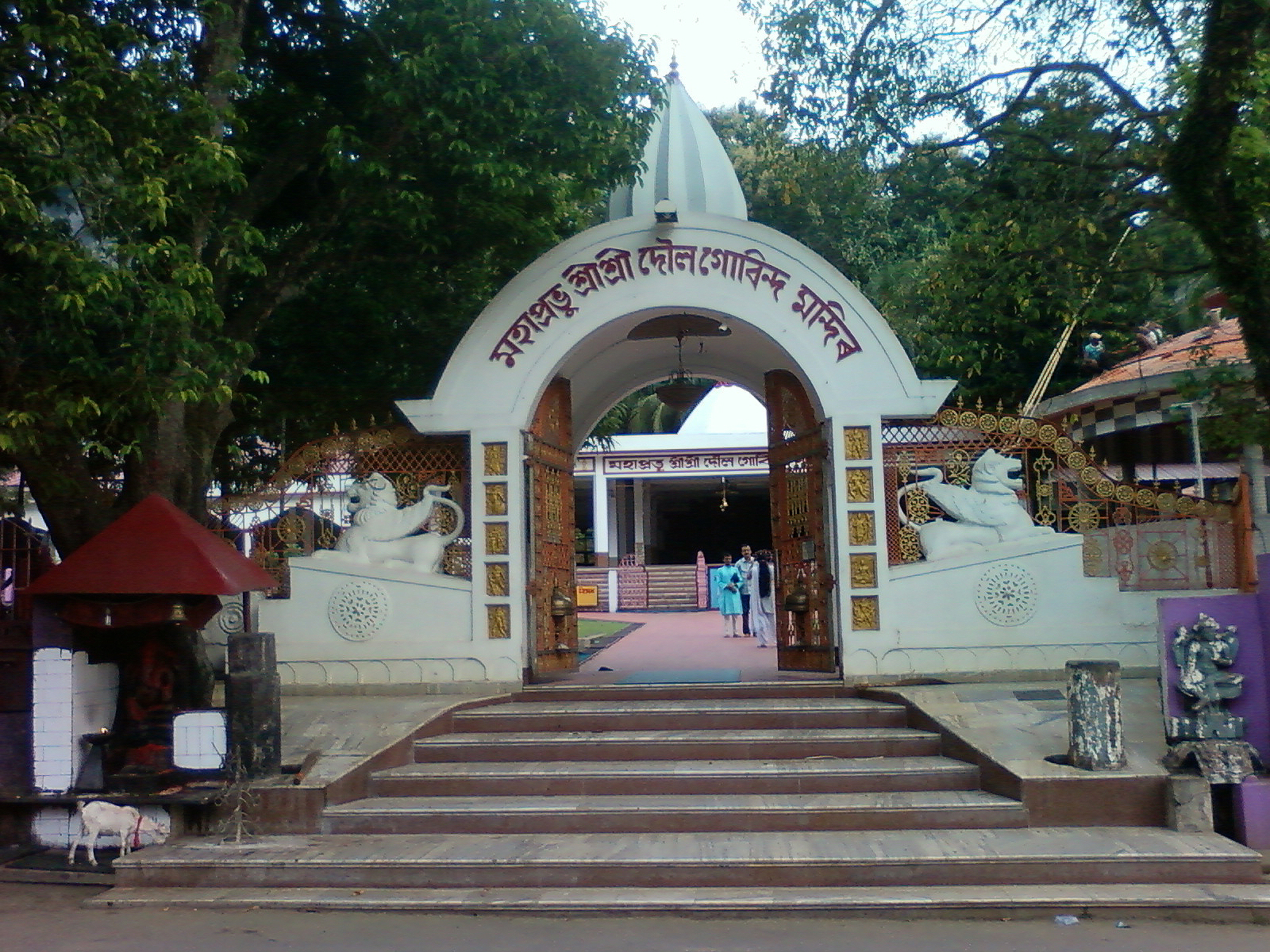
Vasudev Doul
About Vasudev Doul
The Brahmaputra's presence defines much of what makes a visit to Vasudev Doul distinctive. The temple's location on the river's northern banks offers access to the white sand beaches that emerge seasonally along the water's edge. During certain months, the river itself becomes part of the pilgrimage experience, with boat journeys available for those wishing to view the temple and its surroundings from the water.
The foothills of Chandra Bharati hill provide the temple's immediate backdrop, creating a landscape quite different from many other major Krishna temples in India. This geographical setting is worth considering when planning your visit, as it influences both accessibility and the character of the experience.
Visiting Year-Round
The temple remains open throughout the year without seasonal closures, making it accessible to devotees and visitors at any time. However, the months from November through April offer a distinctly enhanced experience. During this period, the Brahmaputra's water levels and conditions make river activities more feasible, and the white sand beaches become more prominent and accessible. The cooler weather of these months also makes walking and exploring the riverside more comfortable.
Outside this window, the monsoon and post-monsoon seasons bring different conditions to the region. Visitors planning trips during other months should be prepared for Assam's climate and river conditions, which may affect access to some of the riverside features that characterize the temple's setting.
The Namghar Within
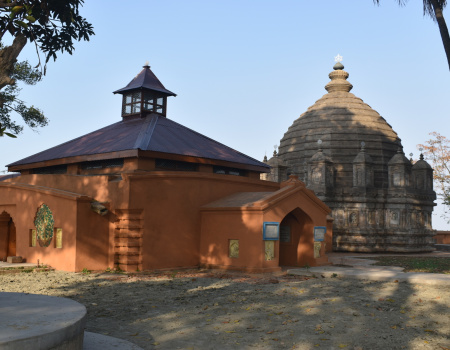
The presence of a Namghar alongside the main temple reflects Assamese Vaishnavite practice, where such prayer halls serve as spaces for congregational worship and community gathering. These structures are fundamental to the religious life of many Assamese communities. The integration of the Namghar within the temple premises suggests that Vasudev Doul functions not only as a shrine for individual darshan but also as a center for collective devotional practice.
Visitors should be aware that activities within the Namghar may follow schedules and practices specific to Assamese traditions. Respectful observation of any ongoing prayers or gatherings is expected.
Practical Information for Visitors
The temple's address at Rajaduar, North Guwahati, places it within the city's geography. The coordinates 26.20677222222222, 91.74170555555555 can assist those using GPS navigation. As the temple is open all day year-round, there are no specific darshan hours to restrict your visit, though it is wise to inquire locally about any particular times when rituals or prayers are conducted.
Modest dress is appropriate when visiting Krishna temples. Footwear should be removed before entering the main shrine, following standard temple practice. Photography policies may vary; it is courteous to ask before photographing the deity or the Namghar. The riverside location means the ground may be uneven or sandy in places, so appropriate footwear for walking to and from the temple is advisable.
Getting There
North Guwahati is accessible by road, rail, and air via Guwahati, which lies across the Brahmaputra. From Guwahati's main areas, reaching Rajaduar on the northern bank requires crossing the river. Local transportation, including buses and taxis, serves this route. Those arriving by train or air should plan their onward journey to North Guwahati accordingly. The riverside location means that directions from the main city center should be confirmed locally, as the temple's position on the foothills may not be immediately obvious from major roads.
How to reach
Temples near Vasudev Doul
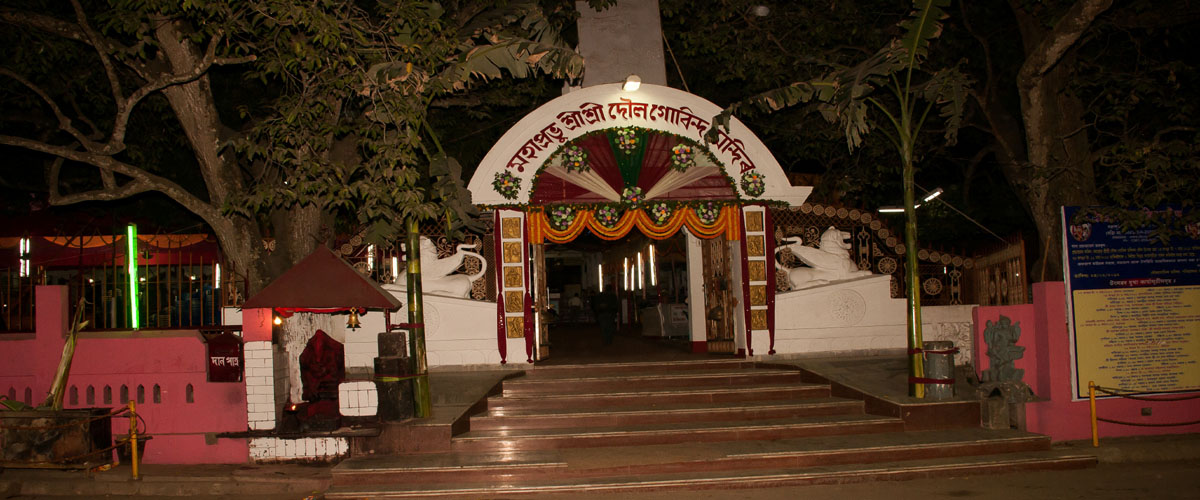
Doul Govinda Temple
Doul Govinda Temple is a revered Krishna shrine situated on the northern banks of the Brahmaputra River at Rajaduar in North Guwahati, Assam, with historical references dating b…
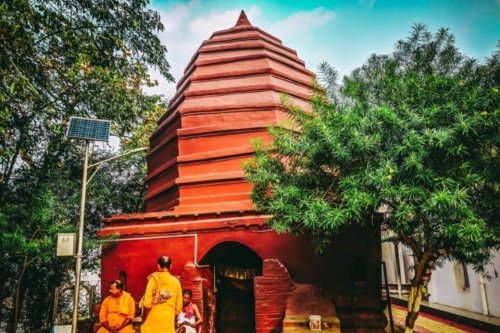
Umananda Mandir
Umananda Mandir is a historic Shiva temple situated on Peacock Island in the Brahmaputra River at Guwahati, Assam, reputedly located on the world's smallest inhabited river island.

Rudreswar Temple
The Rudreswar Temple, dedicated to Lord Shiva, stands on the northern bank of the Brahmaputra River in North Guwahati. Built in 1749 by Ahom king Pramatta Singha as a memorial t…
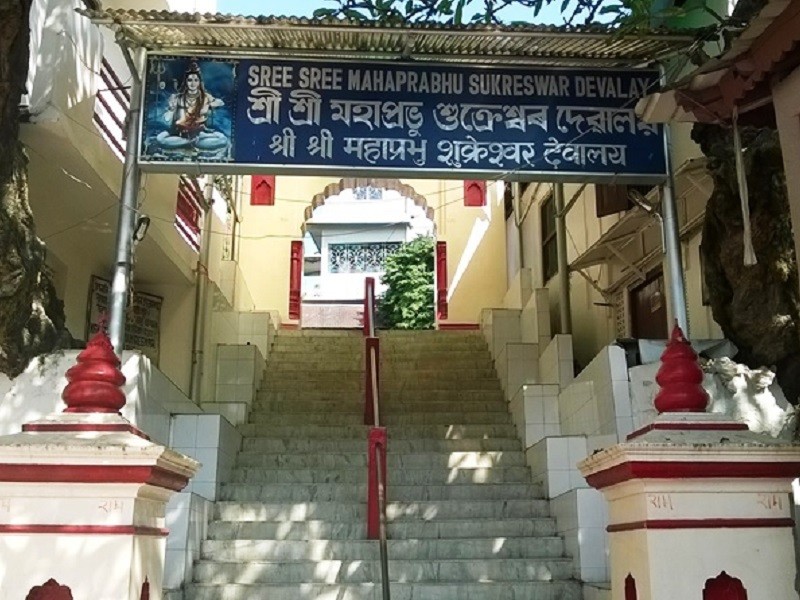
Sukreshwar Mandir
Sukreshwar Mandir is an ancient Shiva temple established in 1744 atop Sukreswar Hill in Guwahati, Assam, renowned for housing one of India's largest Shiva Lingas and serving as…
Aswakranta temple
Aswakranta Temple is an ancient Hindu shrine on the banks of the Brahmaputra River in North Guwahati, Assam, built by Ahom King Shiva Singha in 1720 and housing sacred images of…

Navagraha Mandir, Guwahati
Navagraha Mandir is an ancient hilltop temple in Guwahati, Assam, housing sacred lingams representing the nine celestial bodies of Vedic astrology—Surya, Chandra, Mangala, Rahu,…