
Rudreswar Temple
About Rudreswar Temple
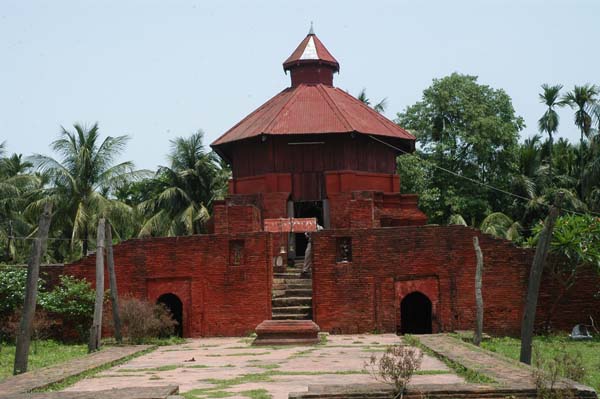
The Rudreswar Temple exemplifies a mixed style of Ahom-Mughal architecture, a distinctive approach that emerged during the period of Ahom rule in Assam. Rather than adhering to a single architectural tradition, the temple incorporates elements from both the local Ahom building practices and Mughal design principles, reflecting the cultural interactions of 18th-century Assam.
This architectural synthesis is visible in the temple's structure, though the sources do not detail specific architectural features. The blending of styles represents an important moment in Assamese temple construction, when regional and external influences combined to create forms unique to the region.
Daily Darshan and Evening Worship
The temple opens daily from 6:00 AM to 7:00 PM, allowing devotees to visit throughout the day. An evening aarti is performed, a ritual of worship involving the offering of light to the deity. Early morning and late evening are recommended times to visit, as these hours offer respite from the heat and provide a more serene atmosphere for worship and reflection.
Visitors should plan their visit according to these timings and be prepared for the climate of North Guwahati. The riverside setting, while spiritually significant, means the temple experiences the heat and humidity typical of the region during much of the year.
Visiting the Temple: Practical Information
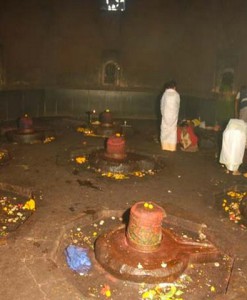
The temple is located in Rudreswar village under Sila Sindhurighopa Mouza, accessible by the coordinates 26.209438888889, 91.724561111111. Visitors approaching a Shiva temple should observe customary practices: remove footwear before entering the sanctum, maintain respectful conduct, and dress modestly. Many temples of this tradition appreciate offerings of flowers, water, or other items of worship, though specific practices at Rudreswar should be confirmed locally.
The riverside location means visitors should be prepared for the terrain and weather conditions of the Brahmaputra's banks. No information is available regarding facilities such as parking, accommodation, or refreshment services, so visitors should plan accordingly and make local inquiries before arrival.
Historical Significance
Built nearly three centuries ago, Rudreswar Temple represents an important phase in Assamese religious architecture and royal patronage. The Ahom dynasty's commissioning of temples was a significant expression of both devotion and political authority. The temple's dedication to Shiva, one of Hinduism's principal deities, places it within a broader tradition of Shaivite worship that extends across India.
The temple's survival and continued use as an active place of worship testify to its enduring importance in the religious life of the region. Its 18th-century origins make it a historical landmark as well as a spiritual center.
Getting There
The temple is situated in North Guwahati, Assam's second-largest city, located on the northern bank of the Brahmaputra River. North Guwahati is accessible by road, rail, and air, with connections to Guwahati, the state capital, across the river. Visitors should use the provided coordinates or local directions to locate Rudreswar village. The exact distance from North Guwahati city center and available transportation options should be confirmed with local sources before planning a visit.
How to reach


Temples near Rudreswar Temple
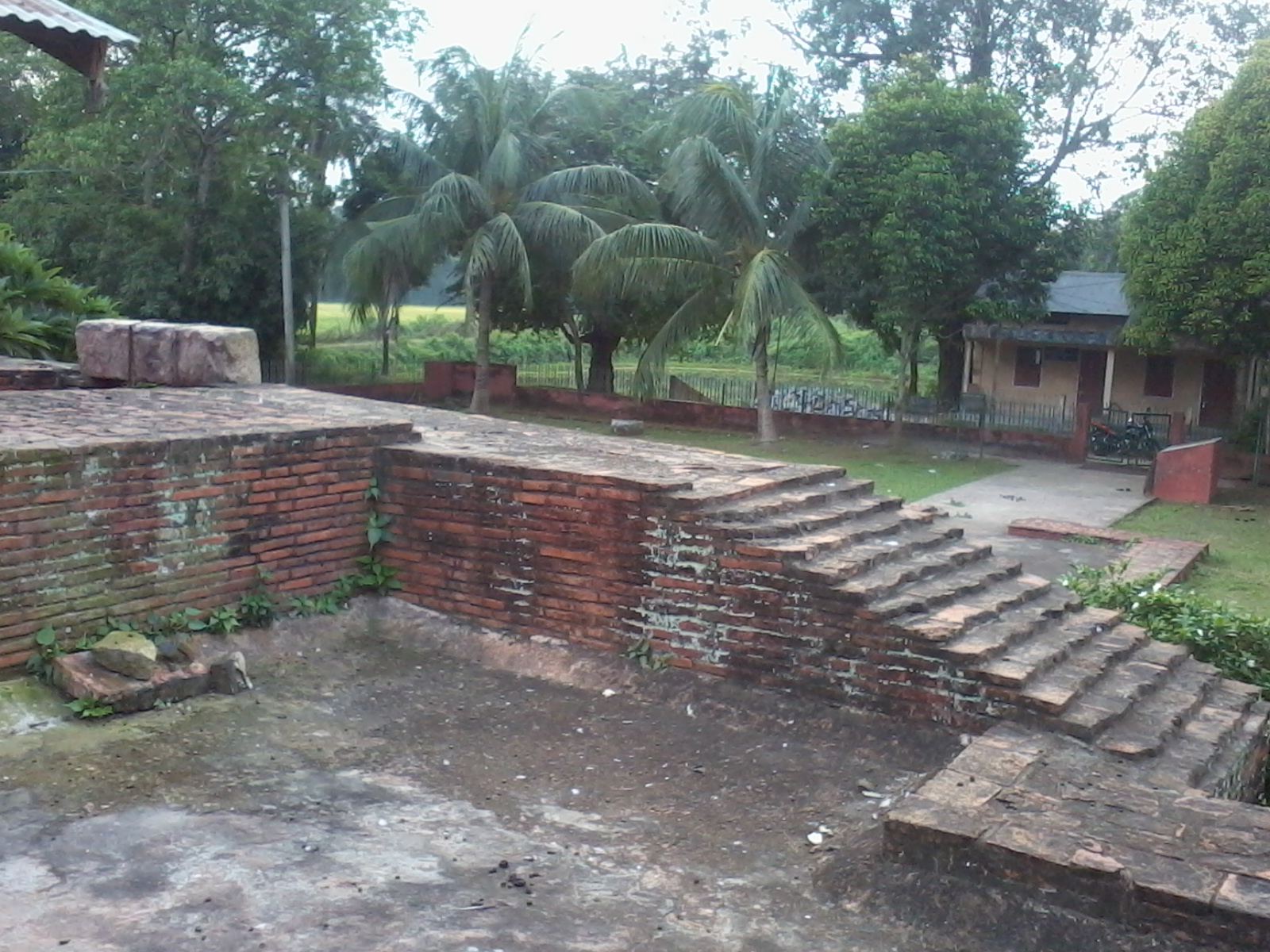
Vasudev Doul
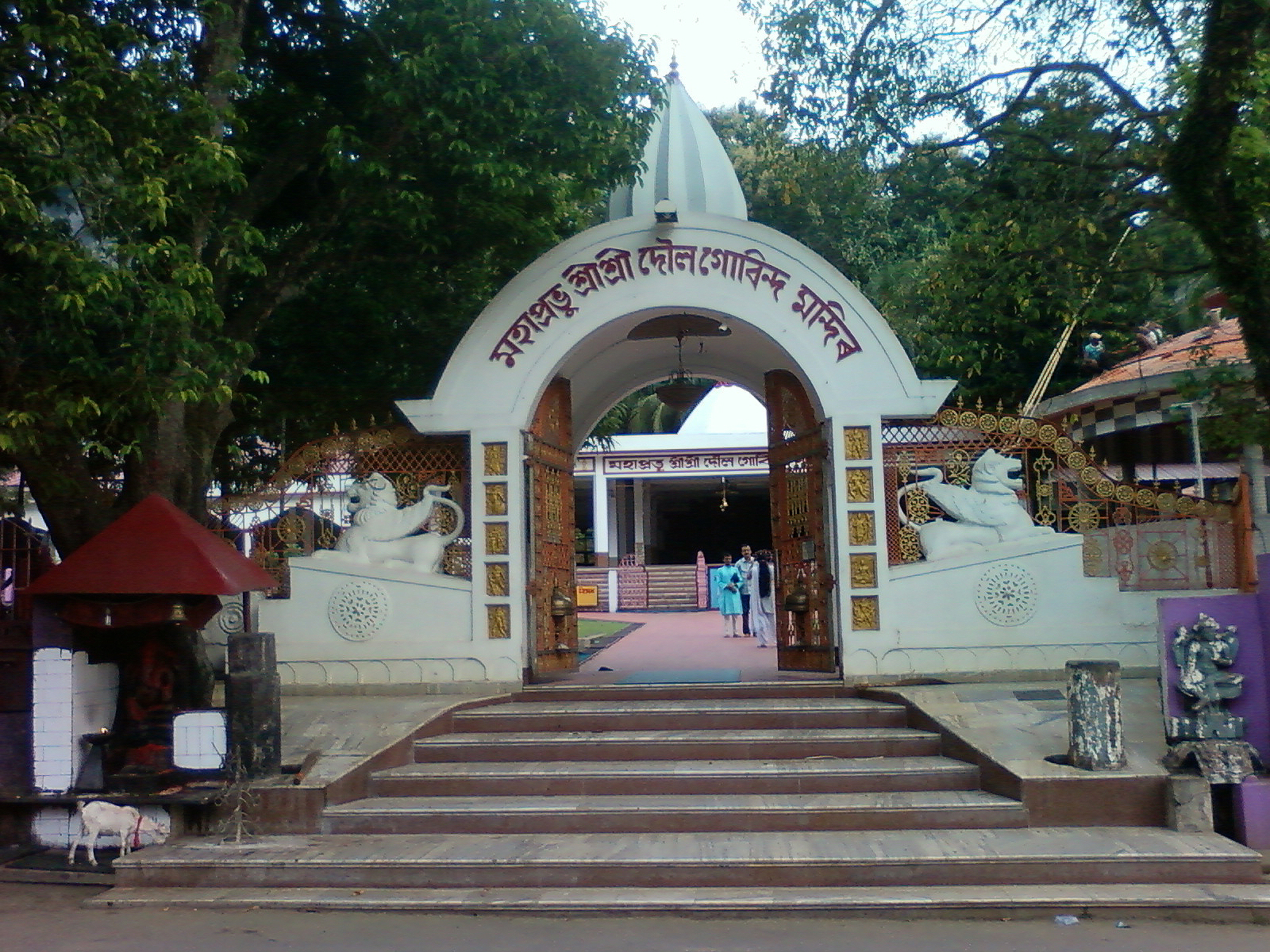
Doul Govinda Temple is an important Krishna shrine in Kamrup, Assam, situated on the northern banks of the Brahmaputra River at Rajaduar, North Guwahati, featuring a Namghar wit…
Doul Govinda Temple
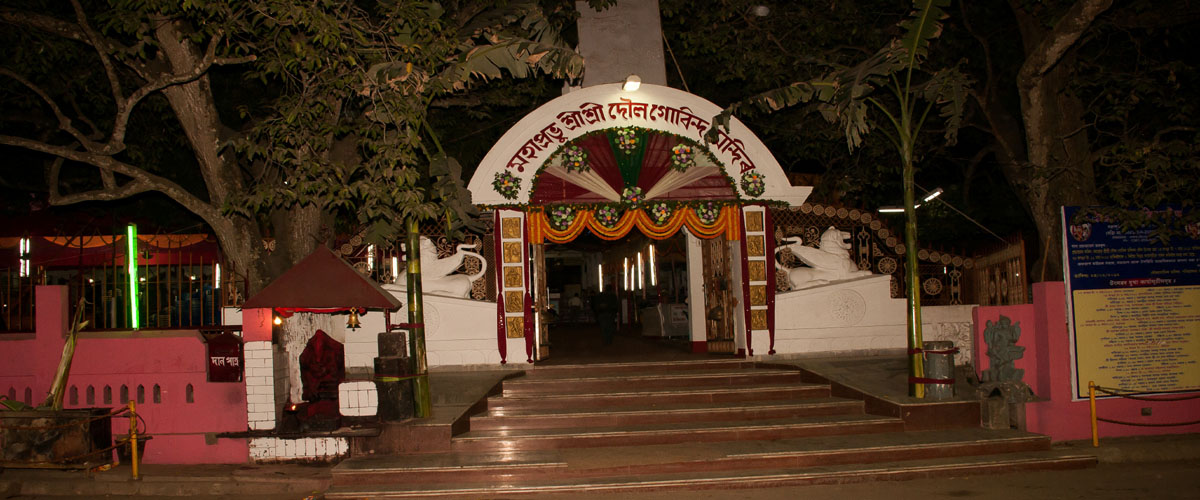
Doul Govinda Temple is a revered Krishna shrine situated on the northern banks of the Brahmaputra River at Rajaduar in North Guwahati, Assam, with historical references dating b…
Umananda Mandir
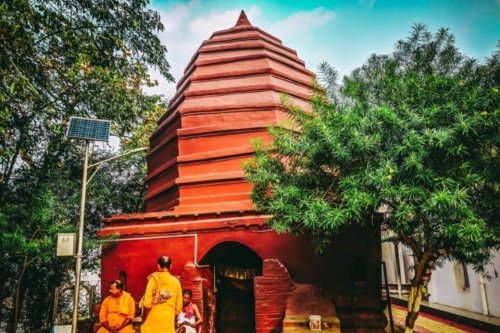
Umananda Mandir is a historic Shiva temple situated on Peacock Island in the Brahmaputra River at Guwahati, Assam, reputedly located on the world's smallest inhabited river island.
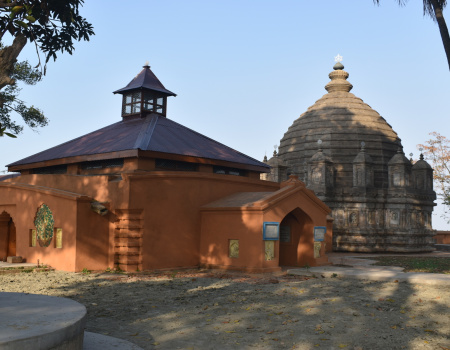
Aswakranta temple
Aswakranta Temple is an ancient Hindu shrine on the banks of the Brahmaputra River in North Guwahati, Assam, built by Ahom King Shiva Singha in 1720 and housing sacred images of…
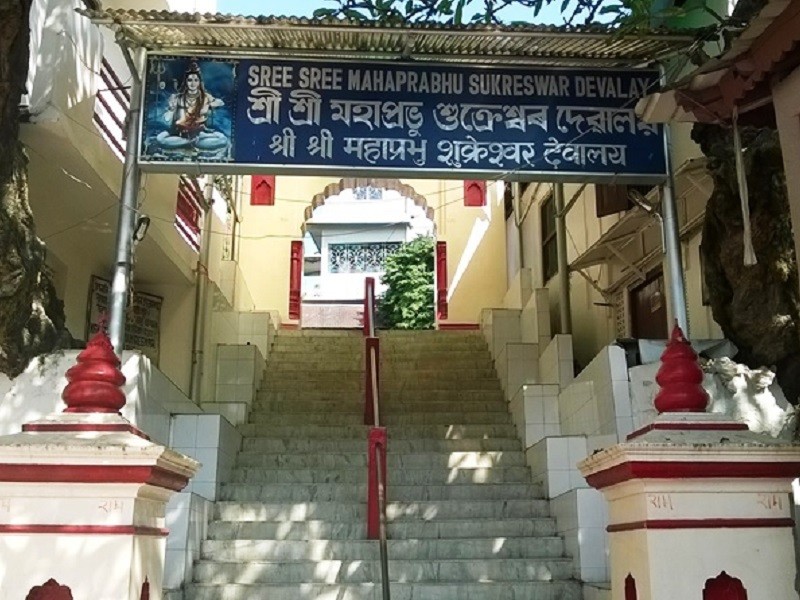
Sukreshwar Mandir
Sukreshwar Mandir is an ancient Shiva temple established in 1744 atop Sukreswar Hill in Guwahati, Assam, renowned for housing one of India's largest Shiva Lingas and serving as…
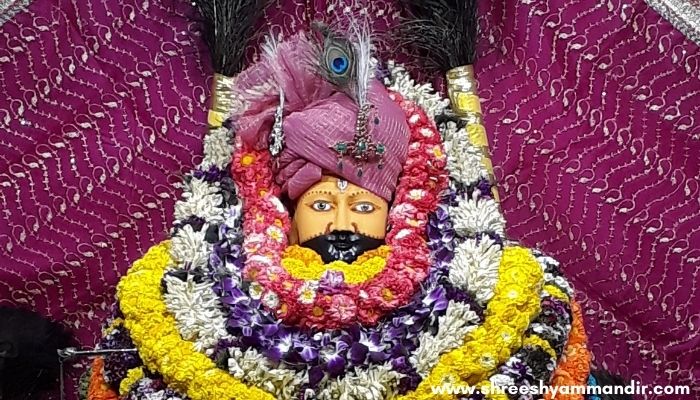
Shree Shyam Mandir, Guwahati
Shree Shyam Mandir in Guwahati's Chatribari district is a community-built temple dedicated to Khatushyamji (Shyam Baba) with multiple shrines to other deities. Established in 20…