
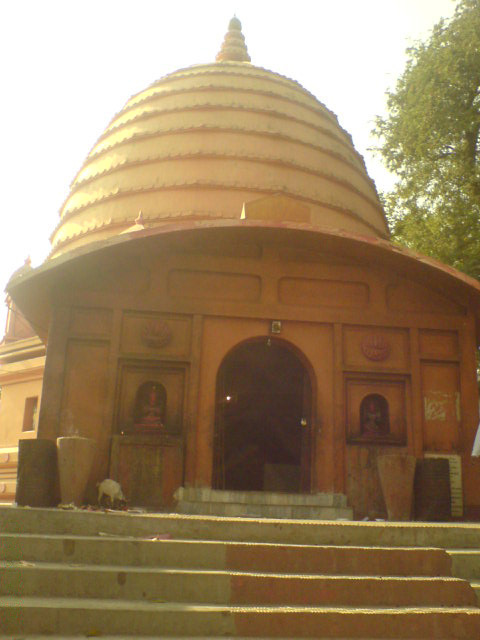
Navagraha Mandir, Guwahati
About Navagraha Mandir, Guwahati
The temple was established in the 18th century, placing it among the older religious structures in Guwahati. It occupies Chitrachal Hills, a location that provides both spiritual significance and a physical elevation that requires visitors to undertake a modest climb. The hilltop setting is typical of many Hindu temples, where elevated terrain has traditionally been associated with proximity to the divine.
The specific architectural details and construction history beyond the 18th-century founding are not extensively documented in available sources, but the temple's longevity and continued use suggest its importance to the local and regional devotional community.
Darshan and Daily Worship
The temple operates on a two-session schedule designed to accommodate different visiting patterns. Morning darshan runs from 06:00 to 12:00, and evening darshan from 16:00 to 21:00. Both sessions include aartis—ritual offerings of light and prayers—though the exact timing of these ceremonies may vary seasonally or during festival periods. Visitors should confirm current timings before arrival, as temple schedules can shift.
In Hindu practice, the morning hours are traditionally considered most auspicious for temple visits and darshan. The two-session structure allows those with work or family commitments to participate in worship at times that suit their schedules. Devotees performing specific planetary pujas or seeking astrological remedies often time their visits according to astrological guidance or the recommendations of practitioners familiar with Vedic calculations.
Visiting Practicalities
Best Time to Visit: October through March offers the most comfortable conditions for a temple visit. During these months, Guwahati's weather is cooler, making both the climb to the hilltop and time spent in darshan more pleasant. The monsoon season and summer heat are less favourable for the journey.
Dress and Conduct: Visitors should dress modestly, covering shoulders and knees, following standard practice observed in Hindu temples. Footwear must be removed before entering the sanctum. Photography policies vary; it is respectful to ask permission before taking photographs within the temple.
Physical Considerations: The hilltop location requires reasonable physical fitness. Wear comfortable walking shoes suitable for climbing, and bring water, particularly during warmer months. The ascent is manageable for most visitors but should be considered when planning your visit.
Practical Arrangements: Visitors planning to perform pujas or seek specific rituals should inquire in advance about availability and procedures. Temple staff can provide guidance on astrological remedies and the appropriate rituals for addressing particular planetary concerns.
Location and Access
The temple is situated at Chitrachal Hills in Guwahati, Assam, at coordinates 26.1909°N, 91.7652°E. Guwahati, the largest city in Assam, is well-connected by road, rail, and air. The specific route from the city centre to the temple and local transport options are best confirmed with current local resources or the temple directly, as infrastructure and access routes may change.
Astrological Significance
Many visitors come to Navagraha Mandir seeking remedies for astrological concerns or to perform pujas related to planetary positions in their natal charts. The temple's focus on the nine grahas makes it a natural destination for those following Vedic astrological practices. Devotees may visit to address challenges associated with particular planets, to seek blessings during auspicious planetary transits, or simply to pay respects to these cosmic forces as part of their spiritual practice.
How to reach
Temples near Navagraha Mandir, Guwahati

Nepali Mandir
Nepali Mandir in Guwahati is a 19th-century Shiva temple built by Nepali kings as a replica of the Pashupatinath Temple in Kathmandu, constructed with traditional terracotta, st…
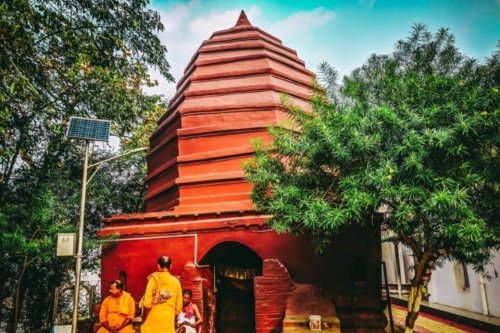
Umananda Mandir
Umananda Mandir is a historic Shiva temple situated on Peacock Island in the Brahmaputra River at Guwahati, Assam, reputedly located on the world's smallest inhabited river island.
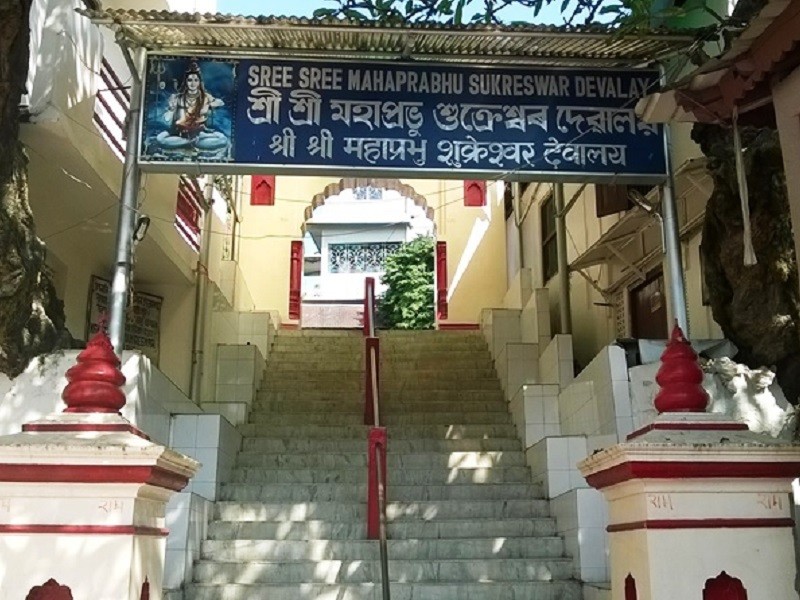
Sukreshwar Mandir
Sukreshwar Mandir is an ancient Shiva temple established in 1744 atop Sukreswar Hill in Guwahati, Assam, renowned for housing one of India's largest Shiva Lingas and serving as…

Shree Shyam Mandir, Guwahati
Shree Shyam Mandir in Guwahati's Chatribari district is a community-built temple dedicated to Khatushyamji (Shyam Baba) with multiple shrines to other deities. Established in 20…
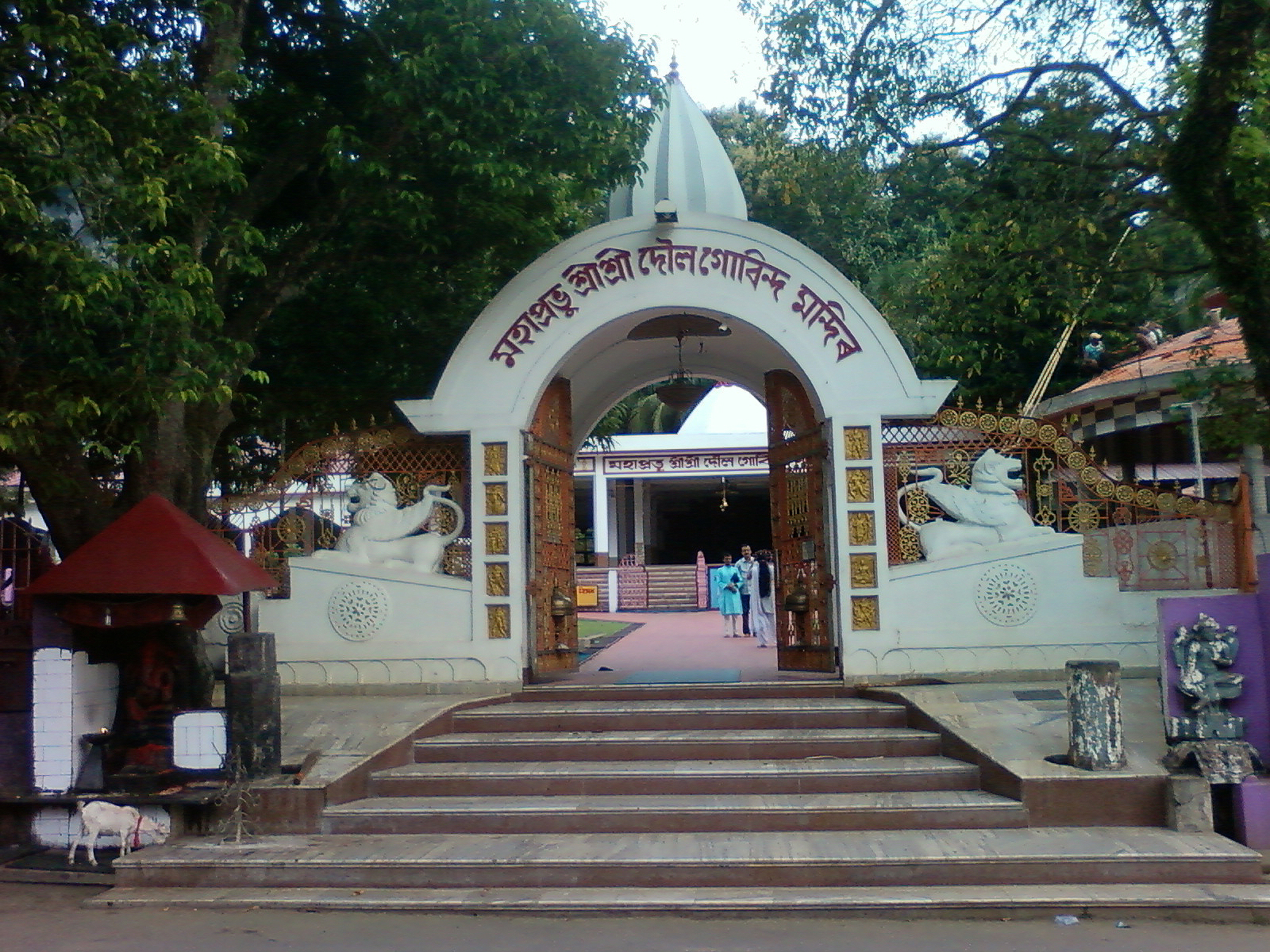
Vasudev Doul
Doul Govinda Temple is an important Krishna shrine in Kamrup, Assam, situated on the northern banks of the Brahmaputra River at Rajaduar, North Guwahati, featuring a Namghar wit…
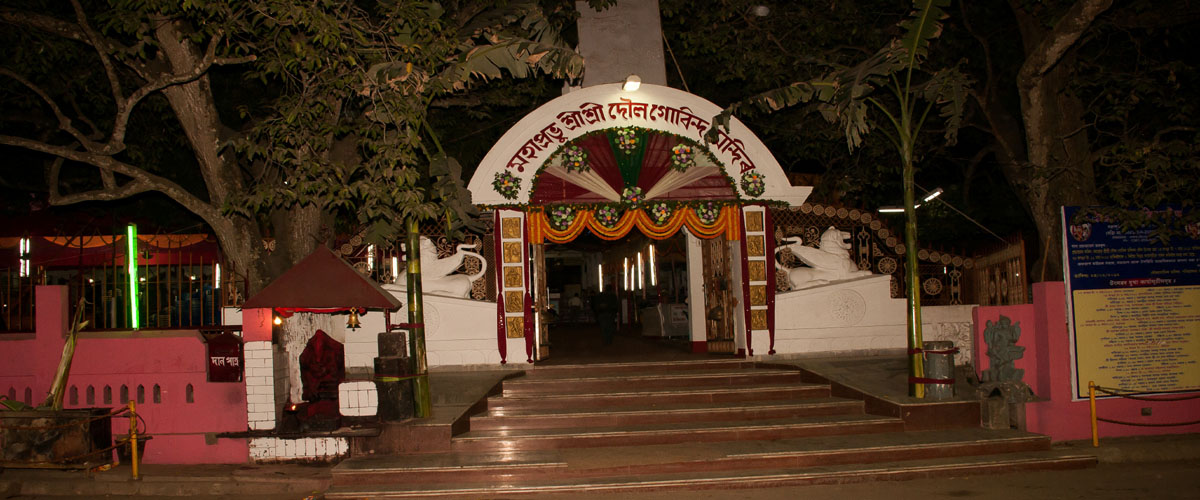
Doul Govinda Temple
Doul Govinda Temple is a revered Krishna shrine situated on the northern banks of the Brahmaputra River at Rajaduar in North Guwahati, Assam, with historical references dating b…