Aswakranta temple
About Aswakranta temple
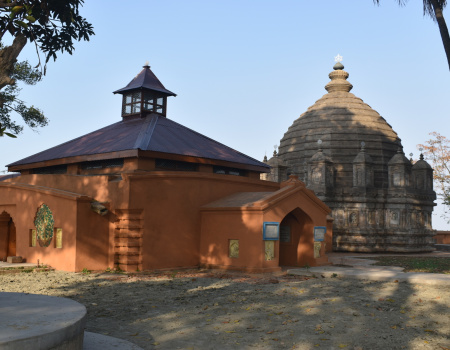
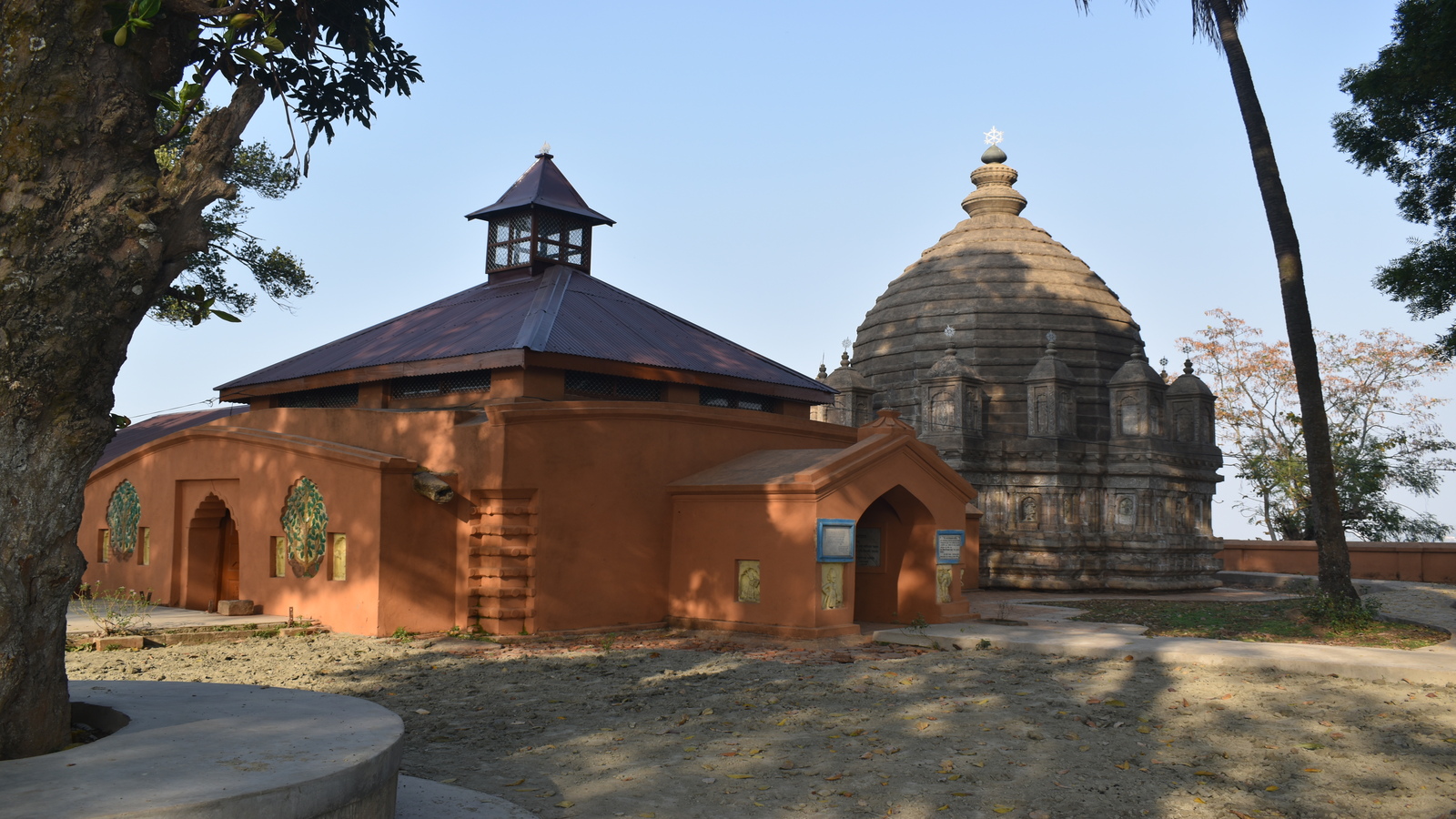
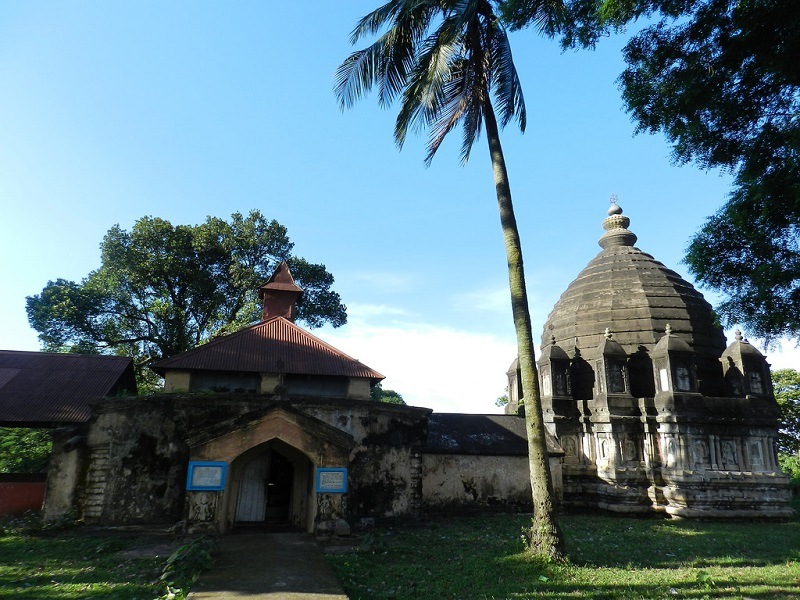
The temple displays features characteristic of Ahom architectural traditions, the dominant architectural style that shaped religious and secular buildings across Assam during the medieval and early modern periods. Elements of 11th-century artistic vocabulary are evident in the temple's design, suggesting that its builders drew upon or preserved older aesthetic principles even as they constructed the structure in the 18th century.
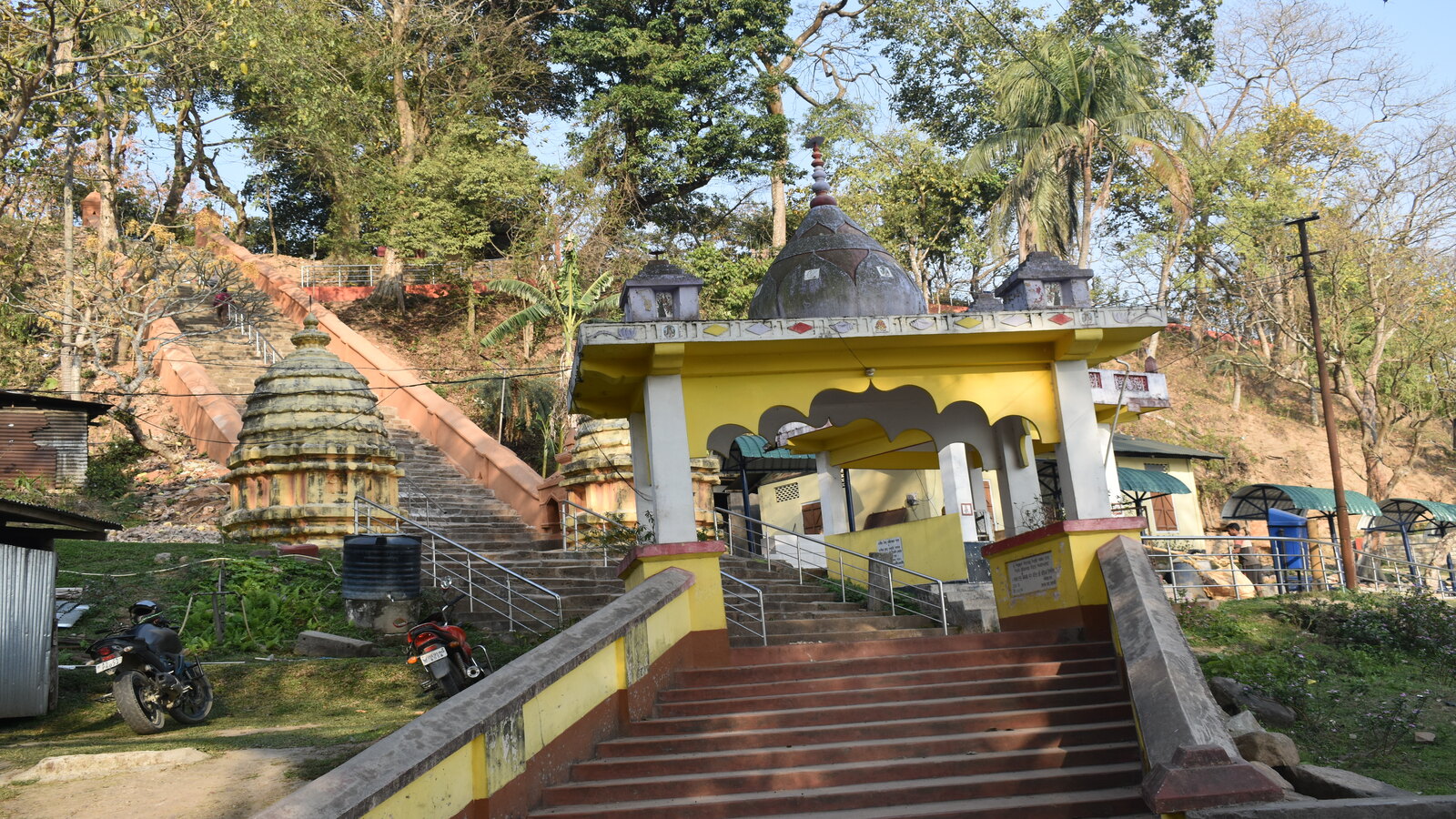
The riverside setting contributes to the temple's physical and spiritual character. Temples positioned along the Brahmaputra benefit from the river's accessibility for ritual bathing and its role as a natural gathering place for devotees undertaking pilgrimage in the region.
Daily Darshan and Worship
The temple opens for darshan from 7:00 AM to 5:00 PM, allowing devotees to visit throughout the day. Darshan—the viewing of the deity—forms the core of worship practice at Hindu temples, and visitors should plan their visit within these hours. The temple likely follows daily ritual cycles common to Vishnu temples, though specific details of the daily puja schedule are not documented in available sources.
Visitors wishing to participate in or observe worship should arrive with appropriate expectations about temple etiquette. Standard practice at Hindu temples typically includes removing footwear before entering the sanctum, maintaining respectful silence, and following any instructions from temple staff regarding photography or ritual participation.
Visiting Information
The temple's address is North Guwahati, Kamrup District, Assam, located at coordinates 26.186887, 91.723977. Those traveling to the temple should note that North Guwahati is accessible by road and rail, with connections to major cities in Assam and neighboring regions. The Brahmaputra riverside location may offer scenic approaches to the temple, though visitors should confirm current road conditions and access routes before traveling.
Modest dress is customary when visiting Hindu temples; clothing that covers shoulders and knees shows respect for the sacred space. Women may wish to carry a dupatta or scarf for additional coverage if desired. The temple does not appear to offer extensive on-site facilities based on available information, so visitors should plan accordingly for refreshment and rest.
Pilgrimage Context
Aswakranta Temple functions as part of Assam's broader pilgrimage landscape, drawing devotees who undertake journeys to multiple sacred sites across the region. The Brahmaputra valley has long served as a pilgrimage corridor, with temples and sacred sites distributed along and near the river. Visitors to North Guwahati often combine visits to multiple temples and sacred locations in the area as part of their spiritual journey.
The temple's position within this network of pilgrimage sites makes it a natural stop for those exploring the religious geography of Assam. Pilgrims typically spend time in darshan, offer prayers according to their personal practice, and may participate in any public rituals occurring during their visit.
Planning Your Visit
Before traveling to Aswakranta Temple, confirm current darshan timings, as these may vary seasonally or during festivals. The temple's exact facilities—such as parking, drinking water, or rest areas—should be verified with local sources or the temple directly. North Guwahati's climate is warm and humid, particularly during monsoon months; visitors should dress and prepare accordingly.
The temple welcomes pilgrims and visitors throughout the year. Those interested in observing specific rituals or festivals should inquire locally about the temple's observance calendar, as major Hindu festivals typically bring increased activity and special worship at temples dedicated to Vishnu.
How to reach
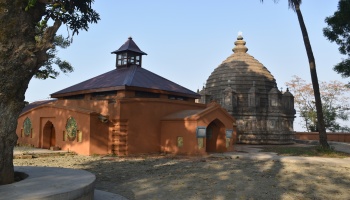
Temples near Aswakranta temple
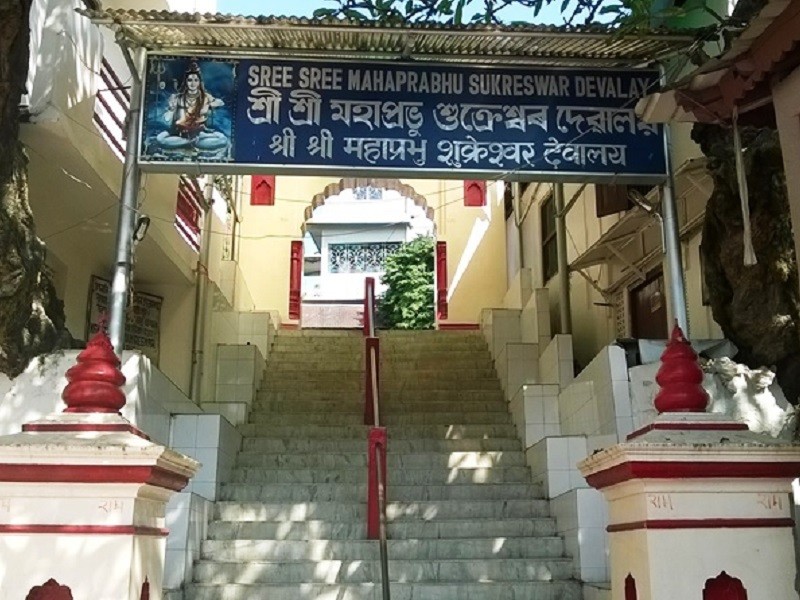
Sukreshwar Mandir
Sukreshwar Mandir is an ancient Shiva temple established in 1744 atop Sukreswar Hill in Guwahati, Assam, renowned for housing one of India's largest Shiva Lingas and serving as…
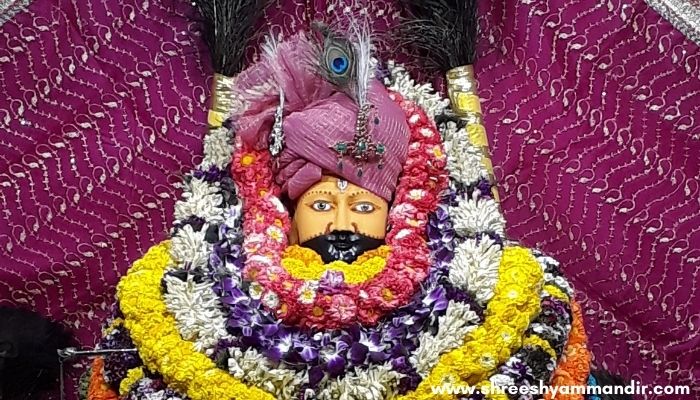
Shree Shyam Mandir, Guwahati
Shree Shyam Mandir in Guwahati's Chatribari district is a community-built temple dedicated to Khatushyamji (Shyam Baba) with multiple shrines to other deities. Established in 20…
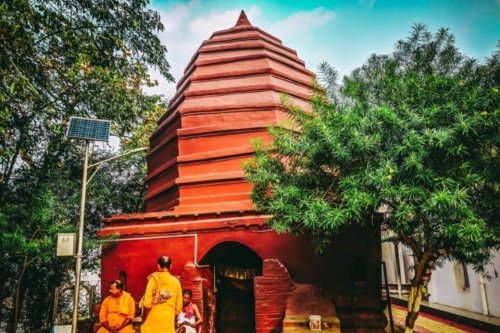
Umananda Mandir
Umananda Mandir is a historic Shiva temple situated on Peacock Island in the Brahmaputra River at Guwahati, Assam, reputedly located on the world's smallest inhabited river island.

Rudreswar Temple
The Rudreswar Temple, dedicated to Lord Shiva, stands on the northern bank of the Brahmaputra River in North Guwahati. Built in 1749 by Ahom king Pramatta Singha as a memorial t…

Maa Bagala
Maa Bagala is one of the principal Shakti Peethas enshrined within the Maa Kamakhya temple complex on Nilachal Hill in Guwahati, representing the fierce aspect of the divine fem…
Nepali Mandir
Nepali Mandir in Guwahati is a 19th-century Shiva temple built by Nepali kings as a replica of the Pashupatinath Temple in Kathmandu, constructed with traditional terracotta, st…