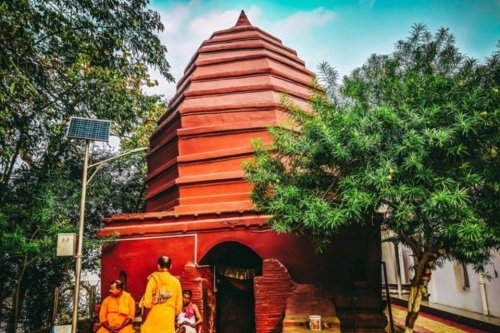
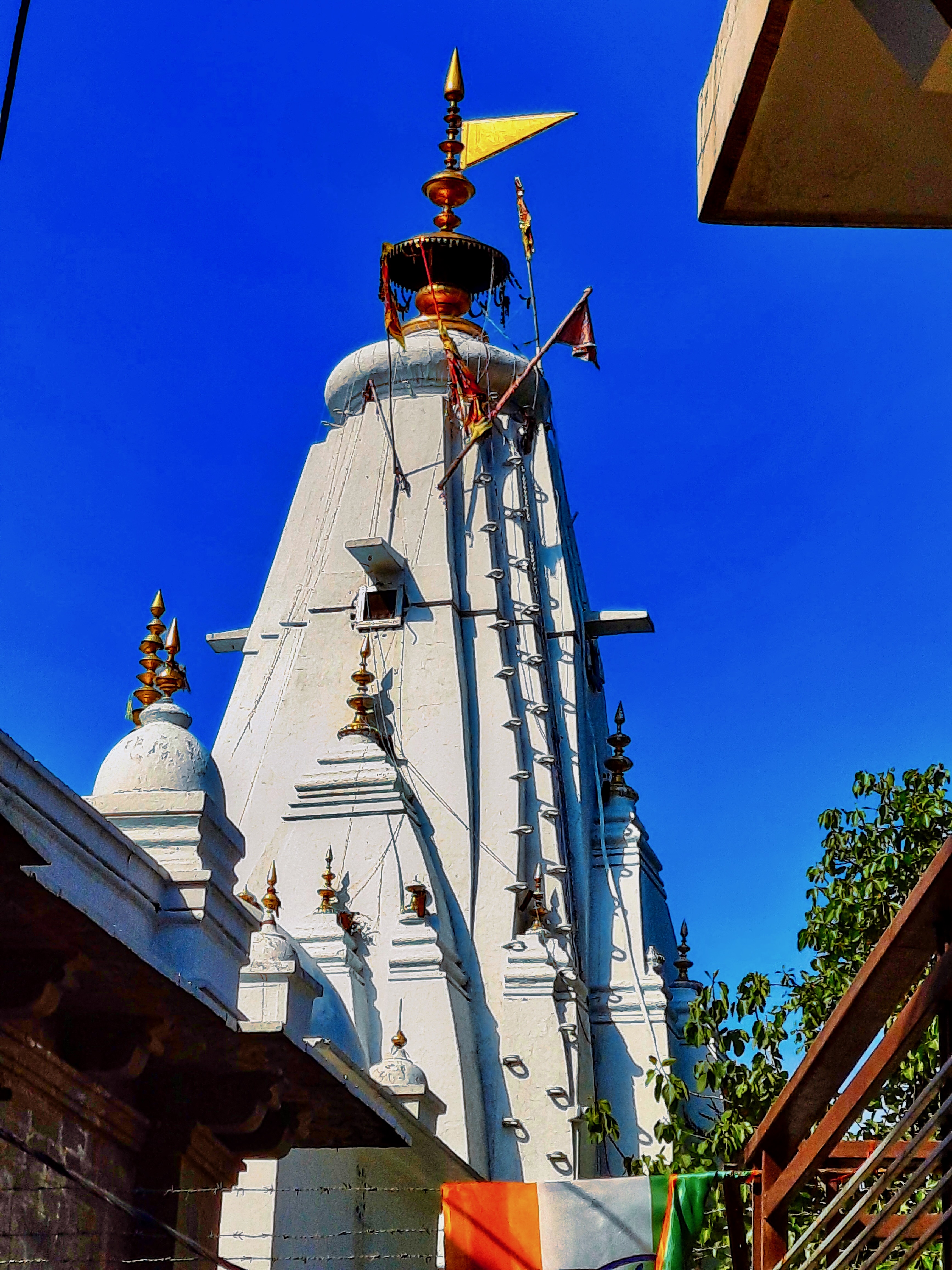
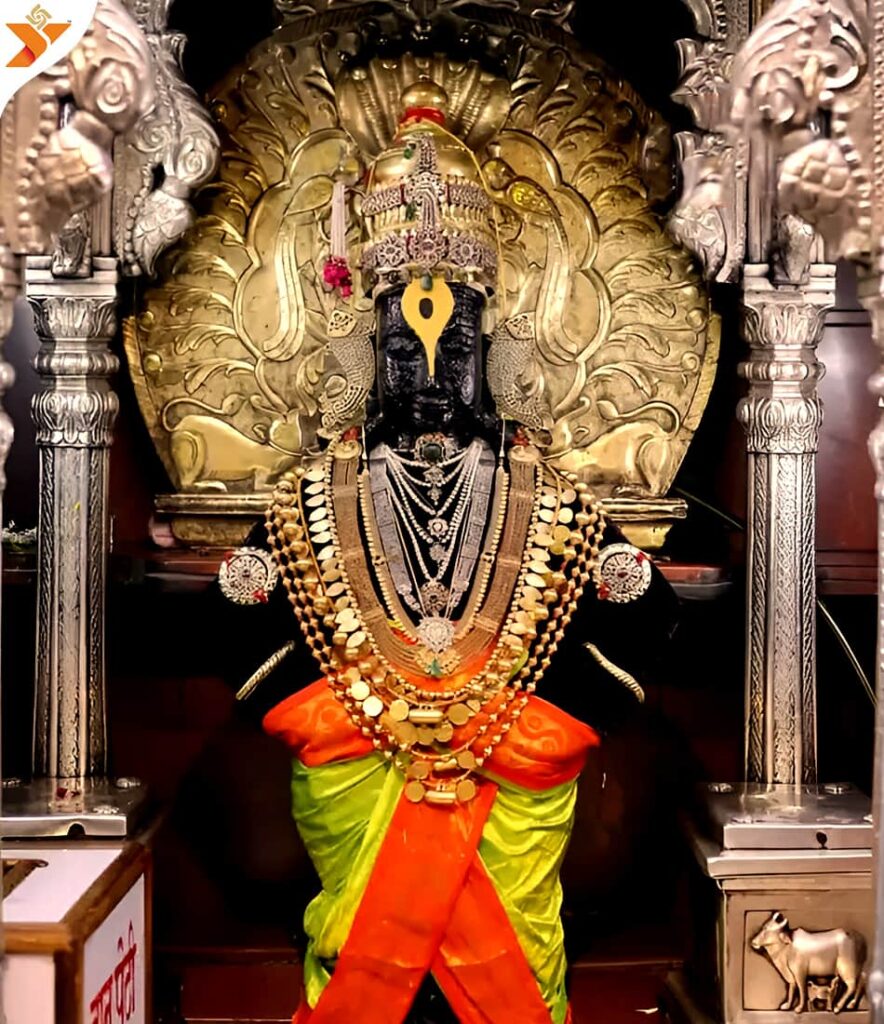
Umananda Mandir
About Umananda Mandir
The temple opens for darshan twice daily: from 6:00 AM to 12:00 PM in the morning, and from 4:00 PM to 9:00 PM in the evening. The evening aarti takes place at 7:00 PM. These timings are indicative and may vary with festivals and seasonal changes; visitors should confirm exact times with the temple office before arrival, particularly if planning to attend specific rituals.
The ferry crossing requires additional time beyond the darshan hours themselves. Visitors are advised to allow extra time for the ferry journey, especially during peak darshan periods when crossing traffic may be heavier. Planning your visit with this buffer ensures a less hurried experience.
Visitor Conduct and Facilities
The temple maintains a traditional dress code requiring covered shoulders and modest attire, reflecting the sacred nature of the space. Footwear must be removed before entering the sanctum; shoe stands and cloak rooms are available near the main entrance for visitor convenience. Devotees are expected to approach the shrine with the respectful demeanor appropriate to a place of worship.
The island's natural setting encourages a contemplative frame of mind. Visitors should dress appropriately for the weather and the ferry crossing, particularly during monsoon season or summer months when conditions can be uncomfortable.
Festivals and Celebrations
The temple observes several major festivals throughout the year, during which it receives increased numbers of devotees and is decorated elaborately. Karwa Chauth, Kartik Purnima, Raksha Bandhan, Holi, Guru Purnima, and Akshaya Tritiya are celebrated with special observances. Kartik Purnima holds particular significance at river temples, coinciding with Dev Deepawali when ghats are traditionally lit with lamps. Festival dates follow the lunar calendar and vary from year to year.
During festival periods, the temple becomes notably busier. Devotees planning to visit during a specific festival should confirm the exact date with the temple office before making travel arrangements, as celebrations may extend across multiple days or shift in timing.
Best Time to Visit
The optimal season for visiting Umananda Mandir extends from October through March. During these months, the weather in Guwahati is cooler and more comfortable for the ferry crossing and temple visit. The monsoon season and summer heat make travel to the island less pleasant, and the cooler months allow for a more leisurely pilgrimage experience. Plan your visit accordingly if you have flexibility in timing.
How to Reach the Temple
Umananda Mandir is located at Peacock Island, Brahmaputra River, Guwahati, Assam, at coordinates 26.196582°N, 91.7451415°E. Access to the island is by ferry only; there is no road connection. Visitors arriving in Guwahati by air, rail, or road should arrange transport to the ferry ghat.
The temple office can be reached at +91 92203 52244 for directions to the ferry departure point and assistance with access arrangements. Staff can provide specific directions or help with planning your visit. Enter the coordinates into mapping applications for navigation to the ferry point if you prefer independent travel. Allow extra time for the crossing when planning your visit, particularly during peak darshan hours.
How to reach
Temples near Umananda Mandir
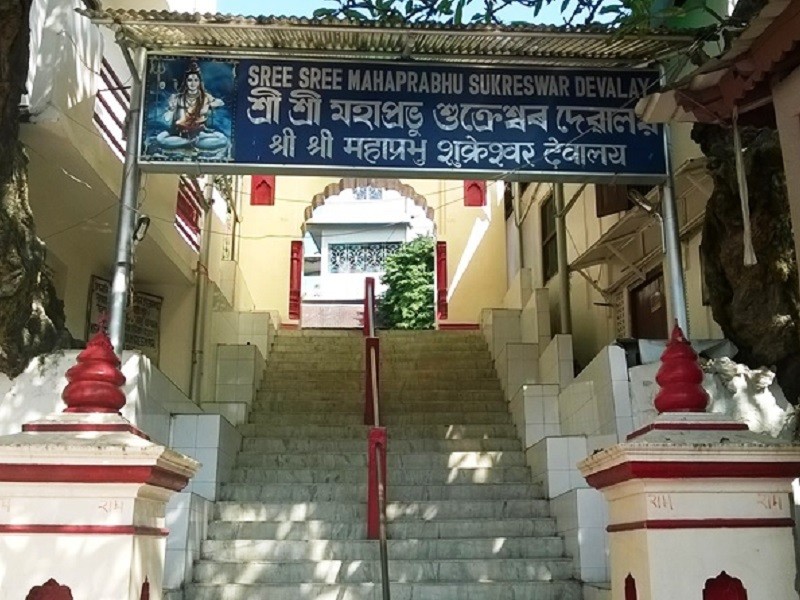
Sukreshwar Mandir
Sukreshwar Mandir is an ancient Shiva temple established in 1744 atop Sukreswar Hill in Guwahati, Assam, renowned for housing one of India's largest Shiva Lingas and serving as…
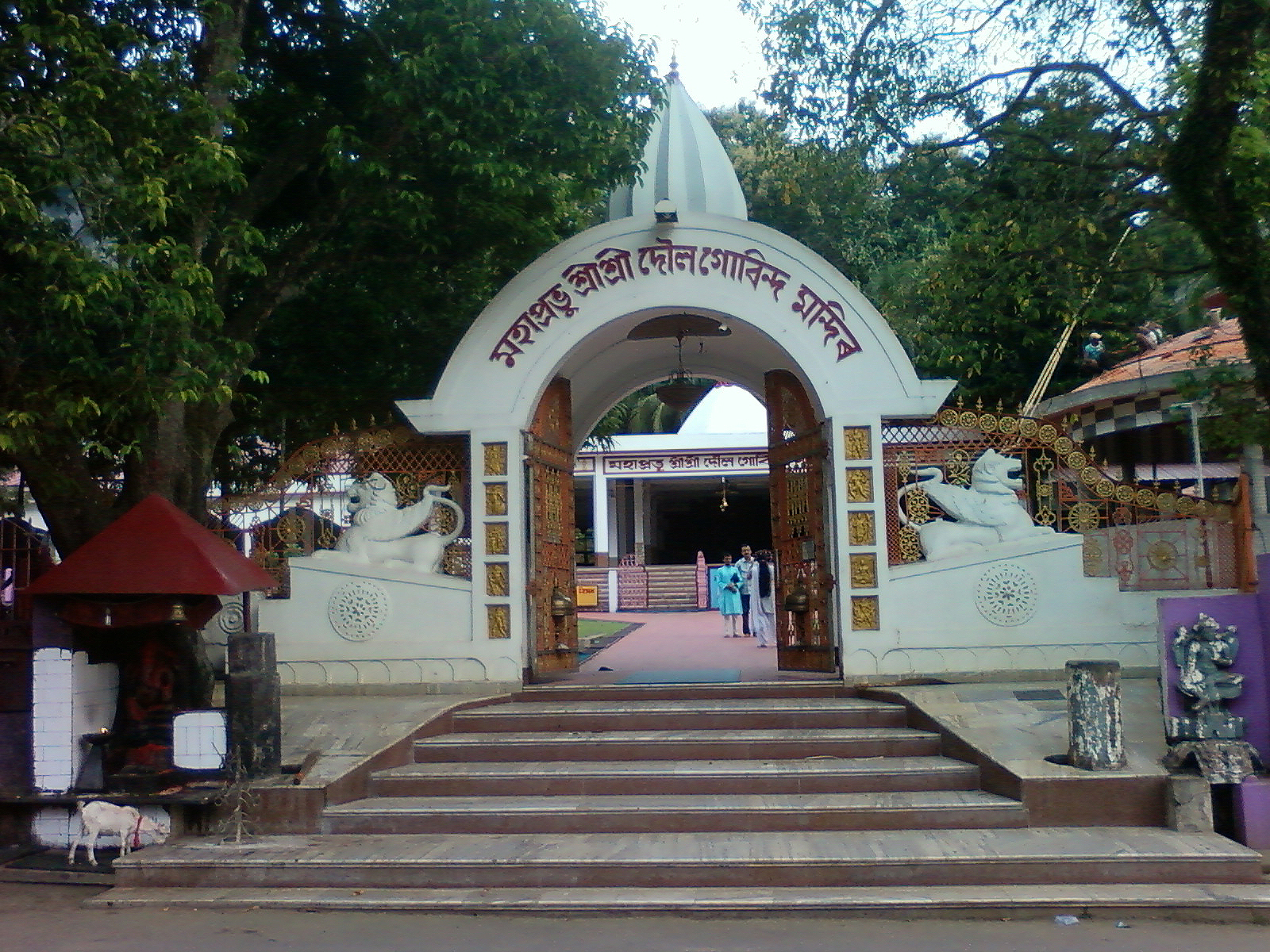
Vasudev Doul
Doul Govinda Temple is an important Krishna shrine in Kamrup, Assam, situated on the northern banks of the Brahmaputra River at Rajaduar, North Guwahati, featuring a Namghar wit…
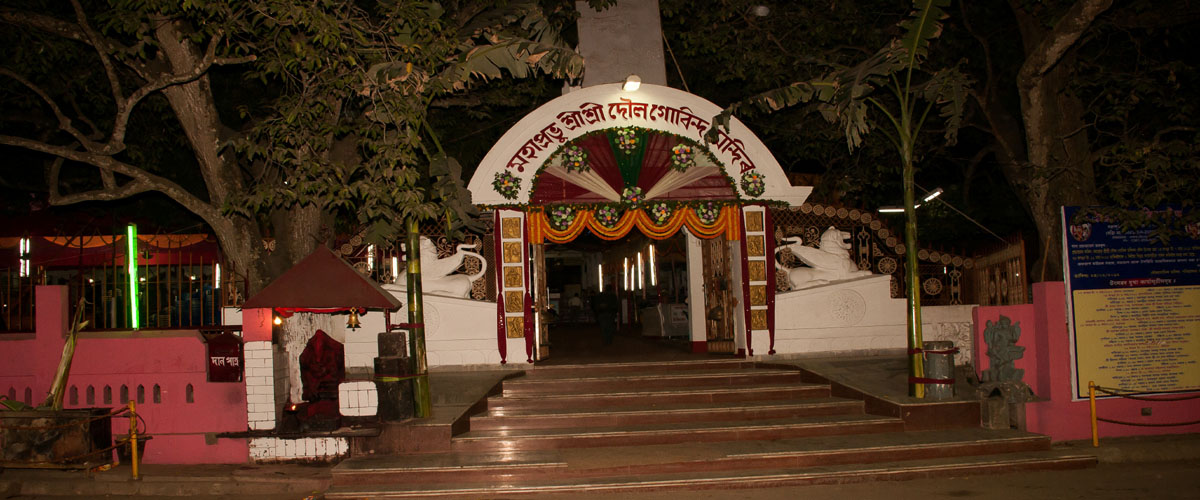
Doul Govinda Temple
Doul Govinda Temple is a revered Krishna shrine situated on the northern banks of the Brahmaputra River at Rajaduar in North Guwahati, Assam, with historical references dating b…
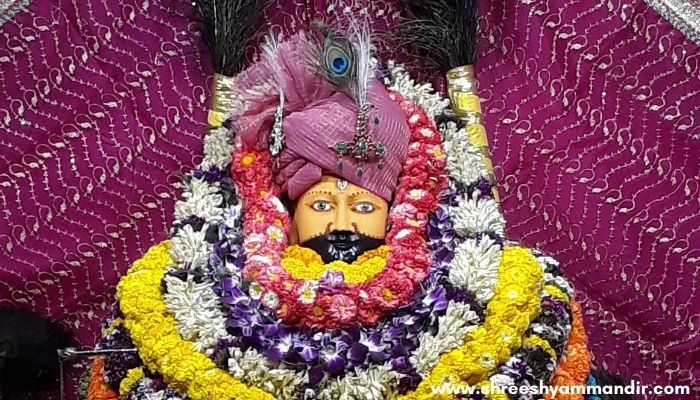
Shree Shyam Mandir, Guwahati
Shree Shyam Mandir in Guwahati's Chatribari district is a community-built temple dedicated to Khatushyamji (Shyam Baba) with multiple shrines to other deities. Established in 20…
Nepali Mandir
Nepali Mandir in Guwahati is a 19th-century Shiva temple built by Nepali kings as a replica of the Pashupatinath Temple in Kathmandu, constructed with traditional terracotta, st…

Navagraha Mandir, Guwahati
Navagraha Mandir is an ancient hilltop temple in Guwahati, Assam, housing sacred lingams representing the nine celestial bodies of Vedic astrology—Surya, Chandra, Mangala, Rahu,…