Doul Govinda Temple
About Doul Govinda Temple
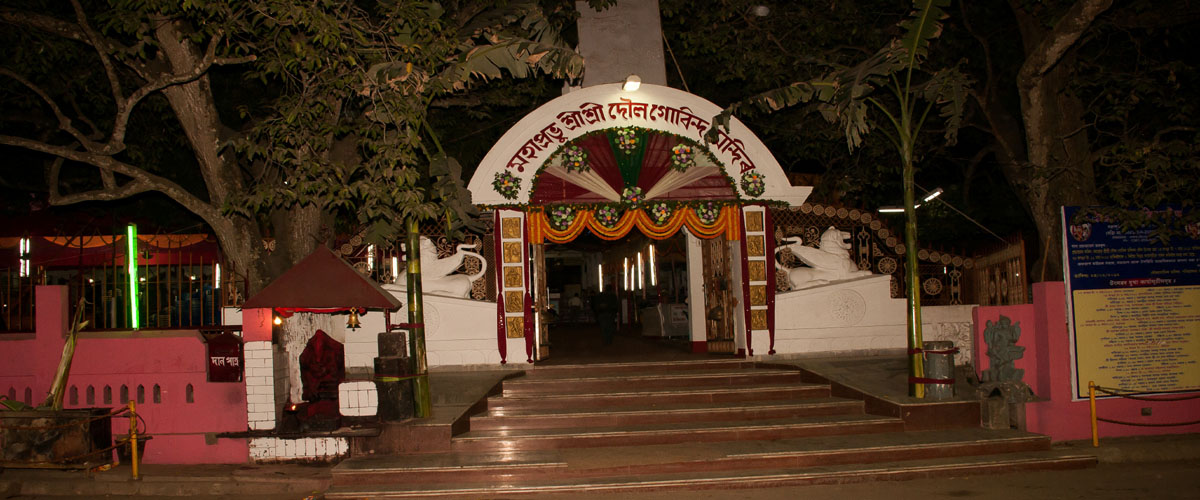
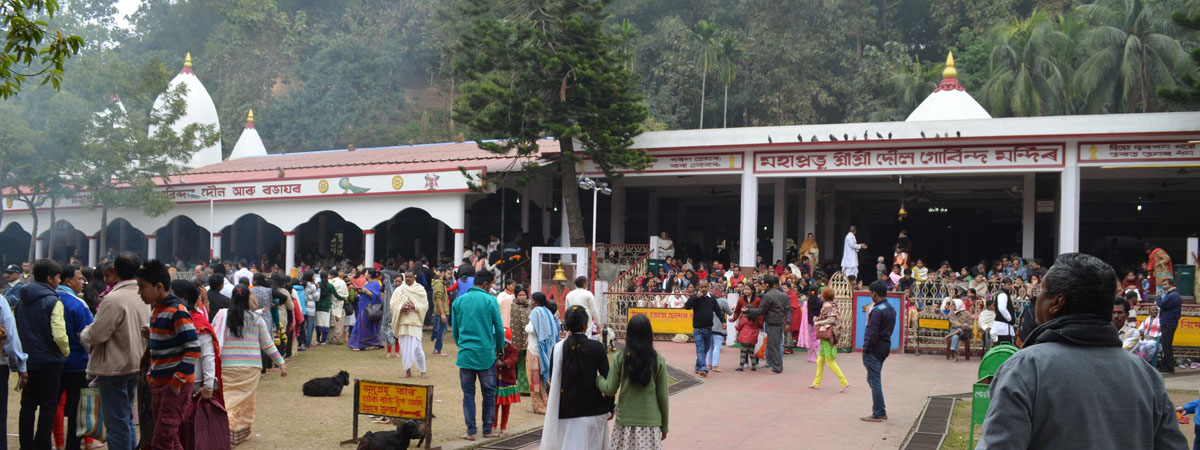
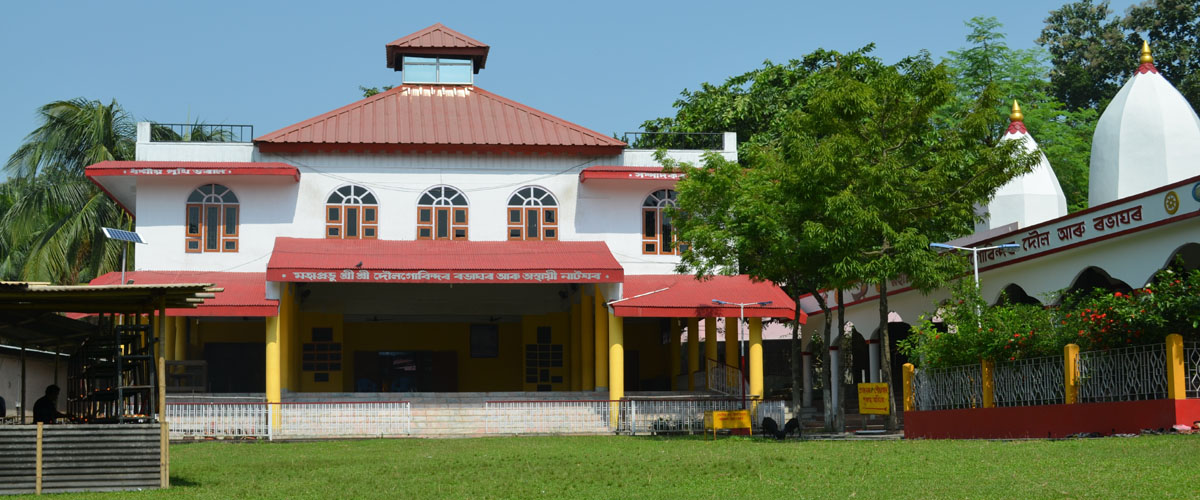
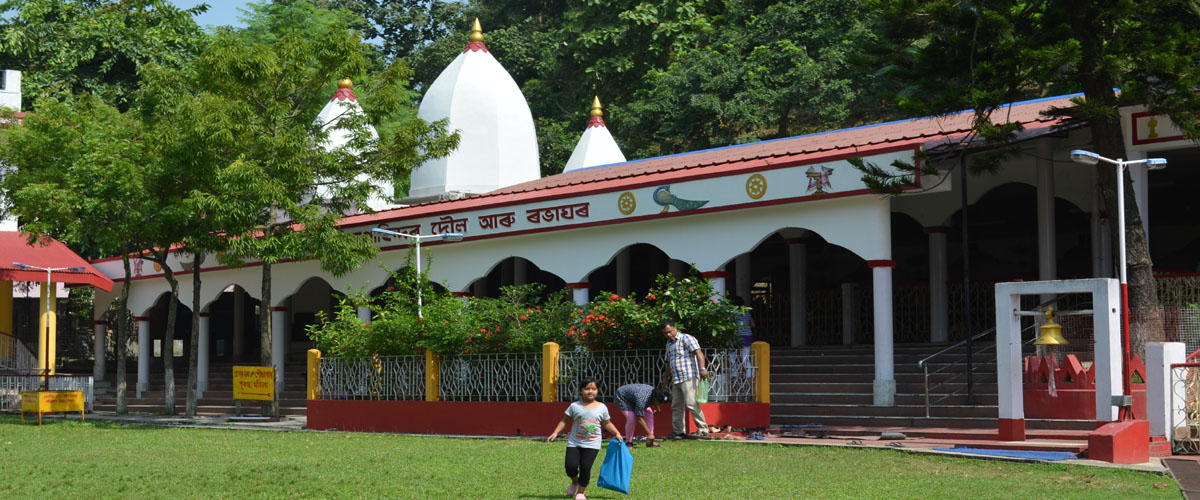
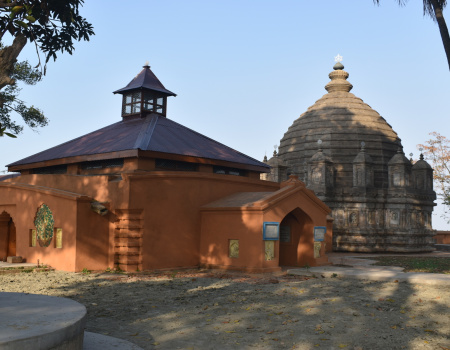
The temple's documented history extends back more than two centuries, though local tradition suggests the deity's presence in the area reaches further into the past. According to local accounts, the idol of Lord Krishna was discovered underground in the woods near the village of Jekeria in the Rongia subdivision of Kamrup district, after an unknown period of concealment. The temple's current location at Rajaduar connects to the region's ancient significance—archaeological evidence indicates this area was once part of Kamrup Nagar, the capital established by the Pala kings until the 13th century. A Namghar, a prayer hall central to Assamese Vaishnavite worship, stands within the temple premises alongside the main shrine.
Daily Worship and Darshan
The temple maintains regular darshan hours throughout the year. Morning darshan is available from 7:00 AM to 12:00 PM, while evening darshan runs from 5:00 PM to 7:00 PM. Both morning and evening aartis are performed daily. Visitors should plan their visit according to these timings, as the temple operates on a consistent schedule. The shrine welcomes devotees year-round, though the experience varies seasonally with the landscape and river conditions.
The Doul Festival and Seasonal Significance
The temple is particularly known for its observance of the Doul festival, which celebrates Lord Krishna's divine play. This festival draws special attention to the shrine and marks an important moment in the Vaishnavite calendar. Beyond the festival season, the temple's riverside setting offers distinct advantages during the cooler months, when the Brahmaputra's white sand beaches become accessible and river cruises provide an alternative way to experience the sacred landscape.
Best Time to Visit
November through April represents the optimal season for visiting Doul Govinda Temple. During these months, the climate is more temperate, and the Brahmaputra's banks are particularly accessible for walking and exploration. The river itself becomes a feature of the pilgrimage experience during this period, as the water levels and conditions allow for both comfortable darshan and the possibility of river-based activities. Visitors planning their journey should consider this seasonal window for the most complete experience of the temple and its surroundings.
Practical Information for Visitors
The temple is located at Rajaduar in North Guwahati, Assam, positioned on the northern banks of the Brahmaputra. A guest house operates within the temple premises for those wishing to stay overnight. The shrine is accessible throughout the year and welcomes visitors of all backgrounds. Those planning to arrange special pujas or seek specific darshan arrangements may contact the temple directly to confirm current schedules, as timings may adjust during festivals or seasonal changes. Visitors should dress modestly as is customary when entering Hindu temples, and remove footwear before entering the inner sanctum.
Nearby Sacred Sites
The temple's location places it within reach of other significant shrines in the North Guwahati area. The Aswakranta and Aswaklanta Temple, an ancient pilgrimage site, and the Rudreswar Devalaya, dedicated to Lord Shiva, are situated nearby. These temples form part of the broader sacred geography of the region, allowing pilgrims to structure multi-temple visits during their time in North Guwahati.
How to reach
Temples near Doul Govinda Temple
Vasudev Doul
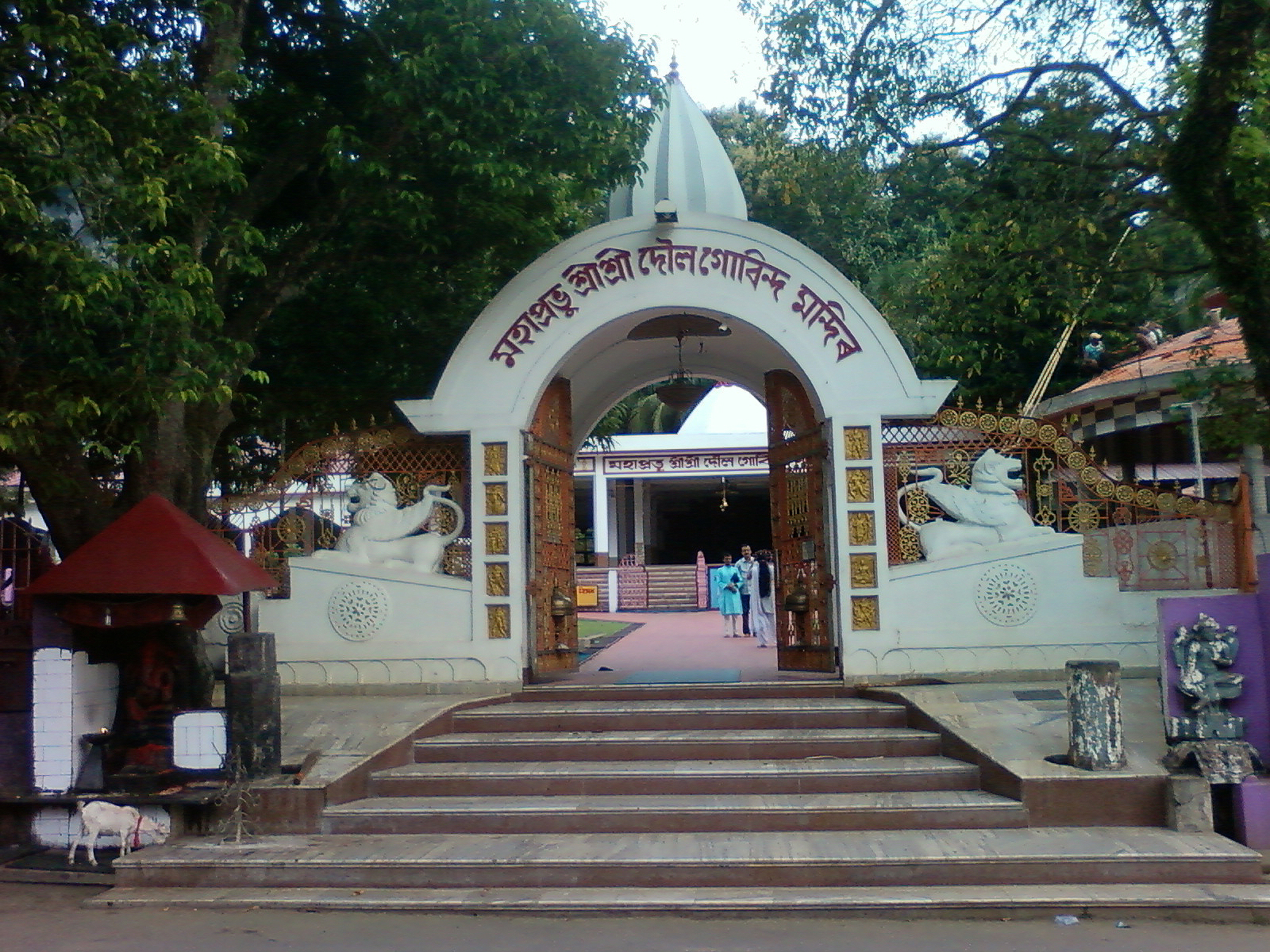
Doul Govinda Temple is an important Krishna shrine in Kamrup, Assam, situated on the northern banks of the Brahmaputra River at Rajaduar, North Guwahati, featuring a Namghar wit…
Umananda Mandir
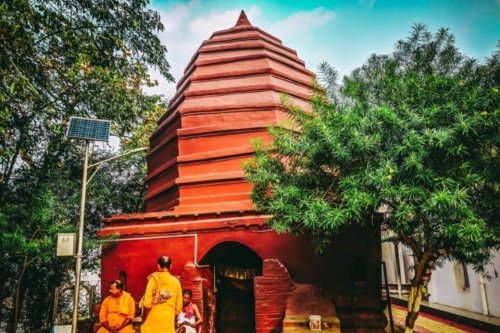
Umananda Mandir is a historic Shiva temple situated on Peacock Island in the Brahmaputra River at Guwahati, Assam, reputedly located on the world's smallest inhabited river island.

Rudreswar Temple
The Rudreswar Temple, dedicated to Lord Shiva, stands on the northern bank of the Brahmaputra River in North Guwahati. Built in 1749 by Ahom king Pramatta Singha as a memorial t…
Sukreshwar Mandir
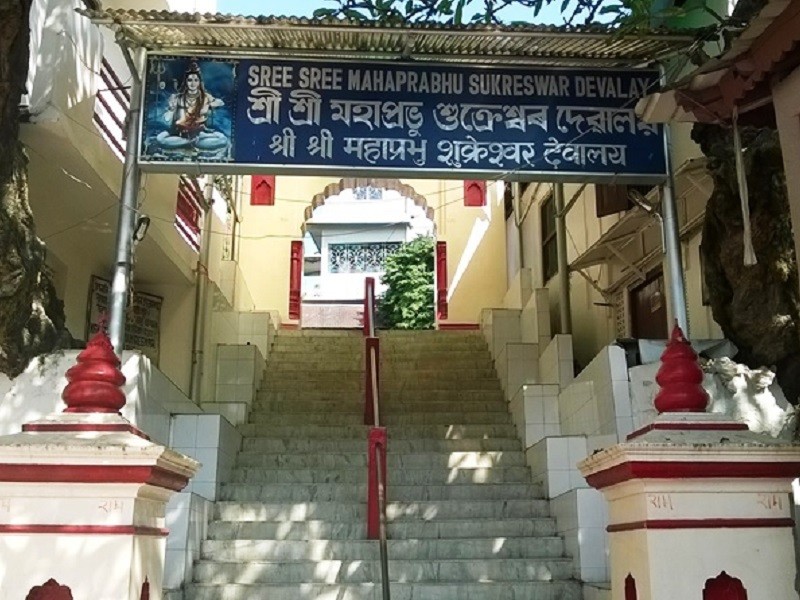
Sukreshwar Mandir is an ancient Shiva temple established in 1744 atop Sukreswar Hill in Guwahati, Assam, renowned for housing one of India's largest Shiva Lingas and serving as…
Aswakranta temple
Aswakranta Temple is an ancient Hindu shrine on the banks of the Brahmaputra River in North Guwahati, Assam, built by Ahom King Shiva Singha in 1720 and housing sacred images of…

Navagraha Mandir, Guwahati
Navagraha Mandir is an ancient hilltop temple in Guwahati, Assam, housing sacred lingams representing the nine celestial bodies of Vedic astrology—Surya, Chandra, Mangala, Rahu,…