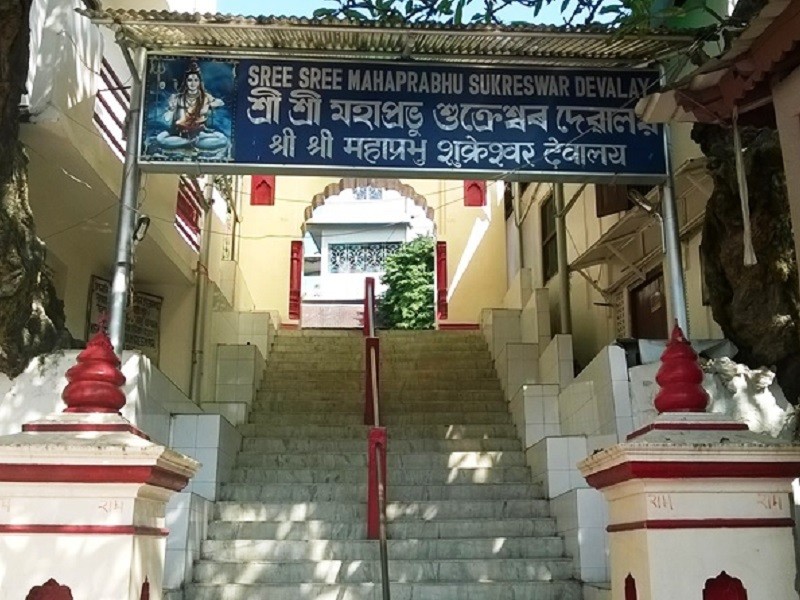
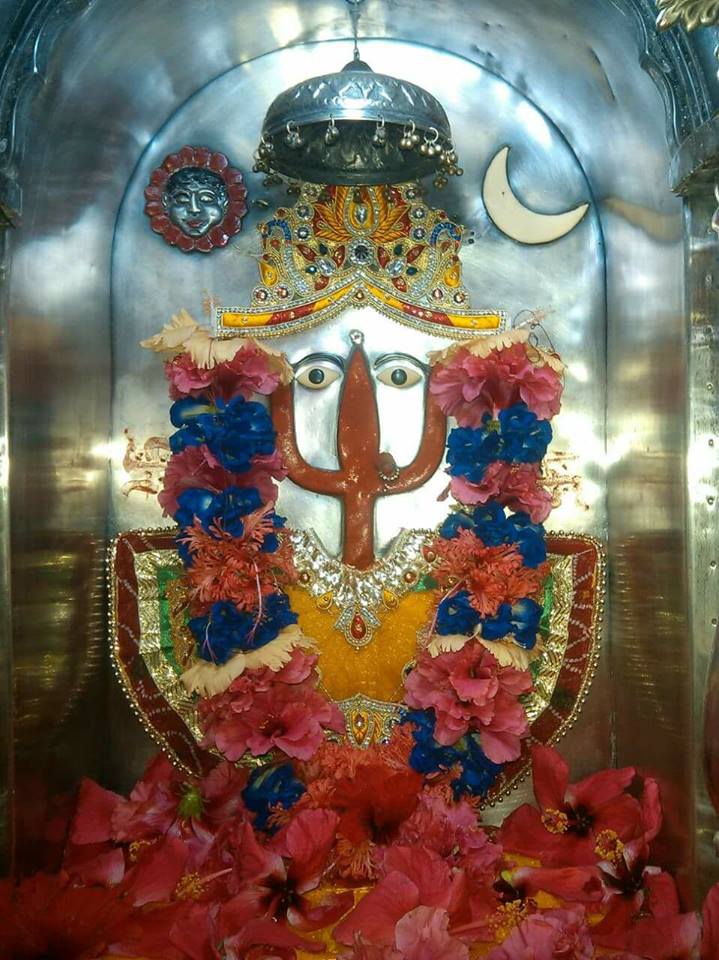

Sukreshwar Mandir
About Sukreshwar Mandir
The temple was established in 1744 CE by the Ahom king Pramatta Singha, reflecting the royal support that Hindu temples received during the Ahom period in Assam. The shrine received further financial backing from King Rajeswar Singha in 1759, ensuring its maintenance and development. This dual royal patronage in the mid-eighteenth century established Sukreshwar as a temple of considerable standing in the region.
The temple complex has grown to include not only the main Shiva shrine but also a Vishnu temple within its grounds, along with multiple halls designed for conducting rituals and pujas. The architecture reflects traditional Assamese building styles, creating a visual continuity with the region's sacred landscape.
Daily Worship and Rituals
The temple opens for darshan from 06:00 to 19:00 daily, allowing devotees to visit throughout the day. The Sandhya Aarti, the evening ritual of worship, takes place at 19:00. This daily rhythm of worship maintains the temple's function as an active place of devotion rather than a historical monument alone.
Temples dedicated to Shiva typically offer opportunities for various ritual services. Visitors should confirm specific puja offerings and their availability when planning their visit, as these may vary by season or day.
Maha Shivaratri and Festival Observances
Maha Shivaratri, the great night dedicated to Lord Shiva, is celebrated with particular enthusiasm at Sukreshwar Mandir and represents the best time to experience the temple in its most vibrant state. The temple also observes other significant festivals including Diwali, Karwa Chauth, and Ugadi, each bringing special decorations and heightened devotional activity. Timings and rituals may vary on festival days, so advance confirmation with the temple is advisable for those planning to visit during these occasions.
Visiting Information
Sukreshwar Mandir is located at Sukreswar Hill (also known as Itakhuli Hill) in Guwahati, Assam, at coordinates 26.187843°N, 91.741305°E. The temple can be reached via Google Maps using these coordinates or the address provided. Visitors should plan to arrive during the stated darshan hours of 06:00 to 19:00.
Modest dress is appropriate when visiting Hindu temples; loose, covered clothing that respects local customs is recommended. Shoes are typically removed before entering the sanctum. As this is an active pilgrimage site with ritual bathing areas, visitors should be respectful of those engaged in worship and ceremonial activities. The riverfront location means the area can be busy, particularly during morning and evening hours and on festival days.
A Temple of Pilgrimage and Tradition
Sukreshwar Mandir serves both daily worshippers and pilgrims undertaking significant life rituals. The combination of its ancient establishment, royal history, riverfront setting, and the presence of one of India's largest Shiva Lingas makes it a destination of genuine spiritual importance in Assam. Whether visiting for darshan, to perform rituals, or to observe major festivals, visitors encounter a living temple deeply woven into the religious and cultural fabric of Guwahati.
How to reach
Temples near Sukreshwar Mandir
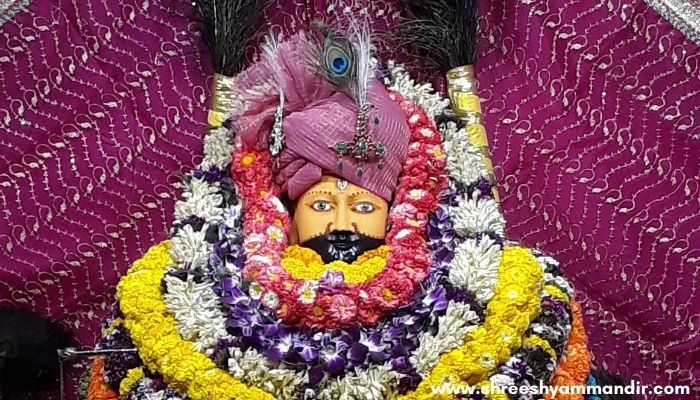
Shree Shyam Mandir, Guwahati
Shree Shyam Mandir in Guwahati's Chatribari district is a community-built temple dedicated to Khatushyamji (Shyam Baba) with multiple shrines to other deities. Established in 20…
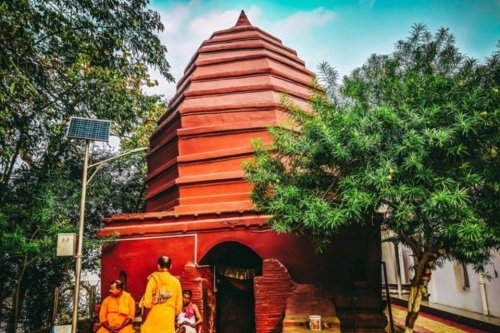
Umananda Mandir
Umananda Mandir is a historic Shiva temple situated on Peacock Island in the Brahmaputra River at Guwahati, Assam, reputedly located on the world's smallest inhabited river island.
Nepali Mandir
Nepali Mandir in Guwahati is a 19th-century Shiva temple built by Nepali kings as a replica of the Pashupatinath Temple in Kathmandu, constructed with traditional terracotta, st…
Aswakranta temple
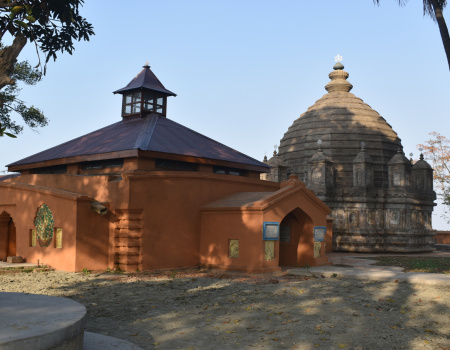
Aswakranta Temple is an ancient Hindu shrine on the banks of the Brahmaputra River in North Guwahati, Assam, built by Ahom King Shiva Singha in 1720 and housing sacred images of…
Vasudev Doul
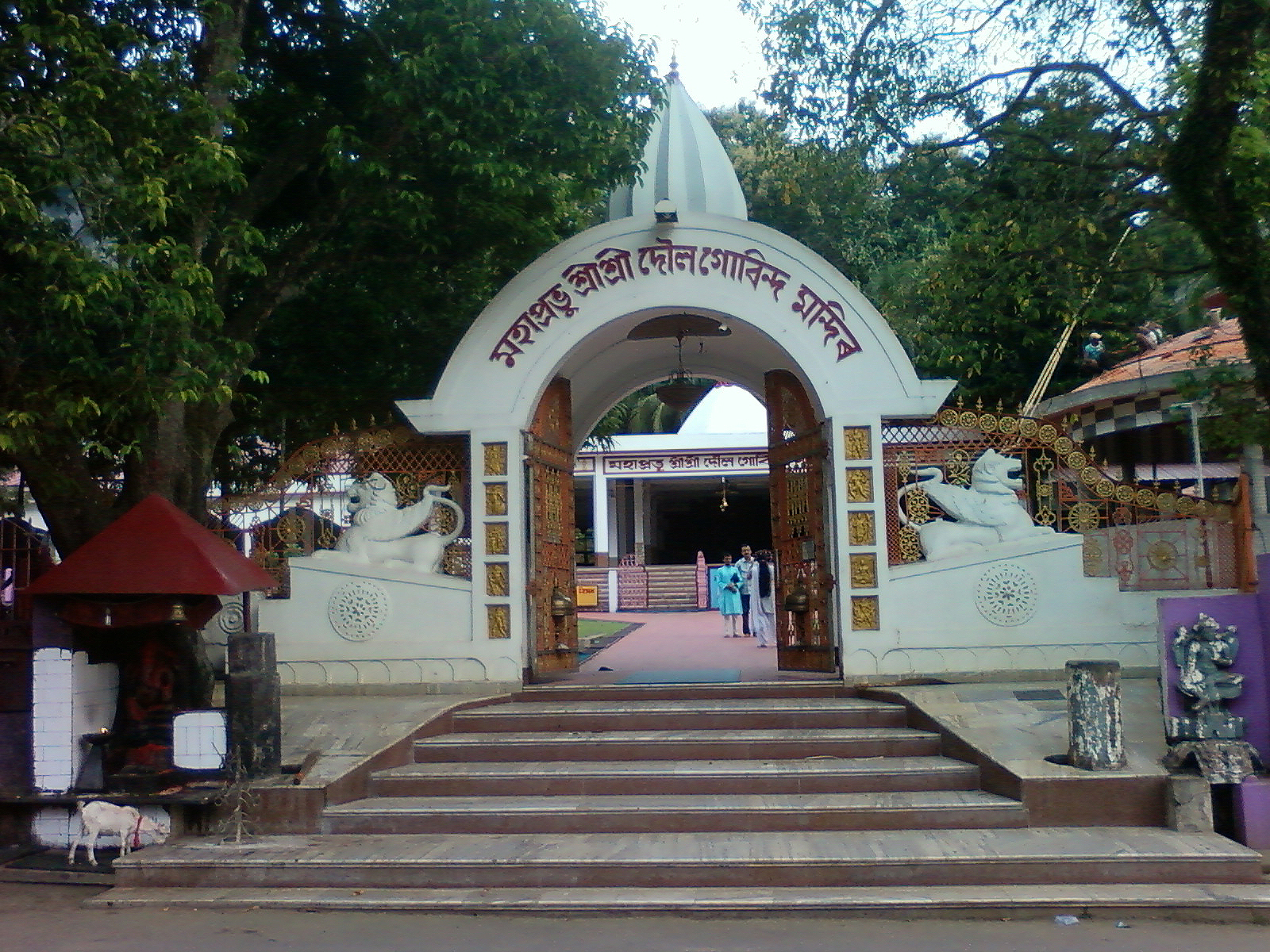
Doul Govinda Temple is an important Krishna shrine in Kamrup, Assam, situated on the northern banks of the Brahmaputra River at Rajaduar, North Guwahati, featuring a Namghar wit…
Doul Govinda Temple
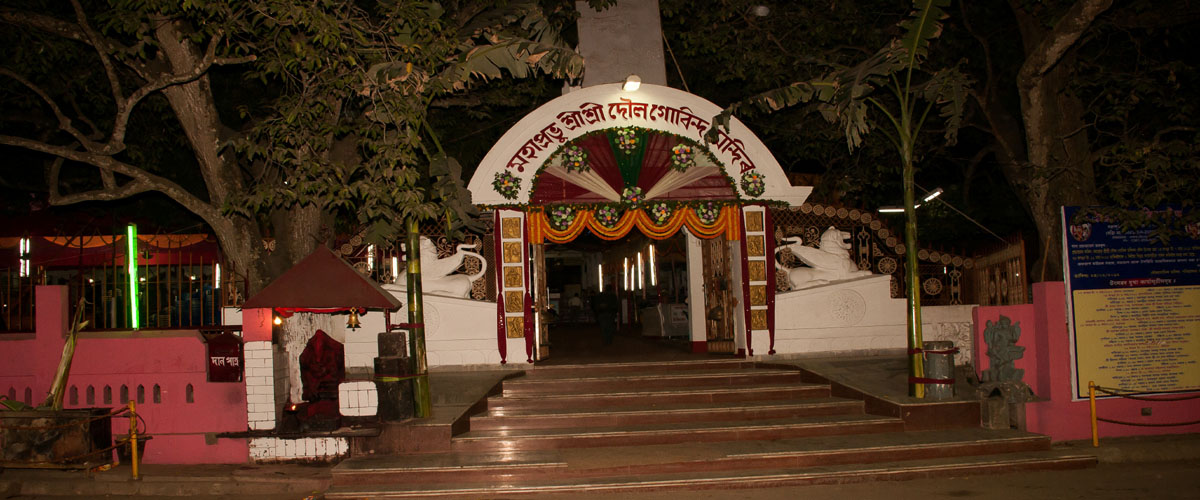
Doul Govinda Temple is a revered Krishna shrine situated on the northern banks of the Brahmaputra River at Rajaduar in North Guwahati, Assam, with historical references dating b…