Vaishno Devi
About Vaishno Devi
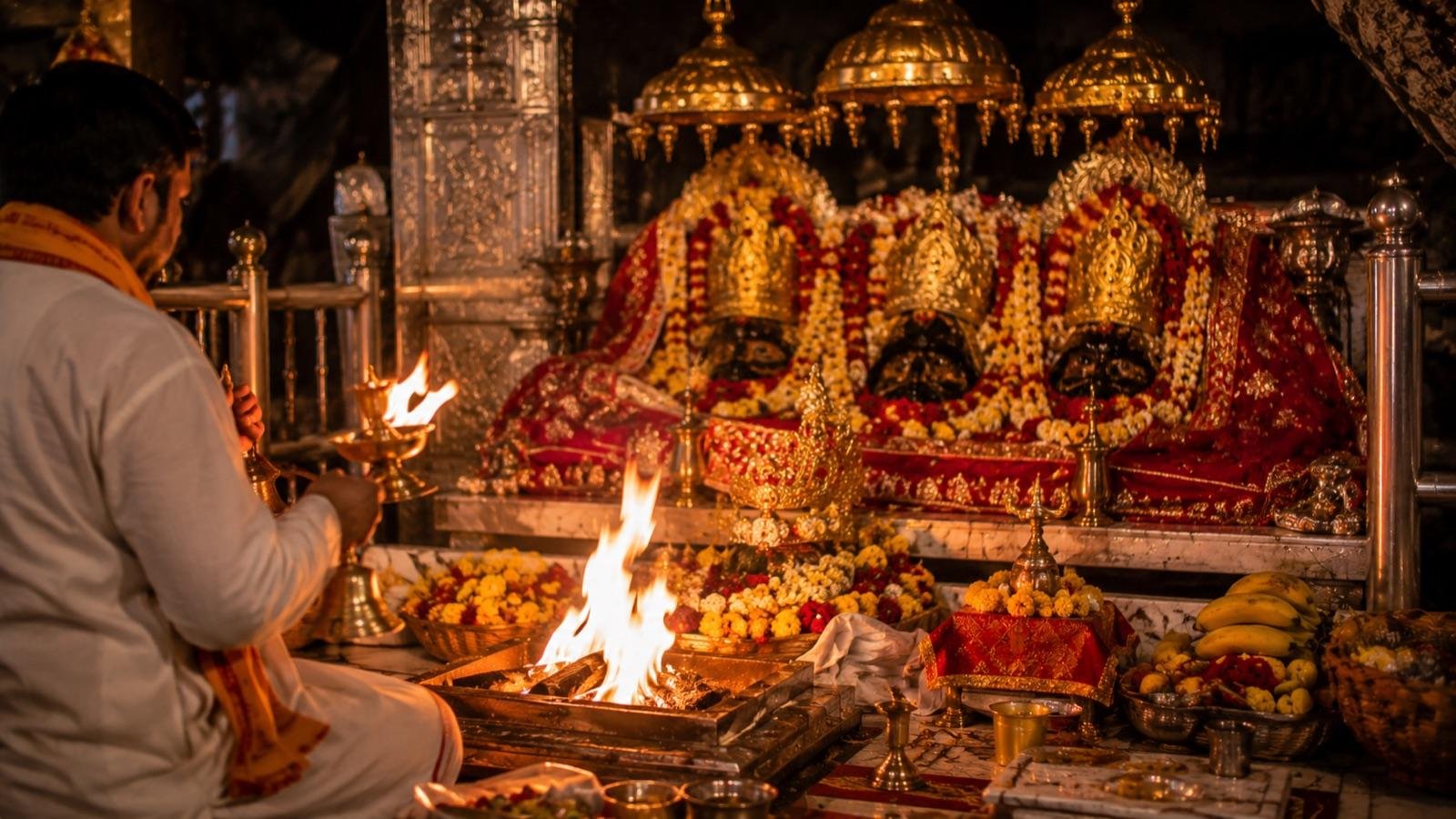
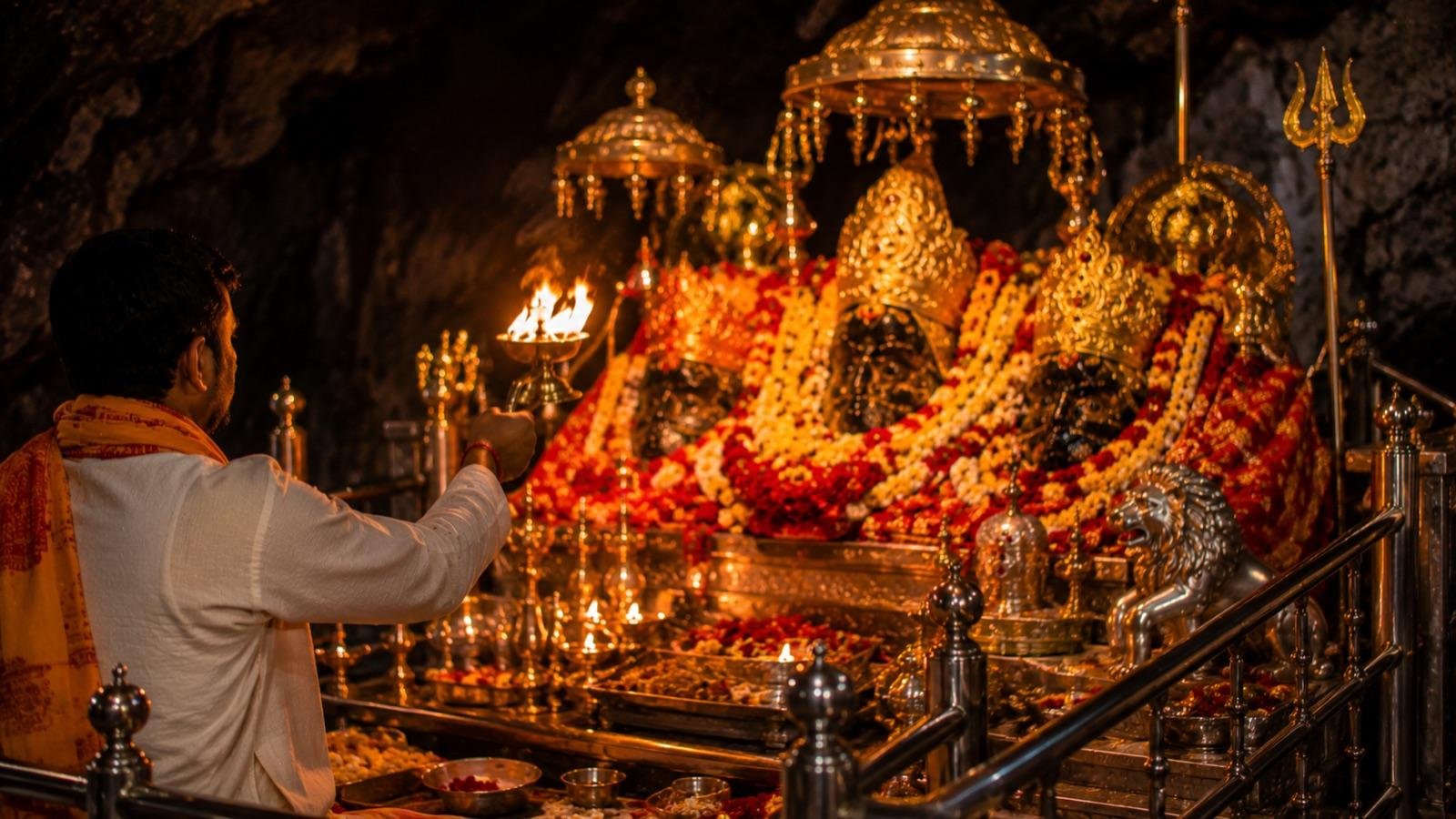
The cave remains open for darshan from 06:30 to 18:30 during daytime hours, and from 20:00 to 05:00 for night darshan. The shrine closes briefly between 18:30 and 20:00 for the evening Atka Aarti, and again from 05:00 to 06:30 for the morning Atka Aarti. The morning ritual begins at 05:00, while the evening aarti takes place at 18:30. These aartis mark significant moments in the daily worship cycle. Visitors planning their visit should note that weekday afternoons typically see shorter queues, with wait times around 45 minutes. Peak Navratri season and weekends draw substantially larger crowds, so those seeking a less congested experience should plan accordingly.
Facilities for Pilgrims
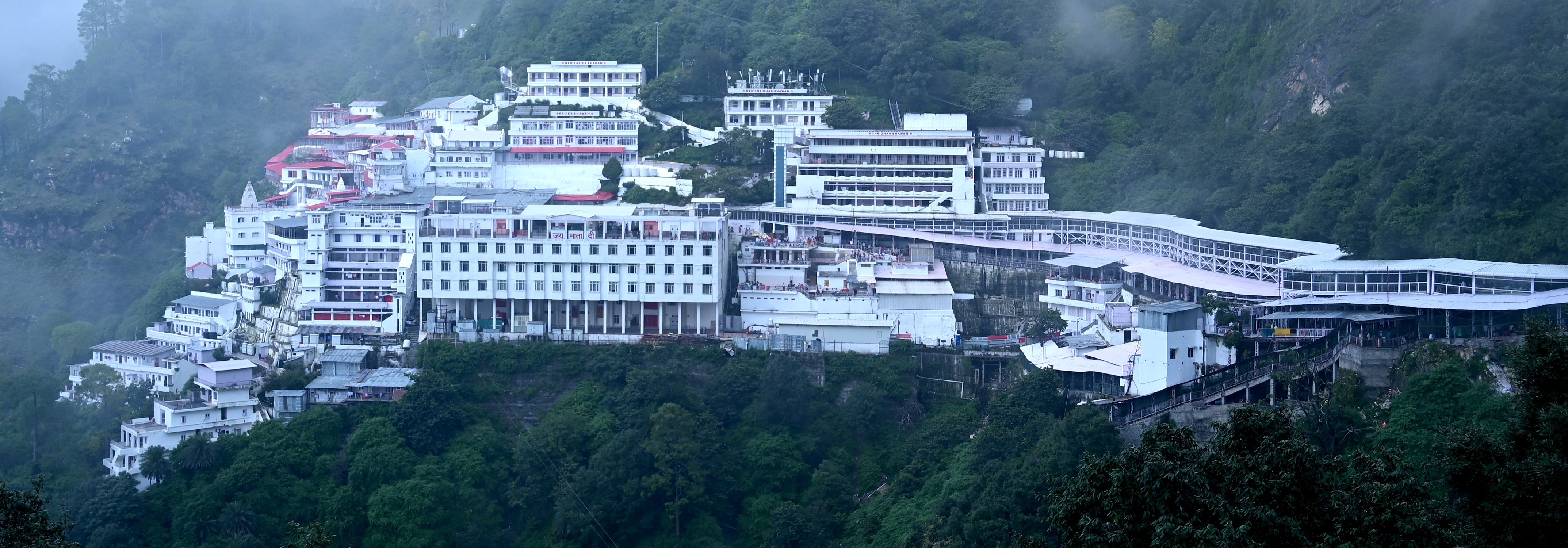
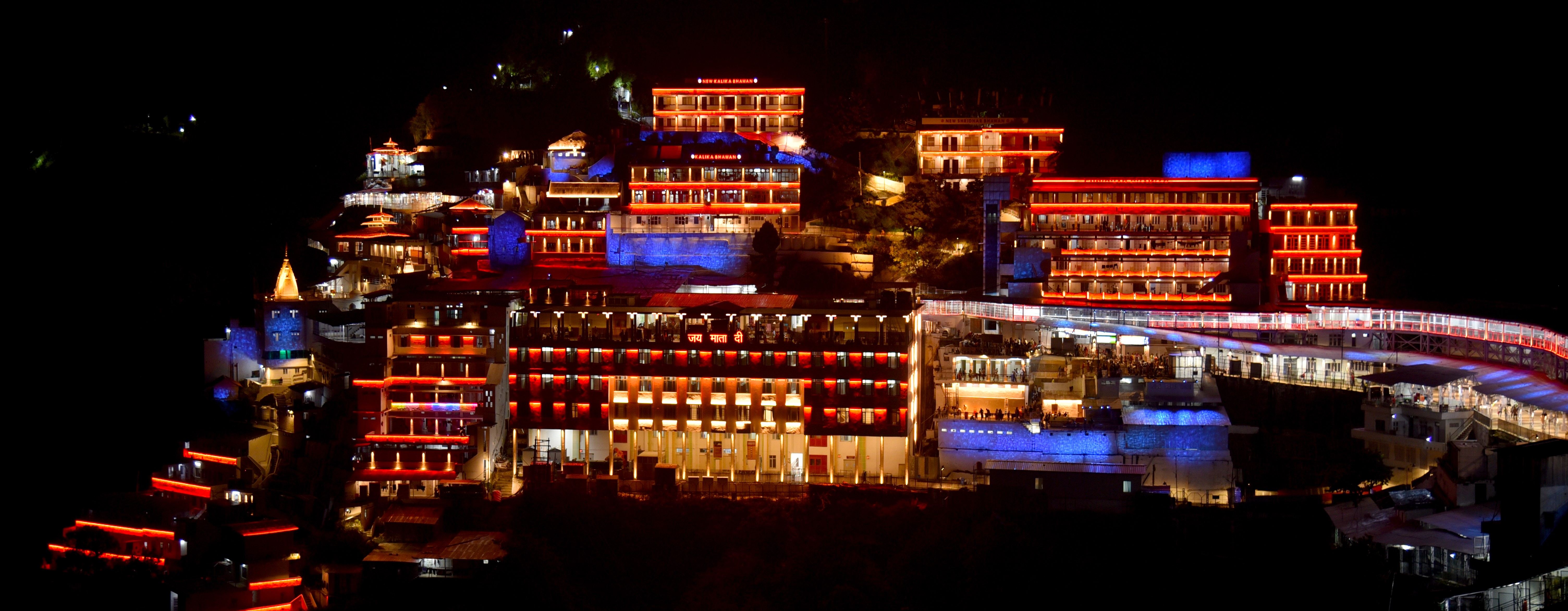
The shrine board provides accommodation options for visitors, including both free and rented lodging. Shelter sheds are available for those requiring temporary rest. Bhojanalayas (dining facilities) serve pilgrims throughout the complex. Medical facilities are on site for emergencies or health concerns. Blanket stores and cloak rooms assist visitors with their belongings and comfort. Banking services and ATMs are accessible within the shrine area. For those unable to undertake the full journey on foot, palkis (palanquins), ponies, and pithoos (porter services) are available. Souvenir shops operate within the shrine premises for those wishing to purchase religious items or mementos.
Visiting Practicalities
Katra is located at coordinates 33.0299, 74.9489 in Jammu & Kashmir. The shrine board website (maavaishnodevi.org) provides information on yatra registration, room reservations, and online services. A helpline at 1800-180-7198 offers assistance for pilgrims planning their visit. The shrine board recommends checking weather information and understanding the topography and climate of the region before undertaking the pilgrimage, as conditions can vary seasonally. Visitors should familiarize themselves with the shrine's dress code and rules of conduct before arrival. The official website lists places of interest both within the shrine complex and in the surrounding Katra area for those extending their visit.
The Pilgrimage Journey
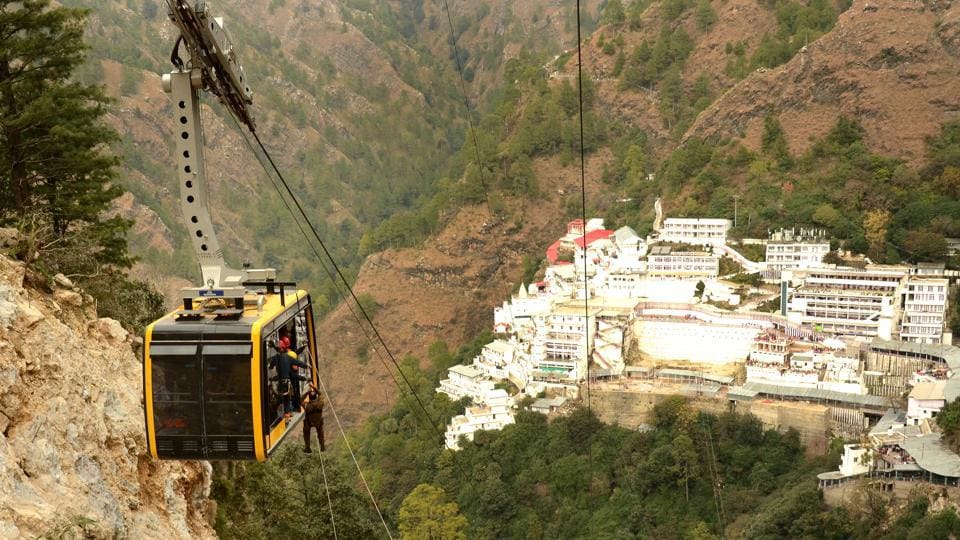
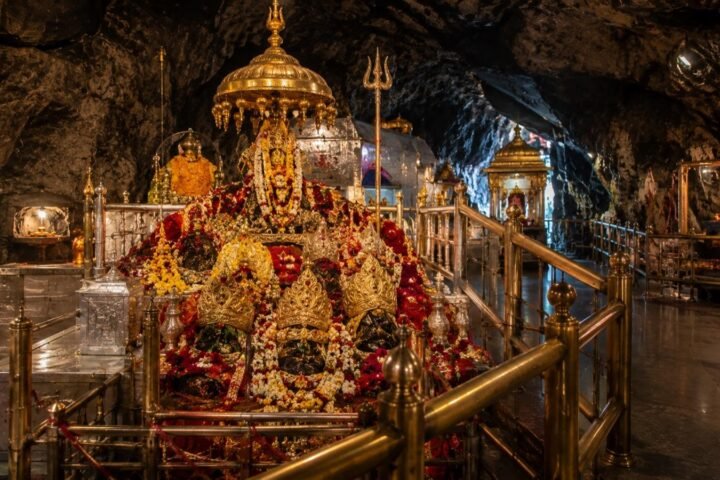
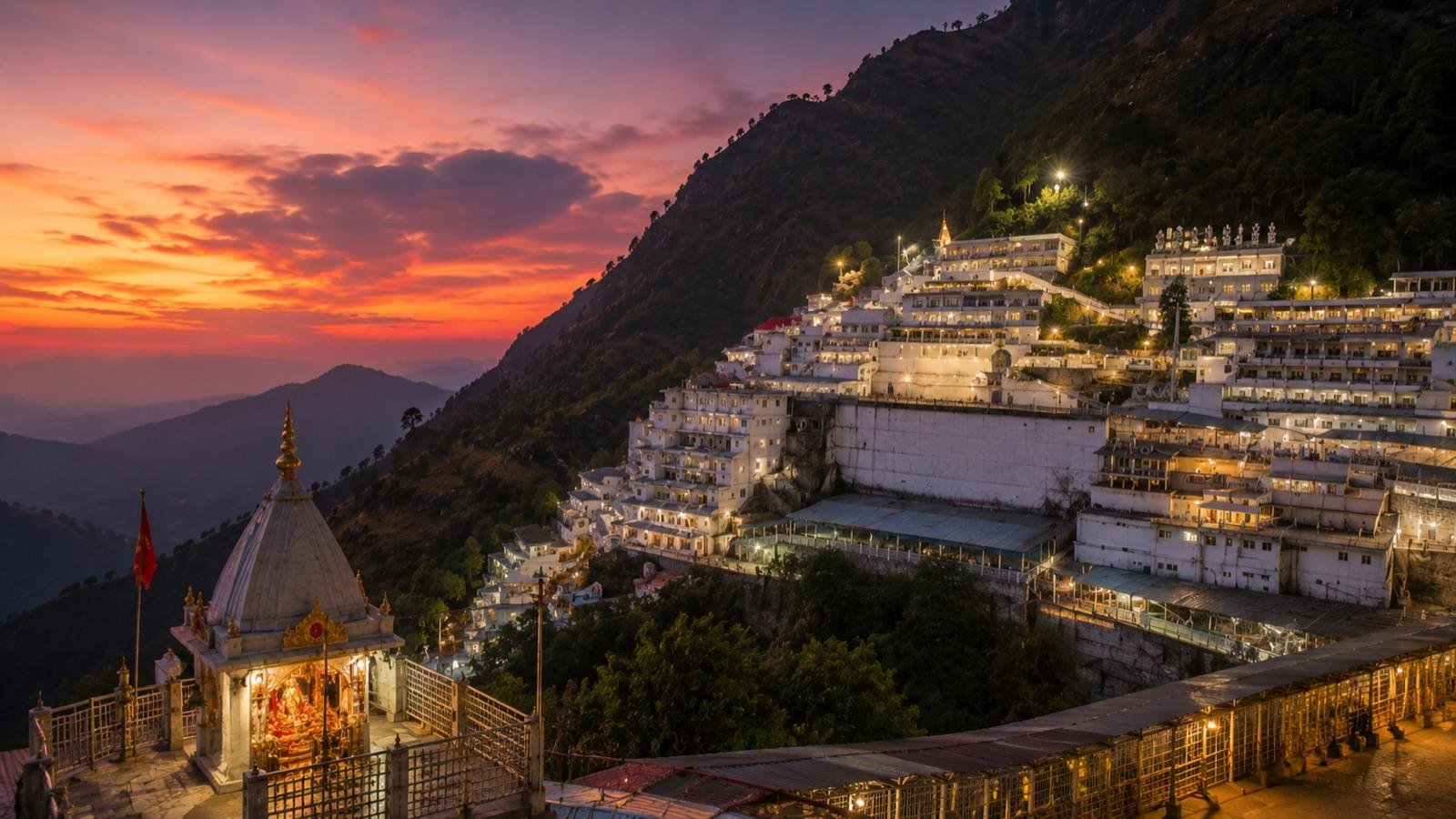
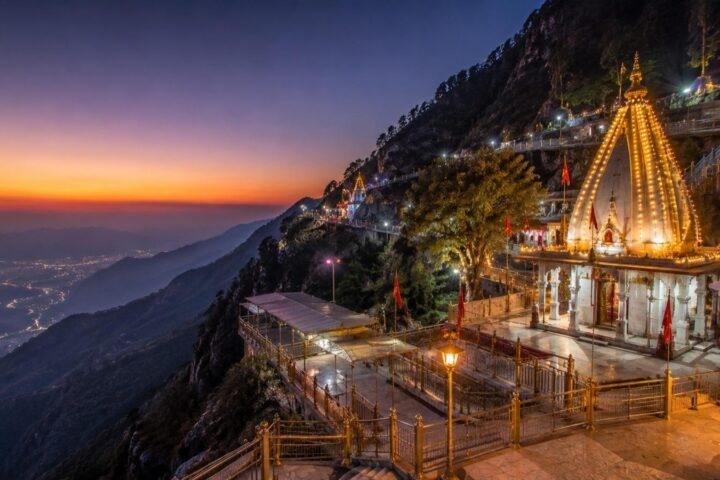
The yatra to Vaishno Devi is structured as a spiritual journey rather than a simple visit. The route passes through multiple significant locations associated with the goddess's spiritual practices. The shrine complex includes areas such as Bhairon Ghati, Sanji Chhat, and both main and alternative tracks for the ascent. These locations form part of the larger pilgrimage experience. The journey culminates at the holy cave, which remains the central focus of devotion. The shrine board manages various aspects of the pilgrimage infrastructure, including the maintenance of routes, facilities, and services for the large number of visitors who undertake this yatra throughout the year.
Donations and Worship Services
The shrine accepts donations from devotees through multiple channels, including online platforms and direct contributions at the shrine. The shrine board maintains a formal donation policy and offers various donation schemes. Devotees residing outside India can make direct donations to support the shrine's operations and maintenance. Individual poojan services are available for those seeking personalized worship rituals. The shrine also offers Akhand Jyot (eternal flame) and other seva options. These services allow pilgrims to participate in the shrine's spiritual activities according to their preferences and capacity.
How to reach


Temples near Vaishno Devi
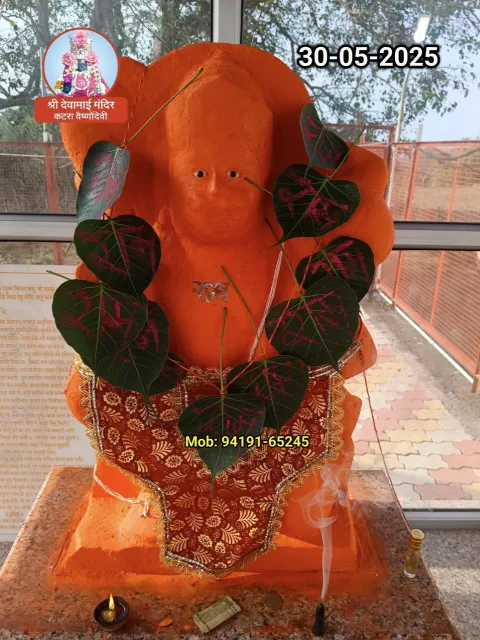
Deva Mai Temple
Deva Mai Temple near Katra is revered as the second sacred darshan in the Vaishno Devi pilgrimage sequence, nestled in the Siwalik Hills and believed to be where the Divine Moth…
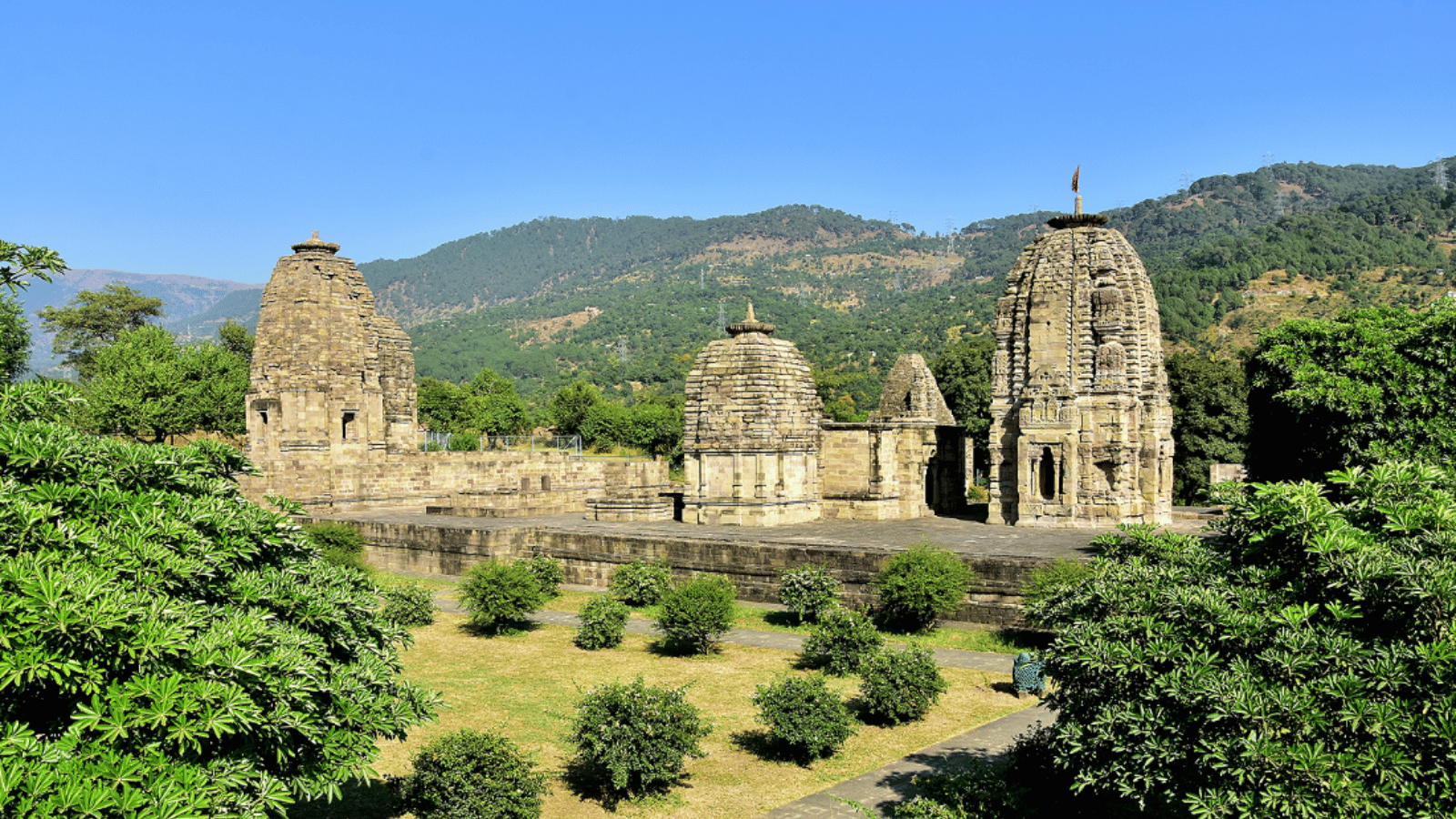
Group of Temples at Kiramchi
The Krimchi temple complex comprises seven ancient Hindu shrines constructed during the 8th–9th centuries in the Nagara style under Gurjara-Pratihara architectural tradition, lo…
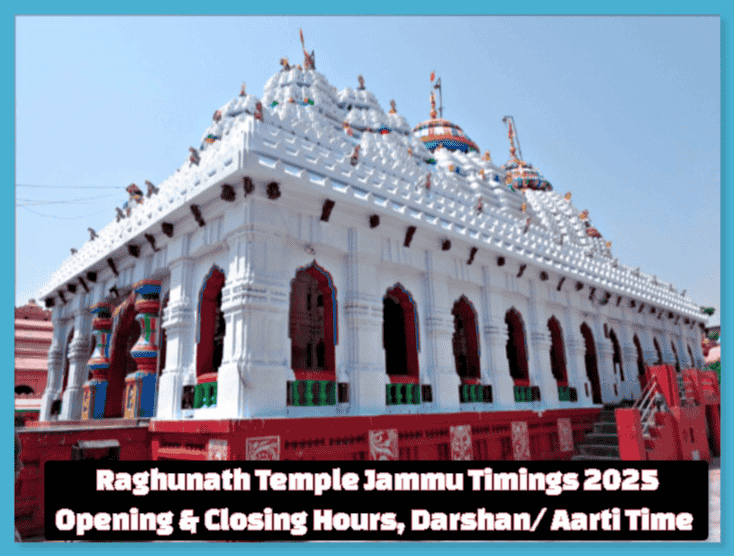
Raghunath Temple
Raghunath Temple in Jammu is North India's largest temple complex, housing 17 shrines dedicated to Lord Rama and other Hindu deities. Built between 1835–1860 by Dogra rulers Mah…
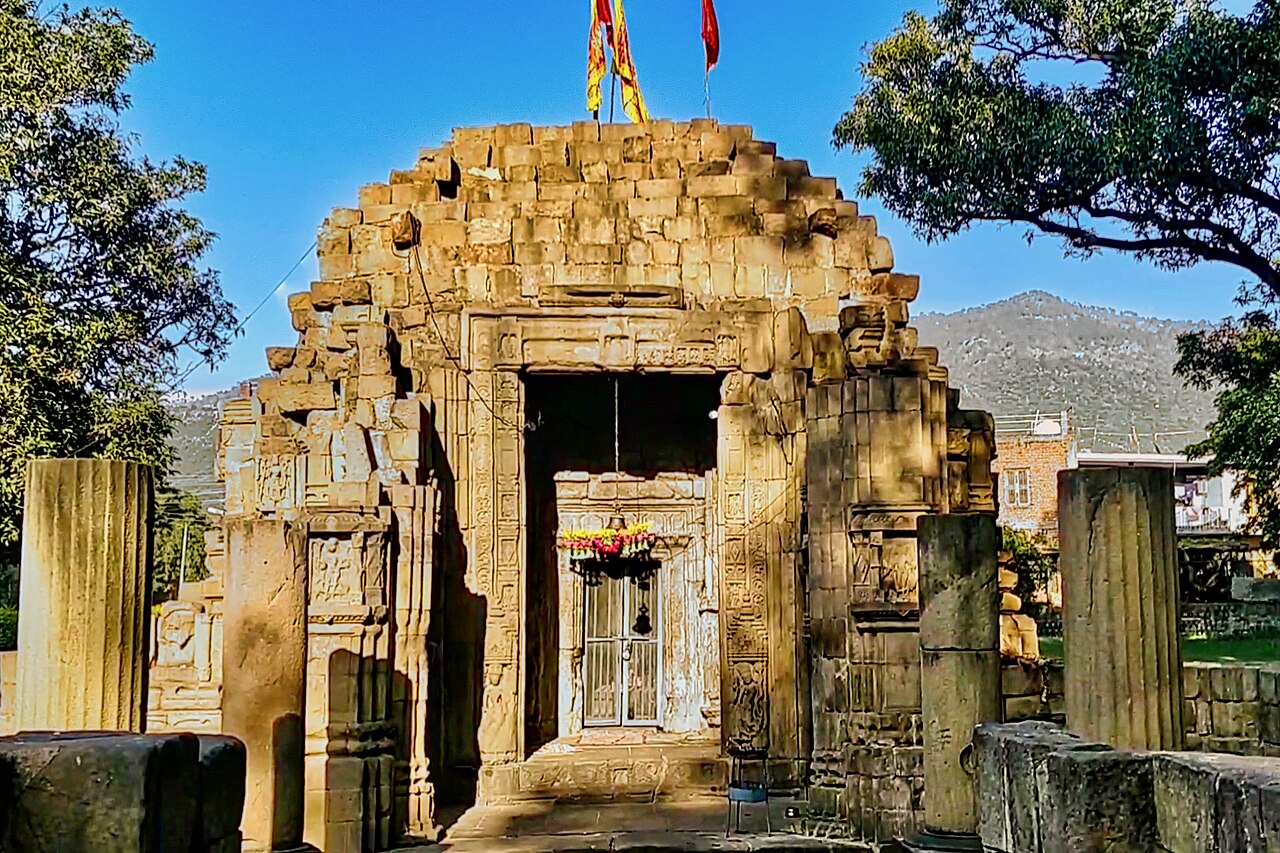
Devi Bhagwati Temple Babour Thalora
Devi Bhagwati Temple in Babour Thalora's deity and specific details remain unconfirmed in available sources.
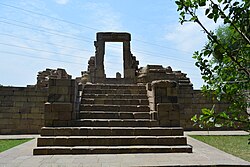
Ancient Temples Kala Dera I and II, Thalora
The Kala Dera group comprises two ruined Hindu temples from the 10th to 11th century, situated in Manwal near Thalora in Udhampur district, Jammu and Kashmir. These structures a…
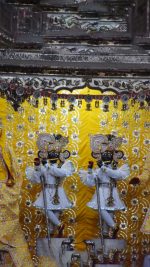
Ancient Temple Nand Babour
Shri NandBaba Temple in Nandgaon is dedicated to Nand Maharaj, the father of Lord Krishna, and is believed to be Krishna's childhood home. The temple houses deities of NandBaba,…