Ancient Temple Nand Babour
About Ancient Temple Nand Babour
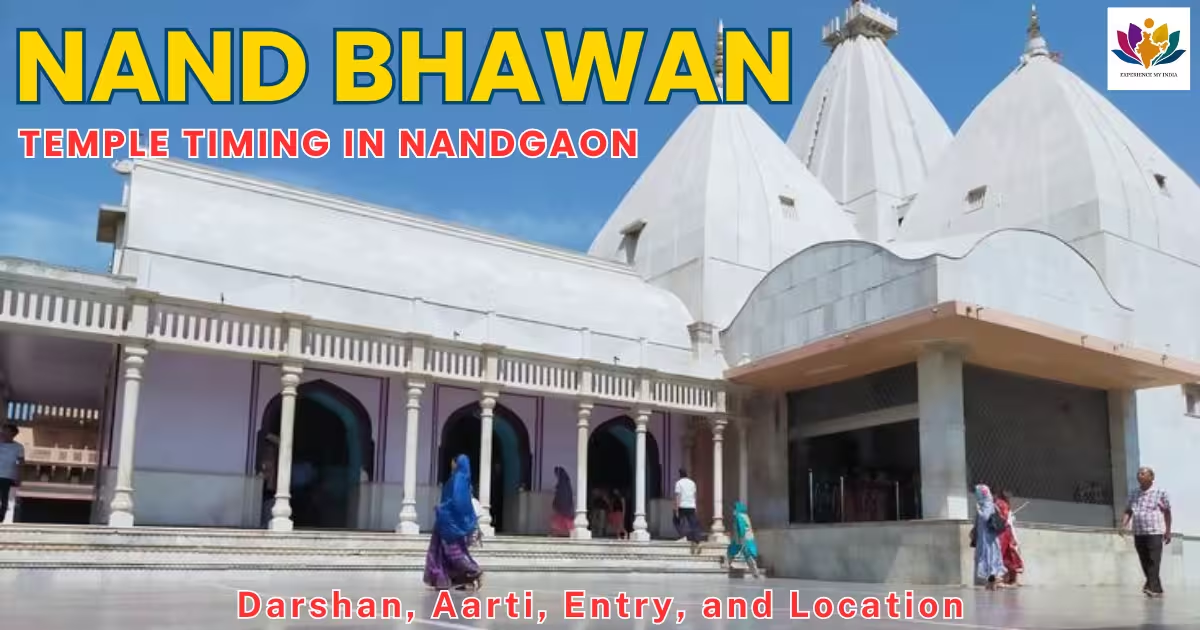
The temple opens at 05:00 in the morning and closes at 12:00 noon, then reopens at 16:00 until 21:00 in the evening. Visitors seeking a focused spiritual experience are encouraged to time their visit around the morning and evening aarti ceremonies, when the deities are honoured with ritual worship and the temple atmosphere is most vibrant. These are moments when the community gathers in devotion, and the rhythms of prayer and song structure the day.
The temple's schedule reflects a pattern common to many Hindu pilgrimage sites, where early morning hours are reserved for worship and the afternoon provides a quieter period. Evening aarti draws both local devotees and visiting pilgrims.
Festivals and Celebrations
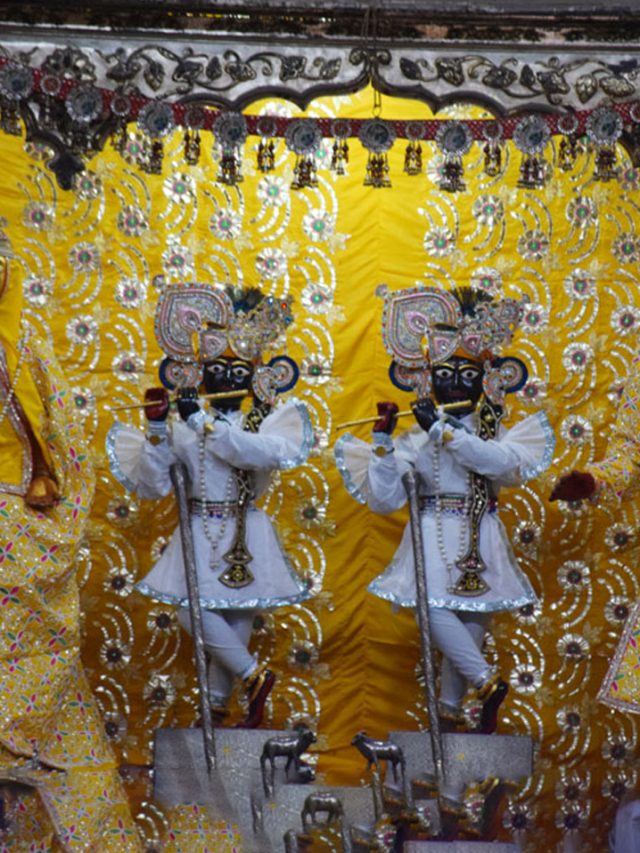
Two major festivals animate the temple's calendar: Janmashtami and Nandotsav. Janmashtami marks the birth of Krishna and is observed across Hindu tradition with particular intensity in Braj, where Krishna's life is most closely woven into the landscape and memory of the region. Nandotsav, the festival of Nand, celebrates the joy of Krishna's birth within his adoptive family and the festivities that followed. During these observances, devotees gather from across the region to participate in celebrations that retell and relive the stories of Krishna's childhood.
These festivals transform the temple into a focal point for communal worship and are ideal times for visitors who wish to experience the temple's spiritual life at its fullest.
Visiting Information and Practicalities
The temple is situated at coordinates 32.751397, 75.141871 and is accessible by road from Mathura and Vrindavan. Local transport options, including taxis, operate from both cities and can bring visitors to Nandgaon. The journey of approximately 50 kilometres is manageable as a day trip or as part of a broader pilgrimage circuit through the Braj region.
Visitors should plan their visit according to the temple's opening hours: 05:00–12:00 and 16:00–21:00 daily. Modest dress is customary at Hindu temples; visitors should wear clothing that covers the shoulders and knees. Shoes are typically removed before entering the inner sanctum. Photography policies vary; it is respectful to ask permission before photographing the deities or other worshippers. As at most temples, silence and reverence during aarti times are expected. The temple may be crowded during festival periods, so visitors planning to attend Janmashtami or Nandotsav should arrive early and be prepared for large gatherings.
Getting There
Mathura, the nearest major city, lies approximately 50 kilometres away and is well-connected by road to other parts of Uttar Pradesh and northern India. From Mathura or the nearby pilgrimage town of Vrindavan, local taxis and shared transport services can convey visitors to Nandgaon. The road journey takes roughly one to two hours depending on traffic and the specific route taken. Visitors arriving by train typically disembark at Mathura Junction and arrange onward transport from there.
How to reach
Temples near Ancient Temple Nand Babour
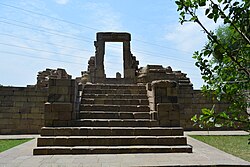
Ancient Temples Kala Dera I and II, Thalora
The Kala Dera group comprises two ruined Hindu temples from the 10th to 11th century, situated in Manwal near Thalora in Udhampur district, Jammu and Kashmir. These structures a…
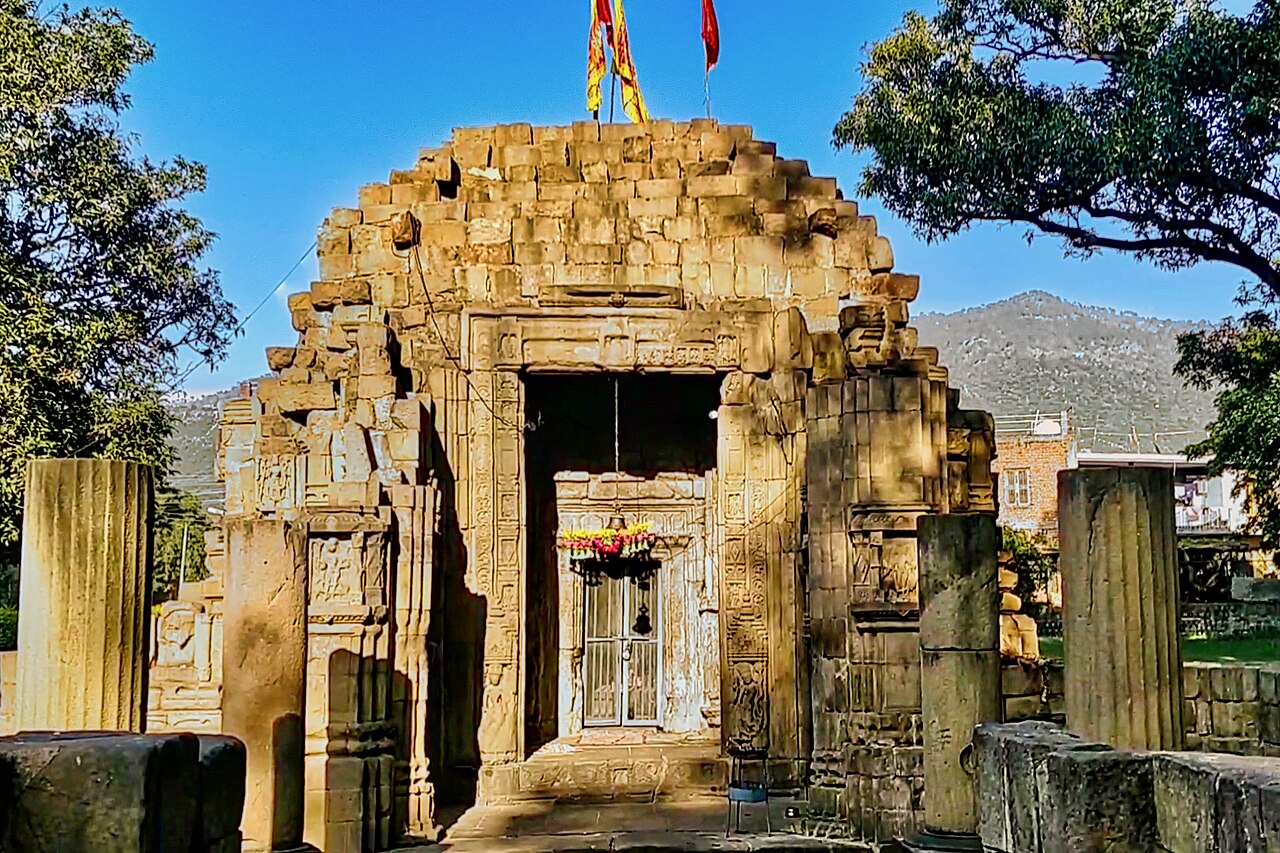
Devi Bhagwati Temple Babour Thalora
Devi Bhagwati Temple in Babour Thalora's deity and specific details remain unconfirmed in available sources.
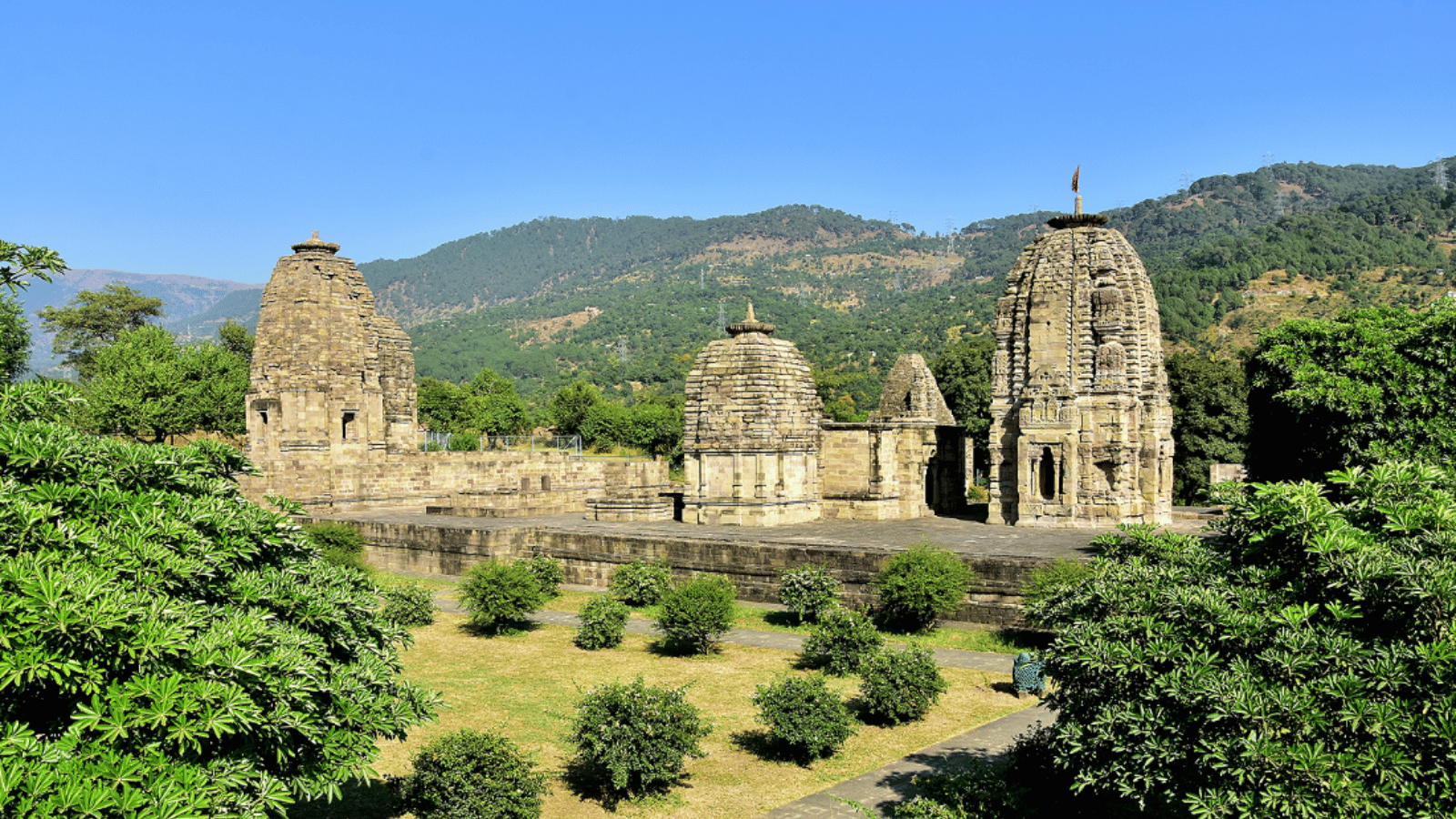
Group of Temples at Kiramchi
The Krimchi temple complex comprises seven ancient Hindu shrines constructed during the 8th–9th centuries in the Nagara style under Gurjara-Pratihara architectural tradition, lo…
Raghunath Temple
Raghunath Temple in Jammu is North India's largest temple complex, housing 17 shrines dedicated to Lord Rama and other Hindu deities. Built between 1835–1860 by Dogra rulers Mah…
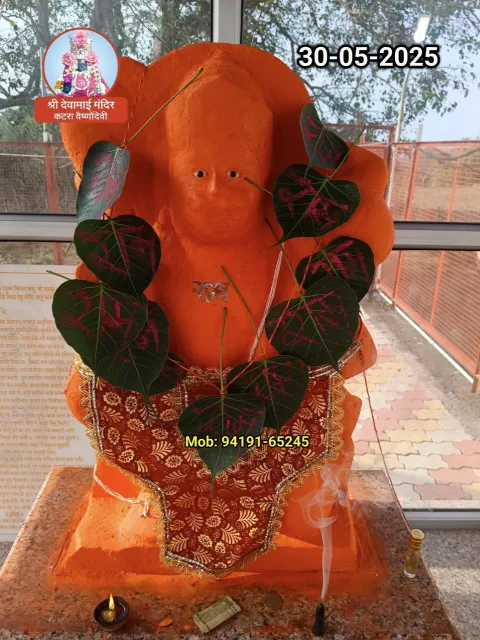
Deva Mai Temple
Deva Mai Temple near Katra is revered as the second sacred darshan in the Vaishno Devi pilgrimage sequence, nestled in the Siwalik Hills and believed to be where the Divine Moth…
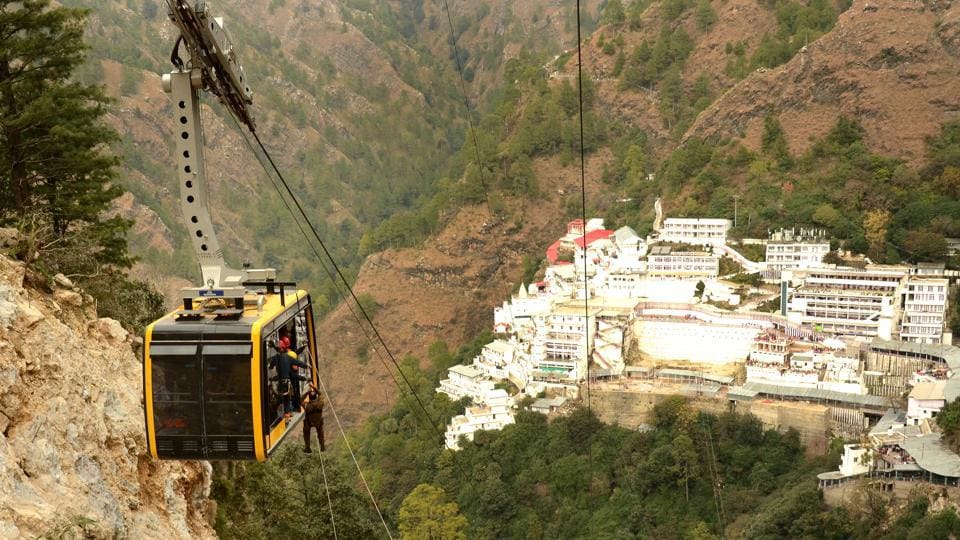
Vaishno Devi
Vaishno Devi shrine in Katra is a sacred cave temple where the goddess is believed to have merged her human form with the astral form of the three supreme energies. The pilgrima…