Ancient Temples Kala Dera I and II, Thalora
About Ancient Temples Kala Dera I and II, Thalora
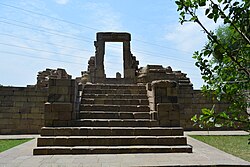
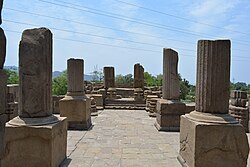
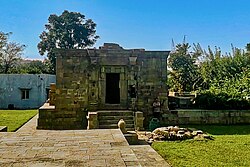
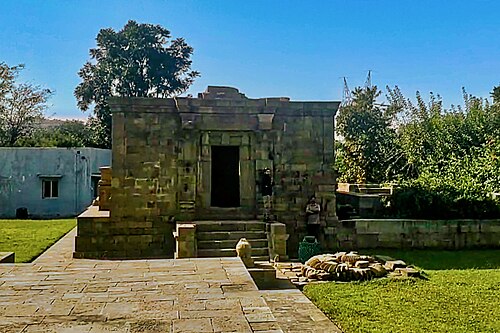
Both temples share a common architectural vocabulary typical of Hindu temple design from their era. Each structure rests upon a raised platform known as a jagati, which elevates the sacred space above ground level. The temples feature a pillared mandapa (assembly hall), an antarala (vestibule), and a garbhagriya (inner sanctum). The mandapa and sanctum both follow a square plan, a geometric form considered auspicious in Hindu temple design. The doorjambs and lalatabimba—the decorative lintel area above doorways—display extensive carved ornamentation, indicating the skilled craftsmanship invested in these structures.
The most distinctive sculptural elements are two representations of Nataraja, the dancing form of Shiva. These carvings are notable features of the complex and reflect the theological importance of Shiva's cosmic dance within the devotional tradition. The temples have undergone stabilization work that includes a plastered protective wall, necessary conservation measures to preserve the structures for future generations.
Visiting the Temples
The Kala Dera temples are located in Manwal, near Thalora in Udhampur district. The site is designated as a Monument of National Importance (ASI monument number N-JK-49) and is maintained by the Archaeological Survey of India's Srinagar circle. As these are archaeological ruins rather than active temples with regular worship, visitors should approach them with the respect appropriate to sacred sites while understanding that formal darshan timings and ritual schedules may not operate as they would at functioning temples.
Visitors should dress modestly when visiting the site, as is customary at Hindu sacred spaces. The elevated platform and carved elements require careful movement, particularly in wet conditions. Photography is typically permitted at ASI monuments, though visitors should always inquire locally about any restrictions.
Reaching the Site
The temples are situated in Manwal village within Udhampur district in Jammu and Kashmir. The coordinates are 32.753653°N, 75.14604°E. Udhampur district is accessible by road from major cities in the region. Visitors planning to visit should make local inquiries about road conditions and accessibility, as weather in Jammu and Kashmir can affect travel, particularly during winter months. The nearest significant town is Thalora, from which directions to Manwal can be obtained.
Understanding the Sacred Context
These temples were built during a period when Shaivism—the worship of Shiva—was a major religious tradition across northern India. The presence of Nataraja imagery indicates that this was not merely a place for ritual worship but also a center for understanding Shiva's cosmic significance. The carved doorways and decorated lintels suggest that the visual representation of divine forms was considered an important part of the devotional experience.
The ruins today offer visitors an opportunity to encounter medieval Hindu religious architecture in its material form, to understand how temples were constructed and organized, and to appreciate the artistic traditions that flourished during this period. The site connects visitors to a continuous tradition of Shiva worship that extends from the medieval period to the present day.
How to reach
Temples near Ancient Temples Kala Dera I and II, Thalora
Ancient Temple Nand Babour
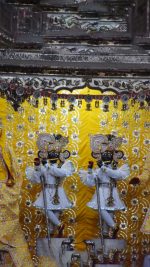
Shri NandBaba Temple in Nandgaon is dedicated to Nand Maharaj, the father of Lord Krishna, and is believed to be Krishna's childhood home. The temple houses deities of NandBaba,…
Devi Bhagwati Temple Babour Thalora
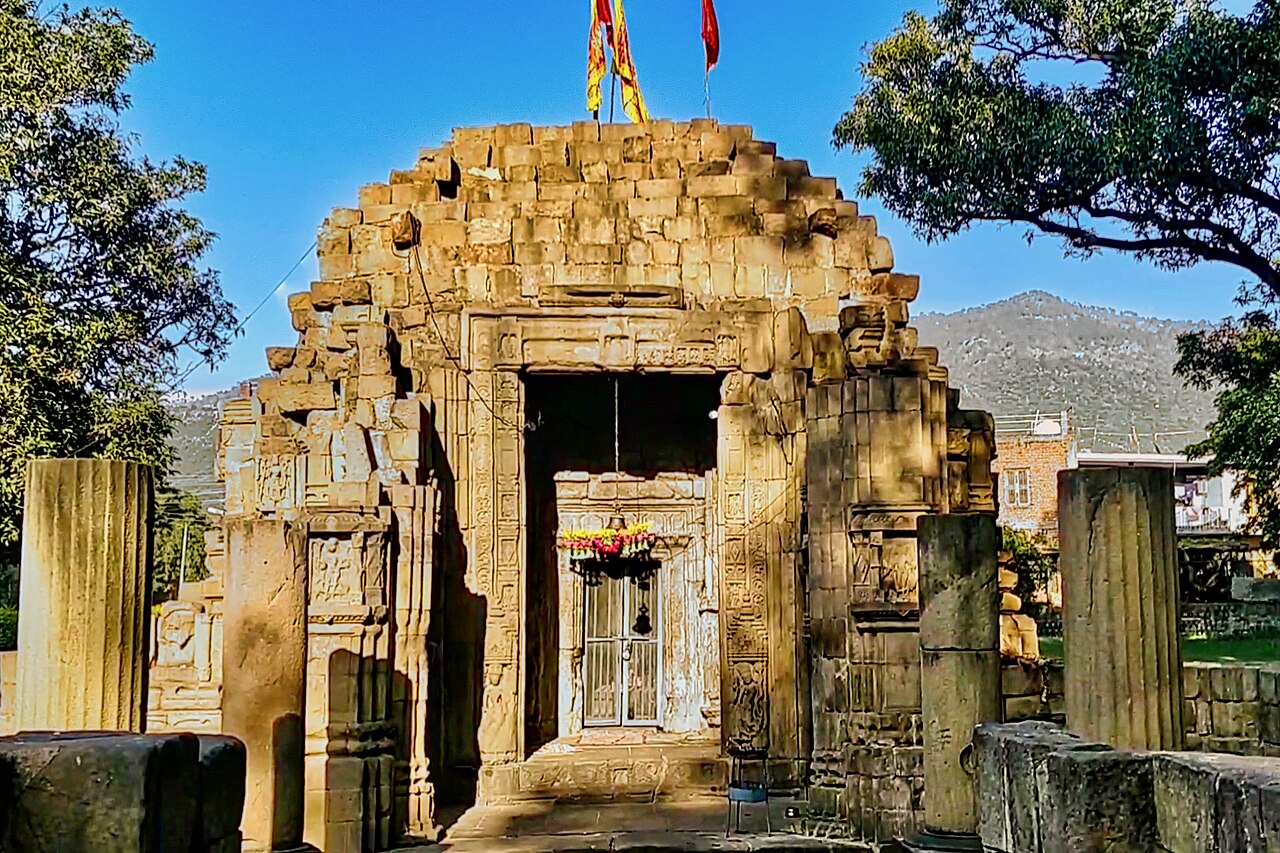
Devi Bhagwati Temple in Babour Thalora's deity and specific details remain unconfirmed in available sources.
Group of Temples at Kiramchi
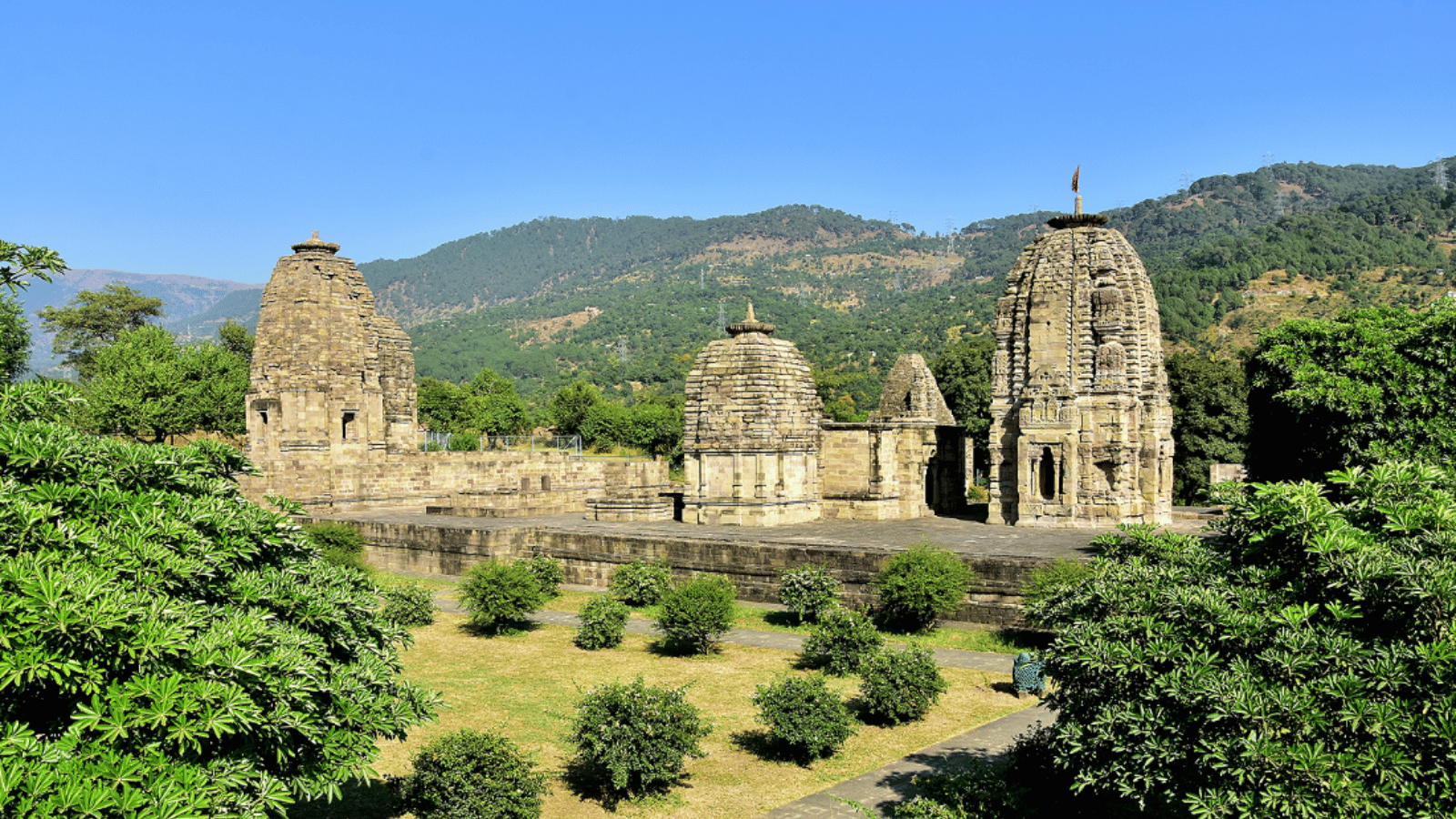
The Krimchi temple complex comprises seven ancient Hindu shrines constructed during the 8th–9th centuries in the Nagara style under Gurjara-Pratihara architectural tradition, lo…
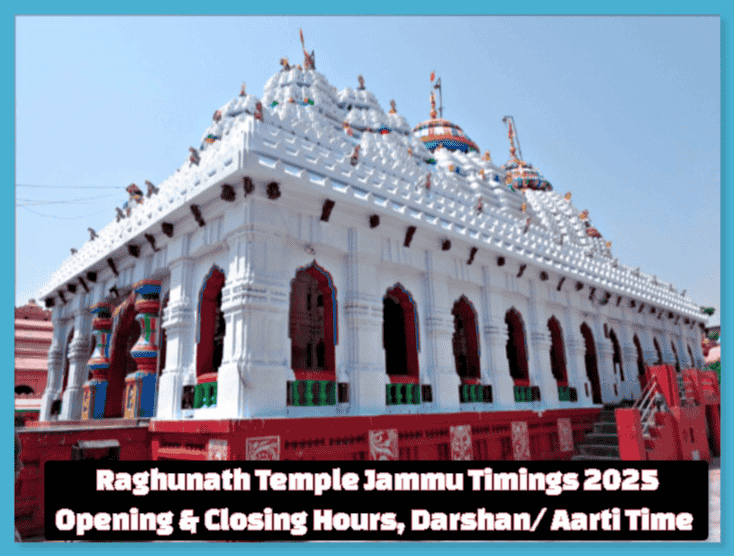
Raghunath Temple
Raghunath Temple in Jammu is North India's largest temple complex, housing 17 shrines dedicated to Lord Rama and other Hindu deities. Built between 1835–1860 by Dogra rulers Mah…
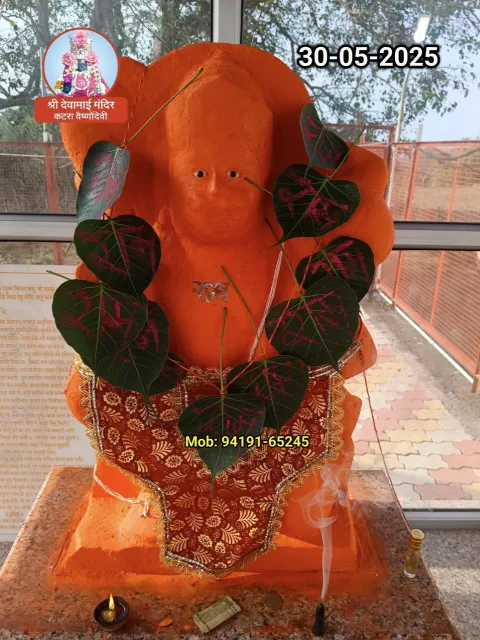
Deva Mai Temple
Deva Mai Temple near Katra is revered as the second sacred darshan in the Vaishno Devi pilgrimage sequence, nestled in the Siwalik Hills and believed to be where the Divine Moth…
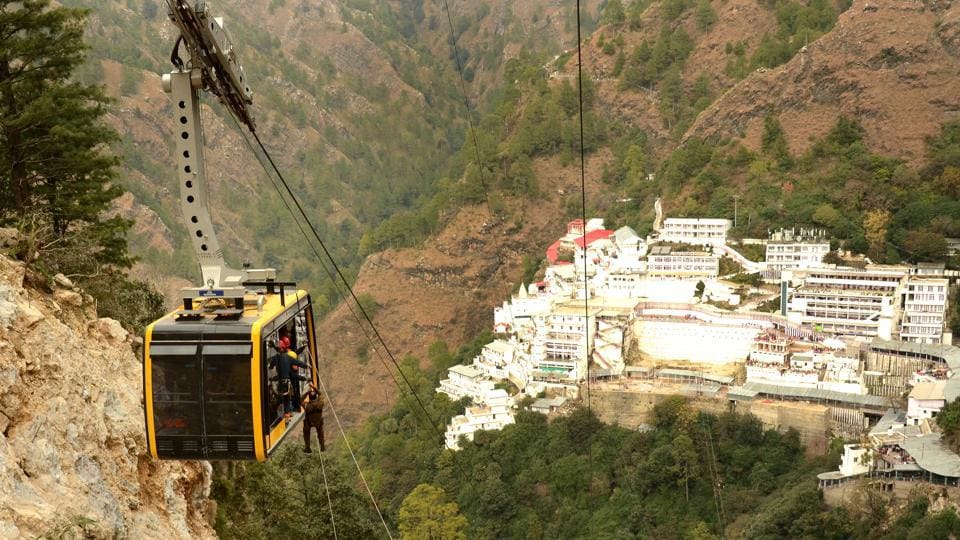
Vaishno Devi
Vaishno Devi shrine in Katra is a sacred cave temple where the goddess is believed to have merged her human form with the astral form of the three supreme energies. The pilgrima…