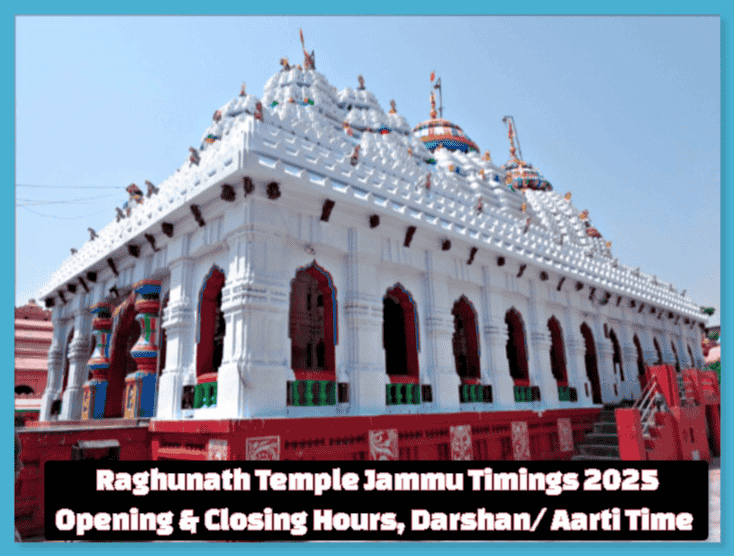

Raghunath Temple
About Raghunath Temple
The temple was established between 1835 and 1860 under Dogra rule. Maharaja Gulab Singh, the first Dogra ruler, initiated construction in 1835, and his son Maharaja Ranbir Singh completed the work in 1860. This period of construction reflects the temple's significance as a major religious and cultural monument within the Dogra kingdom. The temple stands as a marker of Jammu's heritage during this era of regional rule.
The Complex: Scale and Contents
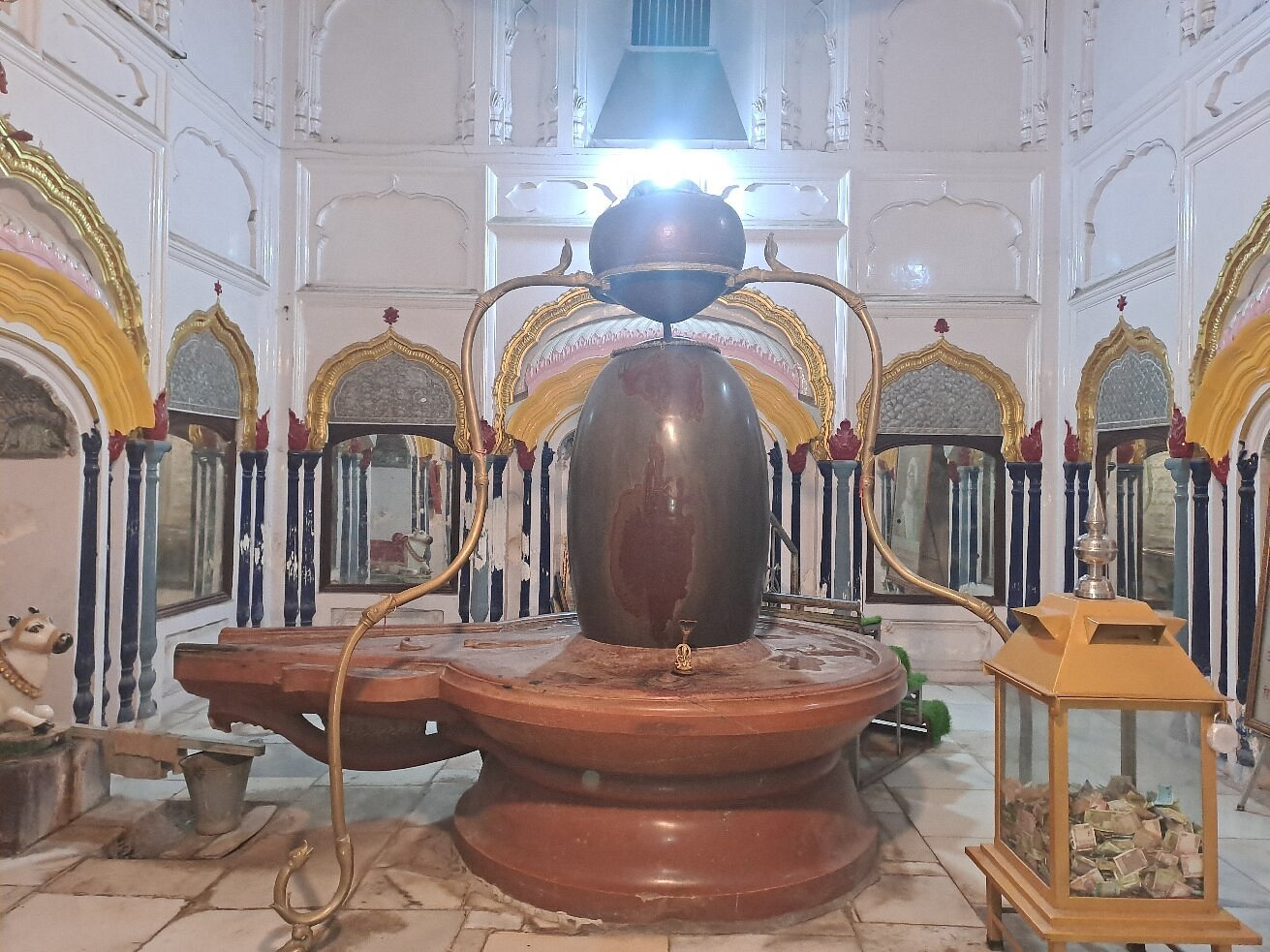
Raghunath Temple comprises seventeen separate shrines within a single complex, making it the largest temple complex in North India. Each shrine has its own tower structure. Beyond the multiple temples, the complex houses a gallery containing 14 lakh Shaligrams—sacred stones traditionally sourced from the Narmada river and arranged in rows for devotional viewing. A library within the complex preserves approximately 6,000 Sanskrit manuscripts, including texts written in the ancient Sarada script. The complex also contains a shrine dedicated to a Sphatik (crystal) Shivling. This combination of architectural scale, sacred objects, and manuscript preservation makes the site unusual among North Indian temples.
Daily Worship and Visiting Hours
The temple opens at 6:00 AM and closes at 8:00 PM daily, with no afternoon closure—a feature that allows continuous access throughout the day. Two formal aartis (ritual offerings of light) structure the devotional day: the morning aarti at 7:00 AM and the evening aarti at 6:00 PM. Individual darshan is available at all times during operating hours. The best times to visit are 7:00–9:00 AM, when the temple is cooler and less crowded, or 5:00–7:30 PM, when the evening aarti creates a concentrated atmosphere of worship and the light is golden. Weekends between 11:00 AM and 2:00 PM tend to draw larger tourist groups and should be avoided if a quieter experience is preferred. Entry to the complex is free.
Practical Information for Visitors
Photography and mobile phones are not permitted inside the temple; visitors should leave these items in a locker or vehicle before entering. The temple is located approximately 3 kilometres from Jammu Tawi railway station, accessible by auto-rickshaw in about ten minutes. The address is Raghunath Temple, Jammu, Jammu & Kashmir, India. October through March offers the most pleasant weather for visiting. Visitors planning to explore the full complex—including the multiple shrines, the Shaligram gallery, and the manuscript library—should allow at least two hours. The continuous opening hours mean that pilgrims passing through Jammu can visit at flexible times without rushing.
What to Expect
The temple complex differs significantly from single-shrine temples. Visitors encounter not one focal point but a layered landscape of seventeen distinct shrines, each with its own architectural presence. The Shaligram gallery and manuscript library represent dimensions of Hindu devotional practice beyond ritual worship—the collection and preservation of sacred objects and texts. The gold-covered inner walls of the main sanctum create an aesthetic experience particular to this site. Visitors should dress modestly, as is customary at Hindu temples, and be prepared to remove footwear before entering shrines.
How to reach
You may also visit
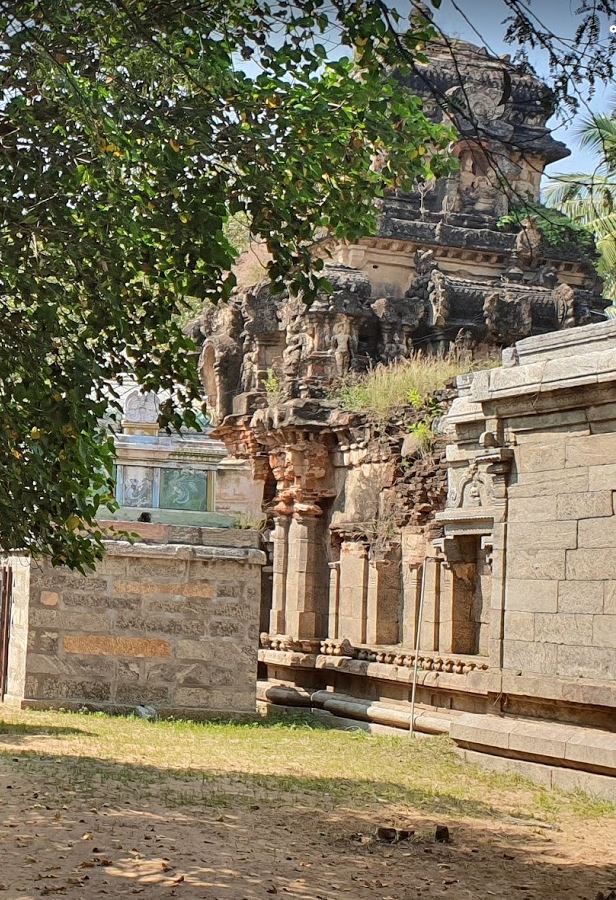
Agatheeswarar Temple, Karur
Agatheeswarar Temple in Thirumukkudalur, Karur district, is an ancient Hindu shrine dedicated to Shiva, situated at the sacred confluence of three rivers and believed to be over 1000 years old.
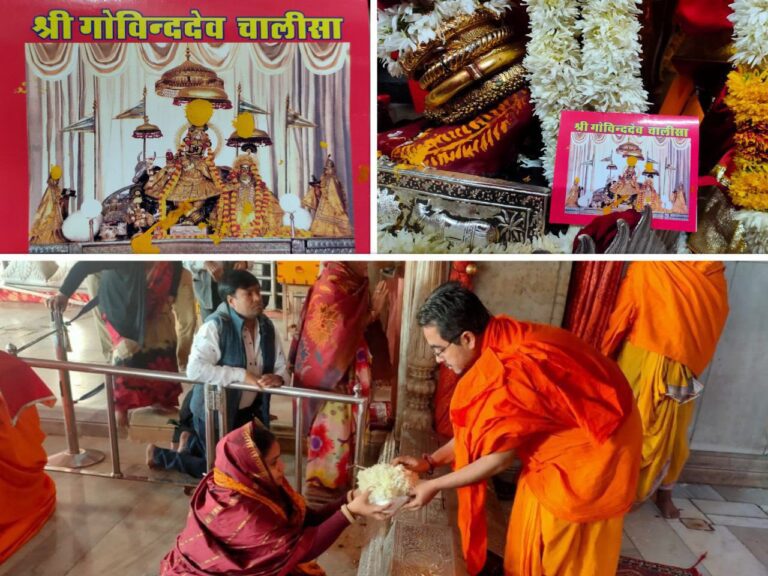
Kalyanji Temple
Kalyanji Temple in Jaipur's Chandpol Bazaar is an ancient Krishna shrine established in the 1820s, renowned for its seven daily aartis and special avatar darshan ceremonies during Akha Teej and Patottsav festivals.
Rani Sati Mandir Mahuda
Rani Sati Mandir in Mahuda, Dhanbad District, is a Hindu temple established in 1992 that serves as a spiritual center for the local community and attracts devotees seeking blessings.