Group of Temples at Kiramchi
About Group of Temples at Kiramchi
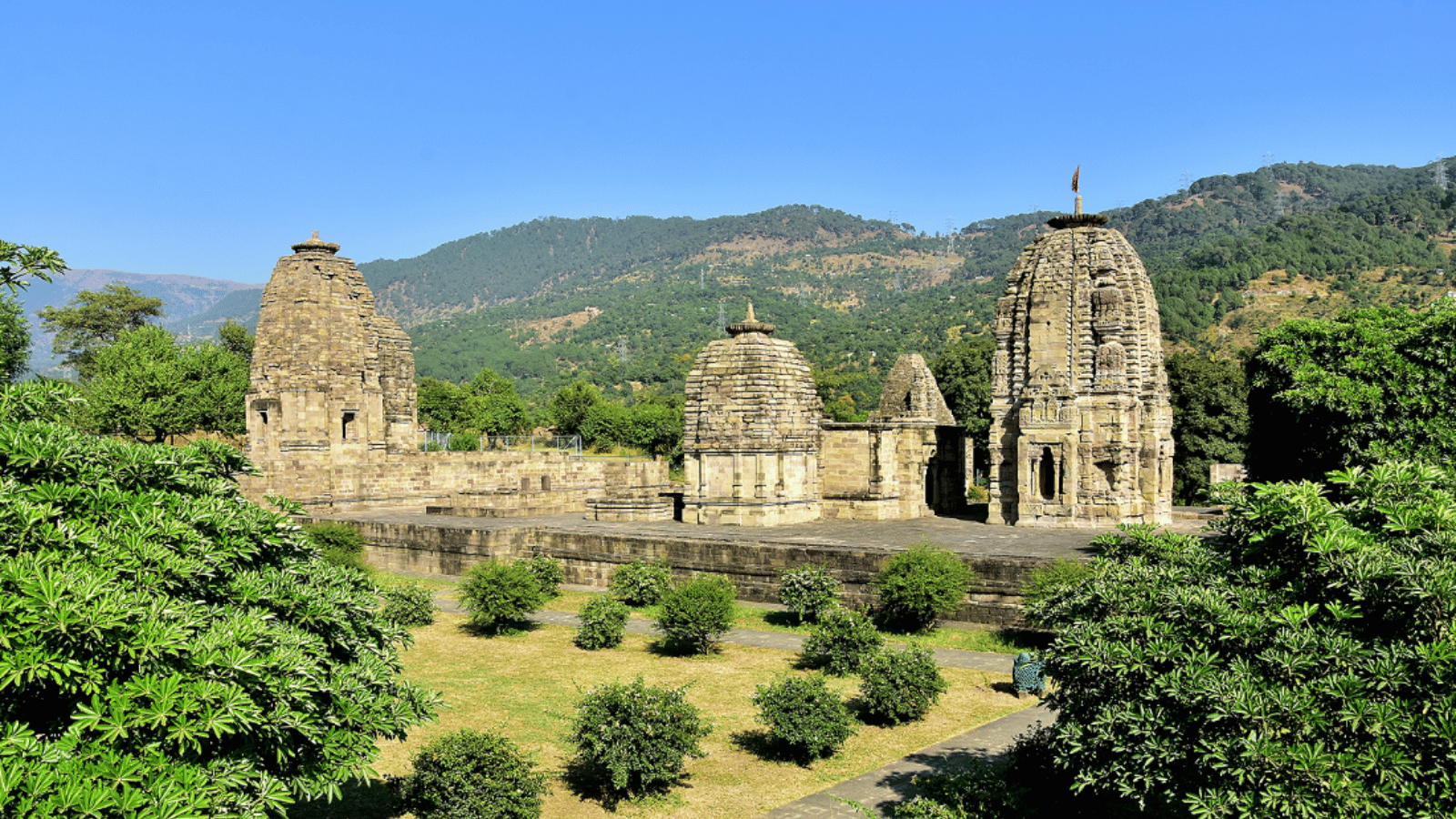
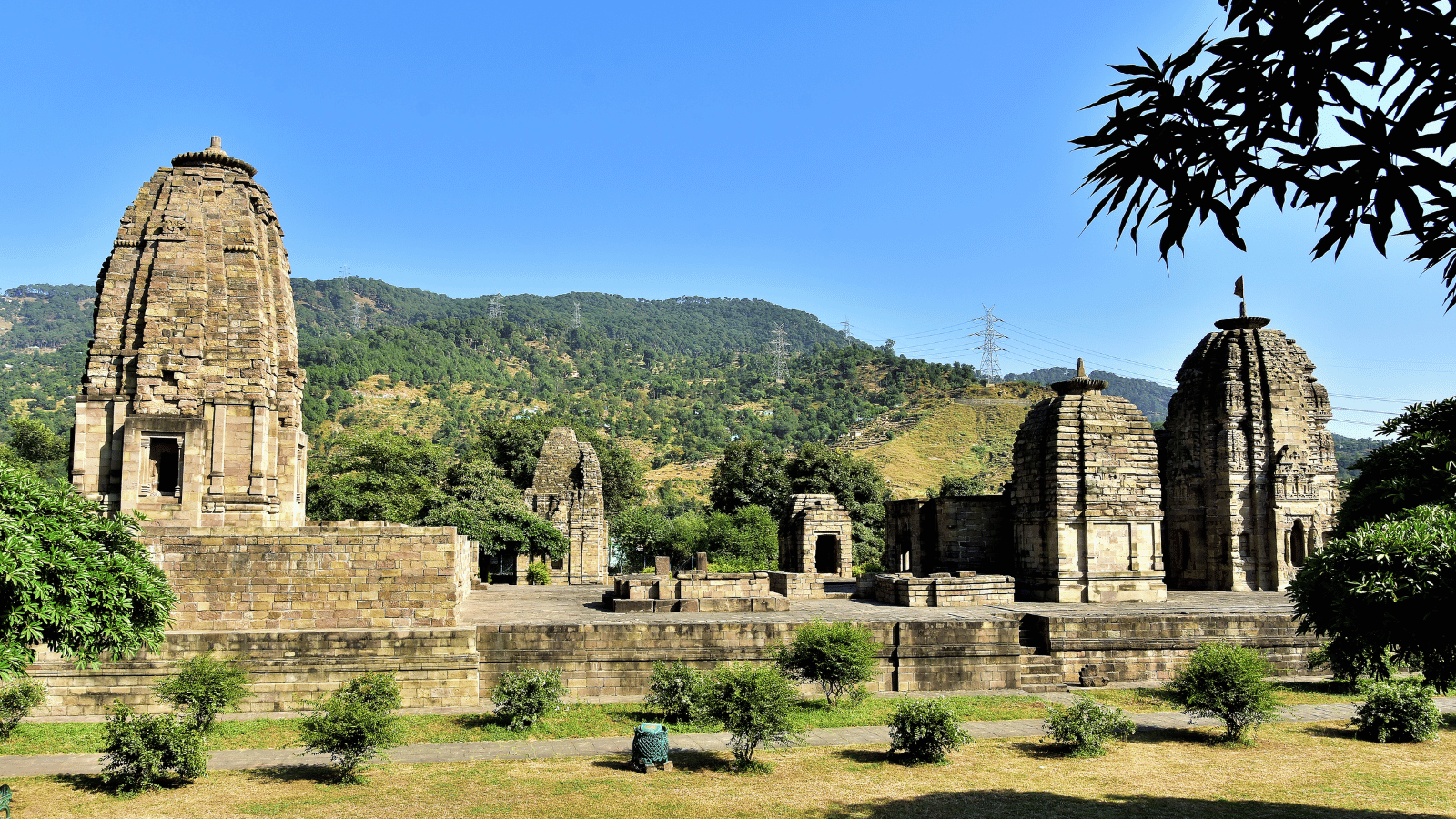
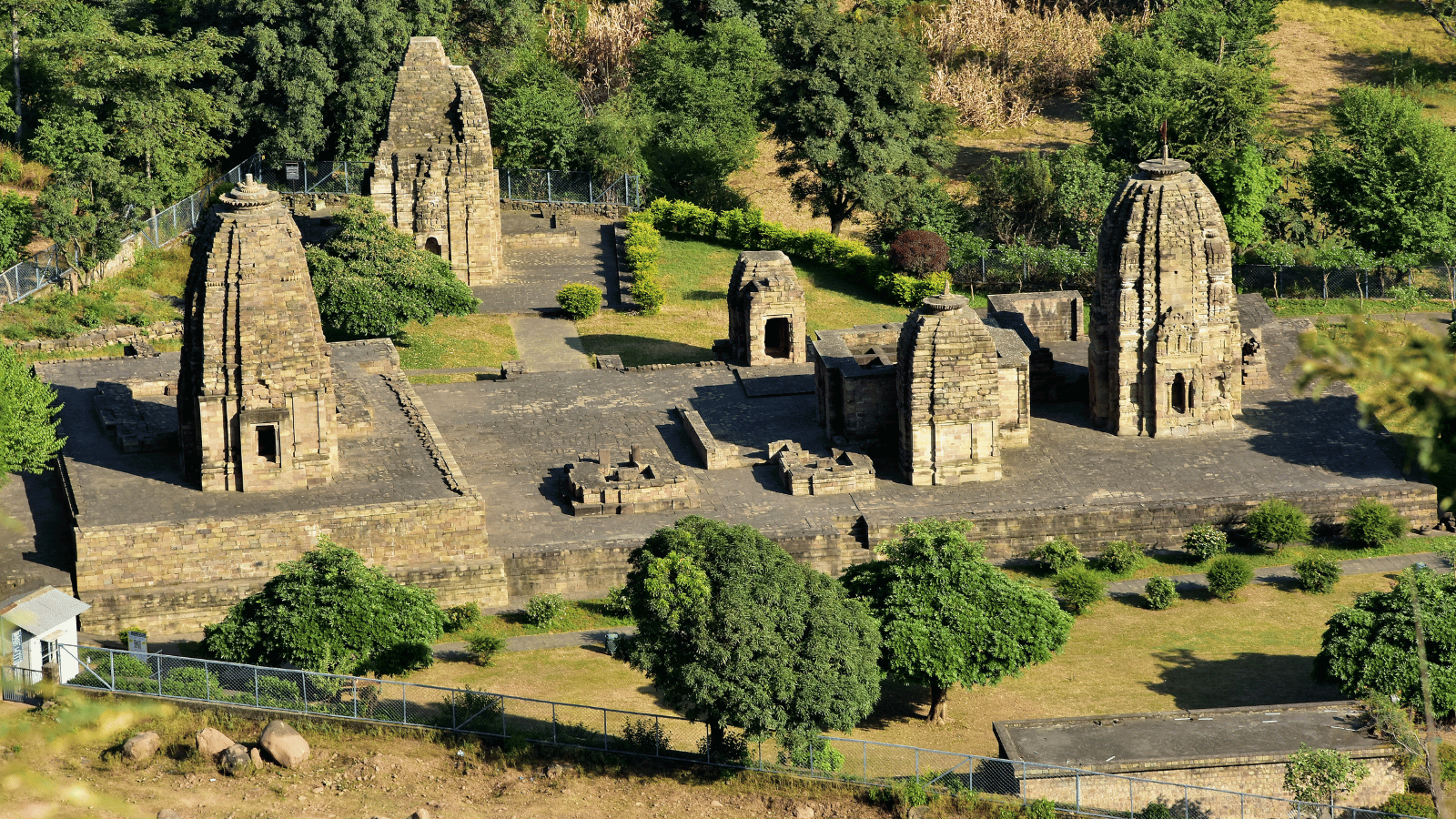
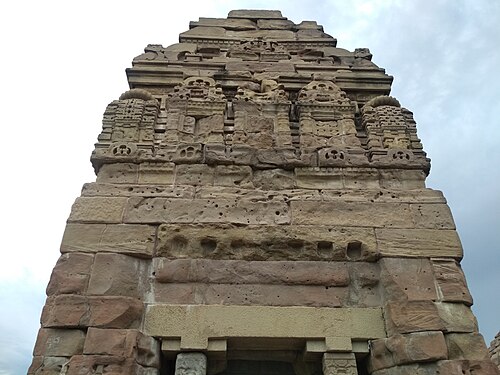
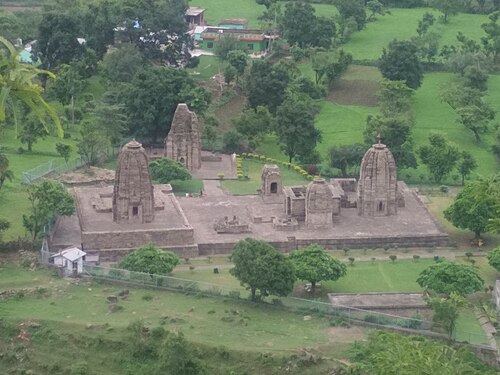
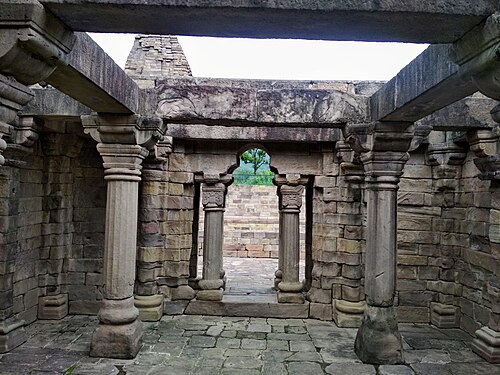
The temple complex displays the architectural vocabulary of early medieval Himalayan shrine construction. Four larger and three smaller shrines are dedicated to Lord Shiva, with most oriented toward the east. Each temple follows a consistent design: a square inner sanctum (garbhagriha) topped by a curvilinear tower (sikhara), connected to the entrance through an intermediate chamber (antarala). Above the entrance sits a sukanasika, a decorative element typical of this tradition. The external walls employ either a three-part (triratha) or five-part (pancharatha) plan, while niche shrines set into the walls house subsidiary deities. The stone surfaces, though eroded by centuries, retain faint abstract carvings that hint at the original decorative program.
Excavations at the site have uncovered stone idols, iron arrowheads, earthen vessels, and other artifacts that illuminate both ritual practice and daily life in the medieval period. The structural similarities between these temples and contemporary shrines at Bhubaneswar, Chamba, and Bharmour suggest that the region participated in broader networks of architectural and artistic exchange during this era.
Visiting the Temple Complex
The temples are open daily from sunrise to sunset. Entry is permitted for all ages, and a nominal fee applies. Photography and videography are allowed, though tripods are not permitted. The site is managed by the Archaeological Survey of India and is well-maintained, with clean surroundings and open greenery that create a peaceful atmosphere for exploration.
Facilities on-site include free water stations and washrooms. Visitors are advised to carry their own water bottles and supplies, particularly if planning to spend extended time at the complex or to picnic on the grounds. The site is not heavily crowded, allowing visitors to move through the temples at a leisurely pace and examine the architectural details without pressure. The open landscape and serene setting make the complex suitable for families, history enthusiasts, and photographers seeking offbeat heritage destinations.
Practical Information for Visitors
The temple complex is located in Kiramchi, Jammu and Kashmir, approximately one and a half hours from Jammu city. The best time to visit is early morning to mid-afternoon, when light conditions are favorable for viewing the stone carvings and photography, and temperatures are moderate. Visitors should plan their visit to conclude before sunset, when the gates close.
Modest dress is customary when visiting Hindu temples; loose-fitting clothing that covers the shoulders and knees is appropriate. Pets are not permitted on the premises. The site's elevated terrace location and open grounds mean there is limited shade; visitors should bring sun protection and adequate water, especially during warmer months. The terrain is generally accessible, though the elevated setting requires some walking across the terrace.
Understanding the Sacred Landscape
The temples stand within a landscape of spiritual significance shaped by both the natural environment and local tradition. The elevated terrace overlooking Biru Nalla creates a setting apart from the surrounding valley, a placement typical of Hindu temple sites that seek to establish sacred space through topography and orientation. The dedication to Lord Shiva, whose worship centers on the linga and the cosmic principles of creation and dissolution, connects these medieval shrines to a continuous tradition of Shaiva devotion in the Himalayan region. The association with the Pandavas, whether historically grounded or legendary, adds a layer of narrative meaning to the site, linking it to the broader mythological geography of Hindu tradition.
How to reach
Temples near Group of Temples at Kiramchi
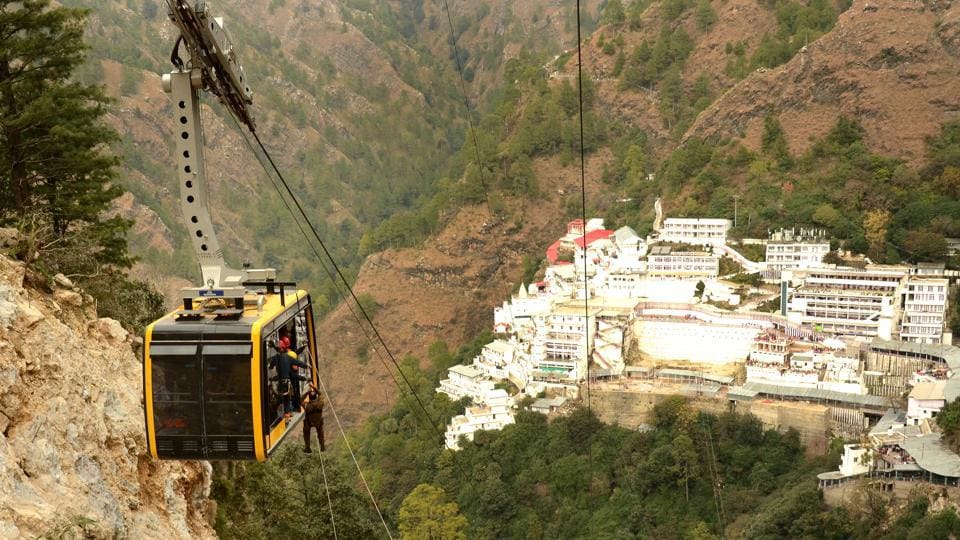
Vaishno Devi
Vaishno Devi shrine in Katra is a sacred cave temple where the goddess is believed to have merged her human form with the astral form of the three supreme energies. The pilgrima…
Deva Mai Temple
Deva Mai Temple near Katra is revered as the second sacred darshan in the Vaishno Devi pilgrimage sequence, nestled in the Siwalik Hills and believed to be where the Divine Moth…
Devi Bhagwati Temple Babour Thalora
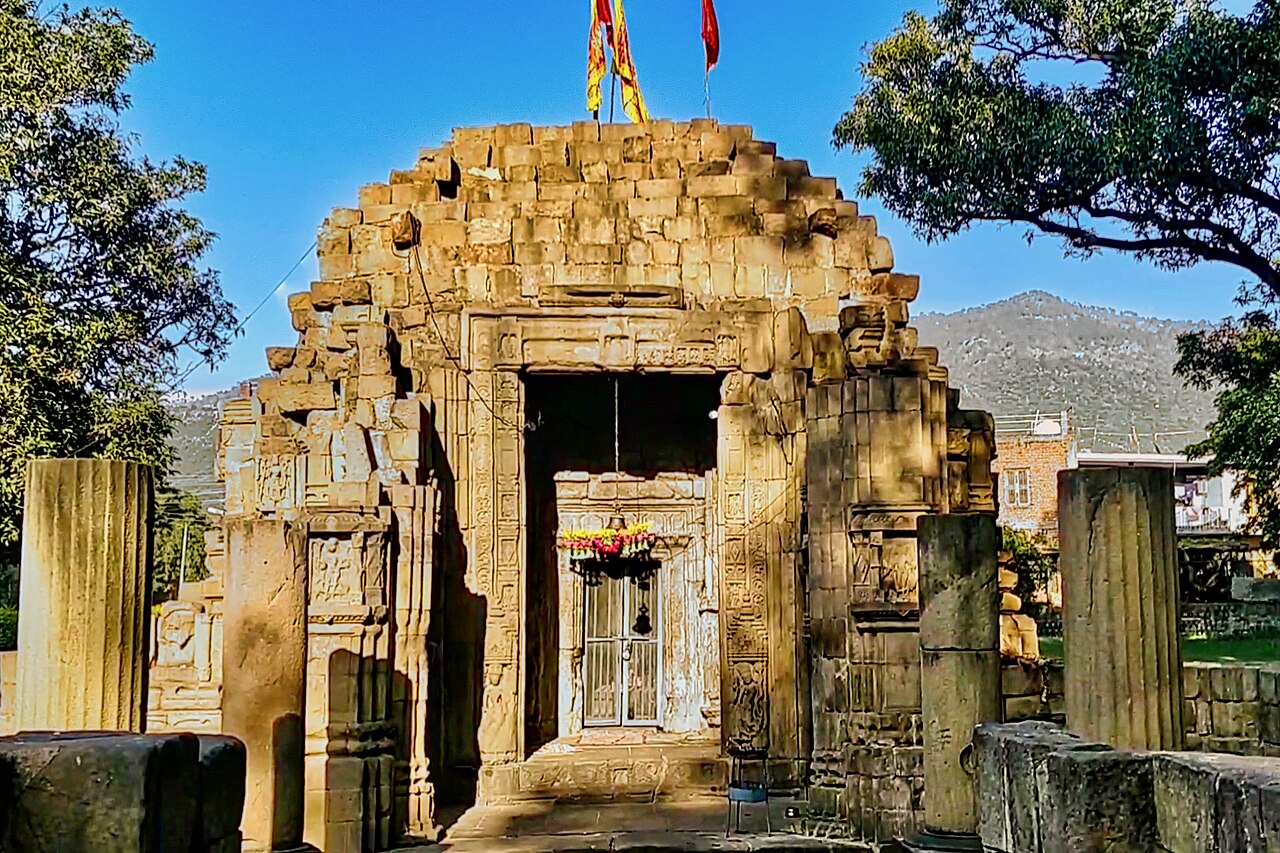
Devi Bhagwati Temple in Babour Thalora's deity and specific details remain unconfirmed in available sources.
Ancient Temples Kala Dera I and II, Thalora
The Kala Dera group comprises two ruined Hindu temples from the 10th to 11th century, situated in Manwal near Thalora in Udhampur district, Jammu and Kashmir. These structures a…
Ancient Temple Nand Babour
Shri NandBaba Temple in Nandgaon is dedicated to Nand Maharaj, the father of Lord Krishna, and is believed to be Krishna's childhood home. The temple houses deities of NandBaba,…
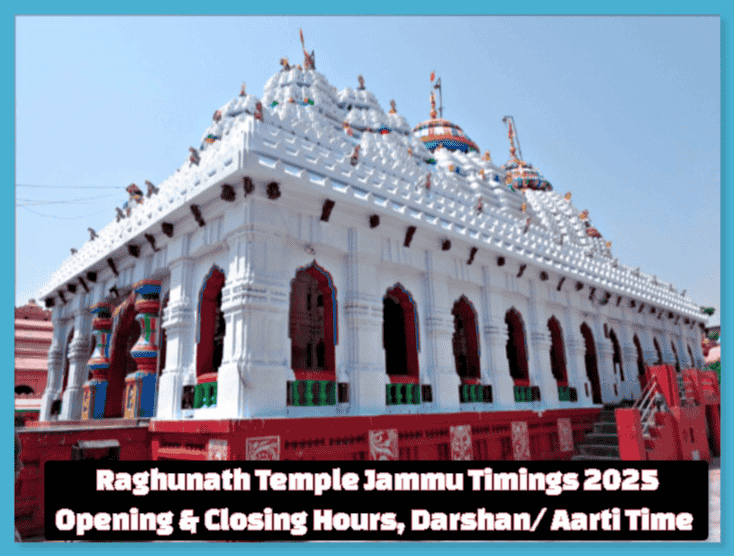
Raghunath Temple
Raghunath Temple in Jammu is North India's largest temple complex, housing 17 shrines dedicated to Lord Rama and other Hindu deities. Built between 1835–1860 by Dogra rulers Mah…