Deva Mai Temple
About Deva Mai Temple
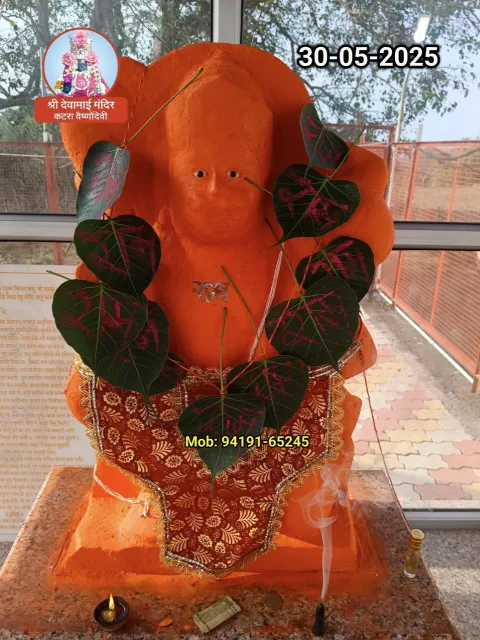
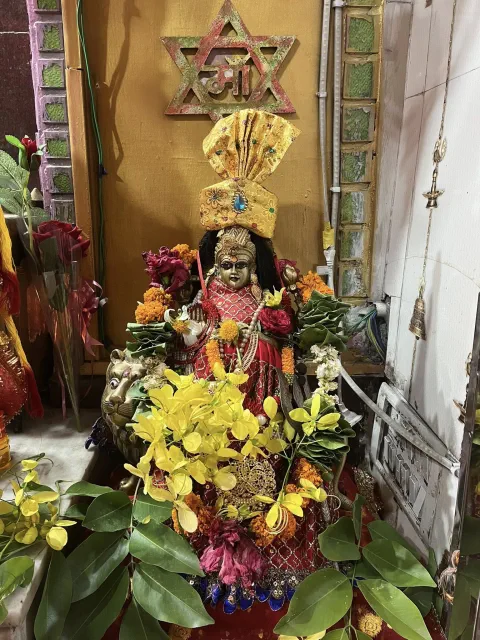
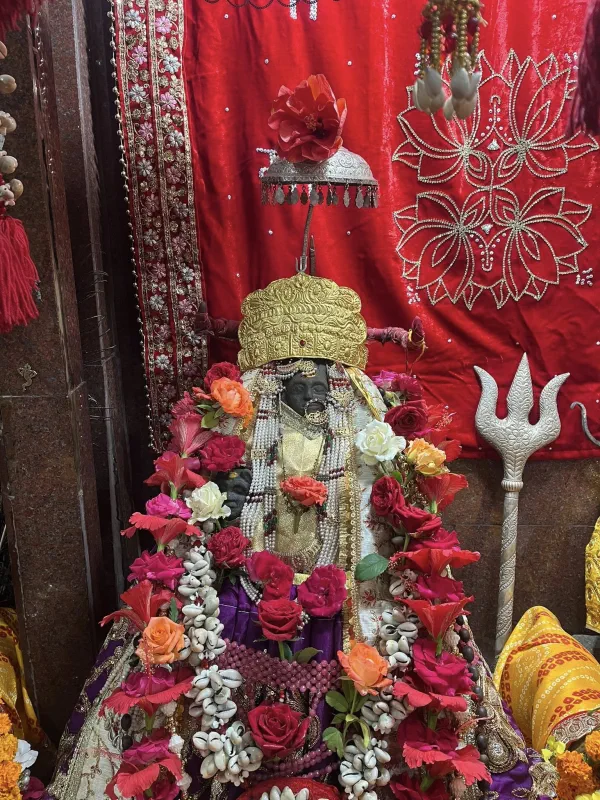
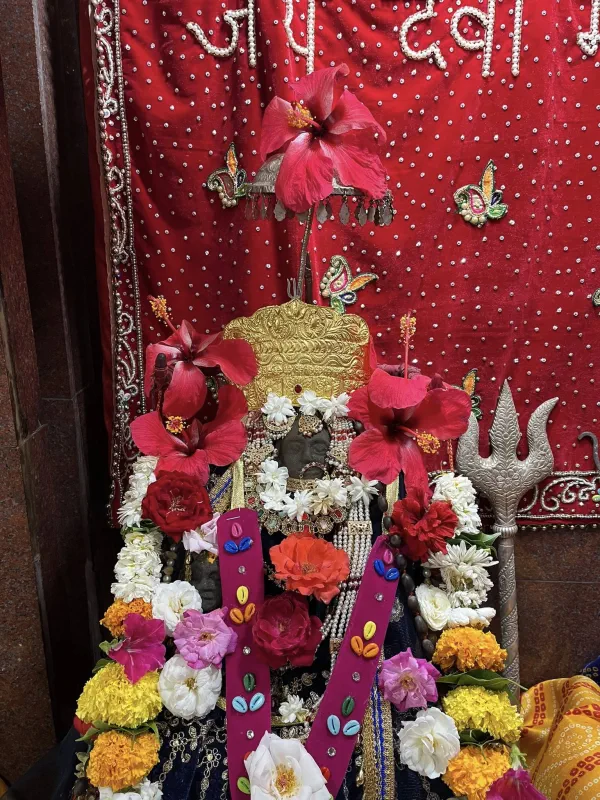
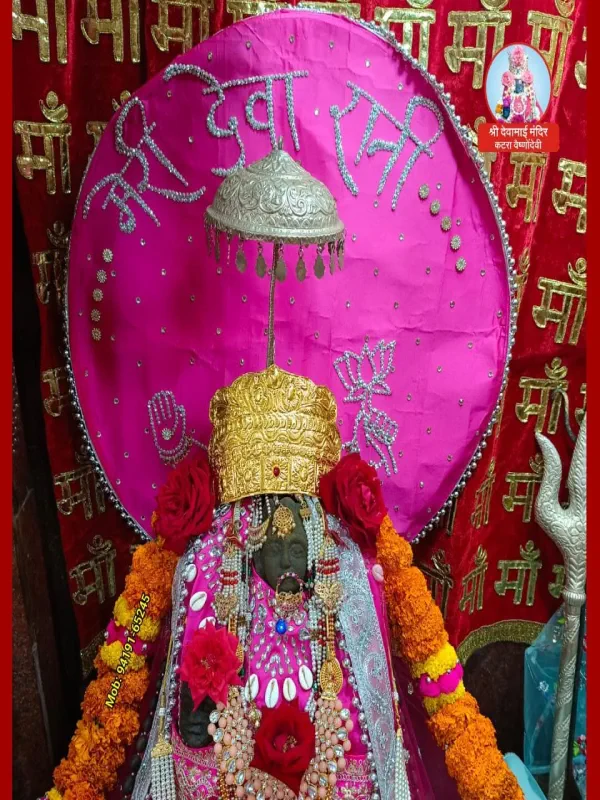
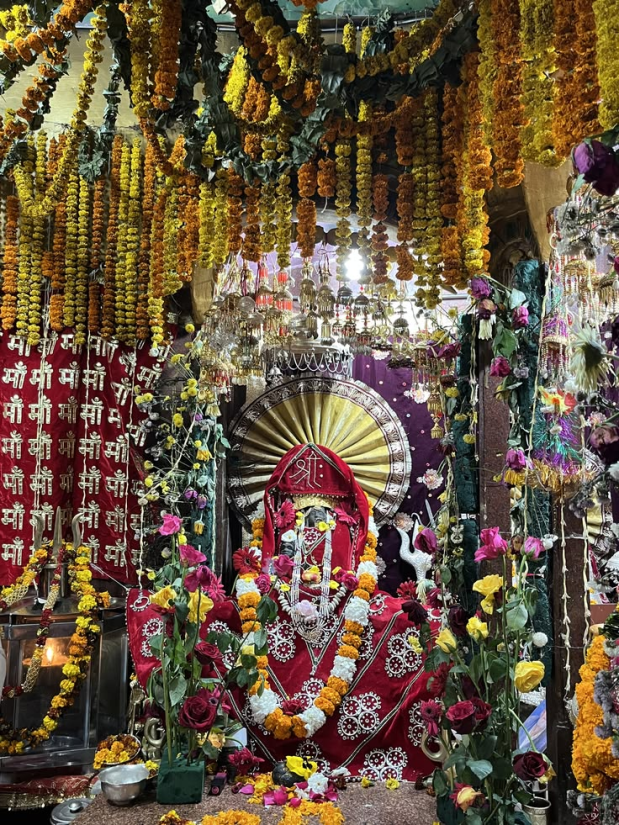
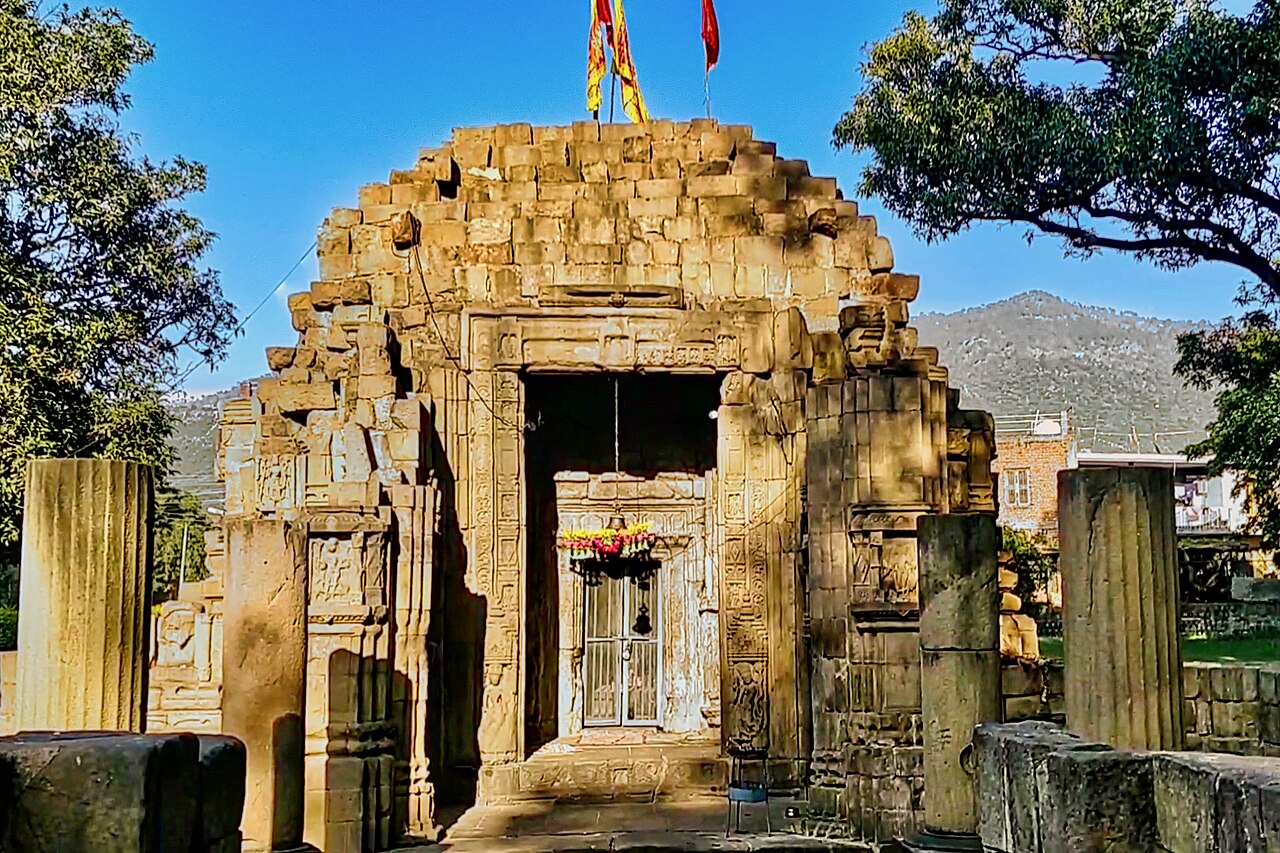
The temple houses a self-manifested idol of Mata Vaishno Devi, believed by devotees to embody the Goddess's divine presence. Among the temple's notable features is an ancient trishul, or trident, traditionally associated with the Goddess. A sacred mango tree, said to have been planted by the Goddess herself, grows within the temple grounds and serves as a focal point for pilgrims' reverence.
The setting itself contributes to the temple's spiritual atmosphere. Surrounded by dense forest within the Siwalik Hills, the temple offers a peaceful environment suited to prayer and meditation. The natural landscape creates a sense of seclusion and tranquility that many pilgrims find conducive to their spiritual practice.
Visiting Hours and Best Times
The temple remains open for darshan from 05:00 to 23:00 daily. However, visitors are advised to plan their visit between 06:00 and 19:00, as the surrounding forest area is best navigated during daylight hours. During peak pilgrimage seasons, darshan wait times may extend to 1–2 hours.
The most pleasant period to visit is March through October, when weather conditions are favourable for travel and outdoor activities. The cooler months from October to March also offer comfortable visiting conditions, though these coincide with the main Vaishno Devi pilgrimage season when crowds are larger. Visitors seeking a more serene experience may prefer visiting outside these peak periods.
Reaching the Temple
The temple is situated approximately 4 kilometres before Katra on the Jammu-Katra highway, accessed via a 3.5-kilometre diversion from the main road. Taxis and auto-rickshaws are readily available from Katra for the journey to the temple; the round-trip fare is typically around 600 rupees. The route is straightforward and easily navigable by vehicle, making the temple accessible to pilgrims of varying mobility levels.
Those arriving by train or bus will find Katra to be the nearest major transit point. From there, local transport options provide convenient access to the temple without requiring an extended trek.
Practical Information for Visitors
Parking facilities are available at the temple. The dense forest surrounding the temple creates a peaceful setting, though visitors should be aware that the area is occasionally subject to wildlife activity. The path to the temple offers numerous opportunities for photography, allowing visitors to capture the natural beauty of the Siwalik landscape.
Visitors should dress modestly, as is customary when visiting Hindu temples. Comfortable walking shoes are advisable given the forest setting and the approach to the temple. Carrying water and sun protection is recommended, particularly during warmer months. The temple's remote location means that facilities such as food vendors or rest areas may be limited, so visitors should plan accordingly.
Spiritual Practice and Etiquette
As a temple dedicated to the Divine Mother, Deva Mai follows the devotional practices typical of Vaishno Devi pilgrimage sites. Visitors should approach the temple with reverence and maintain respectful behaviour within the sacred space. Photography is permitted along the path to the temple, though visitors should be mindful of the spiritual nature of the site and other devotees' experiences.
The temple's role as a second darshan within the pilgrimage tradition means that many visitors approach their time here as part of a larger spiritual journey. Whether visiting before or after the main Vaishno Devi pilgrimage, devotees often view their darshan at Deva Mai as an opportunity to deepen their connection to the Divine Mother's presence.
How to reach
Temples near Deva Mai Temple
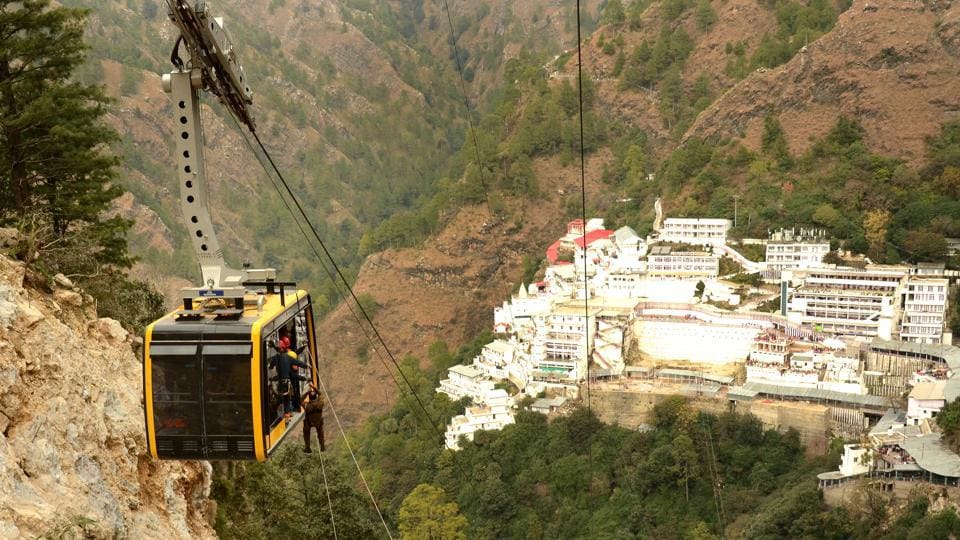
Vaishno Devi
Vaishno Devi shrine in Katra is a sacred cave temple where the goddess is believed to have merged her human form with the astral form of the three supreme energies. The pilgrima…
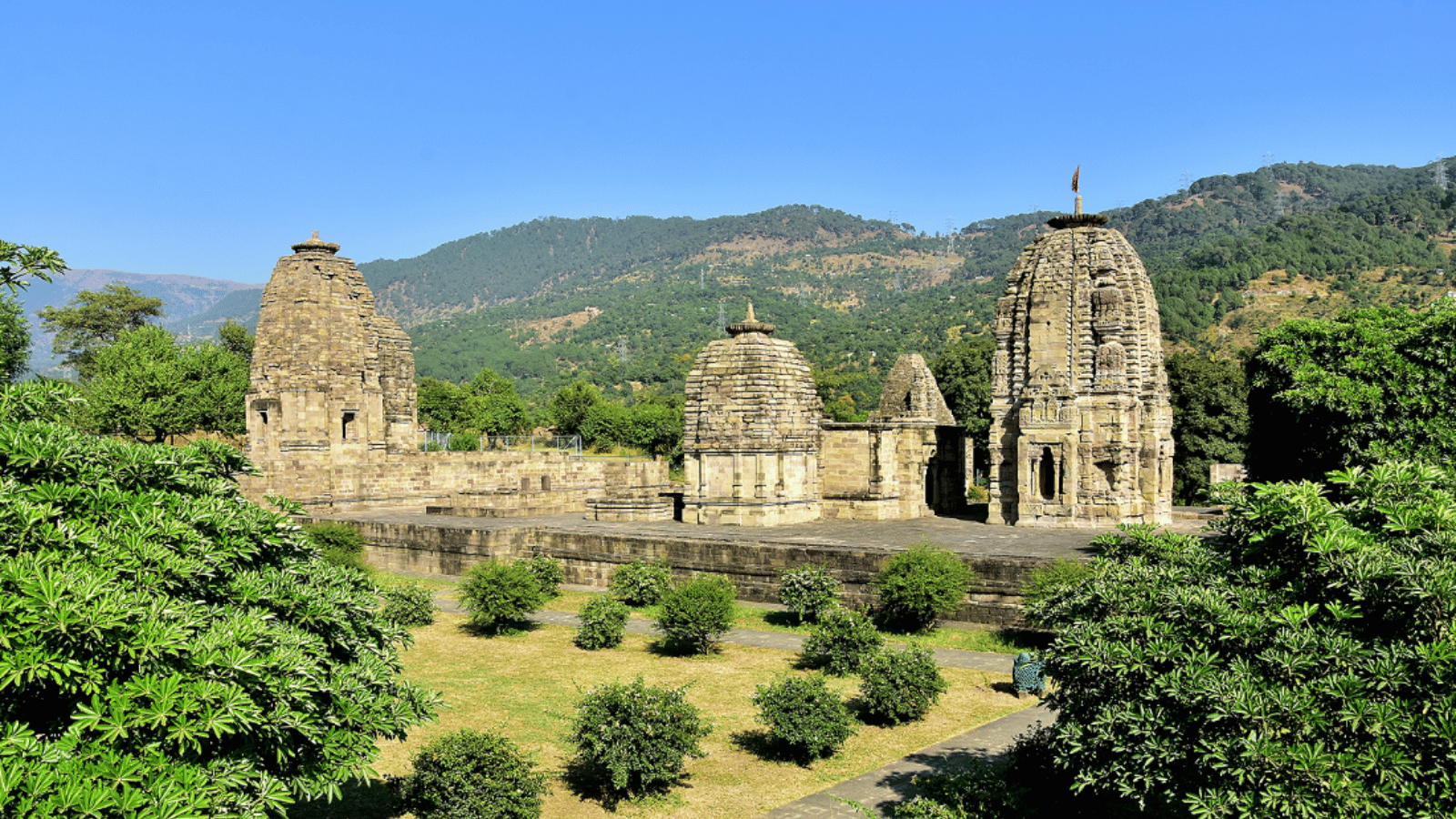
Group of Temples at Kiramchi
The Krimchi temple complex comprises seven ancient Hindu shrines constructed during the 8th–9th centuries in the Nagara style under Gurjara-Pratihara architectural tradition, lo…
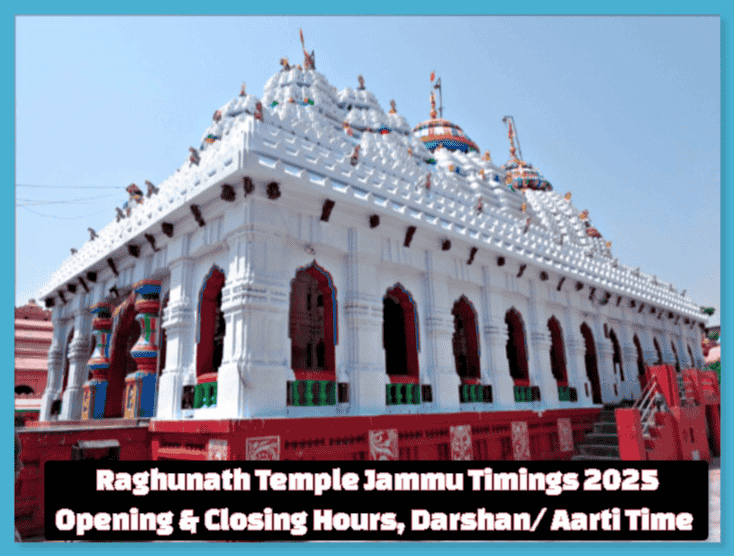
Raghunath Temple
Raghunath Temple in Jammu is North India's largest temple complex, housing 17 shrines dedicated to Lord Rama and other Hindu deities. Built between 1835–1860 by Dogra rulers Mah…
Ancient Temple Nand Babour
Shri NandBaba Temple in Nandgaon is dedicated to Nand Maharaj, the father of Lord Krishna, and is believed to be Krishna's childhood home. The temple houses deities of NandBaba,…
Ancient Temples Kala Dera I and II, Thalora
The Kala Dera group comprises two ruined Hindu temples from the 10th to 11th century, situated in Manwal near Thalora in Udhampur district, Jammu and Kashmir. These structures a…
Devi Bhagwati Temple Babour Thalora
Devi Bhagwati Temple in Babour Thalora's deity and specific details remain unconfirmed in available sources.