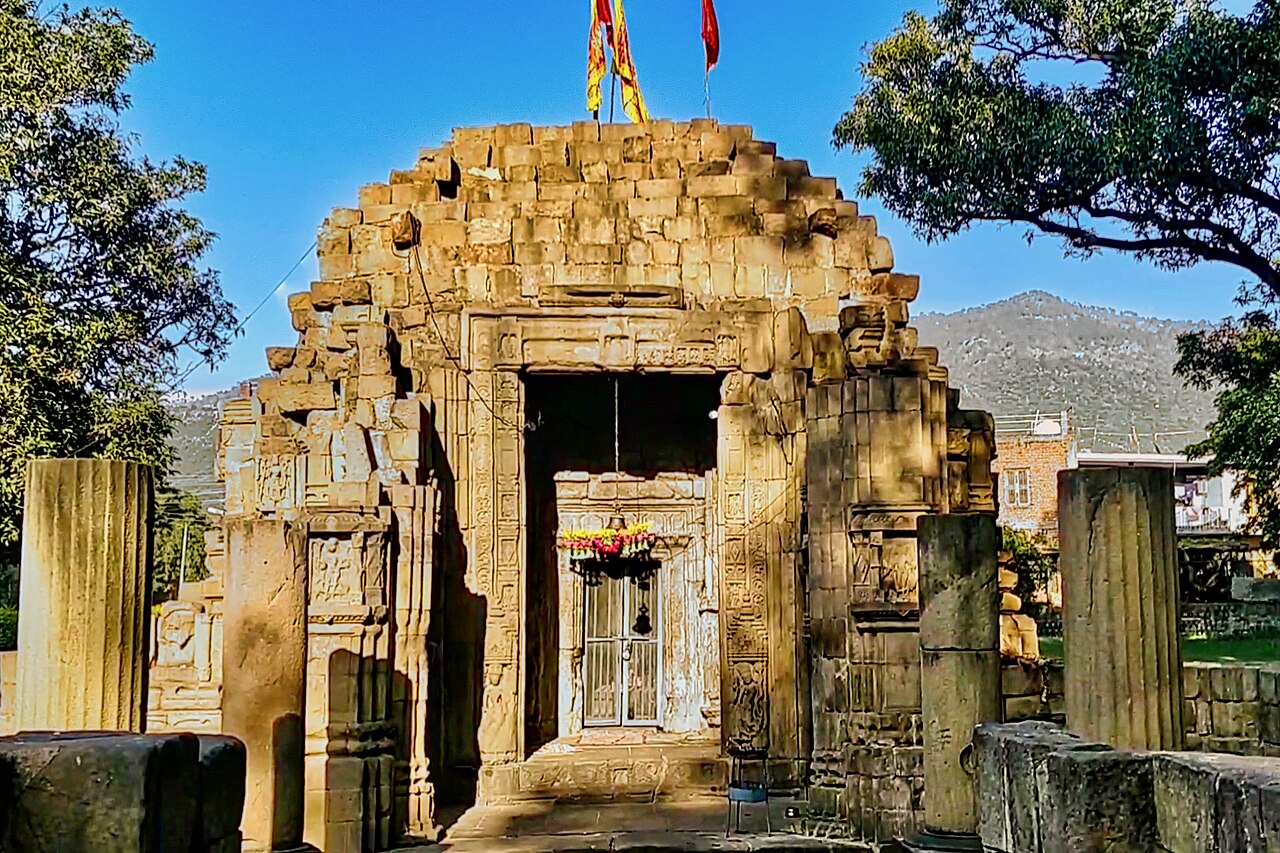
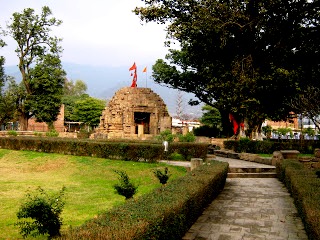
Devi Bhagwati Temple Babour Thalora
About Devi Bhagwati Temple Babour Thalora
The temple was established between the 9th and 10th centuries, placing it among the medieval religious structures of Kashmir and Jammu. It is now maintained by the Archaeological Survey of India under the Srinagar circle and holds the status of a Monument of National Importance. This designation reflects its value as a record of medieval Hindu temple architecture and religious practice in the region. The ruins visible today offer insight into the construction methods and spatial organization of temples from this period, though the structure has clearly undergone considerable change since its foundation.
Architecture and Layout
The temple follows a classical plan characteristic of medieval Hindu temple design. It sits upon a jagati, or raised platform, which elevates the sacred space above the surrounding ground level. The main worship chamber is a square mandapa, a hall that typically serves as the gathering space for devotees. This mandapa connects to an antarala, a vestibule or transitional space that leads toward the inner sanctum. This progression from outer to inner spaces reflects the traditional Hindu temple layout, which guides the worshipper inward toward the deity. The temple is noted as the simplest of four historic sites in the immediate Thalora area, suggesting a more modest architectural expression compared to its contemporaries.
Visiting the Temple
The temple is located at coordinates 32.756412, 75.150053 in Babour Thalora, Udhampur district, Jammu and Kashmir. Visitors should be aware that as a site under archaeological protection, the temple may have restricted access or specific visiting hours; it is advisable to contact the Archaeological Survey of India's Srinagar circle office in advance to confirm current conditions and any guidelines for visitors. The ruins require careful navigation, and appropriate footwear is recommended. As with most Hindu temples, visitors should remove their shoes before entering the sanctum and dress modestly. Photography policies may be in place given the monument's protected status, so visitors should inquire locally.
Reaching Babour Thalora
Babour Thalora is situated in Udhampur district in the Jammu division of Jammu and Kashmir. The nearest major city is Udhampur, which is connected by road to Jammu and other regional centers. The specific road conditions and seasonal accessibility of the site should be confirmed before travel, particularly during winter months when mountain roads in the region can be affected by snow. Local inquiry in Udhampur or nearby towns will provide the most current information about transport options and road conditions to reach the temple.
The Broader Sacred Landscape
The Devi Bhagwati Temple is one of four historic sites clustered around Thalora, indicating that this area held particular religious significance during the medieval period. This concentration of temples suggests a thriving center of worship and pilgrimage in earlier centuries. Visitors with scholarly or deep devotional interest may wish to explore the other sites in the vicinity to gain a fuller understanding of the region's religious history and the architectural traditions that shaped these structures.
How to reach
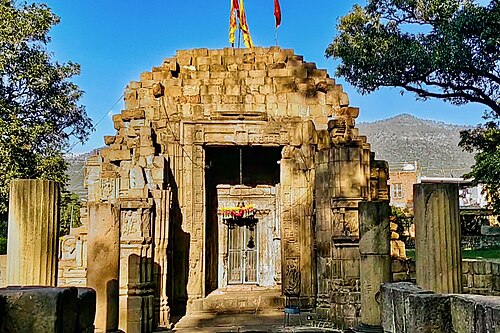
Temples near Devi Bhagwati Temple Babour Thalora
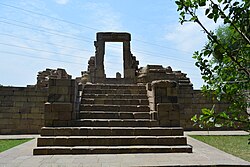
Ancient Temples Kala Dera I and II, Thalora
The Kala Dera group comprises two ruined Hindu temples from the 10th to 11th century, situated in Manwal near Thalora in Udhampur district, Jammu and Kashmir. These structures a…
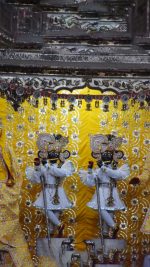
Ancient Temple Nand Babour
Shri NandBaba Temple in Nandgaon is dedicated to Nand Maharaj, the father of Lord Krishna, and is believed to be Krishna's childhood home. The temple houses deities of NandBaba,…
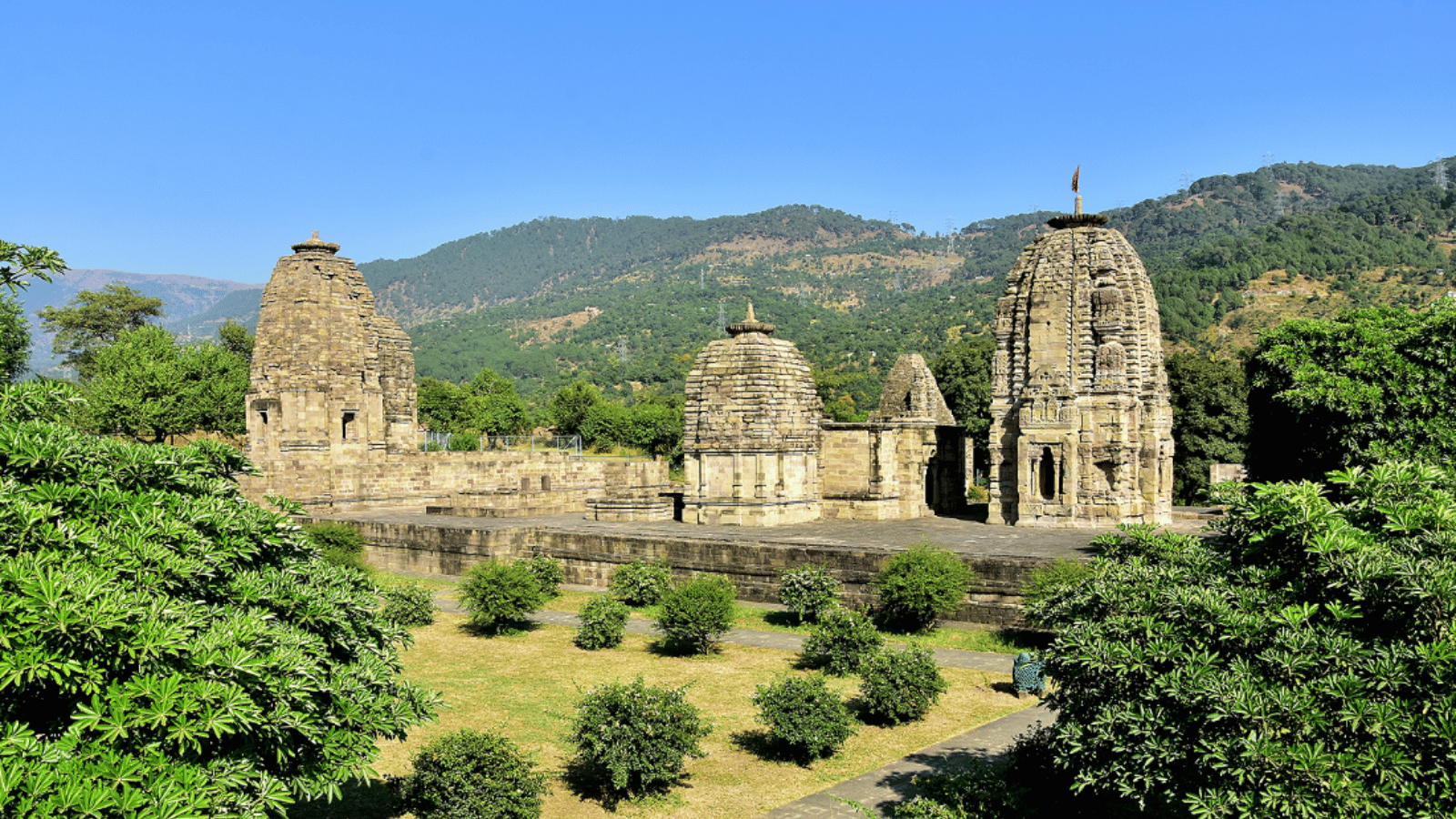
Group of Temples at Kiramchi
The Krimchi temple complex comprises seven ancient Hindu shrines constructed during the 8th–9th centuries in the Nagara style under Gurjara-Pratihara architectural tradition, lo…
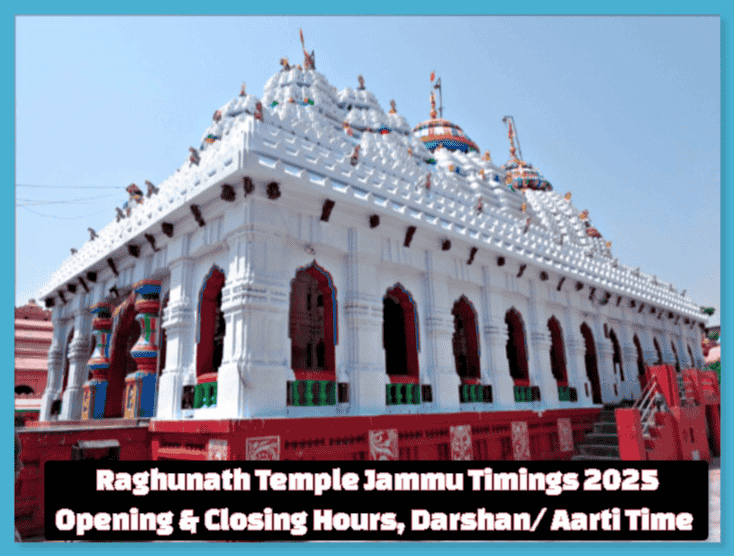
Raghunath Temple
Raghunath Temple in Jammu is North India's largest temple complex, housing 17 shrines dedicated to Lord Rama and other Hindu deities. Built between 1835–1860 by Dogra rulers Mah…
Deva Mai Temple
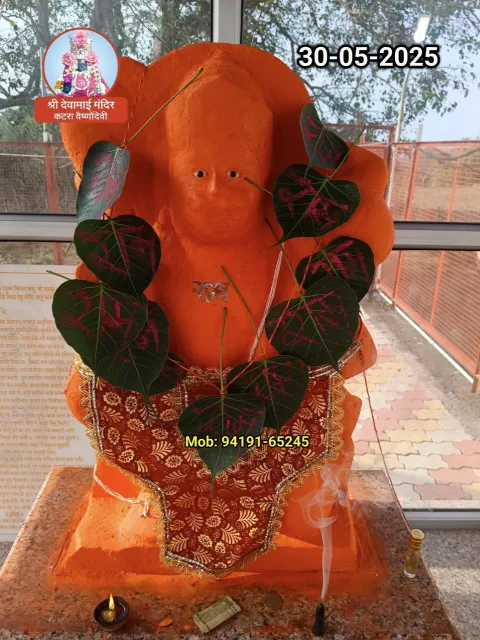
Deva Mai Temple near Katra is revered as the second sacred darshan in the Vaishno Devi pilgrimage sequence, nestled in the Siwalik Hills and believed to be where the Divine Moth…
Vaishno Devi
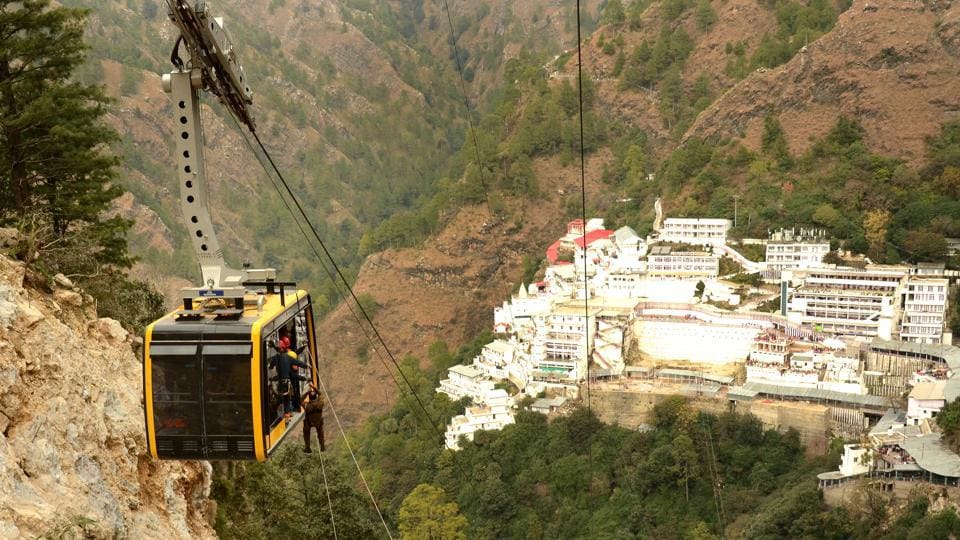
Vaishno Devi shrine in Katra is a sacred cave temple where the goddess is believed to have merged her human form with the astral form of the three supreme energies. The pilgrima…