Shree Shyam Mandir, Guwahati
About Shree Shyam Mandir, Guwahati
The temple observes a structured daily schedule of worship centred on aartis—ritual offerings of light and prayer. Three aartis are performed each day, with timings that shift seasonally to accommodate changing daylight hours. The Mangla Aarti, the morning worship, begins at 6:15 a.m. in summer and 6:40 a.m. in winter. The Shringar Aarti, which adorns the deity, follows at 7:30 a.m. (summer) or 8:00 a.m. (winter). The Bhog Aarti, concluding the main worship period, takes place at 12:15 p.m. in summer or noon in winter.
Hundreds of devotees visit during these aartis daily, making them the most vibrant times to experience the temple's spiritual atmosphere. The temple remains open from 6:00 a.m. to 1:00 p.m. and again from 3:45 p.m. to 10:00 p.m., allowing for both morning and evening darshan—the viewing and blessing of the deity.
Peak Pilgrimage Times
Devotion at the temple intensifies significantly on Ekadashi days—the eleventh lunar day observed in Hindu practice as auspicious for fasting and worship. The temple draws particularly large numbers during the Shukla paksha (waxing moon) Ekadashis of Kartik, Phalgun, and Margashirsha months in the Hindu lunar calendar. These three months correspond roughly to October-November, February-March, and November-December in the Gregorian calendar, though exact dates vary yearly according to lunar cycles.
If you plan to visit during these peak periods, expect crowded conditions and allow extra time for darshan. The temple's inauguration day, 14 April, also draws commemorative observances.
Visiting Practicalities
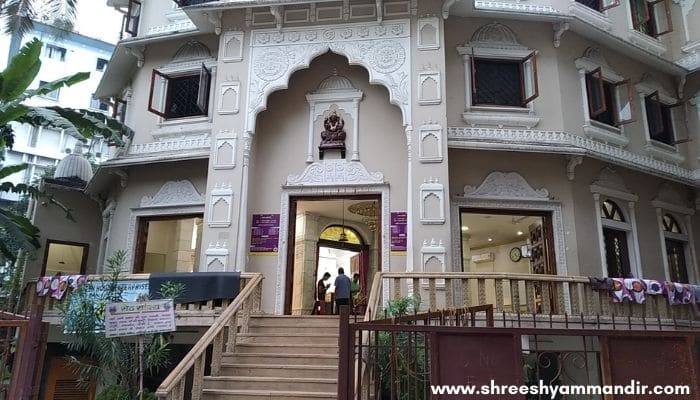
The temple is located in Chatribari, approximately 2.5 kilometres from Guwahati Railway Station and about 18 kilometres from IIT Guwahati. The address is Chatribari, Guwahati, Assam 781001. Standard temple etiquette applies: remove footwear before entering the sanctum, dress modestly, and approach the deity with respect. Many devotees fast or observe dietary restrictions on Ekadashi days; if you plan to do so, prepare accordingly.
The temple can be contacted at +91 98640 47407 for specific inquiries. Visitors should note that the temple closes between 1:00 p.m. and 3:45 p.m., so plan your visit accordingly if you wish to attend multiple aartis or spend extended time in prayer.
The Multi-Shrine Layout
The temple's design accommodates worship of several deities, each with its own dedicated shrine. Alongside the main Khatushyamji sanctum, you will find shrines to Ganesh (the remover of obstacles, typically worshipped first in Hindu practice), Hanuman (the devoted follower of Rama), Shiva and his family, Lakshmi (the goddess of prosperity), Rani Sati Dadi, and Santoshi Ma (the goddess of satisfaction). This arrangement reflects the inclusive nature of Hindu devotion, where a single pilgrimage can encompass prayers to multiple aspects of the divine.
The temple was designed by Santosh Ji Banka and constructed with community participation, giving it a character rooted in local devotional effort rather than institutional grandeur.
Khatushyamji Worship
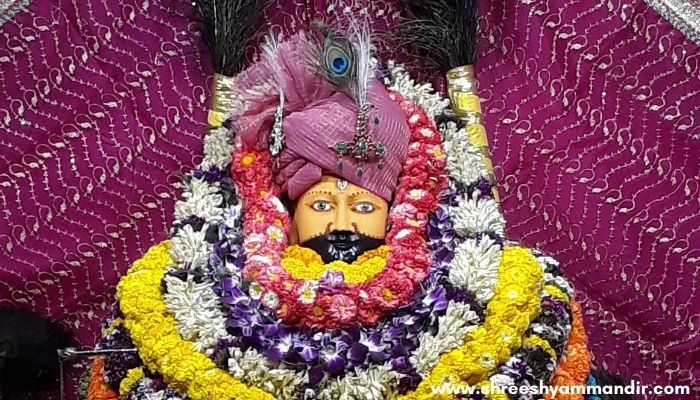
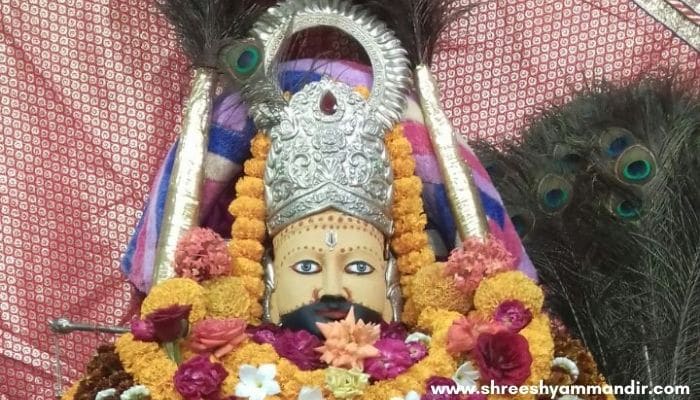
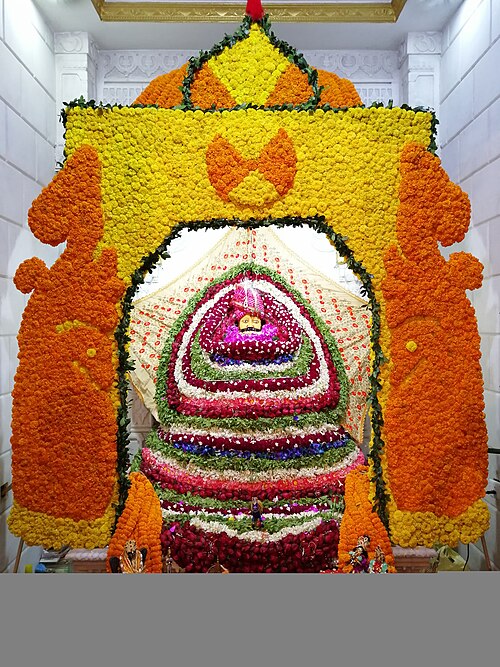
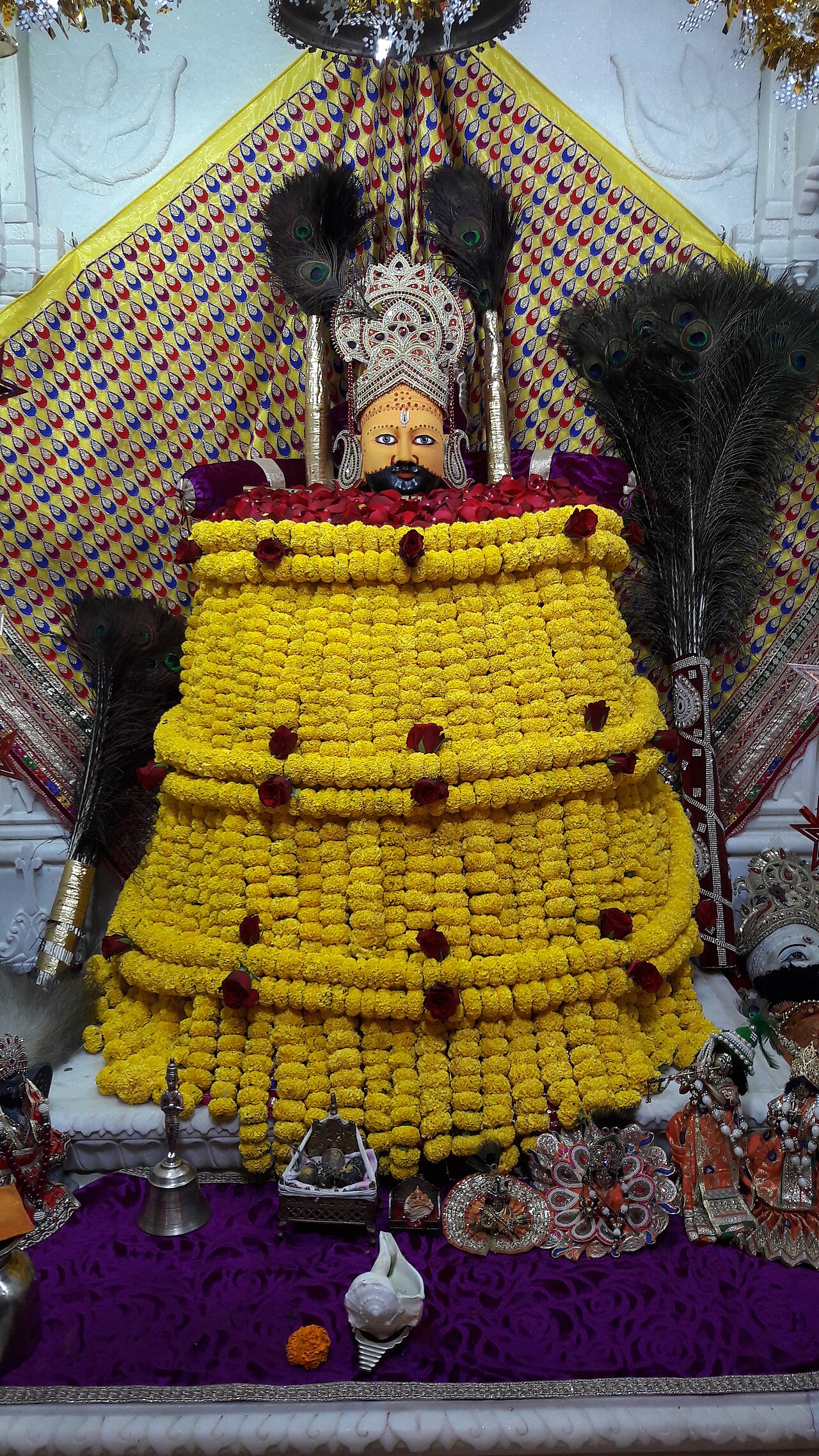
Khatushyamji, the presiding deity, is worshipped by devotees known as Shyam Bhakts—followers devoted to this particular form of the divine. While the sources do not detail the specific mythology or theological significance of Khatushyamji as understood at this temple, the daily presence of hundreds of devotees and the temple's establishment as a community project indicate a living and active tradition of worship. Temples dedicated to Khatushyamji typically attract devotees seeking blessings, resolution of difficulties, and spiritual fulfilment through dedicated practice and regular darshan.
How to reach

Temples near Shree Shyam Mandir, Guwahati
Nepali Mandir
Nepali Mandir in Guwahati is a 19th-century Shiva temple built by Nepali kings as a replica of the Pashupatinath Temple in Kathmandu, constructed with traditional terracotta, st…
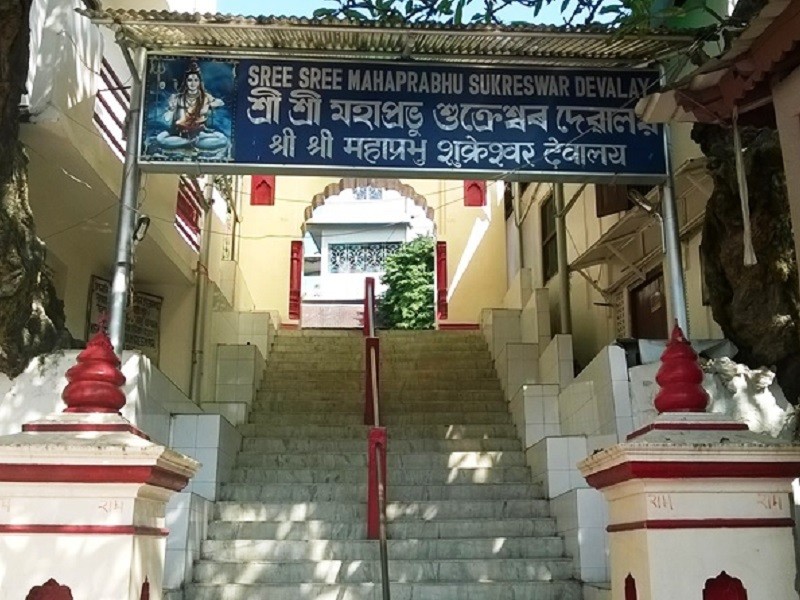
Sukreshwar Mandir
Sukreshwar Mandir is an ancient Shiva temple established in 1744 atop Sukreswar Hill in Guwahati, Assam, renowned for housing one of India's largest Shiva Lingas and serving as…
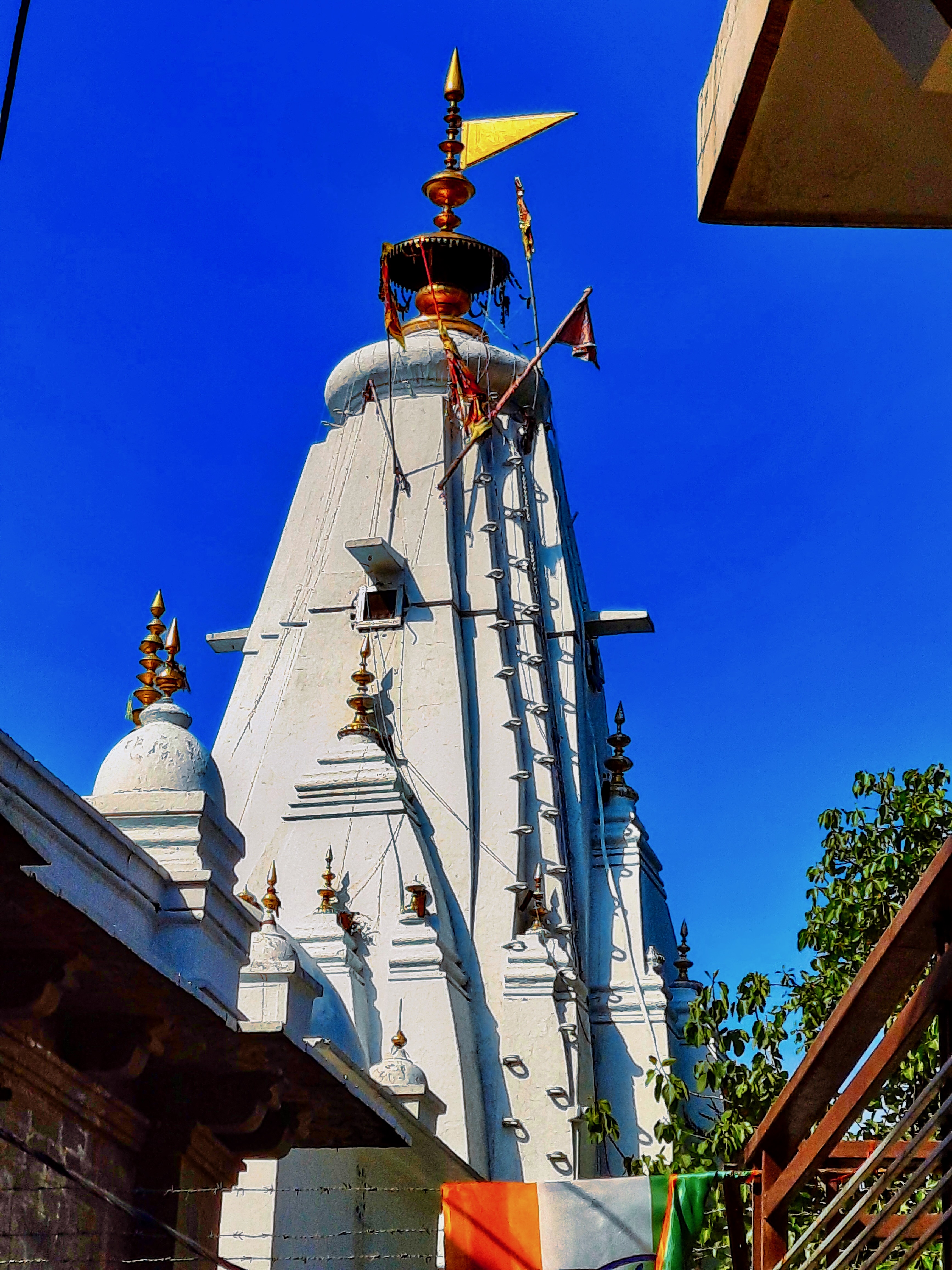
SHIV AND HANUMAN MANDIR
Shiv and Hanuman Mandir in Guwahati is a Hindu temple dedicated to both Lord Shiva and Lord Hanuman, serving as a spiritual center for daily worship and major festival celebrati…
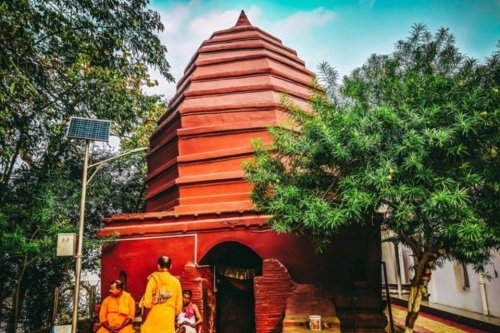
Umananda Mandir
Umananda Mandir is a historic Shiva temple situated on Peacock Island in the Brahmaputra River at Guwahati, Assam, reputedly located on the world's smallest inhabited river island.
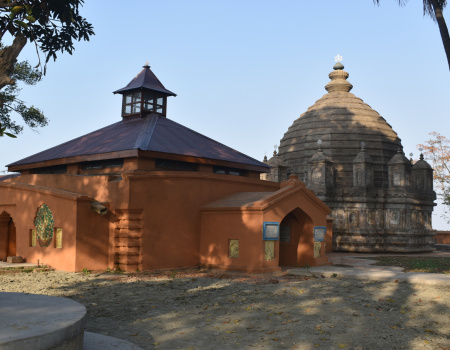
Aswakranta temple
Aswakranta Temple is an ancient Hindu shrine on the banks of the Brahmaputra River in North Guwahati, Assam, built by Ahom King Shiva Singha in 1720 and housing sacred images of…

Navagraha Mandir, Guwahati
Navagraha Mandir is an ancient hilltop temple in Guwahati, Assam, housing sacred lingams representing the nine celestial bodies of Vedic astrology—Surya, Chandra, Mangala, Rahu,…