Nepali Mandir
About Nepali Mandir
The temple maintains a rhythm of daily worship centered on Shiva veneration. Darshan—the viewing and blessing of the deity—is available throughout the day, allowing visitors flexibility in timing their visit according to personal schedules and devotional needs. The primary public ritual is the Sandhya Aarti, performed each evening at 19:00. This twilight ceremony draws devotees to participate in chanting and ritual offerings as daylight transitions to evening, creating a focal point for both community gathering and individual prayer.
Those wishing to attend specific ceremonies or participate in particular rituals should confirm current timings with the temple directly, as schedules may shift during festival periods or due to other observances.
Festivals and Sacred Observances
Maha Shivaratri holds special significance at this shrine, drawing devotees for night-long vigils and abhishekam—the ritual bathing of the deity—practices central to Shaivite tradition. This festival transforms the temple with extended rituals and heightened spiritual intensity, making it an ideal time for those seeking immersive worship experiences. The temple also observes Guru Purnima, honoring the lineage of spiritual teachers, and Chhath Puja, a festival rooted in Bihari and eastern Indian traditions that reflects the diverse devotional communities within the temple's congregation. These occasions bring larger gatherings and special decorations, revealing the full ceremonial life of the shrine.
Architecture and Design
The temple's construction draws directly from Nepalese architectural vocabulary, employing traditional materials and techniques that distinguish it from many contemporary Indian temples. The use of terracotta, stone, and wood creates a textured, layered aesthetic that speaks to 19th-century craftsmanship. As a replica of Pashupatinath Temple, the structure carries symbolic weight for Nepali communities and for those devoted to Shiva worship across regional boundaries. The architectural choices reflect both practical considerations and spiritual intentions—creating a space that honors Himalayan sacred geography while serving the devotional needs of Guwahati's residents and visitors.
Visiting Information
Visitors should dress modestly when entering the temple, following the conventions observed at Hindu shrines. Appropriate attire typically includes covered shoulders and knees. The temple welcomes worshippers throughout the day for darshan, with the Sandhya Aarti at 19:00 offering a particularly accessible time to experience communal worship. Evening hours provide an especially atmospheric visit, as the aarti ritual creates a focused spiritual environment.
Those planning to visit during major festivals should arrive early, as these occasions draw larger crowds. It is advisable to confirm current timings and any temporary schedule changes by contacting the temple directly, particularly if traveling specifically for festival observances or particular ceremonies.
Location and Access
Nepali Mandir is located in Guwahati, Assam, at coordinates 26.1784°N, 91.7504°E. The temple sits within the city's sacred geography, accessible to both residents and pilgrims visiting Guwahati's various religious sites. Visitors should plan their journey using these coordinates or the temple's street address to locate the shrine within the city.
How to reach
Temples near Nepali Mandir
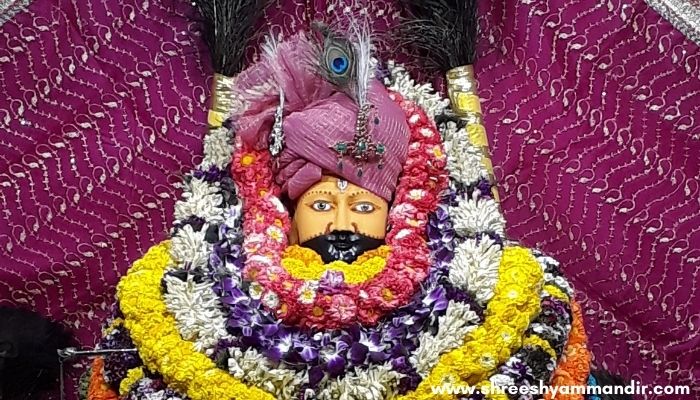
Shree Shyam Mandir, Guwahati
Shree Shyam Mandir in Guwahati's Chatribari district is a community-built temple dedicated to Khatushyamji (Shyam Baba) with multiple shrines to other deities. Established in 20…
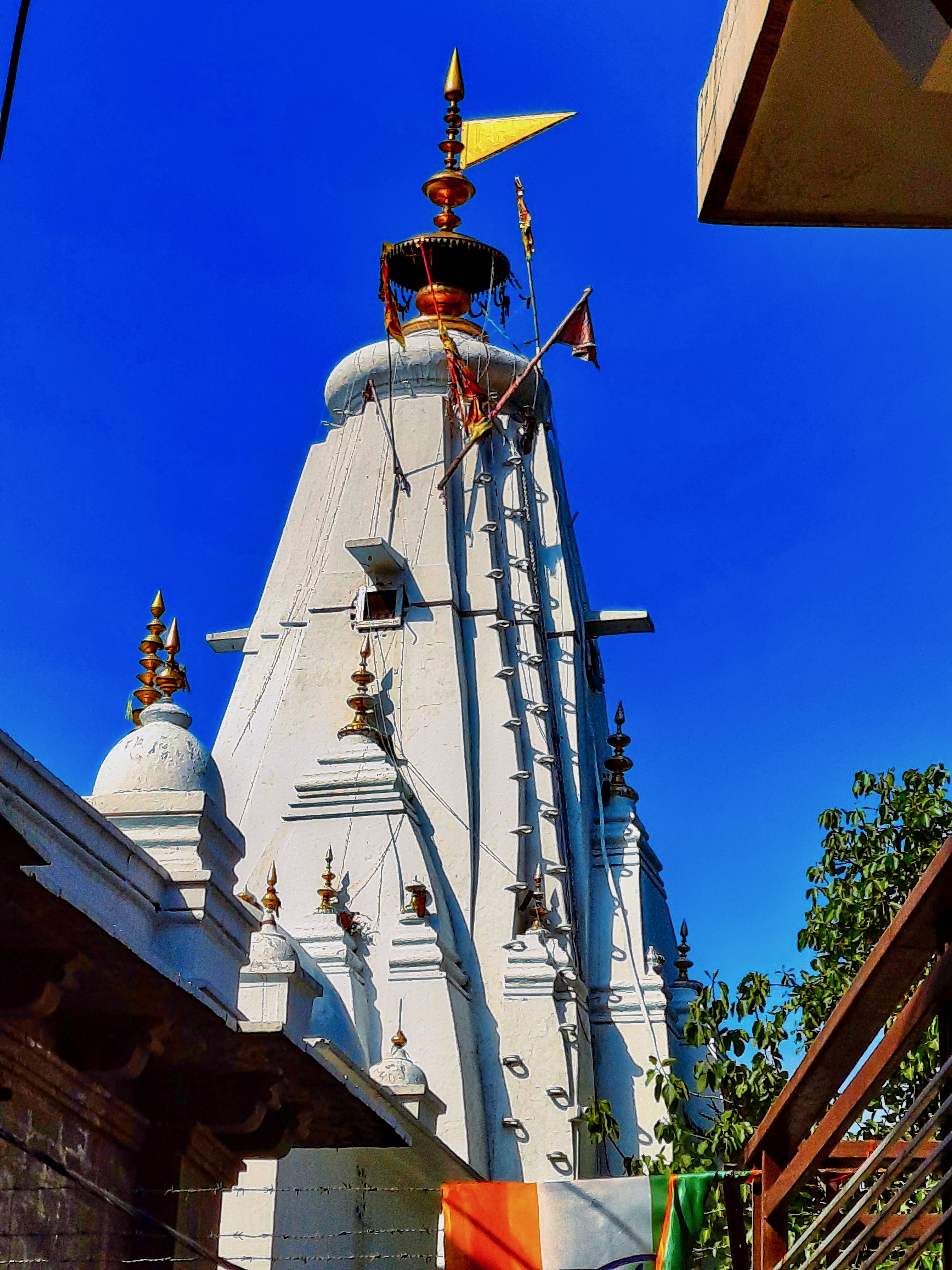
SHIV AND HANUMAN MANDIR
Shiv and Hanuman Mandir in Guwahati is a Hindu temple dedicated to both Lord Shiva and Lord Hanuman, serving as a spiritual center for daily worship and major festival celebrati…
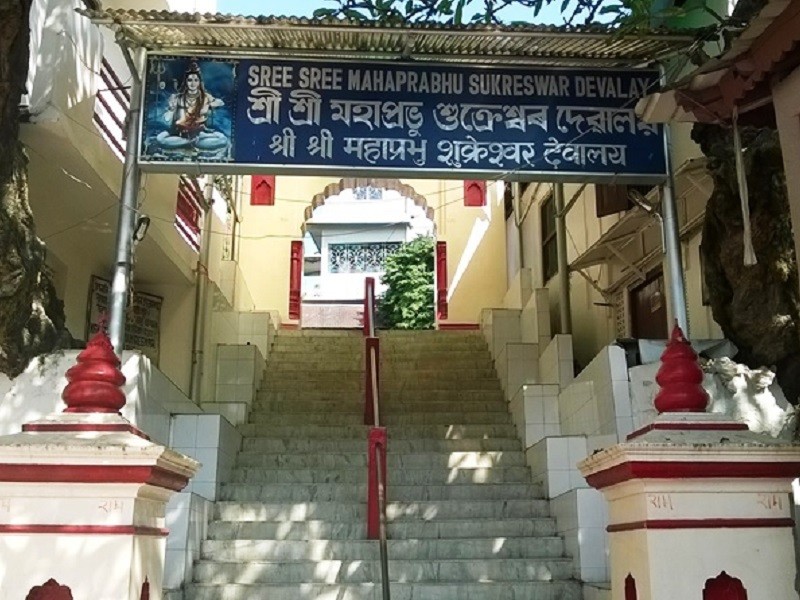
Sukreshwar Mandir
Sukreshwar Mandir is an ancient Shiva temple established in 1744 atop Sukreswar Hill in Guwahati, Assam, renowned for housing one of India's largest Shiva Lingas and serving as…

Navagraha Mandir, Guwahati
Navagraha Mandir is an ancient hilltop temple in Guwahati, Assam, housing sacred lingams representing the nine celestial bodies of Vedic astrology—Surya, Chandra, Mangala, Rahu,…
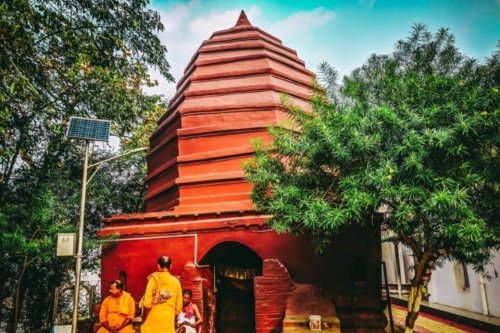
Umananda Mandir
Umananda Mandir is a historic Shiva temple situated on Peacock Island in the Brahmaputra River at Guwahati, Assam, reputedly located on the world's smallest inhabited river island.
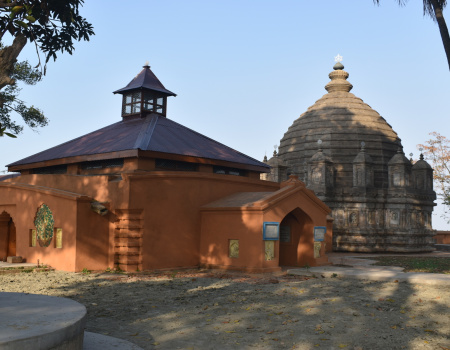
Aswakranta temple
Aswakranta Temple is an ancient Hindu shrine on the banks of the Brahmaputra River in North Guwahati, Assam, built by Ahom King Shiva Singha in 1720 and housing sacred images of…