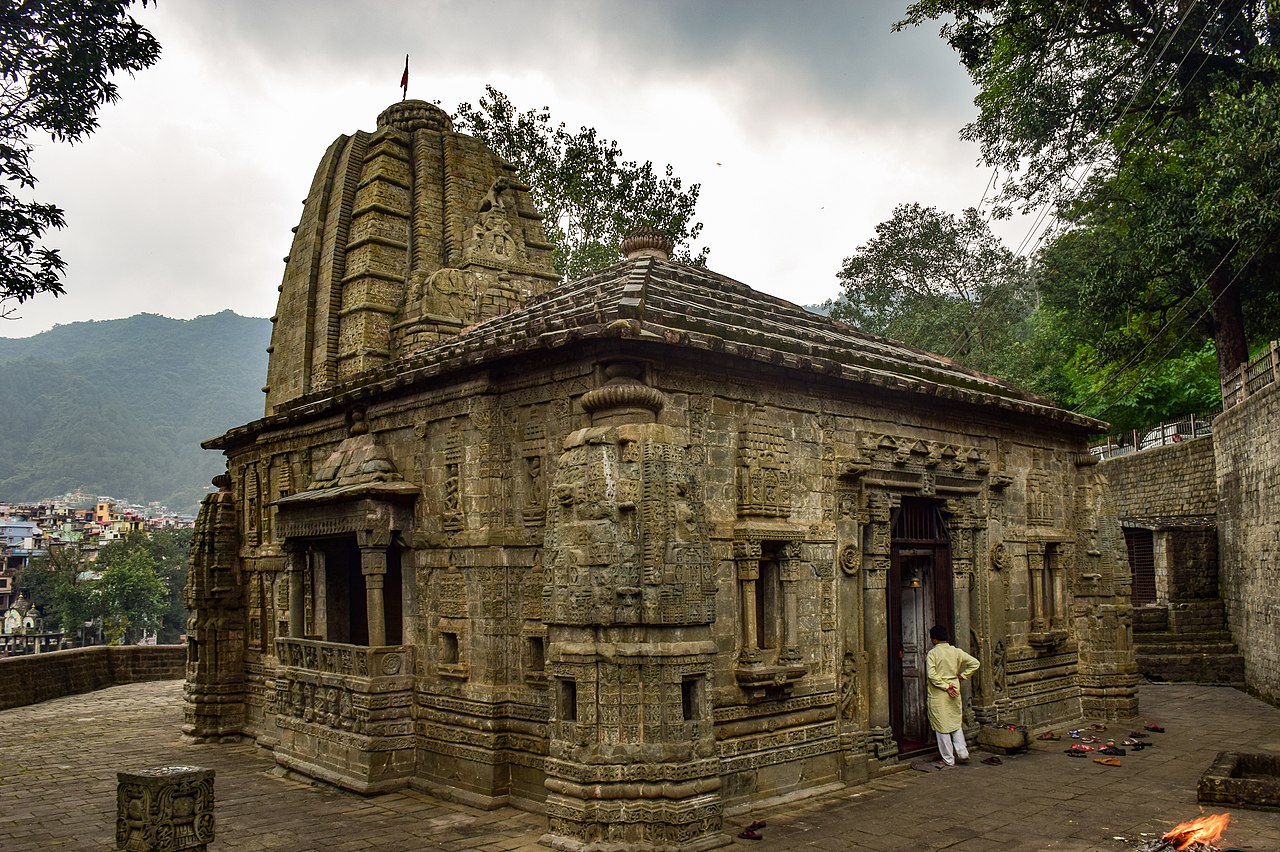
Trilokinath Temple, Mandi
About Trilokinath Temple, Mandi
The temple's origins lie in legendary antiquity, though its architectural form was completed during the 16th century. The site was historically known as Tunda Vihar, a name that reflects its deep roots in the region's spiritual history. The structure that stands today represents centuries of devotional continuity, though detailed records of its construction and renovation are not extensively documented in available sources.
The temple's enduring presence in the Lahaul and Spiti region speaks to its importance as a cultural and religious landmark. Its ability to serve both Hindu and Buddhist communities over generations reflects the syncretic spiritual traditions of the Himalayan valleys.
Daily Darshan and Worship
The temple opens daily for darshan from 06:00 to 19:00, with no entry fee required. Visitors are welcome throughout these hours to offer prayers and receive the blessings of the deity. The morning hours and the period before evening prayers are considered particularly auspicious times to visit, when the spiritual atmosphere is most concentrated.
Temples dedicated to Shiva typically observe daily rituals that mark the sacred hours of the day. Devotees may time their visits to coincide with these moments of heightened spiritual activity. The temple welcomes pilgrims year-round, though seasonal conditions significantly affect accessibility.
Reaching the Temple
Trilokinath lies approximately 45 kilometres from Keylong, the district headquarters of Lahaul and Spiti, and about 146 kilometres from Manali. The Rohtang Pass, which serves as the gateway to the Lahaul valley, is officially open from April through mid-November. During these months, road access is reliable and the journey is feasible for most visitors.
The Himachal Pradesh Road Transport Corporation (HRTC) operates bus services to and from the temple during the open season. Taxis are available for hire from Manali and Kullu for those preferring private transport. In winter, when heavy snow closes mountain roads, helicopter services offer an alternative, though these are expensive and require advance booking. Visitors should plan their journeys within the April to November window unless they have specific arrangements for winter access.
Accommodation and Facilities
The temple itself provides accommodation for approximately 125 people on its premises, making it possible for pilgrims to stay within the sacred space. A larger rest house with capacity for 200 people was under construction by the Public Works Department of Himachal Pradesh at the time of recent reports. For those seeking private lodging, the town of Udaipur, situated about 15 kilometres away, offers hotel options.
Free langar (community meal) is provided by the temple committee during the summer season and is available to devotees at any time of day. Small dhabas in the surrounding area provide additional food services for visitors. These facilities ensure that pilgrims can focus on their spiritual practice without concern for basic needs.
Best Time to Visit
The temple can be visited year-round in principle, but practical access is best from April through November, when the Rohtang Pass is open and weather conditions permit safe travel. During these months, roads are passable and accommodation facilities are fully operational. The summer season also sees the temple committee running its free langar service.
Outside this window, heavy snow and difficult weather make the journey unreliable or impossible for most visitors. Those planning a pilgrimage should time their visit within the open season to ensure safe passage and full access to facilities.
How to reach


Temples near Trilokinath Temple, Mandi
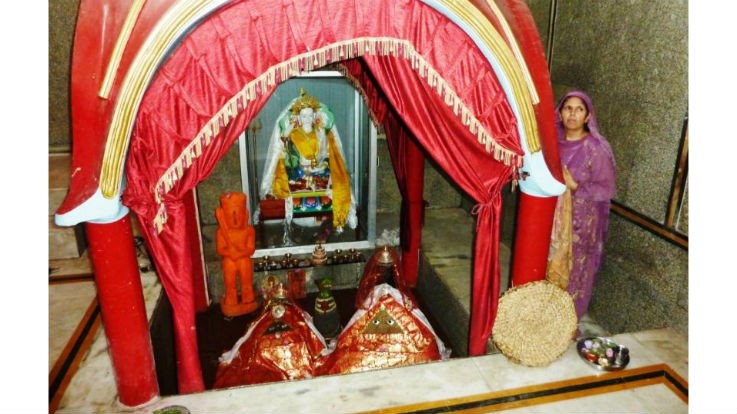
Mata Kuan Rani Temple
Mata Kuan Rani Temple, situated on the banks of the Beas River in Mandi, Himachal Pradesh, is a Hindu shrine historically associated with Princess Mandarava's imprisonment. The…
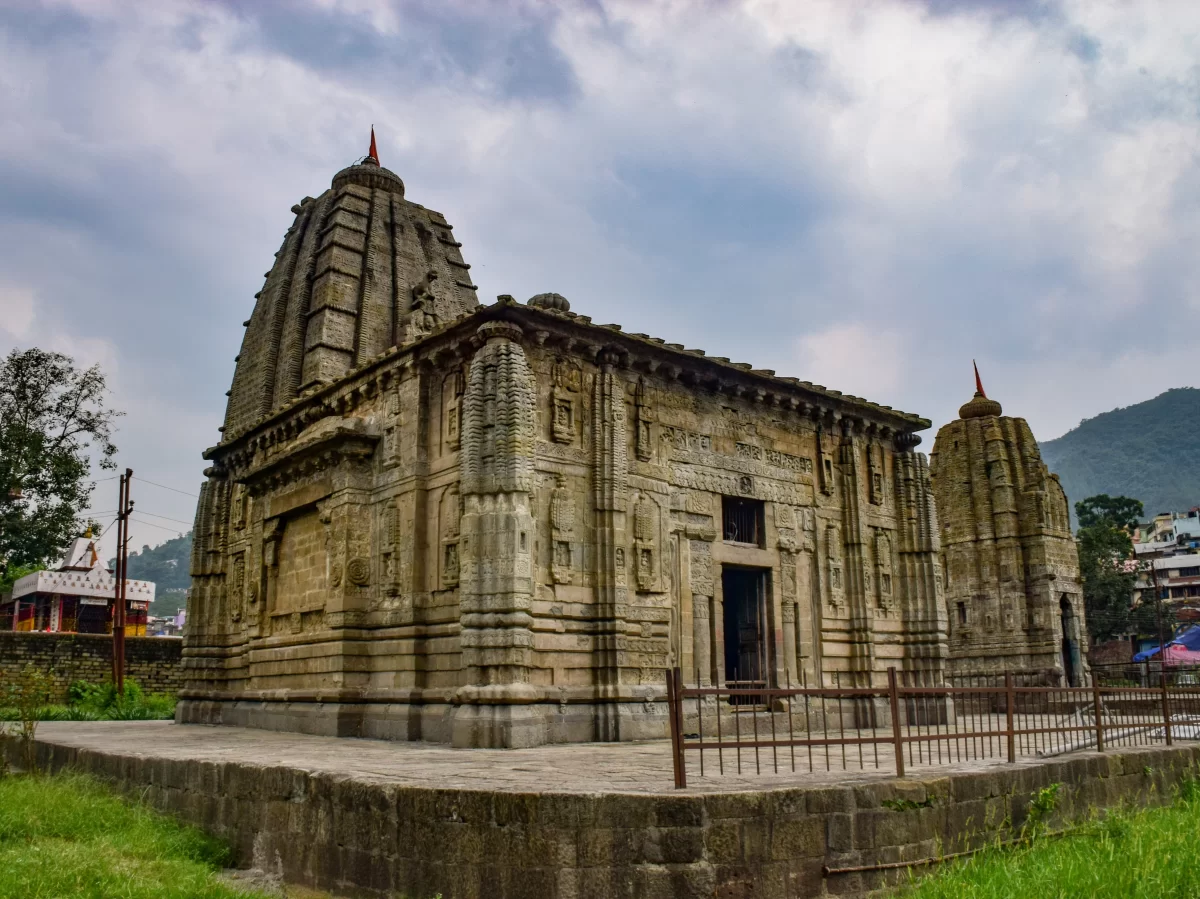
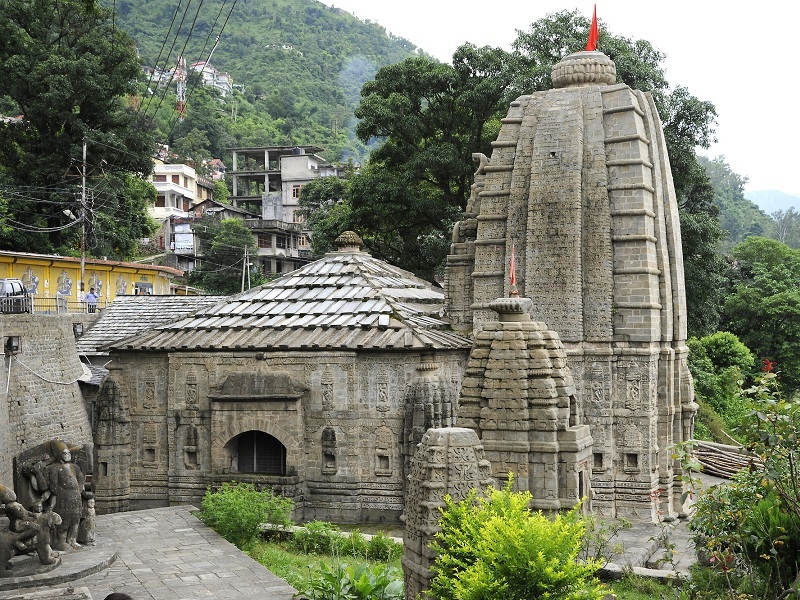
Panchvaktra Temple, Mandi
Panchvaktra Temple in Mandi, Himachal Pradesh, is a historic shrine dedicated to Lord Shiva, distinguished by its rare five-faced Shiva lingam representing five divine aspects o…
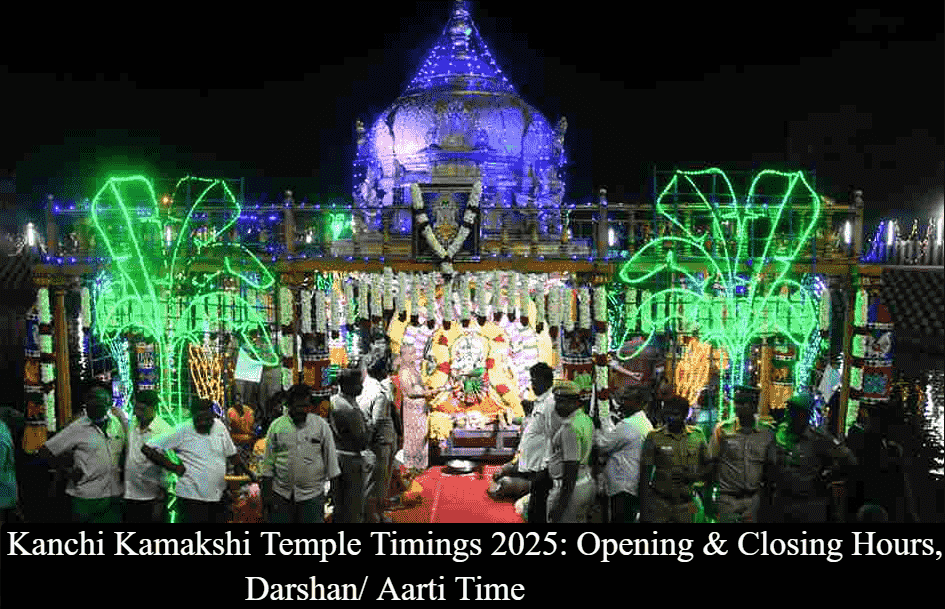
Kamaksha
Arulmigu Kamakshi Amman Temple in Mangadu, near Chennai, is dedicated to the goddess Kamakshi, an aspect of Adi Parashakti. According to legend, the goddess performed austeritie…
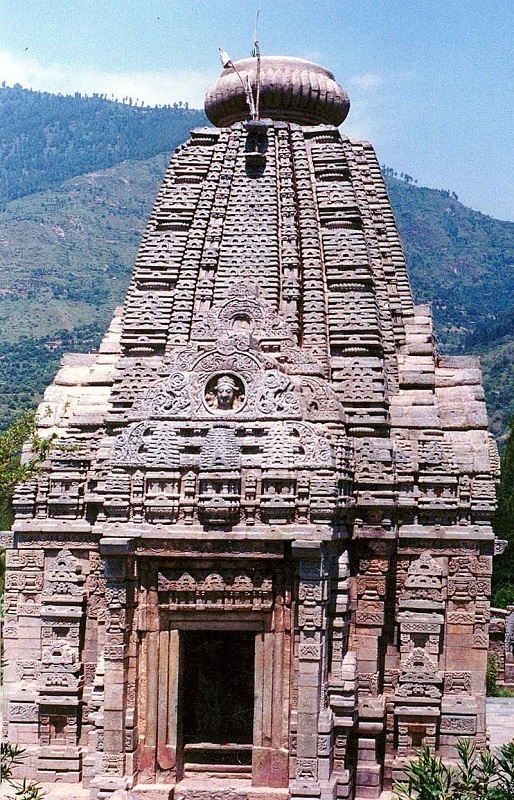
Basheshar Mahadev Temple, Bajaura
Basheshwar Mahadev Temple in Bajaura is Kullu Valley's largest and oldest stone shrine, dedicated to Lord Shiva and renowned for its exquisite 8th-9th century carvings and Nagar…
Maa Simsa temple
Maa Simsa is a 400-year-old hilltop shrine in Himachal Pradesh dedicated to Sharada Devi, revered as Santan Datri (the Mother who grants children) through the sacred Sallindara…

Shikari Devi Temple
Shikari Devi Temple is an ancient Hindu shrine dedicated to Goddess Durga in her form as the Hunter's Goddess, perched at 3,359 metres atop the highest peak in Mandi district. B…