Basheshar Mahadev Temple, Bajaura
About Basheshar Mahadev Temple, Bajaura
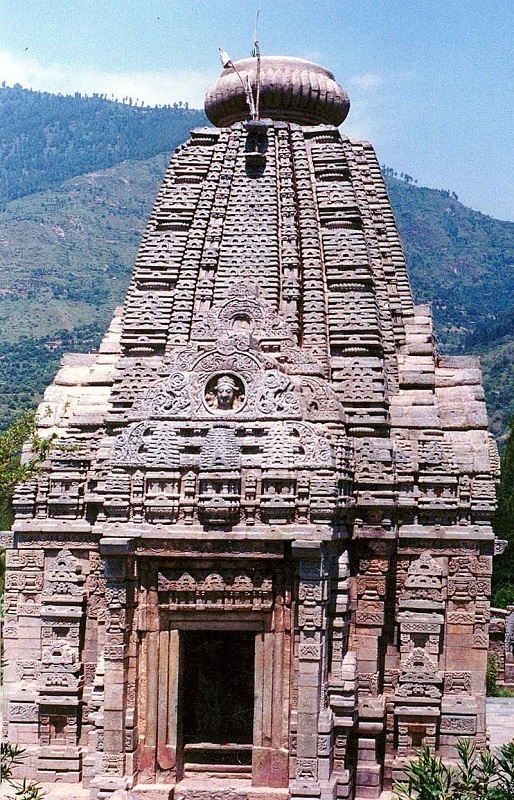
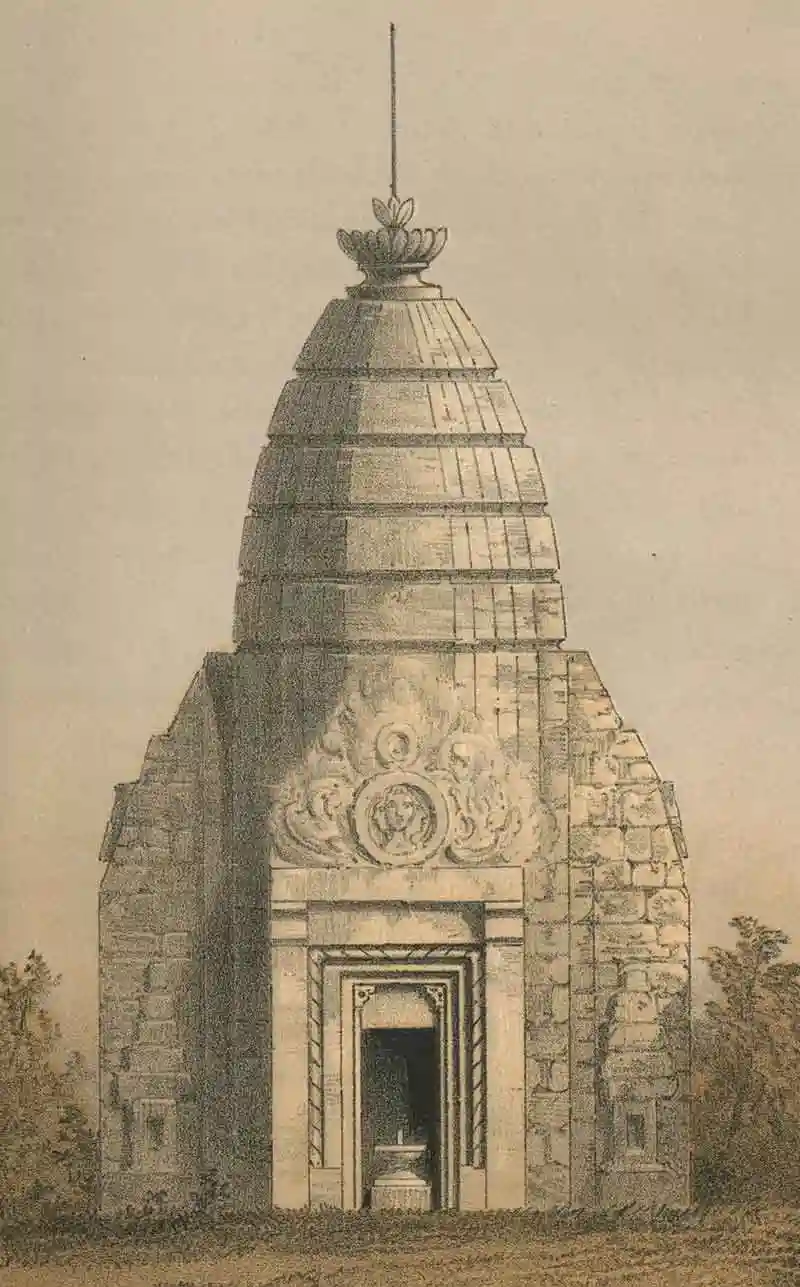
The temple was constructed during the 8th or 9th century CE, making it one of the region's oldest stone temples. Scholars have proposed varying dates; some art historians have suggested an 11th-century origin, while others link its construction to the reign of Lalitaditya of Kashmir. Regardless of the precise century, the temple represents a significant achievement in medieval Himalayan architecture and has been recognized as a protected monument of national importance by the Archaeological Survey of India.
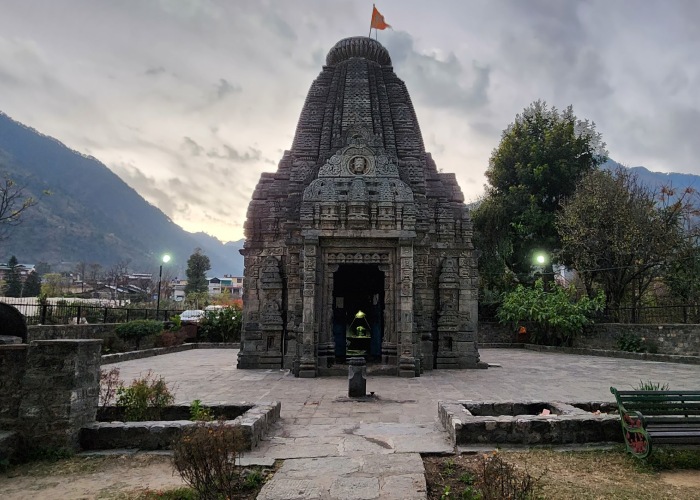
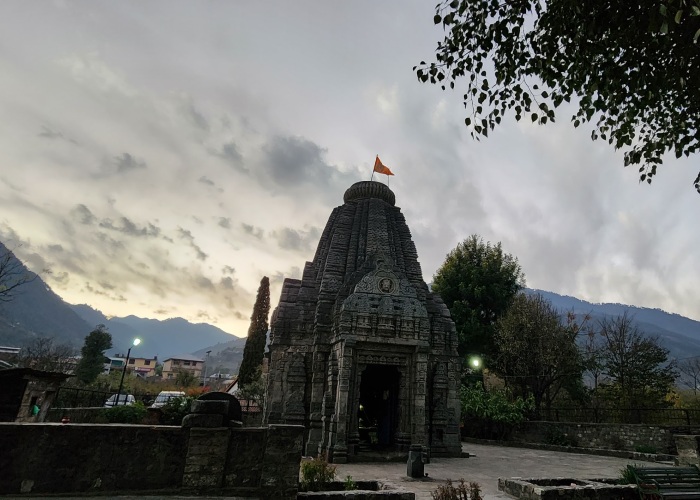
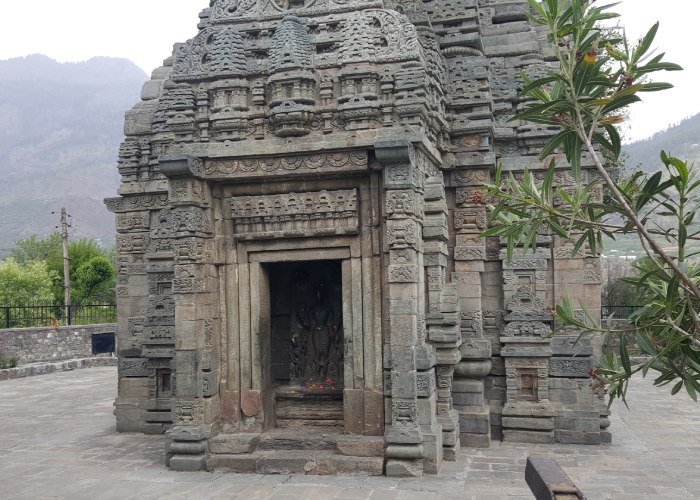
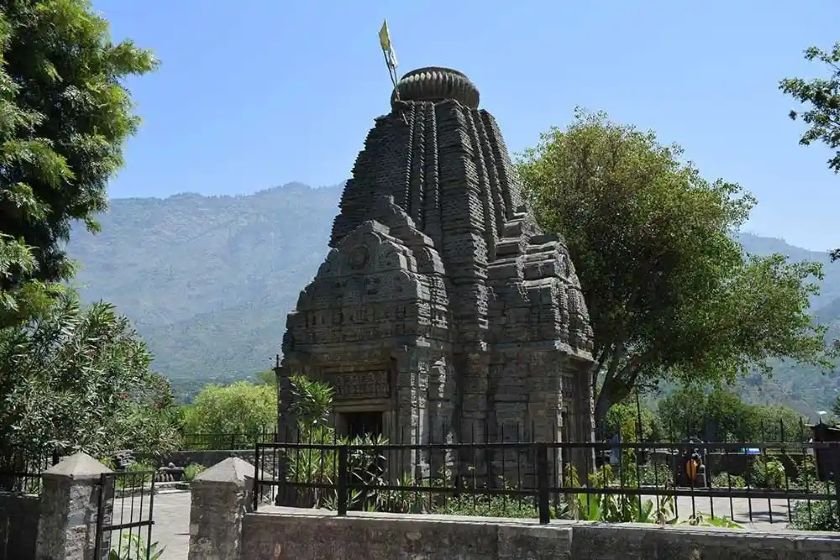
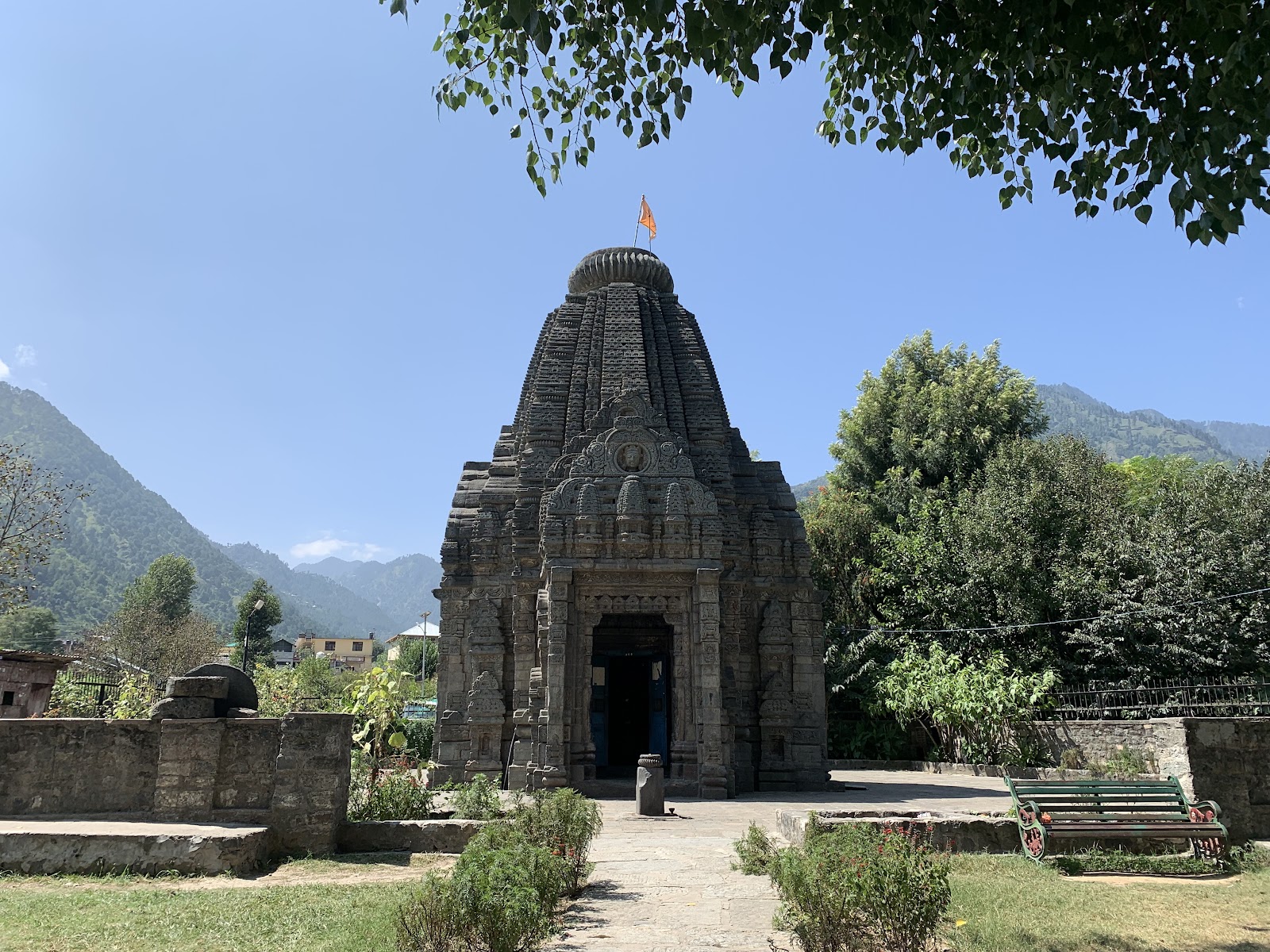
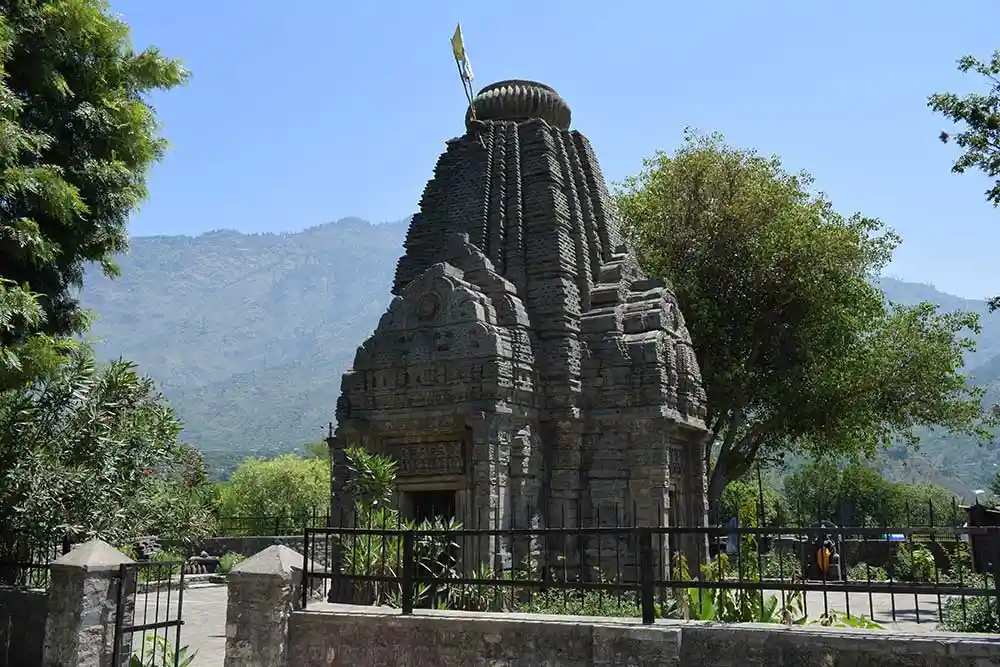
The structure exemplifies the Nagara style of temple architecture, built primarily from sandstone. The exterior walls display remarkable craftsmanship, featuring carved bands of pots and foliage, along with motifs of serpents, kinnaras (celestial beings), birds, and elephants. At each of the four corners stand sculptural representations—Ganesha, Vishnu, the eight-armed Durga, and a fourth deity. Smaller minarets adorning the temple bear bhadramukhas (auspicious faces) depicting Shiva's three aspects. The interior spaces are decorated with fine stone carvings, while the flat shikharas (temple spires) contribute to the distinctive silhouette of this valley shrine.
Visiting the Temple
The temple is open year-round with adjusted timings for seasonal changes. During summer months (roughly April through September), the temple opens at 6:00 AM and closes at 8:00 PM. In winter, visiting hours are 7:00 AM to 7:00 PM. Visitors should plan their visit accordingly, particularly if traveling from Kullu or Manali, as travel time should be factored into the journey.
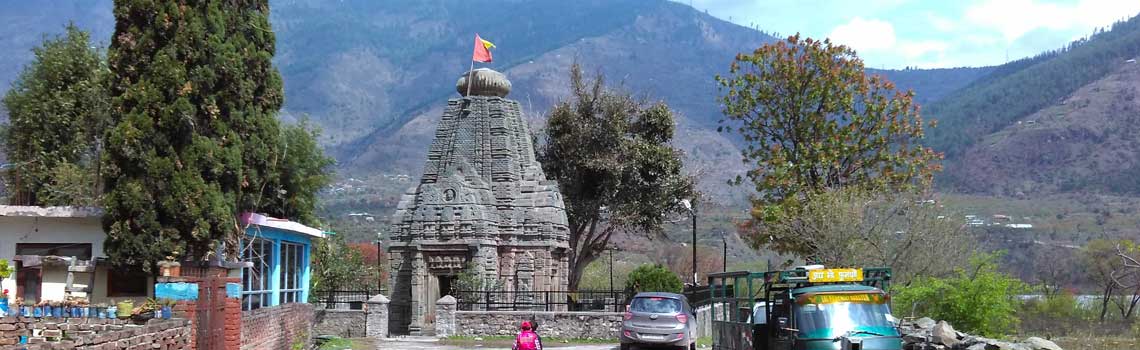
Bajaura lies approximately 16 kilometers from Kullu Bus Station and about 4 kilometers from Bhuntar, where the Kullu-Manali Airport is located. The temple sits on National Highway 21, making it accessible by bus or taxi. From Manali, the temple is roughly 54 kilometers away. The site's location on the Beas River provides a scenic setting, and visitors may wish to spend time observing the river and surrounding landscape. As with most Hindu temples, visitors should dress modestly and remove footwear before entering the inner sanctum. The temple complex is protected by the Archaeological Survey of India, and visitors are expected to treat the site with appropriate respect.
Festivals and Pilgrimage Times
The temple observes significant festivals throughout the year. An annual festival is held during April and May, drawing devotees to celebrate at the shrine. Additionally, the temple sees increased pilgrimage activity during Navratri, the nine-day festival honoring the Divine Feminine, which typically falls in September-October. These periods represent the most auspicious times for visiting if one wishes to experience the temple's ritual life and community gatherings.
The Landscape and Surroundings
The temple's setting within Kullu Valley contributes to its spiritual significance. The Beas River, flowing beside the shrine, has long held sacred importance in Hindu tradition. The valley itself, nestled in the Himalayas, creates a landscape of natural beauty that complements the architectural and spiritual dimensions of the site. Visitors arriving from Bhuntar or traveling along National Highway 21 will encounter the temple as part of the broader cultural and geographical fabric of the region.
How to reach
Temples near Basheshar Mahadev Temple, Bajaura
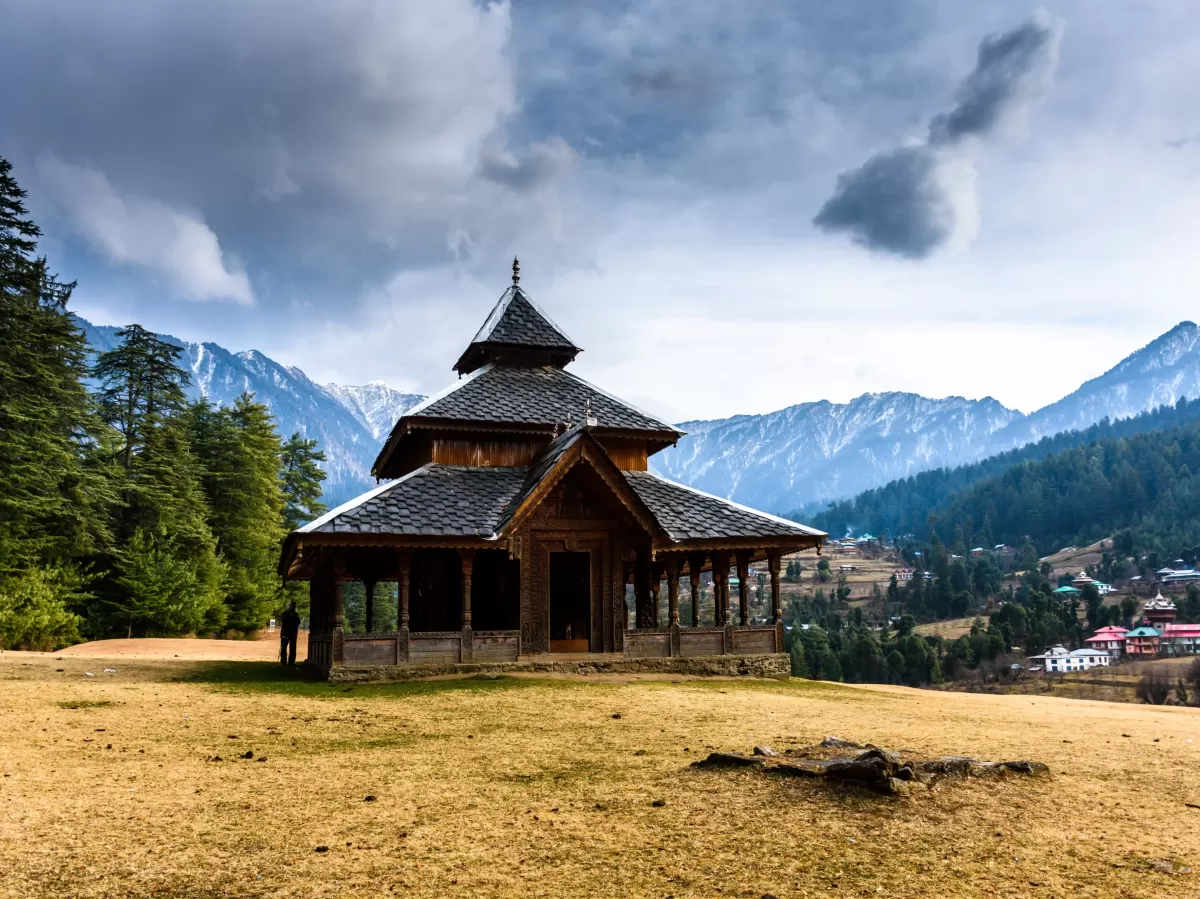
Shanghchul Mahadev Temple, Shangarh
Shangchul Mahadev Temple is an ancient shrine dedicated to Lord Shiva, perched at 2,250 meters in Shangarh village within Himachal Pradesh's Sainj Valley, offering spiritual sol…
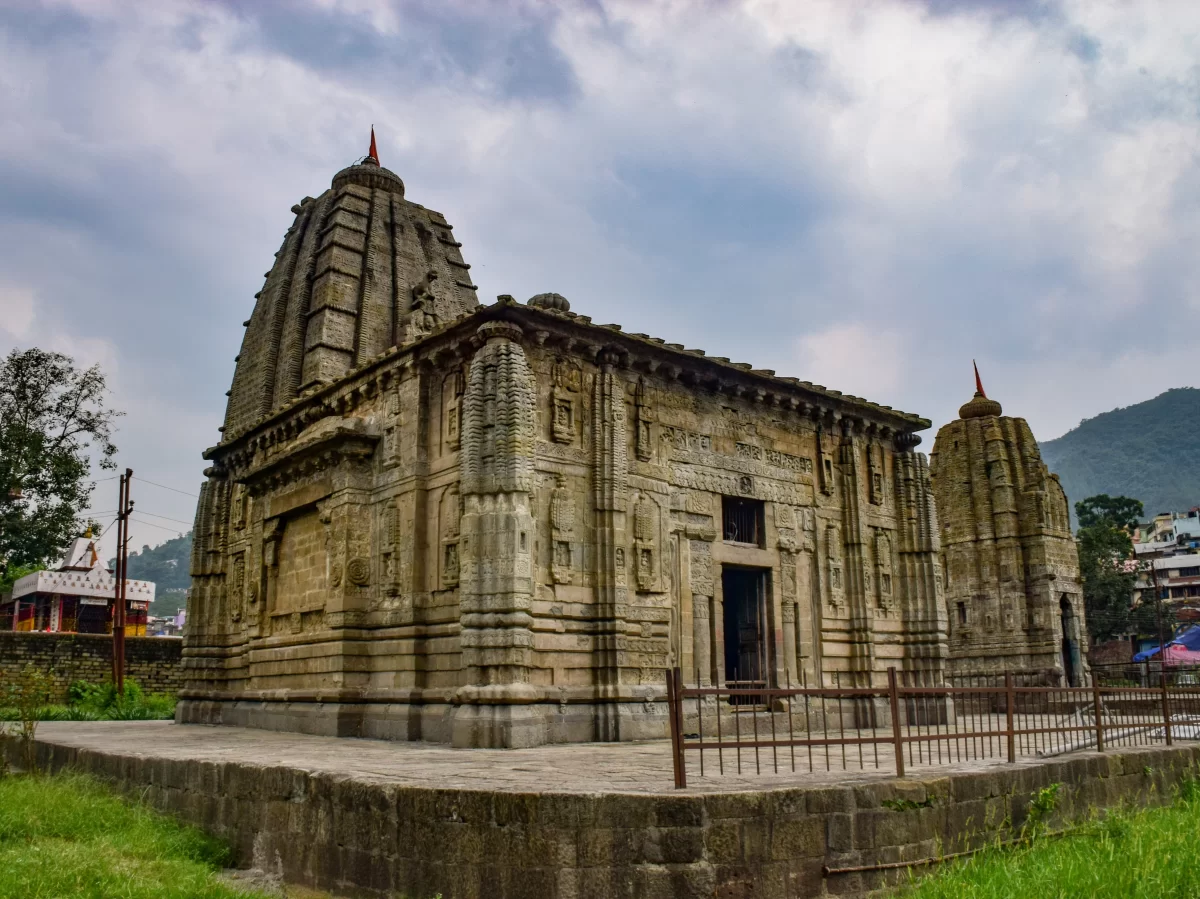
Panchvaktra Temple, Mandi
Panchvaktra Temple in Mandi, Himachal Pradesh, is a historic shrine dedicated to Lord Shiva, distinguished by its rare five-faced Shiva lingam representing five divine aspects o…
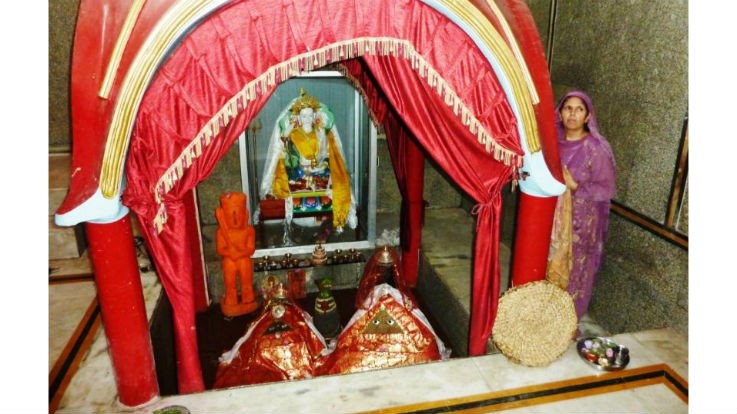
Mata Kuan Rani Temple
Mata Kuan Rani Temple, situated on the banks of the Beas River in Mandi, Himachal Pradesh, is a Hindu shrine historically associated with Princess Mandarava's imprisonment. The…
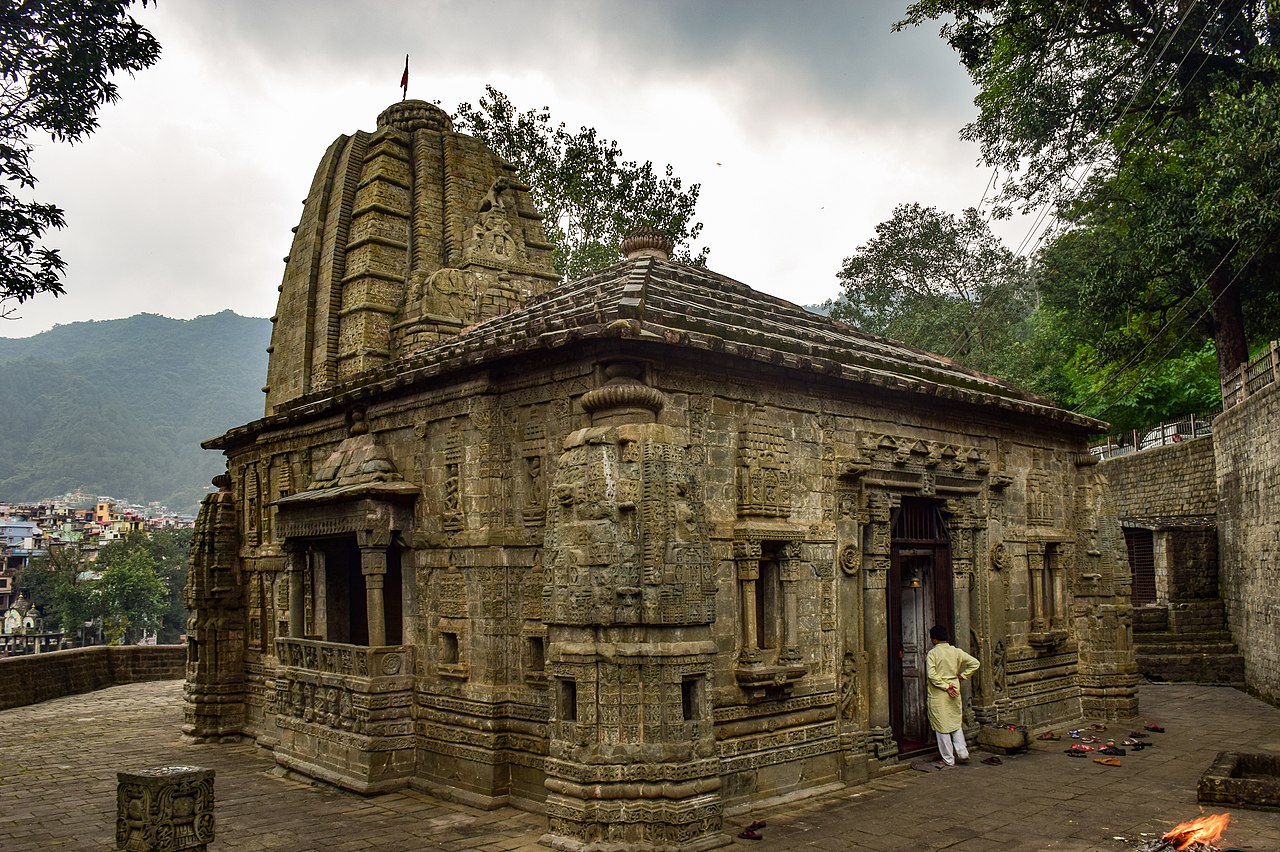
Trilokinath Temple, Mandi
Trilokinath Temple in Mandi, Himachal Pradesh, is a historic shrine dedicated to Lord Shiva, distinguished by its three-faced murti and unique role as a sacred site revered equa…
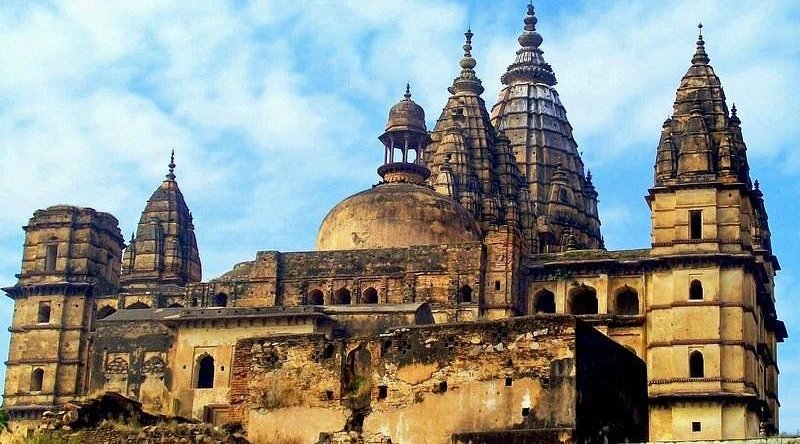
Chaturbhuj Temple, Naggar
Chaturbhuj Temple in Khajuraho's Southern Group is a 12th-century Vishnu shrine notable for its four-armed idol and absence of erotic sculptures, distinguishing it from other te…
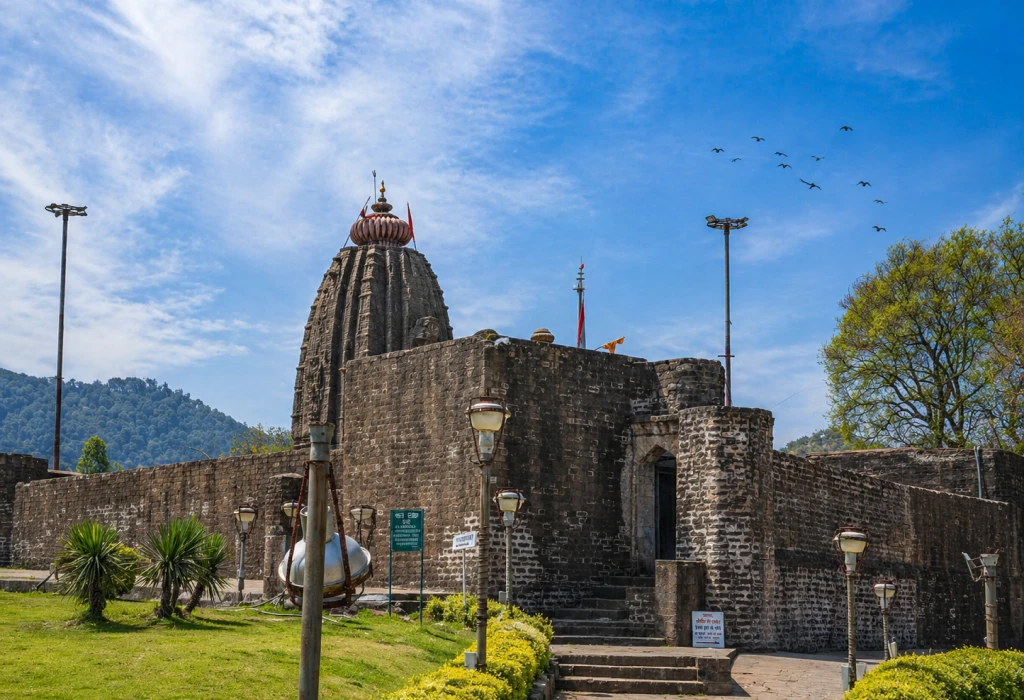
Baijnath Temple
Baijnath Temple is a 12th-century Nagara-style shrine in Himachal Pradesh dedicated to Shiva as Vaidyanath, the lord of physicians. Built in 1204 by merchants Ahuka and Manyuka,…