
Panchvaktra Temple, Mandi
About Panchvaktra Temple, Mandi
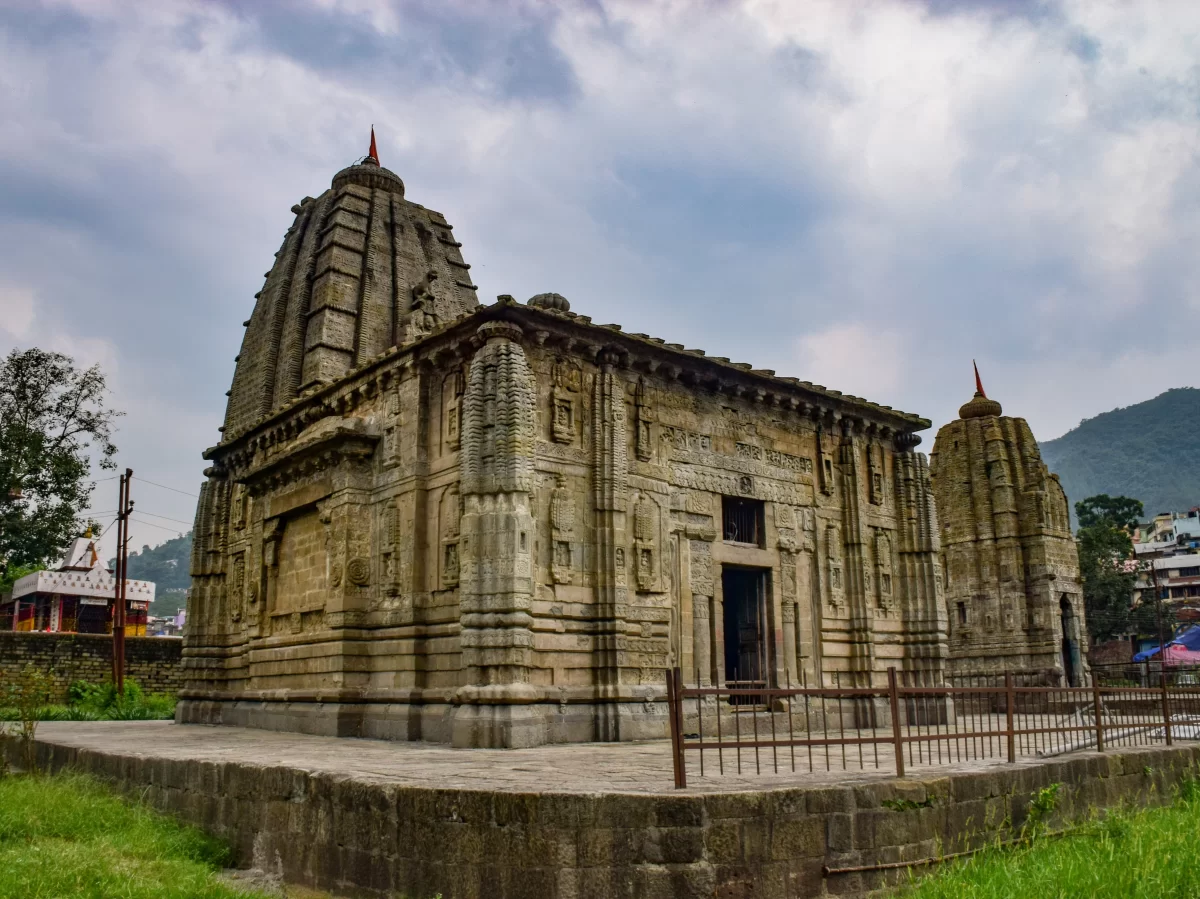
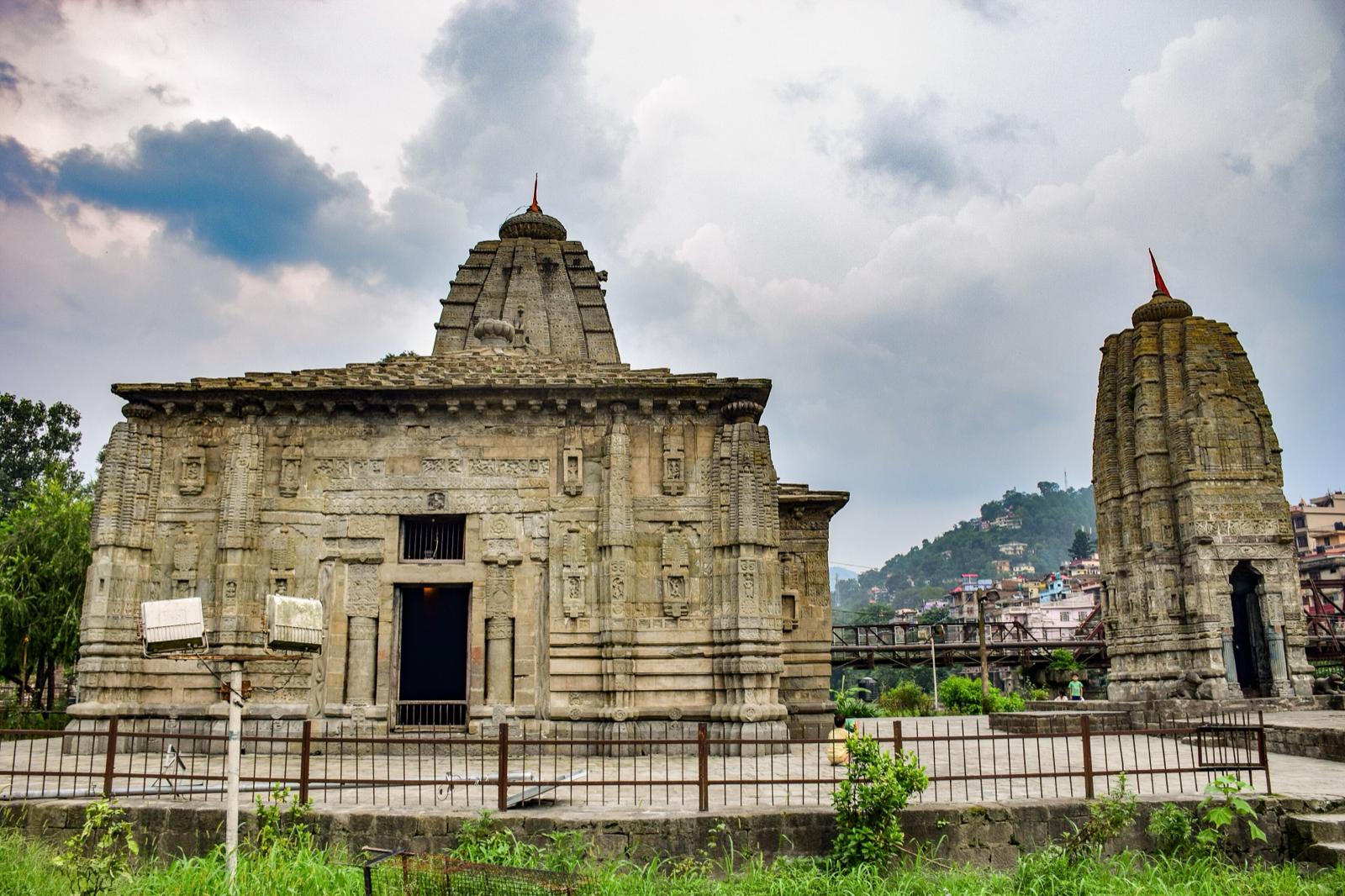
The temple was established in the early 16th century, traditionally attributed to Raja Ajbar Sen. The original structure endured considerable damage from river flooding over the centuries, and was substantially rebuilt during the reign of Raja Siddh Sen (1684–1727 CE). This reconstruction preserved the temple's essential character while reinforcing it against the elements—a necessary measure given its exposed riverside location.
The temple follows Nagara architectural style, built on a raised stone platform supported by four carved pillars. The structure is fashioned from finely carved stone throughout, demonstrating the craftsmanship of its builders across multiple periods. Today it stands as an Archaeological Survey of India-protected monument, reflecting its historical and cultural importance. The combination of its age, architectural merit, and the rarity of its central icon has secured its status as a significant heritage site.
Daily Worship and Visitor Experience
The temple operates daily from 05:30 to 20:30, allowing devotees to visit during early morning hours when many prefer to offer prayers, as well as throughout the day and into the evening. The atmosphere remains calm and devotional, with regular arati (ritual worship with lamps), temple bells, and a steady flow of local worshippers. Mondays and the festival of Mahashivratri draw particularly large gatherings of devotees seeking special blessings.
A visit typically requires one to two hours, allowing time for darshan (viewing the deity), circumambulation if desired, and quiet reflection by the riverside. The temple sits approximately one kilometre from Mandi town centre, making it readily accessible for those staying in the area. The walking difficulty is rated as easy, and the site is generally suitable for both children and seniors, though the temple is not wheelchair accessible.
Mahashivratri and Local Observances
Mahashivratri, the great night dedicated to Shiva, is celebrated at the temple with special rituals and gatherings. This festival draws communities together for prayers and celebrations, though specific dates and detailed observance practices are best confirmed locally or with temple authorities. Beyond this major festival, the temple remains active throughout the year, with regular worship and the presence of devoted visitors, particularly on Mondays, which hold significance in Shaiva worship traditions.
Best Time to Visit
The most comfortable season for visiting extends from October through April, when temperatures are cool to mild and humidity remains low. These months provide ideal conditions for temple darshan and walking around the riverfront area without the discomfort of heat or excessive moisture. The monsoon period from July to September should be avoided, as heavy rains make pathways slippery and cause river levels to rise, creating potentially hazardous conditions near the temple. Visiting in the morning is generally recommended for the calmest atmosphere and clearest light.
Practical Information for Visitors
Entry to the temple is free. There is no dedicated parking facility on-site, so visitors arriving by vehicle should plan accordingly. The temple is located at Kartarpur, Mandi, Himachal Pradesh 175001. Modest dress is appropriate when visiting a Hindu temple; covering shoulders and knees is customary. Photography policies should be confirmed with temple staff upon arrival, as practices vary.
The nearest airport is Bhuntar (serving Kullu-Manali), approximately 55–60 kilometres away, with regular taxi and bus services to Mandi town. The nearest railway station is Joginder Nagar on the narrow-gauge line, also roughly 55 kilometres distant, with onward road travel required. Mandi town itself lies on National Highways 3 and 154, making it accessible by road from surrounding regions.
How to reach
Temples near Panchvaktra Temple, Mandi
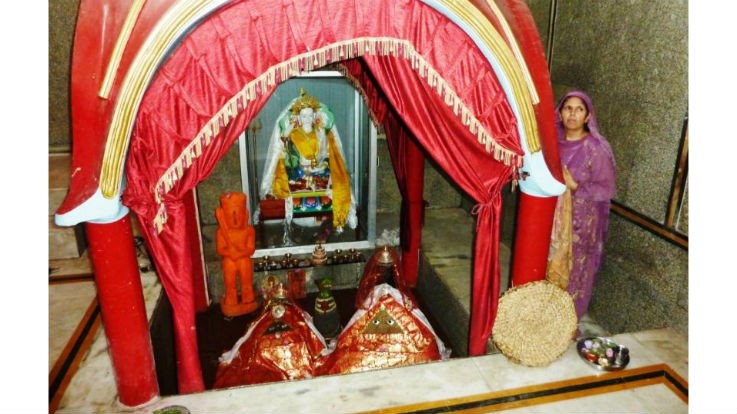
Mata Kuan Rani Temple
Mata Kuan Rani Temple, situated on the banks of the Beas River in Mandi, Himachal Pradesh, is a Hindu shrine historically associated with Princess Mandarava's imprisonment. The…
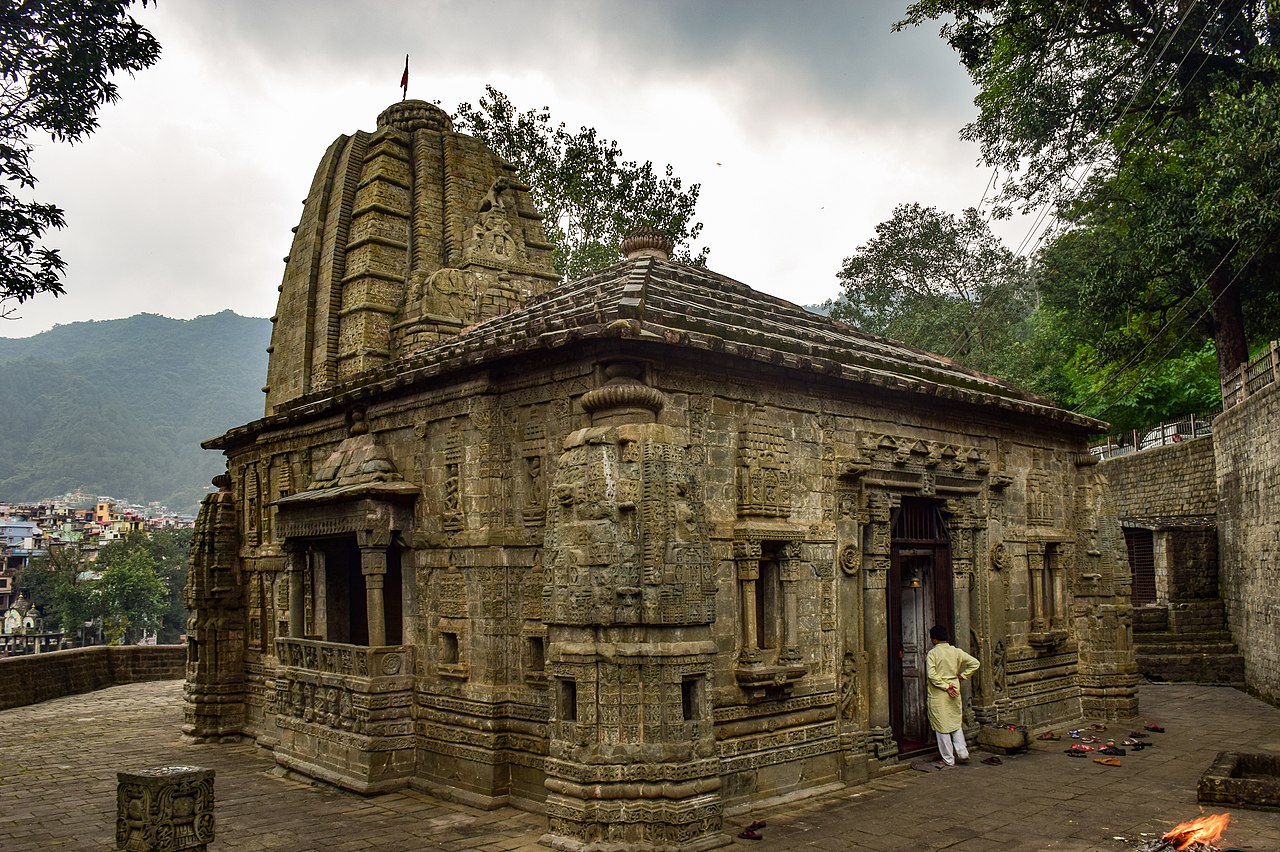
Trilokinath Temple, Mandi
Trilokinath Temple in Mandi, Himachal Pradesh, is a historic shrine dedicated to Lord Shiva, distinguished by its three-faced murti and unique role as a sacred site revered equa…
Kamaksha
Arulmigu Kamakshi Amman Temple in Mangadu, near Chennai, is dedicated to the goddess Kamakshi, an aspect of Adi Parashakti. According to legend, the goddess performed austeritie…
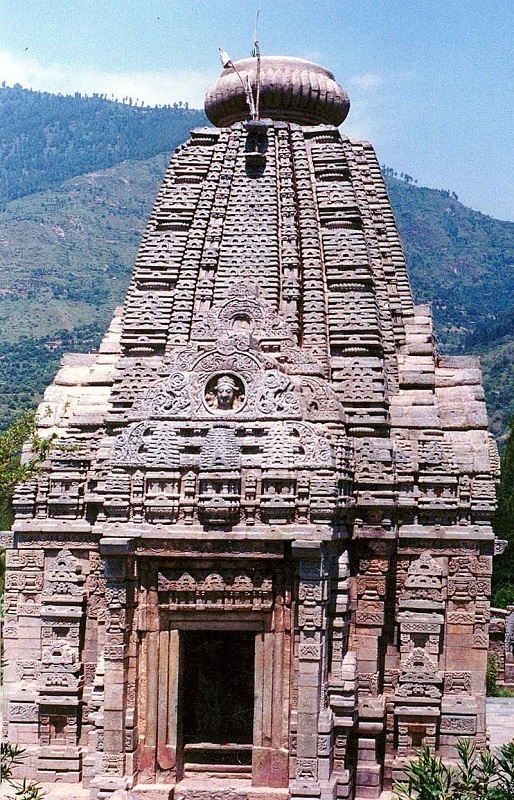
Basheshar Mahadev Temple, Bajaura
Basheshwar Mahadev Temple in Bajaura is Kullu Valley's largest and oldest stone shrine, dedicated to Lord Shiva and renowned for its exquisite 8th-9th century carvings and Nagar…
Maa Simsa temple
Maa Simsa is a 400-year-old hilltop shrine in Himachal Pradesh dedicated to Sharada Devi, revered as Santan Datri (the Mother who grants children) through the sacred Sallindara…

Shikari Devi Temple
Shikari Devi Temple is an ancient Hindu shrine dedicated to Goddess Durga in her form as the Hunter's Goddess, perched at 3,359 metres atop the highest peak in Mandi district. B…