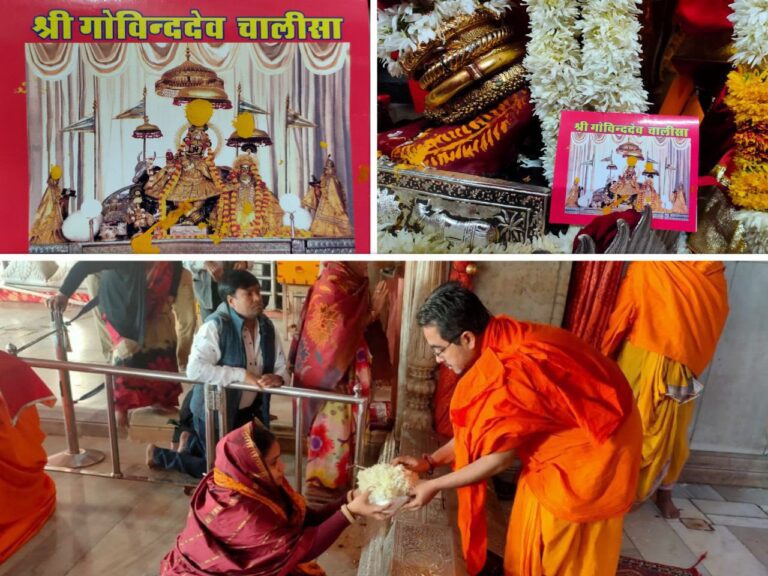
Maa Simsa temple
About Maa Simsa temple
The heart of worship at Maa Simsa is the ritual called Sallindara—a word meaning "dream" in the local Pahadi language. Couples seeking children light a lamp filled with til (sesame) oil before the Goddess and remain at the temple through the night, sleeping on its floor as generations have done before them. The practice rests on a specific belief: Maa Simsa appears in a dream and offers a sign—typically a fruit or vegetable—indicating that the prayer has been heard and a blessing will follow.
The interpretation of these dream-signs follows local tradition. A guava is traditionally understood as a sign of a son; okra as a sign of a daughter; any other fruit or root vegetable as a general blessing. Once the dream is received, devotees observe a vow: they neither eat nor touch the fruit or vegetable shown to them until the blessing is fulfilled. This practice reflects the devotional commitment couples bring to the temple and the intimate relationship they seek with the Goddess.
Daily Rhythms and Darshan Hours
The temple follows the rhythm of the hills, opening early as mist still fills the valley and closing after evening prayers. The Mangala Aarti begins at 5:30 AM, marking the temple's opening. General darshan runs from 7:00 AM to 12:00 PM, the period when many couples light their til-oil lamps for Sallindara. Between 12:00 PM and 3:00 PM, a bhog and rest period allows the temple to slow its pace, though darshan continues at a gentler tempo for those present. Afternoon darshan resumes from 3:00 PM to 6:30 PM, offering quieter conditions for visitors outside festival season. The Sandhya Aarti takes place at 7:00 PM as dusk settles, and the temple closes at 8:30 PM.
Overnight stays are permitted for those performing Sallindara, arranged on request with the temple. These timings are indicative and may shift with season and festival days; visitors planning a journey should confirm current hours beforehand by contacting the temple committee at +91 9817733370 or +91 9418631374.
Navratri: The Festival Season
Navratri—the nine nights of the goddess festival—transforms the temple's atmosphere and courtyard. During these nine nights, the Goddess is believed to be closest to those who ask, and the temple receives devotees from across Himachal Pradesh and neighboring states. The festival represents the busiest season at the shrine, when the usual quiet of the hilltop gives way to sustained devotion and extended hours. For those seeking a less crowded darshan experience, early mornings outside the Navratri season offer a more intimate encounter with the temple's spiritual atmosphere.
How to Reach the Temple
The shrine sits on a hilltop off the Mandi–Ladbharol road, a short climb from where the vehicle track ends. The nearest airfield is Bhuntar Kullu-Manali Airport, approximately 65 km away and connected to Delhi and Chandigarh by seasonal flights. The Kangra Valley narrow-gauge railway's Jogindernagar station is the closest railhead, roughly 55 km from the temple. The temple is located 30 km from Baijnath town and 38 km from Joginder Nagar. A second shrine dedicated to Simsa Mata stands in Daroh village, 17 km from Palampur.
Practical Information for Visitors
Visitors should confirm temple timings before undertaking a long journey, as hours may shift with season and festival days. The temple committee can be reached at the contact numbers listed above. The site sits in deodar forest on a ridge overlooking Mandi district, so visitors should be prepared for a hilltop location and the climb from where vehicles must be left. Those planning to perform Sallindara should arrange their overnight stay in advance with the temple committee.
How to reach
Temples near Maa Simsa temple
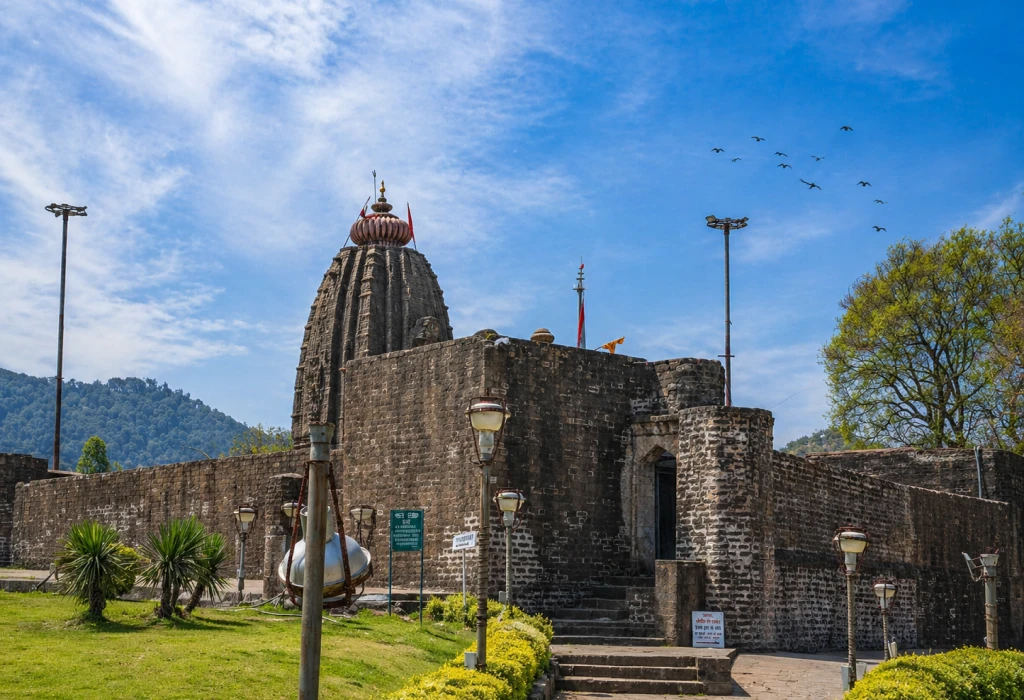
Sidhnath Temple, Baijnath
Baijnath Temple is a 13th-century Nagara-style Shiva temple in Kangra valley, Himachal Pradesh, dedicated to Lord Shiva as Vaidyanath, the divine healer.
Baijnath Temple, Himachal Pradesh
Baijnath Temple is a 13th-century Nagara-style shrine in Kangra valley dedicated to Lord Shiva, revered as Vaidyanath the healer.
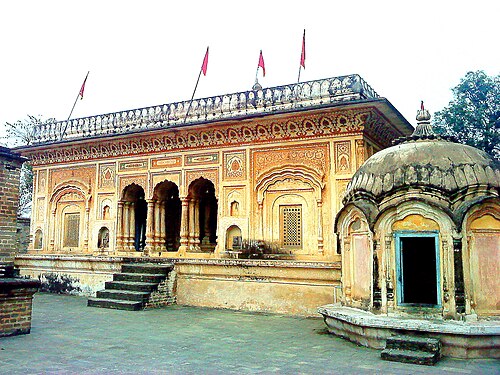
Narbadeshwar Temple, Sujanpur Tira
A historic Shiva temple built in 1802 by Maharani Prasanna Devi, renowned for its exquisite Pahari frescoes depicting Hindu epics and commanding views of the Beas River.
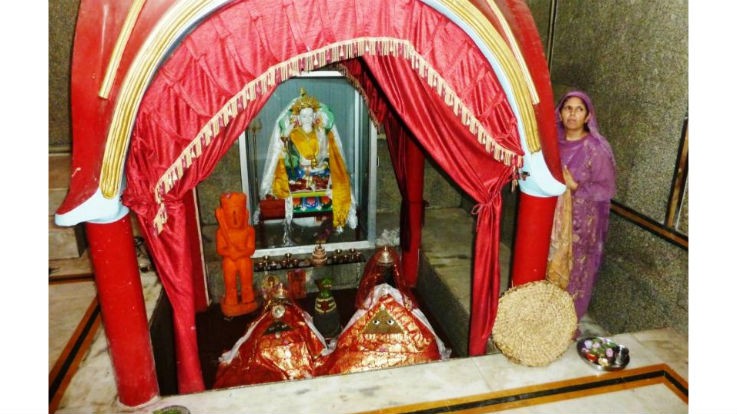
Mata Kuan Rani Temple
Mata Kuan Rani Temple, situated on the banks of the Beas River in Mandi, Himachal Pradesh, is a Hindu shrine historically associated with Princess Mandarava's imprisonment. The…
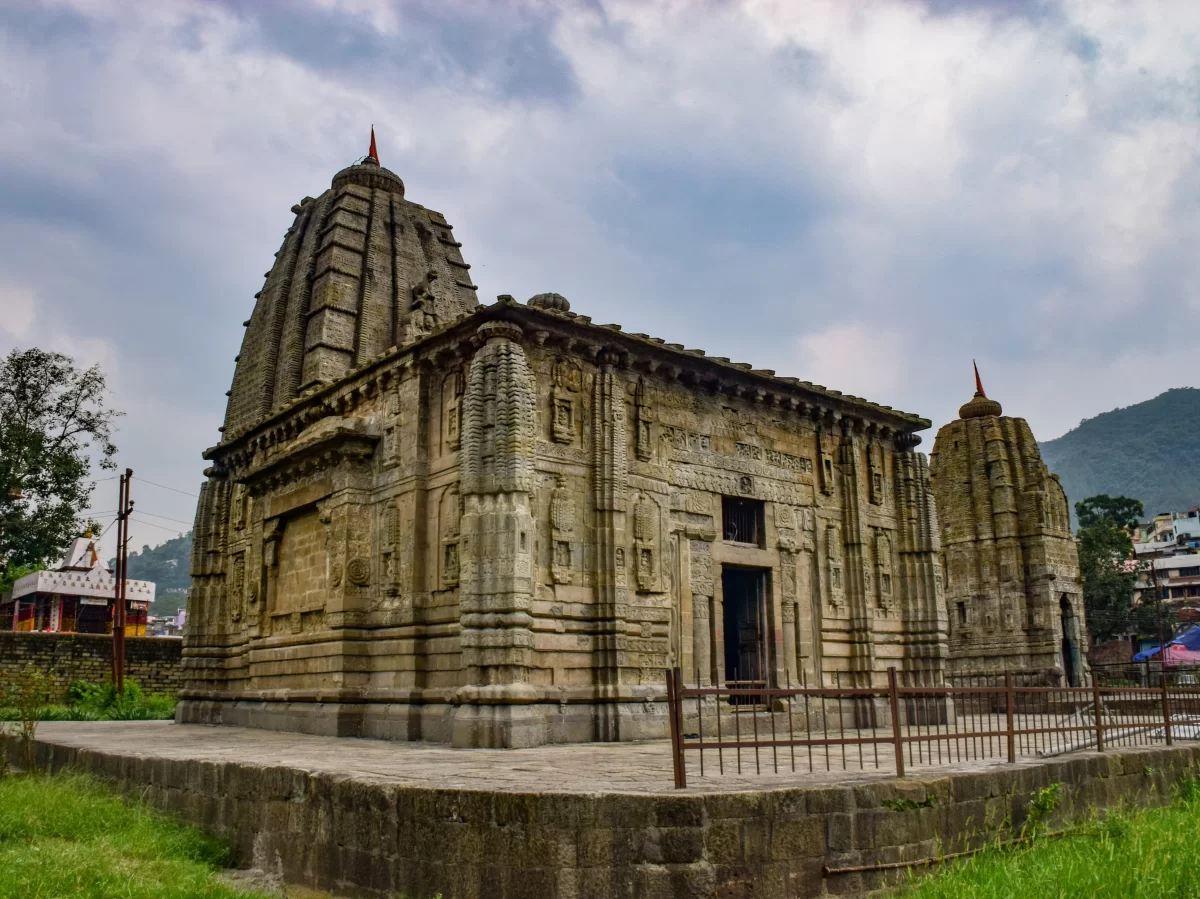
Panchvaktra Temple, Mandi
Panchvaktra Temple in Mandi, Himachal Pradesh, is a historic shrine dedicated to Lord Shiva, distinguished by its rare five-faced Shiva lingam representing five divine aspects o…
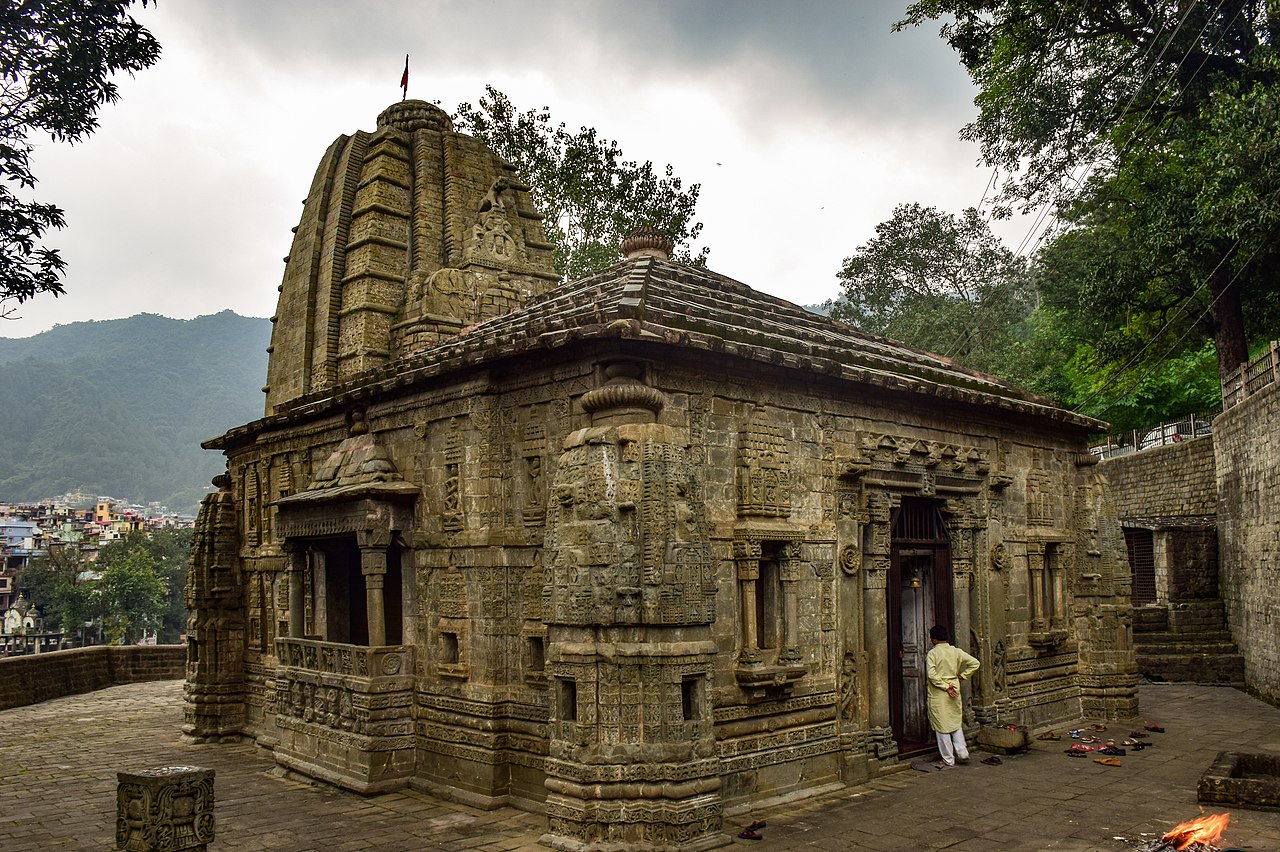
Trilokinath Temple, Mandi
Trilokinath Temple in Mandi, Himachal Pradesh, is a historic shrine dedicated to Lord Shiva, distinguished by its three-faced murti and unique role as a sacred site revered equa…