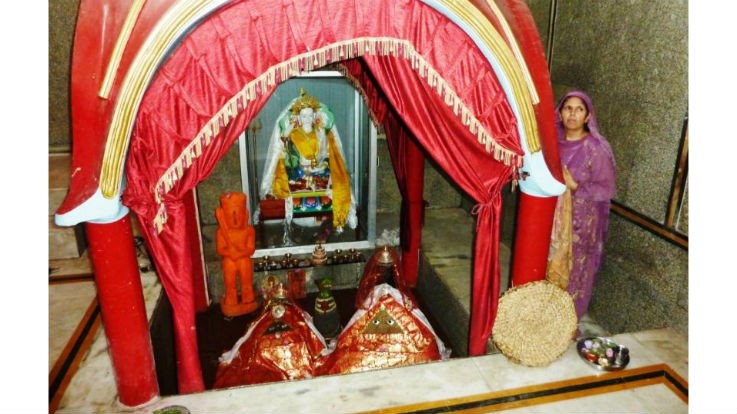
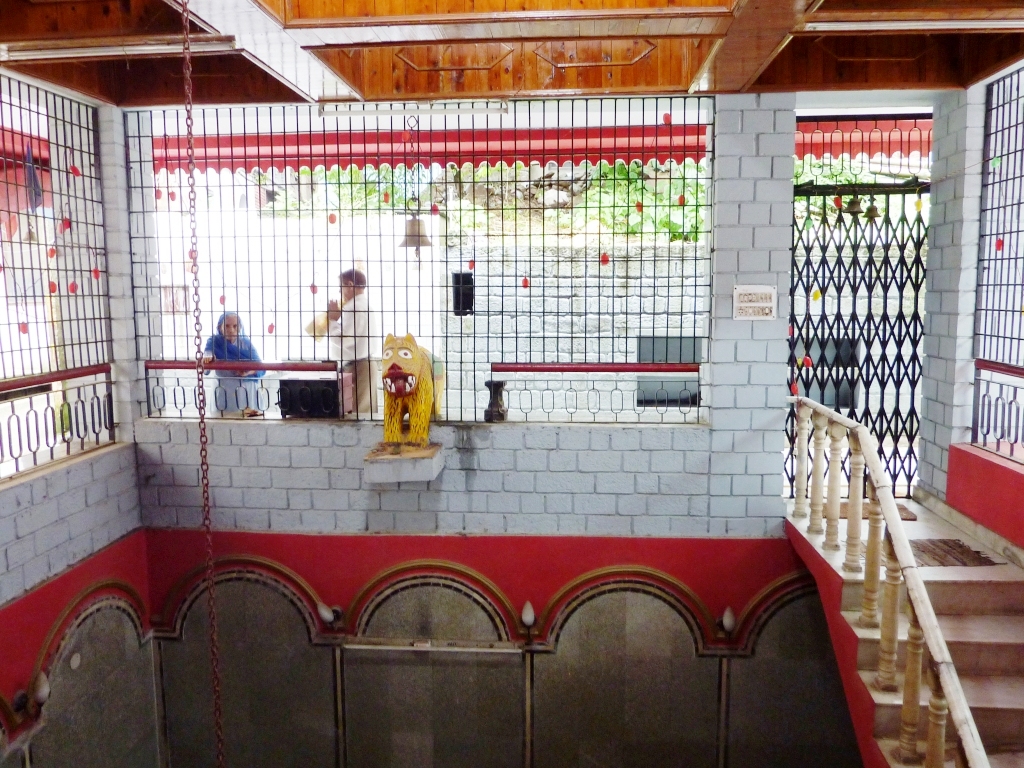
Mata Kuan Rani Temple
About Mata Kuan Rani Temple
The temple is located in Mandi town, Himachal Pradesh, at coordinates 31.7118312, 76.9318582. Mandi is a established town in the state, accessible by road from major cities in northern India. Visitors planning a journey should note the temple's riverside position, which shapes both its accessibility and the experience of approaching it.
Those traveling to the region should account for Himachal Pradesh's terrain and seasonal conditions. The state experiences significant weather variation across seasons, which may affect travel plans and comfort during visits. Standard precautions for hill-station travel—appropriate footwear, layered clothing, and awareness of road conditions—apply to journeys in this region.
Worship and Spiritual Practice
While the primary deity worshipped at this temple is not formally recorded in available sources, the temple functions as an active place of Hindu devotion. Temples dedicated to or associated with historical princesses and feminine figures typically receive worship focused on themes of courage, protection, and spiritual resilience. Visitors should approach the temple with the respectful demeanor appropriate to any Hindu sacred space.
The riverside location suggests that water-based rituals and offerings may form part of worship here, as is common at temples situated along significant rivers. Devotees often make offerings and perform ablutions at such sites, drawing on the spiritual significance attributed to flowing water in Hindu practice.
Visiting the Temple
Specific darshan timings and daily ritual schedules for Mata Kuan Rani Temple are not detailed in available sources. Visitors are advised to contact the temple directly or inquire locally in Mandi to confirm current opening hours and any seasonal variations. Many temples in Himachal Pradesh observe adjusted schedules during winter months due to weather conditions.
Standard etiquette for Hindu temples applies: remove footwear before entering the inner sanctum, dress modestly, and maintain a respectful demeanor. Photography policies vary by temple; visitors should ask permission before photographing the deity or interior spaces. Those wishing to make offerings or sponsor specific pujas should inquire about procedures and any associated costs at the temple itself.
The Mandarava Connection
Princess Mandarava's imprisonment at this location forms the historical and spiritual anchor of the temple's identity. The well referenced in the temple's name suggests a specific physical feature associated with her confinement. This narrative draws visitors interested in the intersection of history, legend, and devotion—particularly those studying the lives of historical figures in the region or exploring how personal stories become woven into sacred geography.
The temple thus serves not only as a place of worship but as a site of historical memory, connecting contemporary devotees to narratives from the past. Understanding this connection enriches a visit and contextualizes the temple within Mandi's broader cultural landscape.
Practical Information for Visitors
Before visiting, confirm current temple timings by contacting local sources in Mandi or checking with your accommodation. The riverside location means the temple may be affected by monsoon conditions or river levels during certain seasons. Bring water and sun protection, as the Beas River valley can be exposed depending on the specific site layout.
Mandi town itself offers basic facilities including accommodation, food, and shops. The temple's position within the town makes it accessible for day visits or as part of a longer stay exploring the region's other religious and cultural sites. Visitors should be prepared for the physical demands of temple visits in hilly terrain and plan accordingly if mobility is a concern.
How to reach
Temples near Mata Kuan Rani Temple
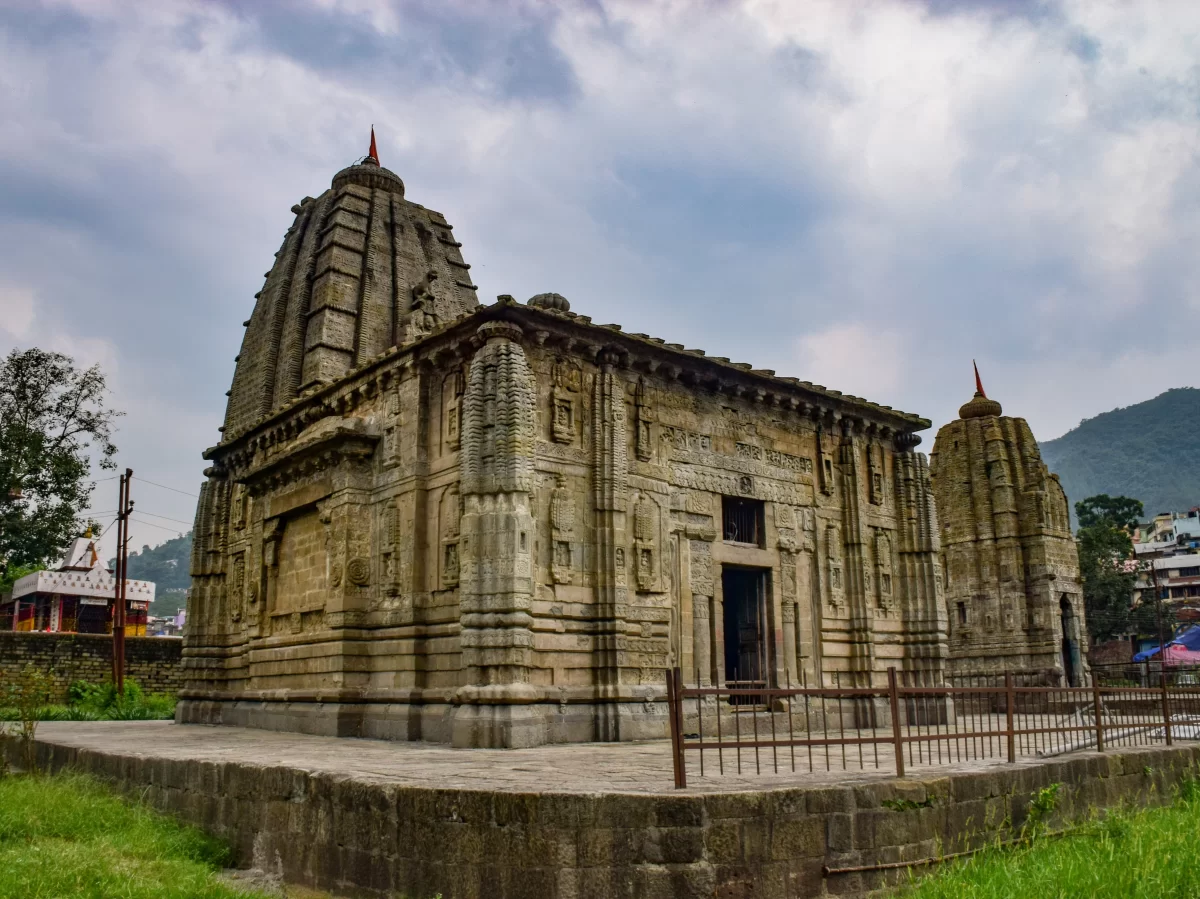
Panchvaktra Temple, Mandi
Panchvaktra Temple in Mandi, Himachal Pradesh, is a historic shrine dedicated to Lord Shiva, distinguished by its rare five-faced Shiva lingam representing five divine aspects o…
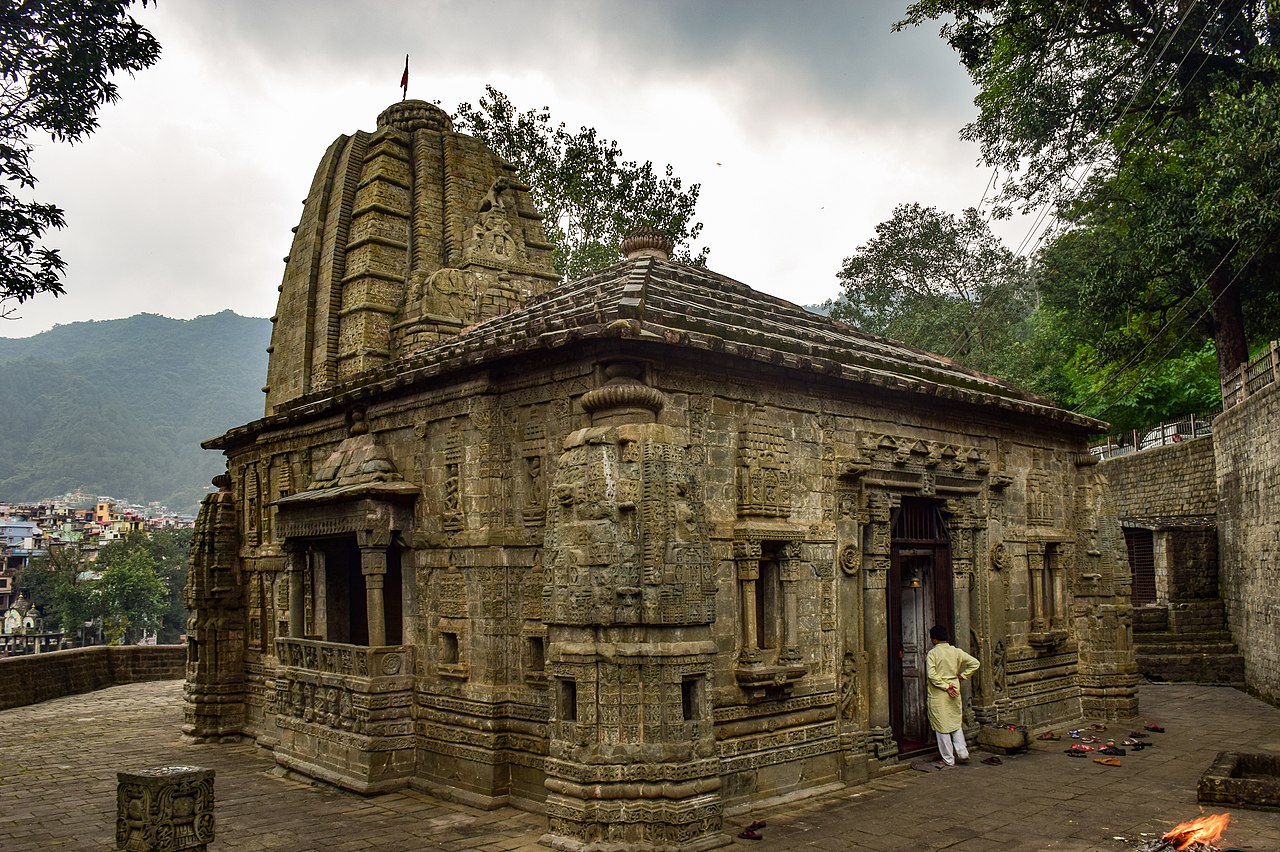
Trilokinath Temple, Mandi
Trilokinath Temple in Mandi, Himachal Pradesh, is a historic shrine dedicated to Lord Shiva, distinguished by its three-faced murti and unique role as a sacred site revered equa…
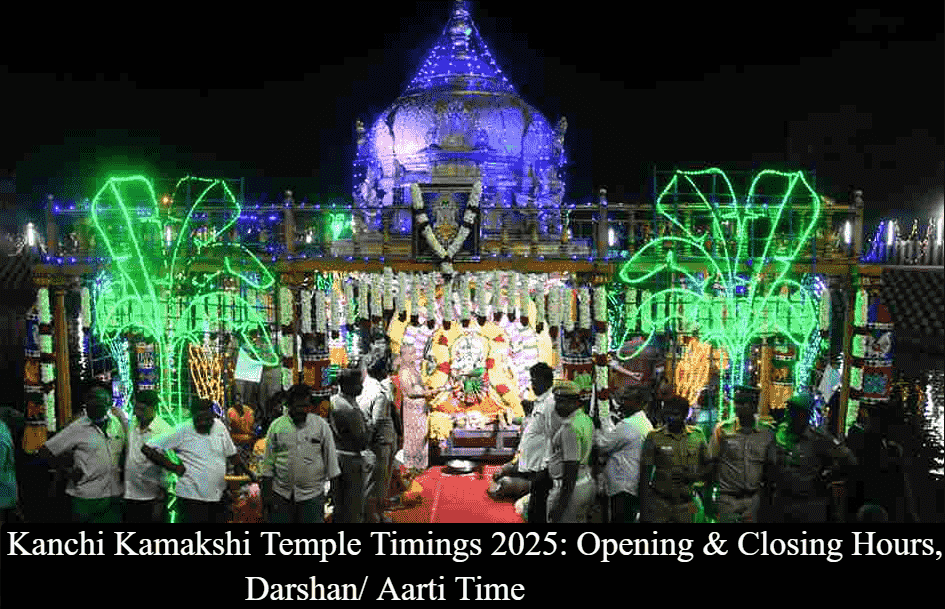
Kamaksha
Arulmigu Kamakshi Amman Temple in Mangadu, near Chennai, is dedicated to the goddess Kamakshi, an aspect of Adi Parashakti. According to legend, the goddess performed austeritie…
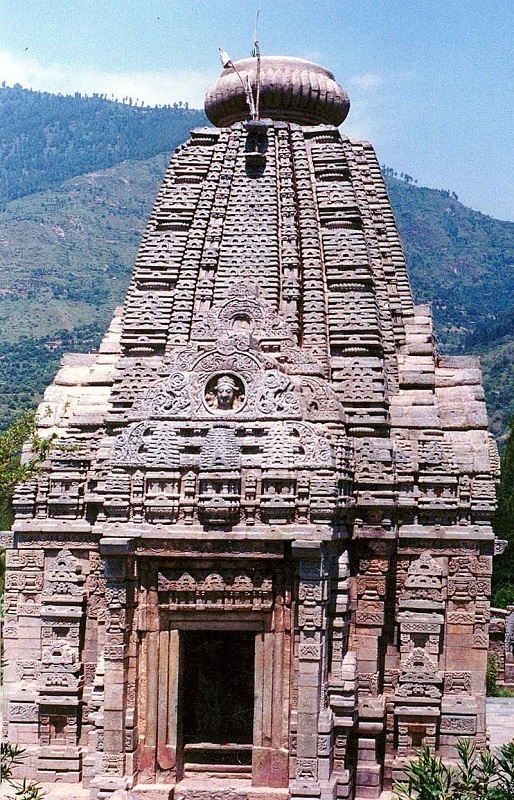
Basheshar Mahadev Temple, Bajaura
Basheshwar Mahadev Temple in Bajaura is Kullu Valley's largest and oldest stone shrine, dedicated to Lord Shiva and renowned for its exquisite 8th-9th century carvings and Nagar…
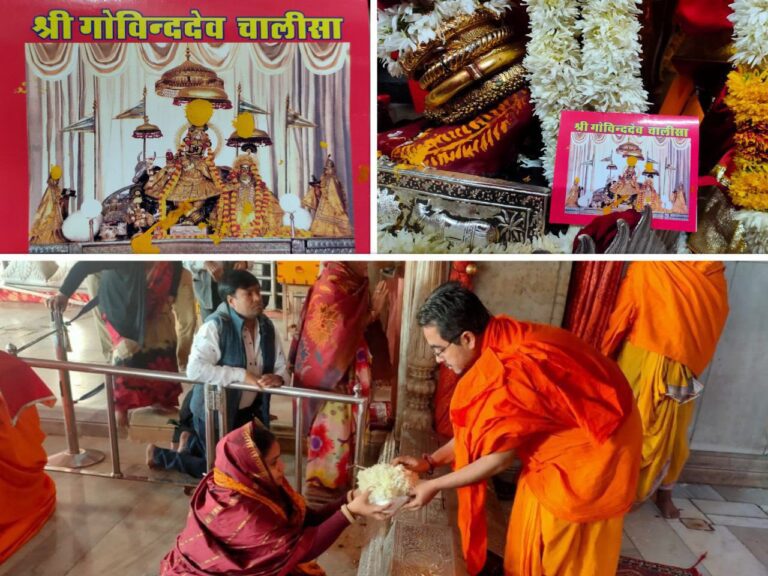
Maa Simsa temple
Maa Simsa is a 400-year-old hilltop shrine in Himachal Pradesh dedicated to Sharada Devi, revered as Santan Datri (the Mother who grants children) through the sacred Sallindara…

Shikari Devi Temple
Shikari Devi Temple is an ancient Hindu shrine dedicated to Goddess Durga in her form as the Hunter's Goddess, perched at 3,359 metres atop the highest peak in Mandi district. B…