


Shikari Devi Temple
About Shikari Devi Temple
Tradition holds that Shikari Devi Temple was established during the Mahabharata era, with some accounts attributing its founding to the Pandavas during their period of exile. While precise historical documentation of these origins remains unavailable, the temple's long association with the landscape and its communities suggests a continuity of worship spanning centuries. This antiquity places the shrine among the oldest pilgrimage sites in the region.
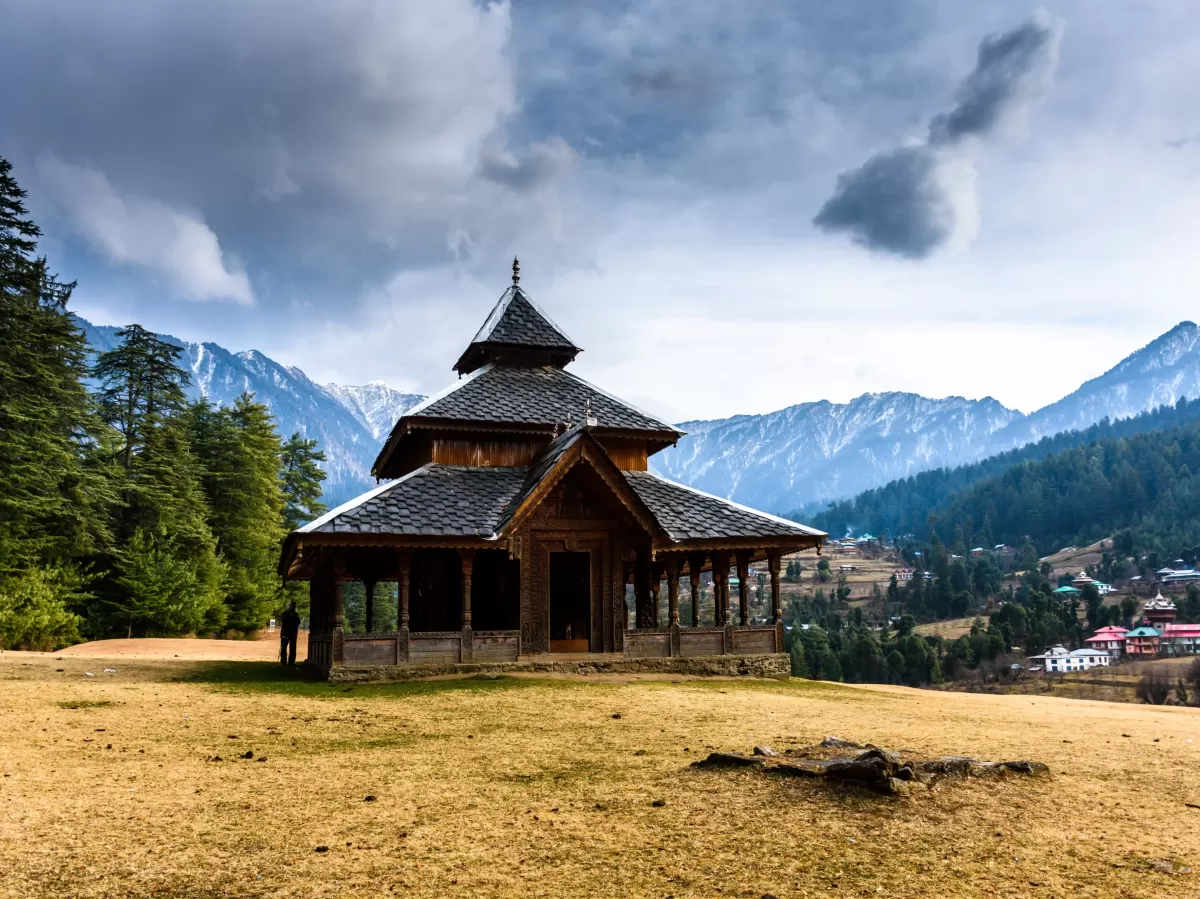
The temple's most striking architectural feature is that it has no roof. According to local accounts, despite numerous attempts over time, no roof has ever successfully remained in place over the temple structure. Remarkably, during winter months when heavy snow blankets the surrounding region to depths of several feet, no snow accumulates inside the temple itself. This phenomenon has become central to the temple's identity and spiritual reputation, drawing both pilgrims and those curious about the unexplained.
The Pilgrimage Journey
Shikari Devi Temple sits at an elevation of 3,359 metres atop Shikari Devi Peak, the highest peak in Mandi district. The final approach requires physical preparation and determination. Visitors can reach the temple from either Karsog (approximately 21 kilometres away) or Janjehli (approximately 16 kilometres away). The vehicular road terminates about one kilometre before the temple, from which point visitors must climb nearly 550 steps to reach the shrine. This final ascent forms an integral part of the pilgrimage experience and should be factored into travel planning, as it requires reasonable physical fitness and time for acclimatization to the high altitude.
The journey itself offers substantial rewards. The approach passes through vast green pastures and areas abundant with wildflowers. From the summit, visitors encounter panoramic views of snow ranges and can witness captivating sunrises and sunsets. The combination of spiritual purpose and natural beauty makes this a destination favored by both pilgrims and nature enthusiasts.
Visiting Information and Practical Details
The temple is open daily from 6:00 AM to 8:00 PM, with entry free to all visitors. Spring and autumn are the recommended seasons for visiting, offering stable weather and clear visibility. Peak winter months should be avoided due to heavy snowfall that can make the approach difficult and potentially hazardous. The high altitude means visitors should allow time for acclimatization, particularly those arriving from lower elevations.
Visitors may hire vehicles from either Karsog or Janjehli for the journey, or undertake the entire approach on foot as a trek. Those planning to visit should wear sturdy footwear suitable for steep climbing and bring adequate water and provisions. The exposed location at high altitude means weather can change rapidly, so appropriate clothing for variable conditions is advisable. The 550-step final ascent should not be underestimated in terms of physical exertion.
Trekking and Onward Routes
Beyond the temple itself, Shikari Devi Peak serves as a hub for several trekking routes through the region. Visitors can trek onward to Chindi, Karsog, and Janjehli through different established routes, making the temple a natural waypoint for those undertaking longer mountain journeys. The high-altitude meadows and forest terrain surrounding the peak offer multiple options for those wishing to extend their visit into a broader trekking experience.
How to reach
Temples near Shikari Devi Temple

Kamaksha
Arulmigu Kamakshi Amman Temple in Mangadu, near Chennai, is dedicated to the goddess Kamakshi, an aspect of Adi Parashakti. According to legend, the goddess performed austeritie…

Shali Mata Temple
Shali Mata Temple is a remote Hindu sanctuary perched at 2,862 metres on Shali Tibba peak in Shimla district, Himachal Pradesh, accessible only by a 7-kilometre mountain trek fr…
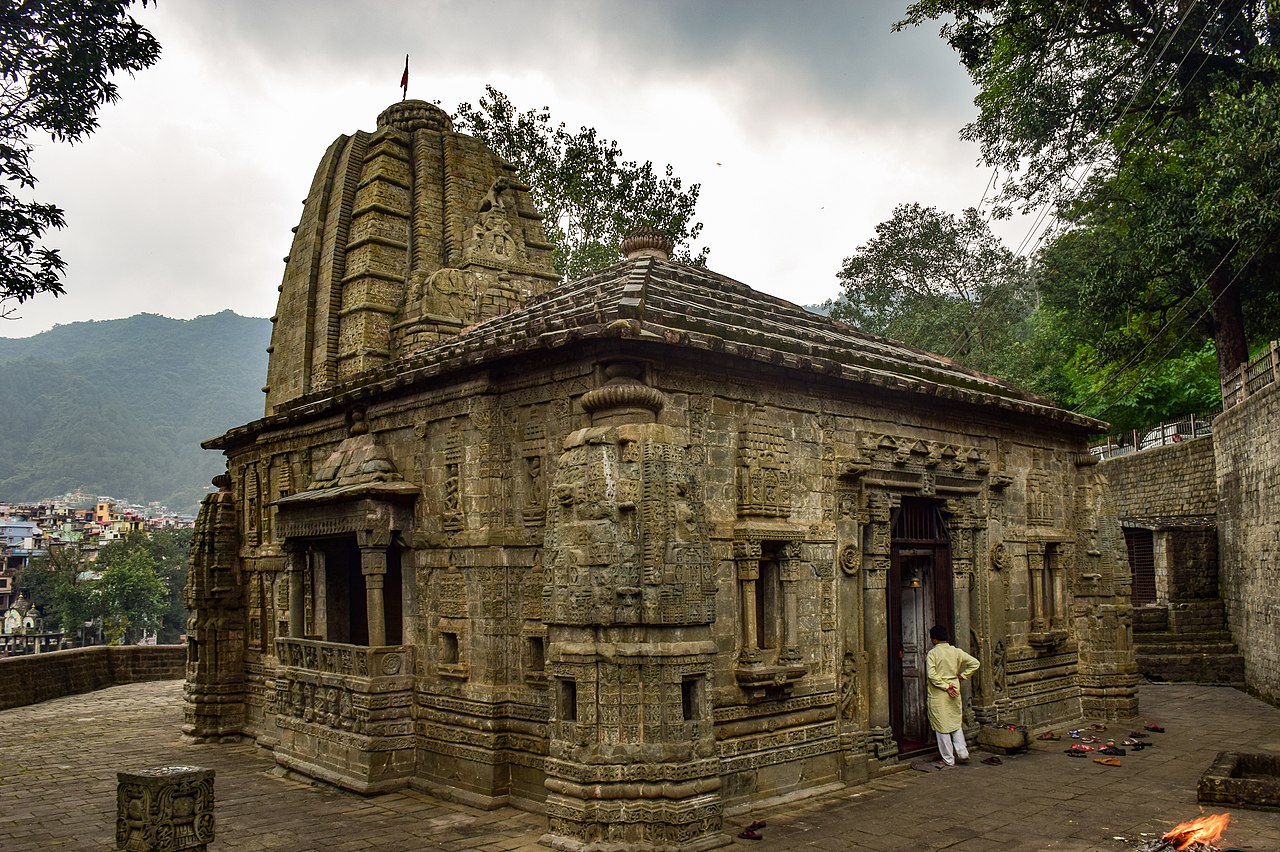
Trilokinath Temple, Mandi
Trilokinath Temple in Mandi, Himachal Pradesh, is a historic shrine dedicated to Lord Shiva, distinguished by its three-faced murti and unique role as a sacred site revered equa…
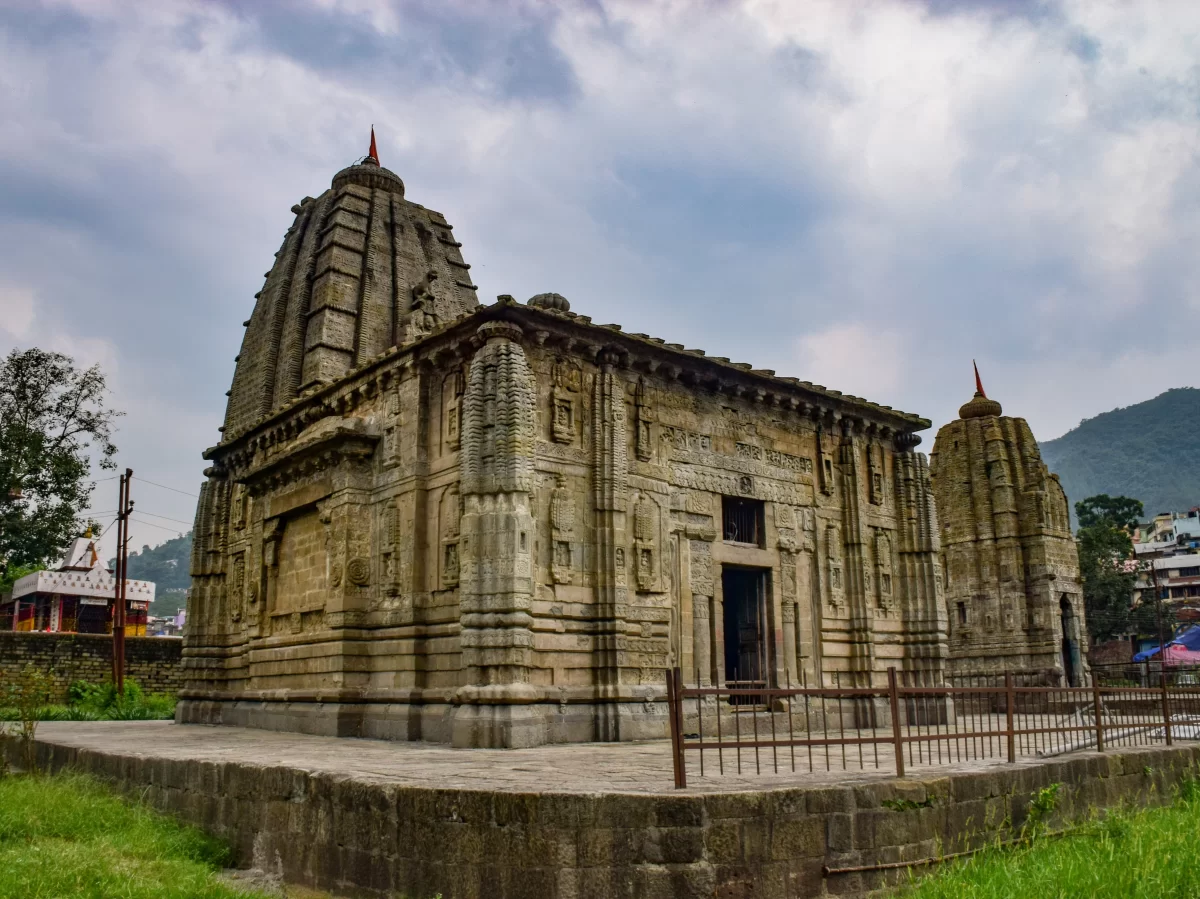
Panchvaktra Temple, Mandi
Panchvaktra Temple in Mandi, Himachal Pradesh, is a historic shrine dedicated to Lord Shiva, distinguished by its rare five-faced Shiva lingam representing five divine aspects o…
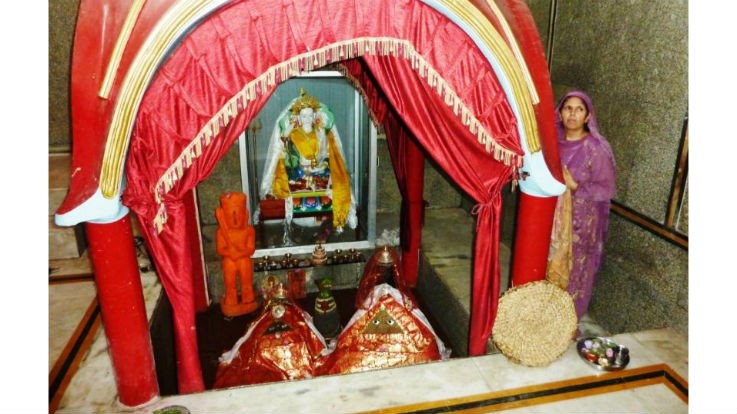
Mata Kuan Rani Temple
Mata Kuan Rani Temple, situated on the banks of the Beas River in Mandi, Himachal Pradesh, is a Hindu shrine historically associated with Princess Mandarava's imprisonment. The…
Shanghchul Mahadev Temple, Shangarh
Shangchul Mahadev Temple is an ancient shrine dedicated to Lord Shiva, perched at 2,250 meters in Shangarh village within Himachal Pradesh's Sainj Valley, offering spiritual sol…