Teli ka Temple
About Teli ka Temple
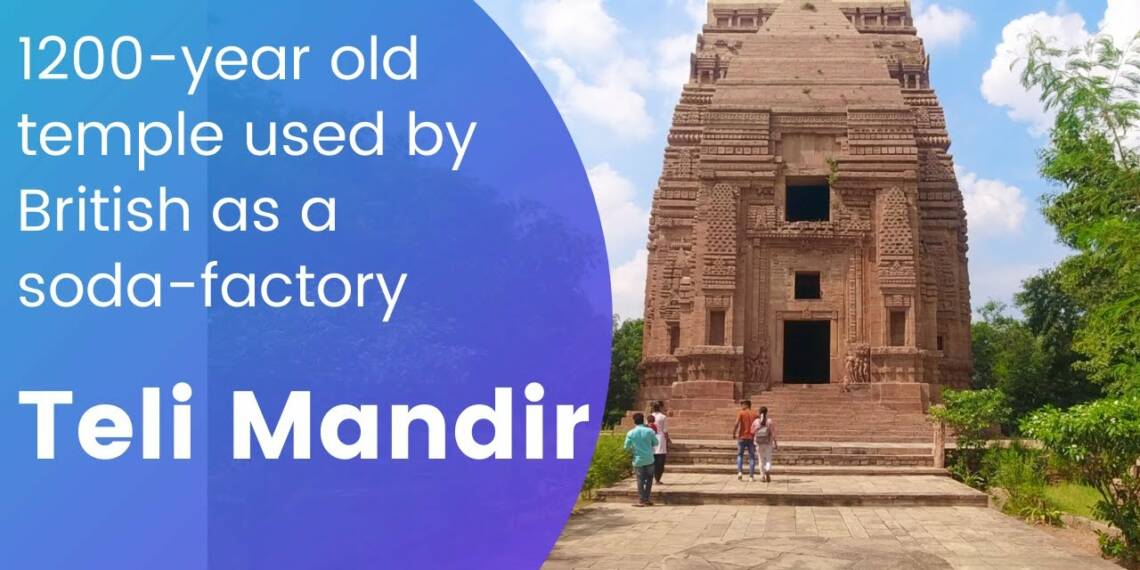
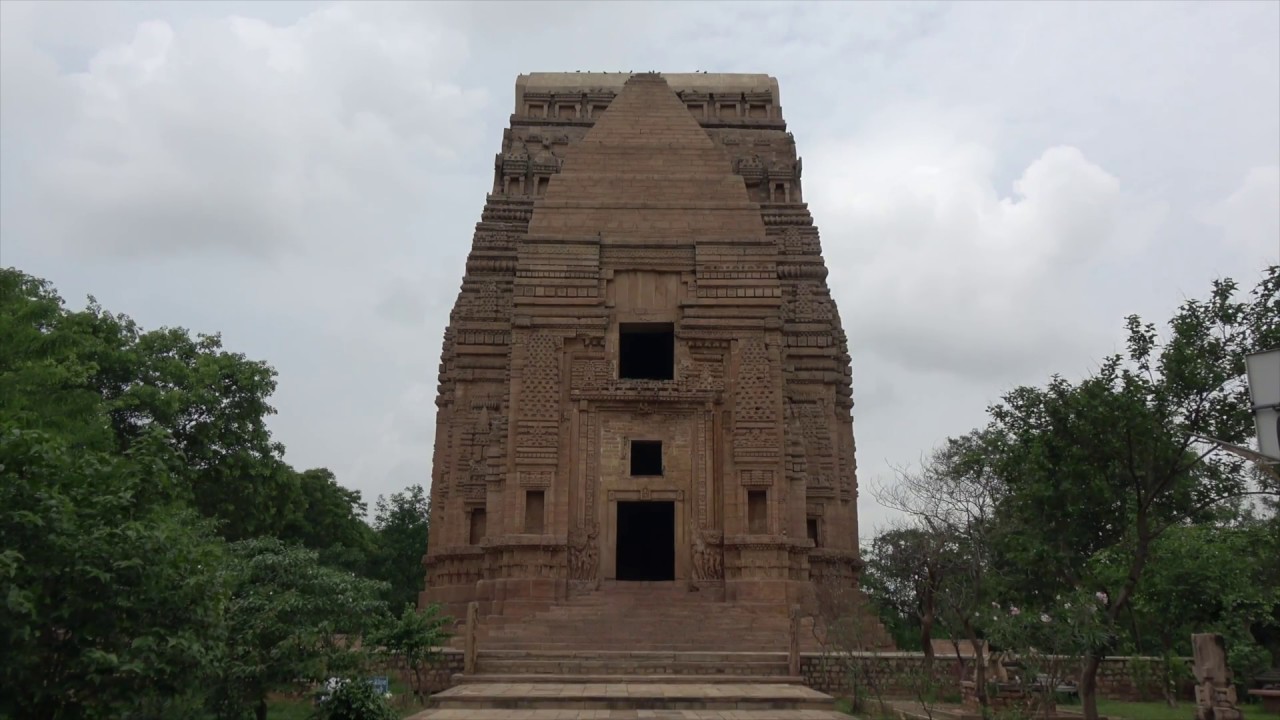
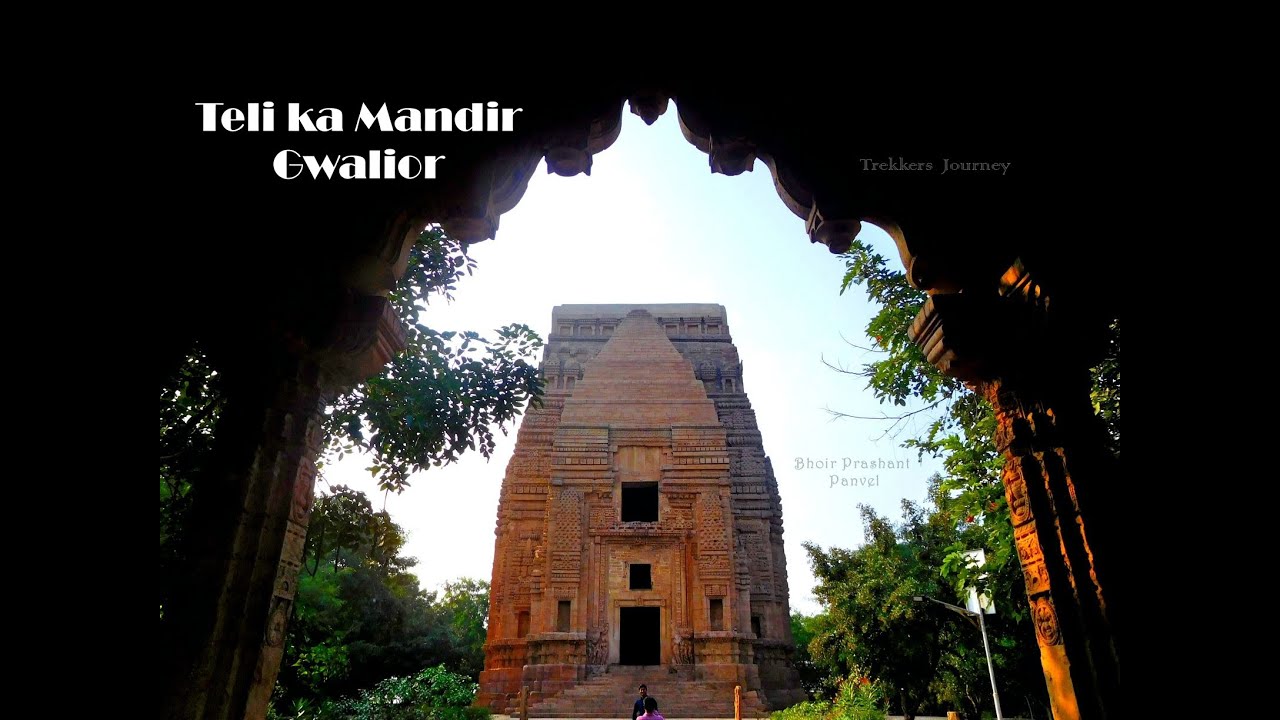
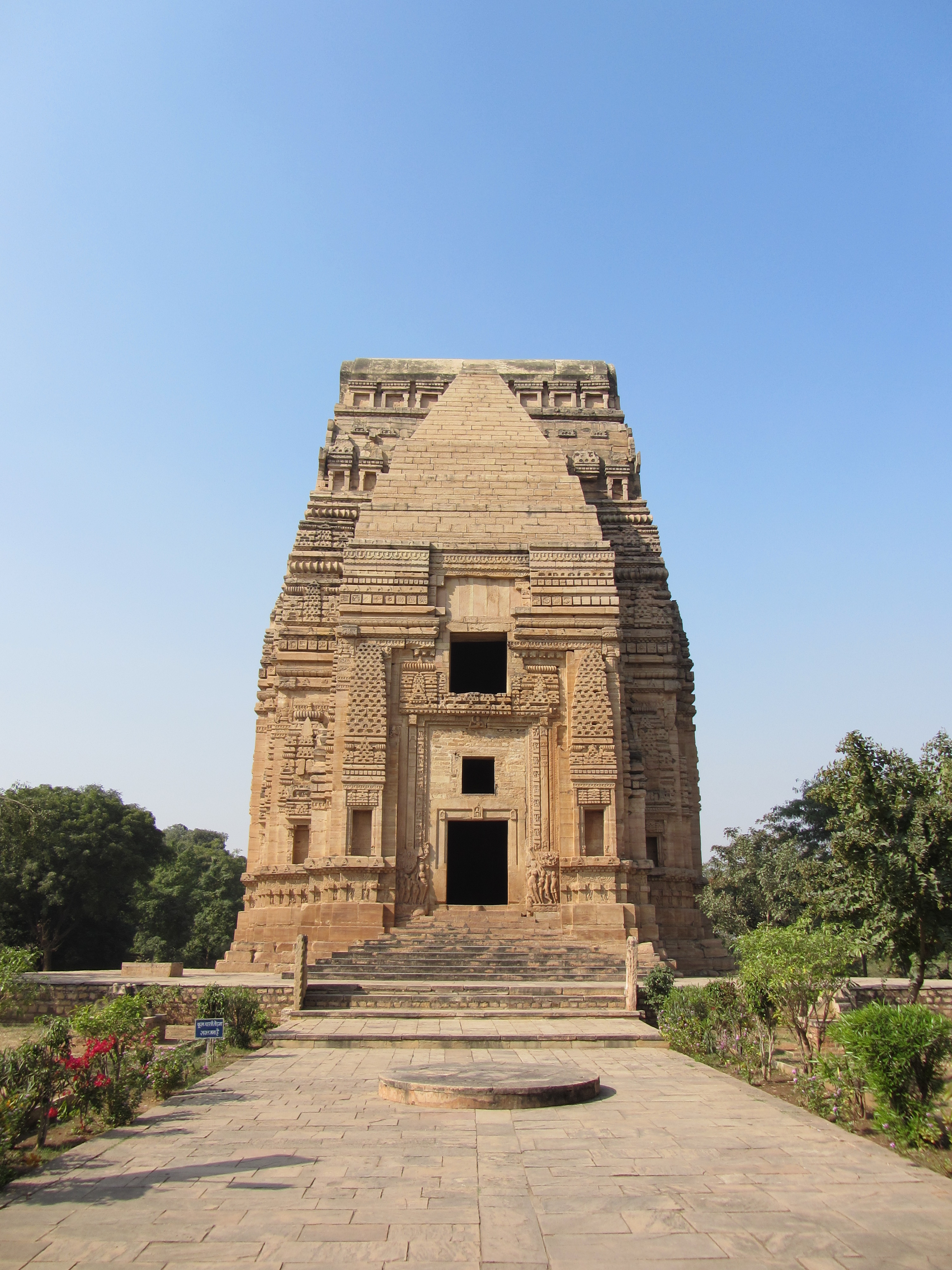
The temple dates to the early 8th through early 9th century CE, placing it among the significant religious structures of medieval central India. Its location within Gwalior Fort situates it within a site of continuous historical importance across successive dynasties. The fort itself has endured over a millennium of Indian history, and the temple's presence there connects visitors directly to this layered past. For those interested in medieval Hindu architecture or the religious life of central India, the temple merits careful observation as a surviving example of shrine design from this formative period.
Daily Worship and Darshan
The temple opens for darshan from 08:00 to 18:00 daily, allowing visitors to approach the sanctum during daylight hours. An evening aarti—the ritual offering of light to the deity—takes place at 20:30. Temples dedicated to Shiva and Vishnu typically maintain daily rituals including morning and evening offerings, though specific practices at this particular temple should be confirmed with local sources or fort authorities before visiting. The rhythm of worship here follows patterns established over centuries, with devotees and visitors able to participate in or observe these ritual moments.
Festivals and Seasonal Observance
The temple is notably decorated and particularly busy during three major festivals: Diwali, Dussehra, and Kartik Purnima. These occasions draw increased devotional activity and enhanced ornamentation of the shrine. Diwali, the festival of lights, typically involves Lakshmi puja and illumination of the temple. Dussehra celebrates the victory of good over evil. Kartik Purnima, observed in November, holds special significance in the Hindu calendar. Visiting during these festivals offers a fuller sense of the temple's religious life, though the fort and temple will be more crowded than on ordinary days.
Practical Information for Visitors
Access to Teli ka Temple requires entry to Gwalior Fort, which sits prominently on a hilltop within the city. Gwalior is well-connected by road and rail to major cities in central India. The final approach to the fort may involve walking, and visitors should plan their visit during daylight hours to navigate the fort safely and to appreciate both the temple and its architectural setting. Once within the fort complex, staff or signage should direct visitors to the temple, though confirming directions upon arrival is advisable given the fort's size and multiple structures.
Etiquette and Dress
Appropriate dress is important when entering a Hindu temple. Visitors should wear modest clothing that covers shoulders and knees. Shoes are typically removed before entering the inner sanctum, though practices may vary—observing what other visitors do upon arrival provides practical guidance. Photography policies should be confirmed at the site, as restrictions may apply within certain areas of the temple. These courtesies reflect respect for the sacred space and ongoing worship within the shrine.
Planning Your Visit
Daylight hours are recommended for safe navigation of the fort complex and to fully appreciate the temple's architectural and historical context. Festival days—particularly Diwali, Dussehra, and Kartik Purnima—offer a richer sense of the temple's religious significance, though they will be busier. Confirm current timings and any variations on festival days with the temple or fort authorities before traveling, as practices may change seasonally or due to local circumstances.
How to reach
Temples near Teli ka Temple
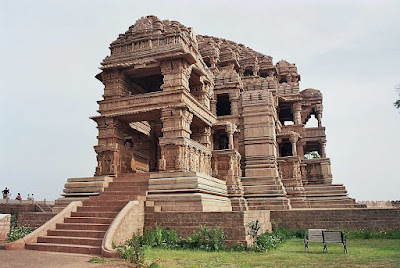
Sasbahu Temple, Gwalior
Twin 11th-century temples within Gwalior Fort dedicated to Aniruddha (Vishnu avatar) and Shiva, built between 1090–1093 by King Mahipala of the Kachchhapaghata dynasty for his w…
Chaturbhuj Temple
Chaturbhuj Temple in Orchha, Madhya Pradesh, is a 16th-century Hindu shrine dedicated to Rama, an avatar of Vishnu, featuring a distinctive blend of temple, fort, and palatial a…
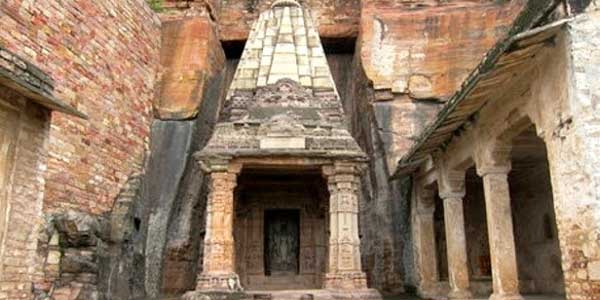
Chaturbhuj Temple, Gwalior
Chaturbhuj Temple, also known as the Temple of Zero, is a ninth-century rock-cut shrine within Gwalior Fort dedicated to Vishnu in his four-armed form. It houses the world's old…
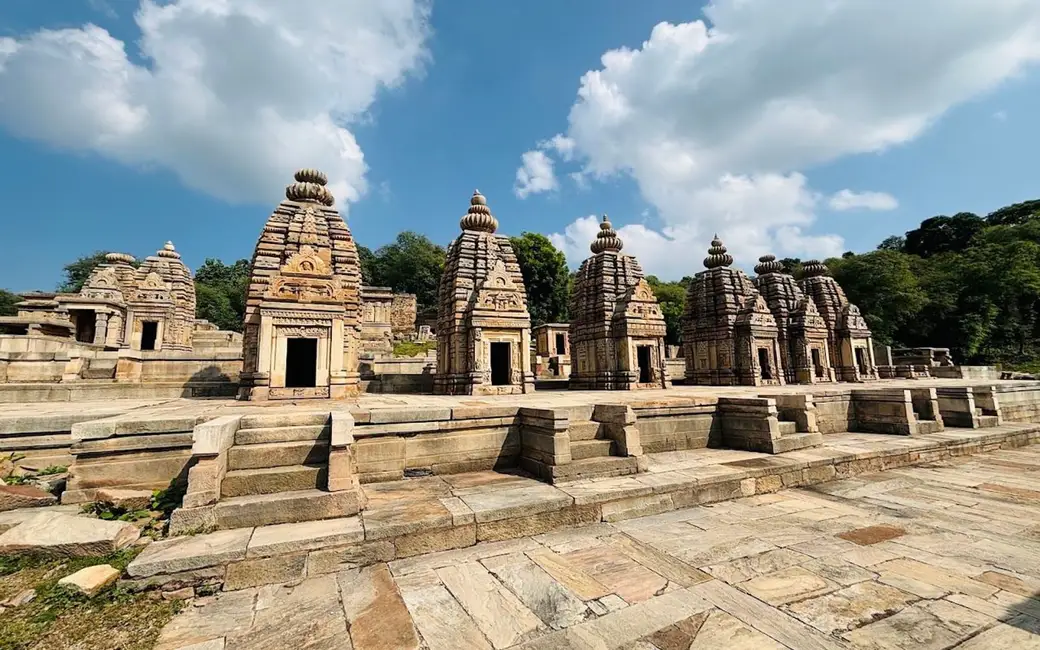
Bateshwar Hindu temples, Madhya Pradesh
The Bateshwar Temple Group is an ancient cluster of approximately 200 temples dedicated to Lord Shiva, Vishnu, and Shakti, built during the 8th-10th centuries by the Gurjara-Pra…

Garhi Padavali Temple
Garhi Padavali is a 10th-century Shiva temple later fortified in the 18th century, featuring ornate carvings reminiscent of Khajuraho within a medieval fortress structure in Mor…
Chausath Yogini Temple, Mitaoli
An 11th-century circular Yogini temple in Morena district, Madhya Pradesh, featuring 65 chambers dedicated to 64 yoginis and the goddess Devi, built during the Kachchhapaghata r…