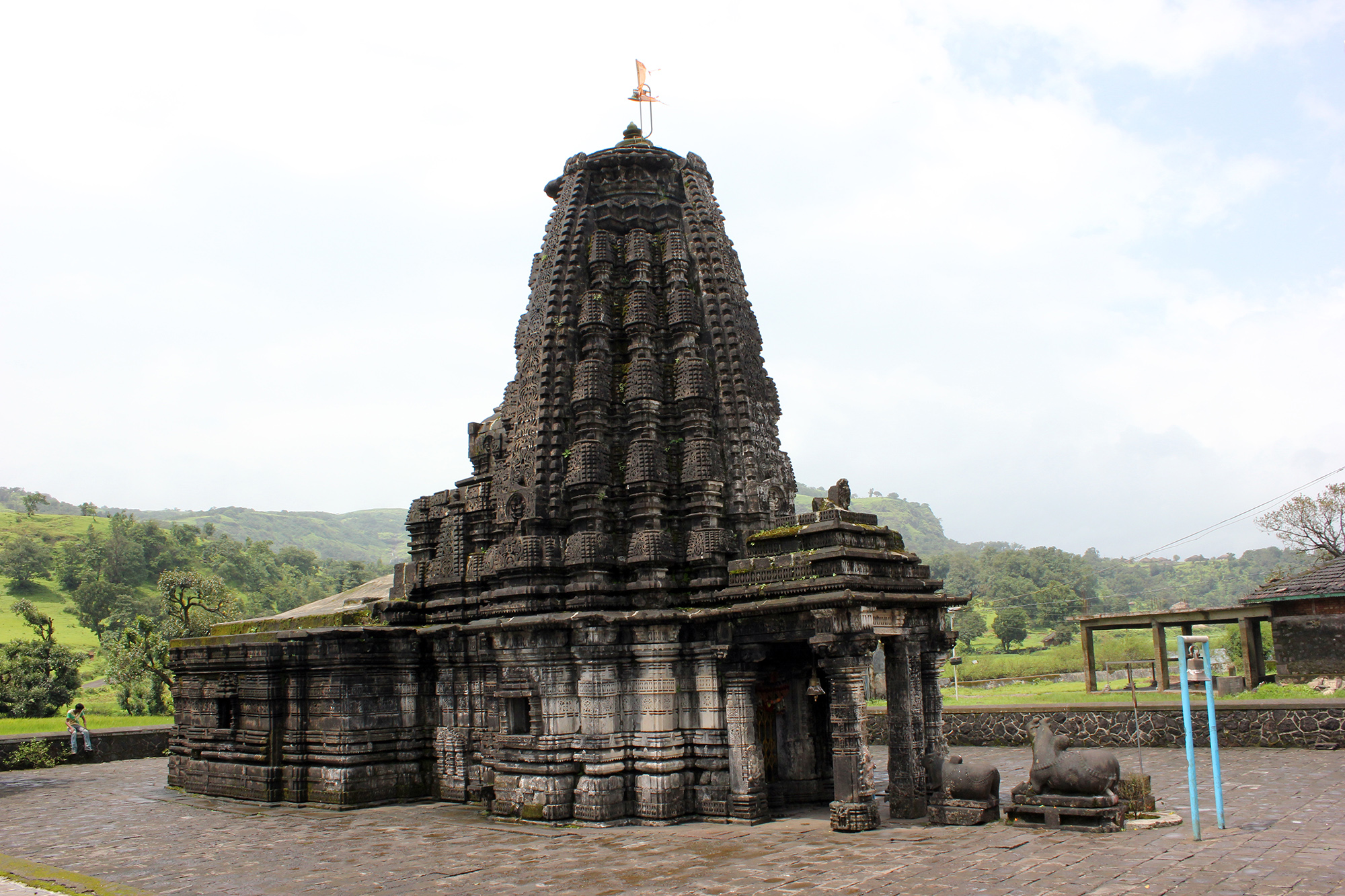

Chaturbhuj Temple
About Chaturbhuj Temple
The temple was established between 1554 and 1592, placing it within the 16th century period of significant temple construction in central India. It stands in Orchha, Madhya Pradesh, a region historically rich in religious architecture. The structure itself represents a distinctive synthesis of architectural traditions: it combines elements of temple design with features characteristic of fortifications and palatial buildings. This blending of forms reflects the complex cultural and political landscape of Bundeli architecture, the regional style that shaped the temple's appearance. The result is a multi-storied complex that rises with considerable visual presence, distinguishing it from simpler temple designs.
Daily Worship and Darshan
The temple maintains two darshan periods each day. Morning darshan runs from 05:00 to 12:00, while evening darshan extends from 16:00 to 21:00. The primary formal daily ritual is the Sandhya Aarti, performed at 19:00. This evening ceremony marks the transition between day and night and holds particular significance in Hindu worship traditions as an auspicious time for ritual observance.
Visitors attending the aarti should arrive with time to spare, as the ceremony draws both local devotees and visitors. Those unfamiliar with temple customs are advised to observe quietly and follow the example of regular worshippers regarding appropriate behavior during rituals. The early morning hours between 05:00 and 07:00 tend to be less crowded, offering a more contemplative experience for those seeking quieter worship. The evening aarti, by contrast, provides a more animated atmosphere with the ceremonial elements more visibly performed.
Festivals and Seasonal Observances
The temple is notably decorated and draws larger crowds during several festivals throughout the year. Raksha Bandhan, celebrated in August, marks the bond between siblings and brings families to worship together. Ganesh Chaturthi, a 10-day festival honoring Ganesh, occurs in September. Makar Sankranti, a harvest festival observed in January when the sun enters Capricorn, also draws devotees. Holi, the festival of colors associated with Krishna worship, transforms the temple grounds into a center of celebration. Guru Purnima, observed in July, honors spiritual teachers and attracts devotees seeking blessings related to learning and guidance.
Visitors should be aware that timings may vary on festival days, and the temple experience will differ significantly from ordinary visits due to increased crowds and special observances. It is advisable to confirm current schedules with the temple before traveling during festival periods.
Visiting Information and Etiquette
Chaturbhuj Temple is located behind Ram Raja Temple in Orchha, Madhya Pradesh, at coordinates 26.23087537, 78.16993252. The temple follows standard dress codes observed at Hindu temples: visitors should dress modestly and remove footwear before entering the sanctum. Respectful behavior is expected throughout, and visitors should follow the guidance of temple staff regarding access to different areas.
The best time to visit depends on your preferences. Early morning darshan offers a quieter, more meditative experience suitable for personal reflection. The evening aarti at 19:00 provides an opportunity to witness formal ritual worship in a more ceremonial setting. Festival periods offer a richer cultural experience but involve larger crowds and potentially modified schedules. Plan your visit accordingly based on whether you seek solitude or wish to participate in communal celebration.
How to Reach
The temple is situated in Orchha, a town in Madhya Pradesh accessible by road. The precise location is behind Ram Raja Temple. GPS coordinates 26.23087537, 78.16993252 can be used with mapping applications for navigation. Visitors should confirm current darshan timings before traveling, particularly if planning to visit during festival periods when schedules may be adjusted.
How to reach
Temples near Chaturbhuj Temple
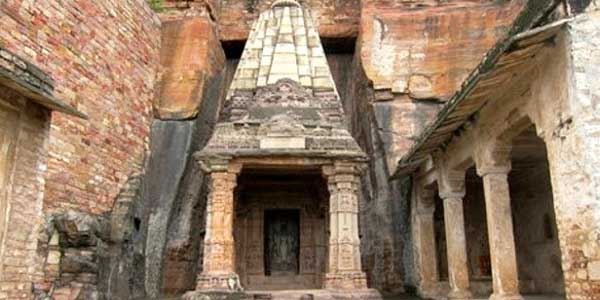
Chaturbhuj Temple, Gwalior
Chaturbhuj Temple, also known as the Temple of Zero, is a ninth-century rock-cut shrine within Gwalior Fort dedicated to Vishnu in his four-armed form. It houses the world's old…
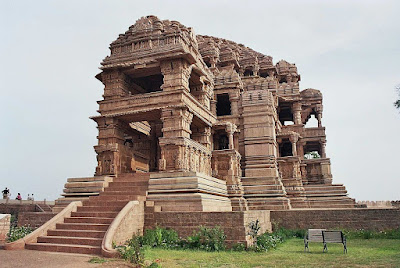
Sasbahu Temple, Gwalior
Twin 11th-century temples within Gwalior Fort dedicated to Aniruddha (Vishnu avatar) and Shiva, built between 1090–1093 by King Mahipala of the Kachchhapaghata dynasty for his w…

Teli ka Temple
Teli ka Temple, nestled within Gwalior Fort in Madhya Pradesh, is an ancient shrine dedicated to Shiva, Vishnu, and the Matrikas, dating to the early 8th–9th century CE and reco…
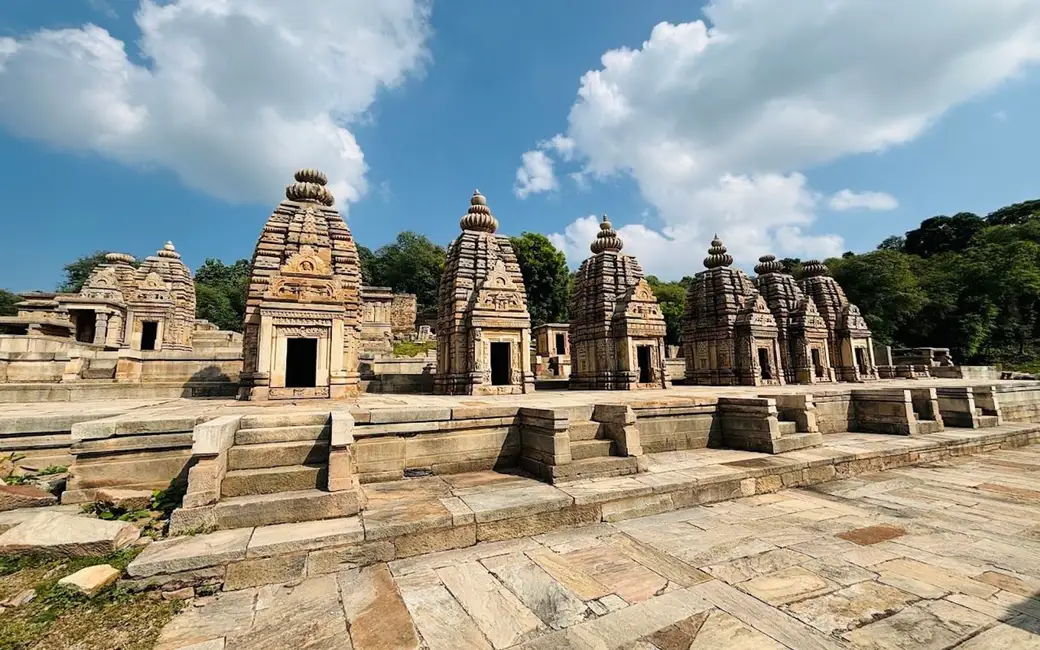
Bateshwar Hindu temples, Madhya Pradesh
The Bateshwar Temple Group is an ancient cluster of approximately 200 temples dedicated to Lord Shiva, Vishnu, and Shakti, built during the 8th-10th centuries by the Gurjara-Pra…

Garhi Padavali Temple
Garhi Padavali is a 10th-century Shiva temple later fortified in the 18th century, featuring ornate carvings reminiscent of Khajuraho within a medieval fortress structure in Mor…
Chausath Yogini Temple, Mitaoli
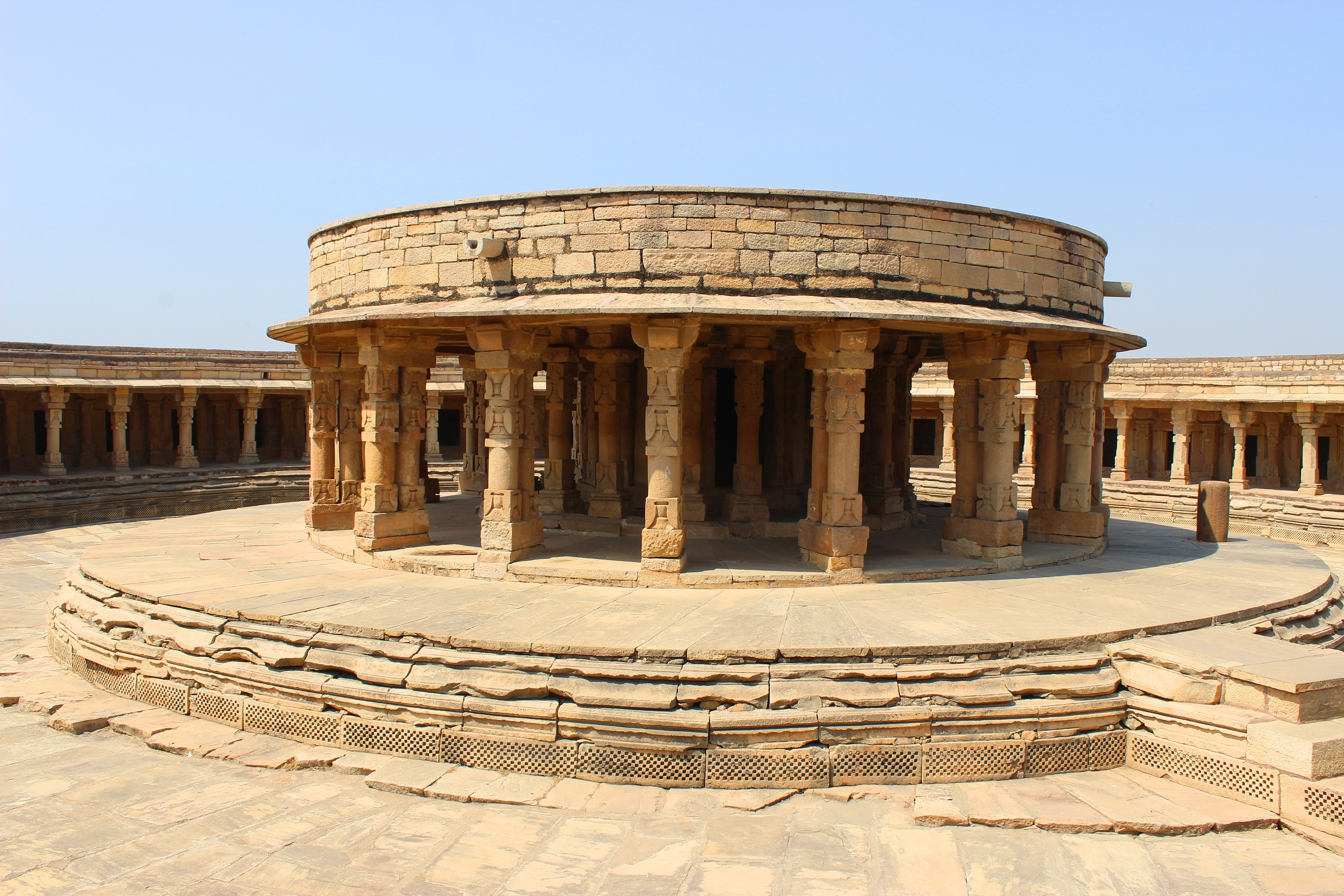
An 11th-century circular Yogini temple in Morena district, Madhya Pradesh, featuring 65 chambers dedicated to 64 yoginis and the goddess Devi, built during the Kachchhapaghata r…