


Garhi Padavali Temple
About Garhi Padavali Temple
The mandapa, or central hall, represents the temple's artistic pinnacle. Nearly every surface—ceiling, pillars, and walls—bears intricate carved work that demonstrates the sophisticated craftsmanship of the Gurjara-Pratihara period. The carvings depict celestial beings, scenes from the Ramayana and Mahabharata epics, representations of the Trimurti (Brahma, Vishnu, and Shiva), and the ten incarnations of Vishnu. The temple also contains erotic sculptures, a feature that connects it stylistically to the better-known temples of Khajuraho, though Garhi Padavali's carvings are described as a more compact expression of that tradition.
The artistic density of the site makes it significant within the broader heritage circuit of Morena district. The preservation of these carvings, particularly the depictions of major Hindu deities and epic narratives, offers insight into 10th-century Central Indian religious art and belief.
Daily Worship and Darshan
The temple opens daily from 6:00 AM to 6:00 PM. An evening ritual called Deep Arpan (the offering of lamps) takes place at dusk, which is the primary aarti observed at the site. Visitors may participate in darshan during these hours, though the site operates without an officially appointed guide; local people may offer informal assistance.
Temples dedicated to Shiva typically maintain simple worship practices centered on the deity's presence. Devotees traditionally offer flowers, water, and prayers. Visitors should dress modestly, covering shoulders and knees, as is customary at Hindu temples.
Visiting Practicalities
The temple is located on Bateswar Temple Rd in Banmore, Madhya Pradesh, approximately 3.78 kilometers from Rethorakalan railway station. There is no public transport to the site; visitors must arrive by private vehicle—car or motorcycle. The road to the temple is well-maintained.
The site includes a garden area with public toilets and free drinking water. However, there are no restaurants or food stalls nearby, so visitors should bring their own food and water. Entry is free. Mobile phone coverage is available. Visitors typically spend between three and six hours at the site, particularly if they wish to experience sunrise or sunset. The nearby Mitaoli temple lies approximately five kilometers away and can be visited on the same trip.
Best Time to Visit
The optimal season for visiting is October through March, when temperatures are moderate and weather conditions are generally favorable for outdoor exploration. Early morning visits allow for sunrise viewing, while late afternoon visits enable visitors to experience the Deep Arpan ritual at dusk.
Archaeological and Historical Context
Garhi Padavali functions as an active archaeological site as well as a place of worship. The combination of temple and fortress represents a specific moment in Central Indian history when sacred structures required military protection. The site has benefited from road improvements and maintenance by the Madhya Pradesh government and archaeological department, making it more accessible to visitors while preserving its historical character.
The temple's survival through centuries of regional conflict and change, despite damage from historical invasions, reflects both the durability of its construction and the ongoing commitment to its preservation. For those interested in medieval Indian architecture, religious sculpture, and the layered history of sacred sites, Garhi Padavali offers a compact but substantial example of these themes.
How to reach


Temples near Garhi Padavali Temple
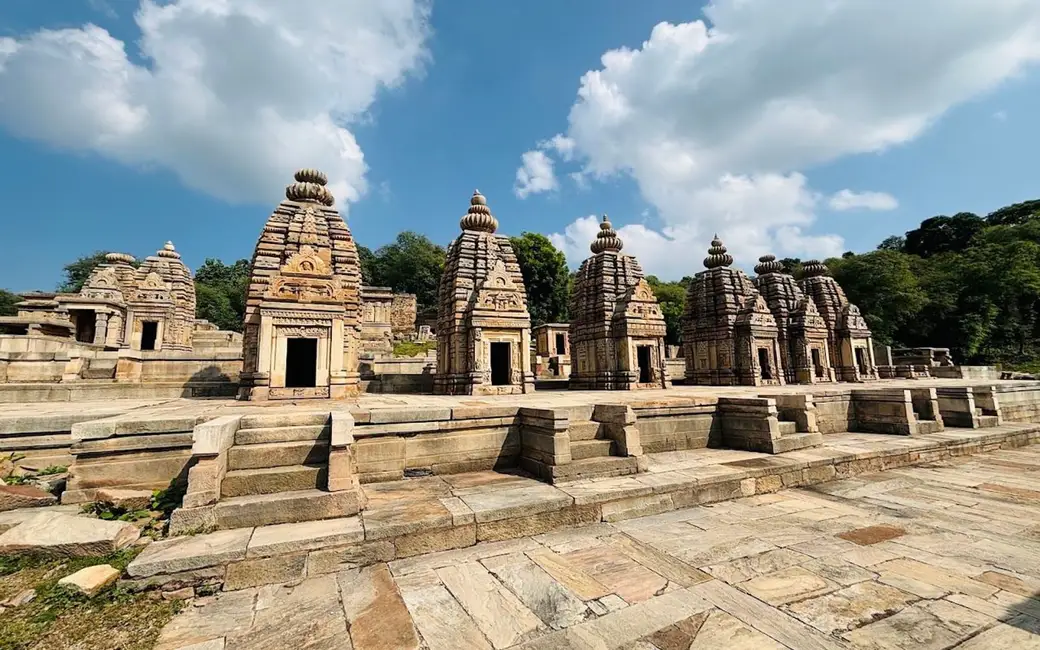
Bateshwar Hindu temples, Madhya Pradesh
The Bateshwar Temple Group is an ancient cluster of approximately 200 temples dedicated to Lord Shiva, Vishnu, and Shakti, built during the 8th-10th centuries by the Gurjara-Pra…
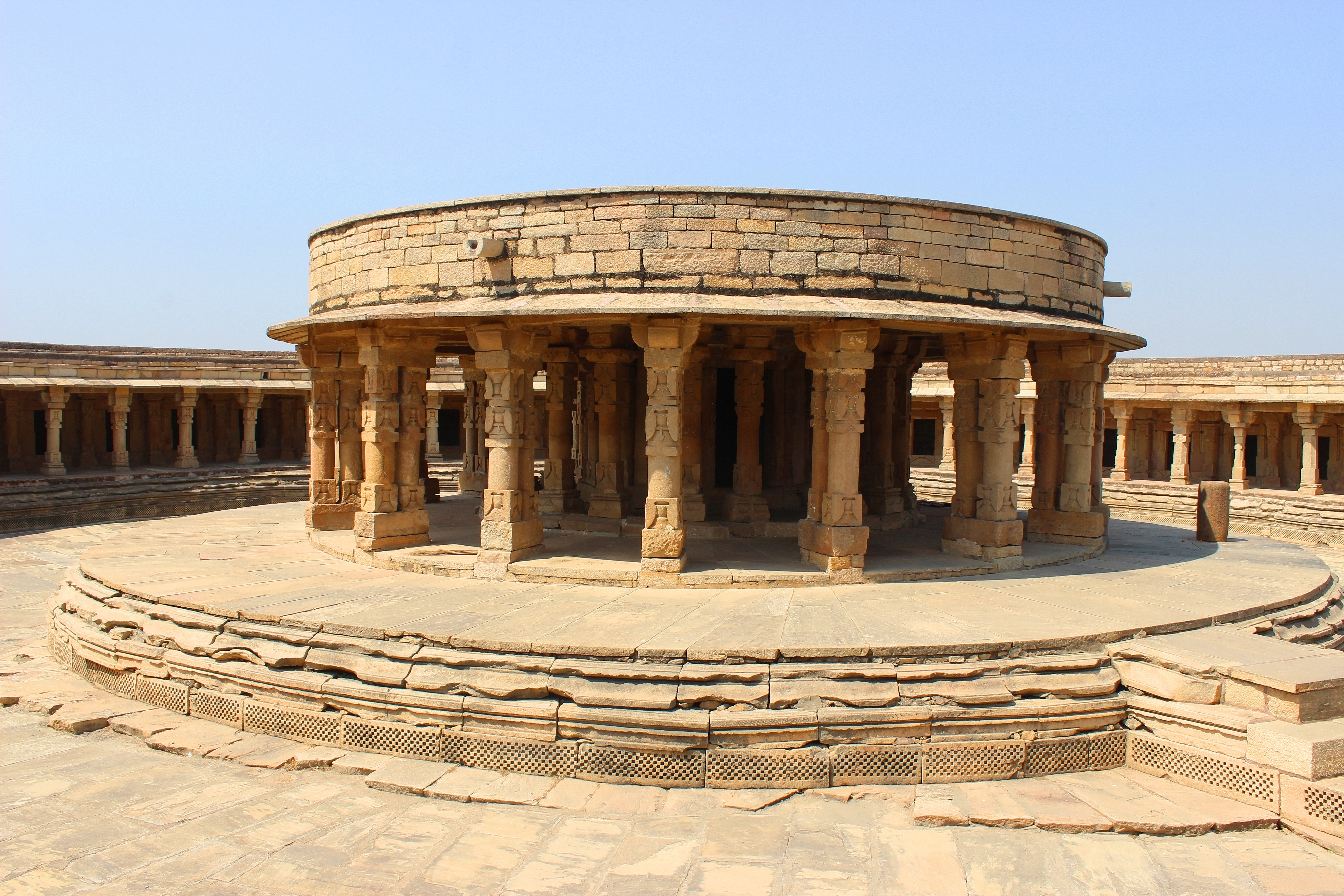
Chausath Yogini Temple, Mitaoli
An 11th-century circular Yogini temple in Morena district, Madhya Pradesh, featuring 65 chambers dedicated to 64 yoginis and the goddess Devi, built during the Kachchhapaghata r…
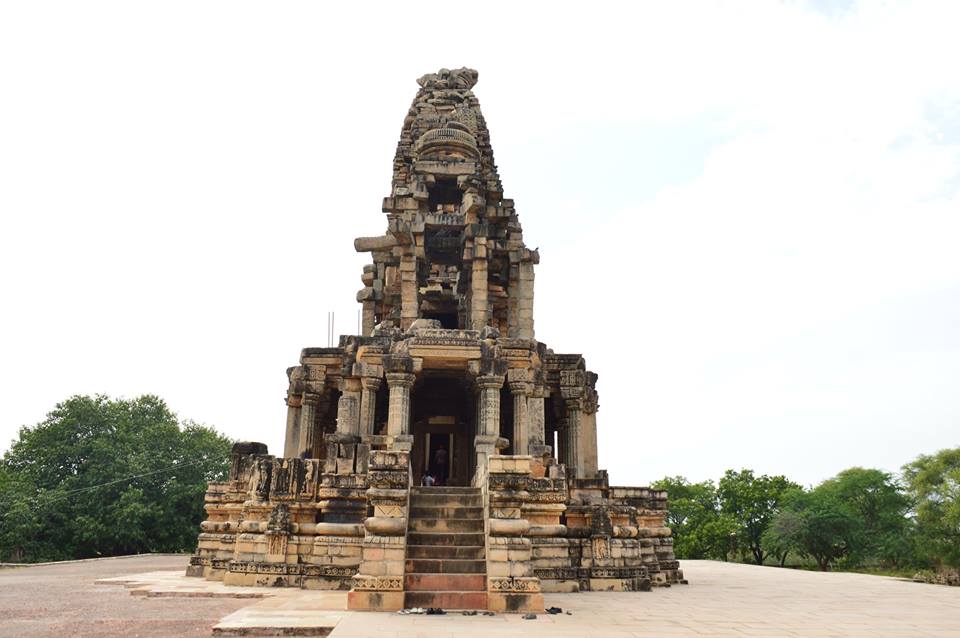
Kakanmath temple, Sihoniya
Kakanmath is an 11th-century ruined Shiva temple in Sihoniya, Madhya Pradesh, commissioned by Kachchhapaghata ruler Kirttiraja and now protected as a Monument of National Import…
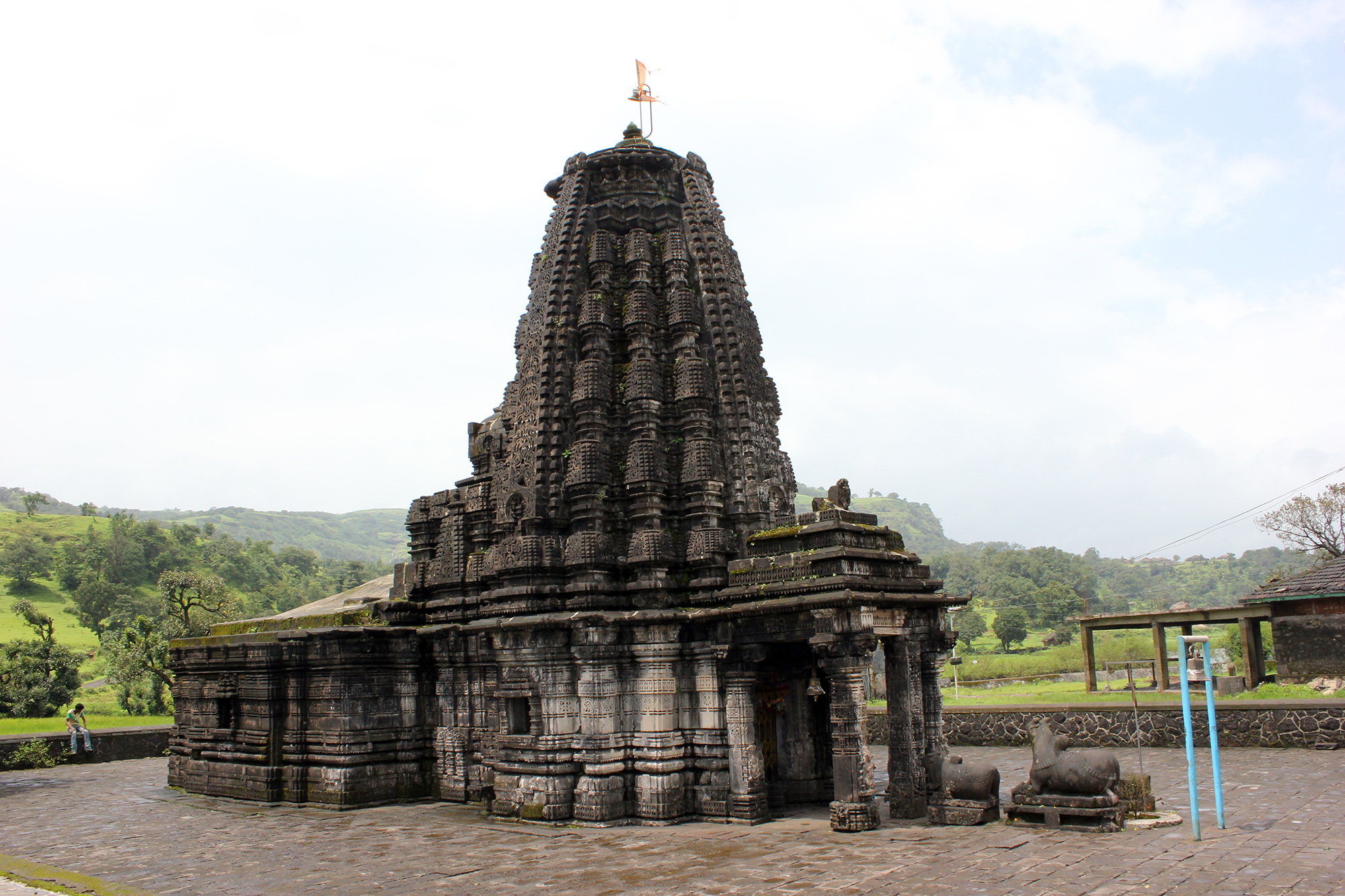
Chaturbhuj Temple
Chaturbhuj Temple in Orchha, Madhya Pradesh, is a 16th-century Hindu shrine dedicated to Rama, an avatar of Vishnu, featuring a distinctive blend of temple, fort, and palatial a…
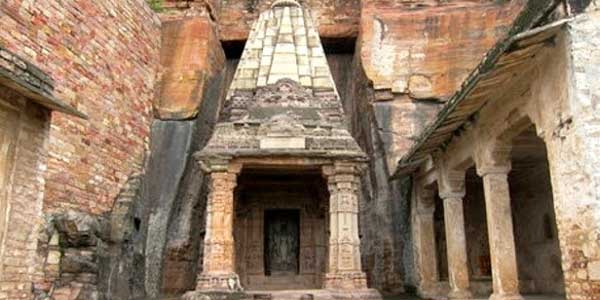
Chaturbhuj Temple, Gwalior
Chaturbhuj Temple, also known as the Temple of Zero, is a ninth-century rock-cut shrine within Gwalior Fort dedicated to Vishnu in his four-armed form. It houses the world's old…
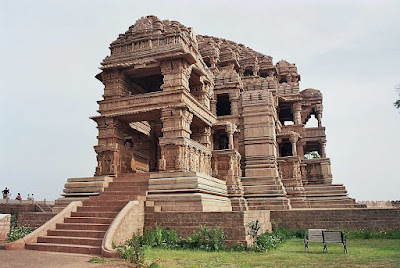
Sasbahu Temple, Gwalior
Twin 11th-century temples within Gwalior Fort dedicated to Aniruddha (Vishnu avatar) and Shiva, built between 1090–1093 by King Mahipala of the Kachchhapaghata dynasty for his w…