Chausath Yogini Temple, Mitaoli
About Chausath Yogini Temple, Mitaoli
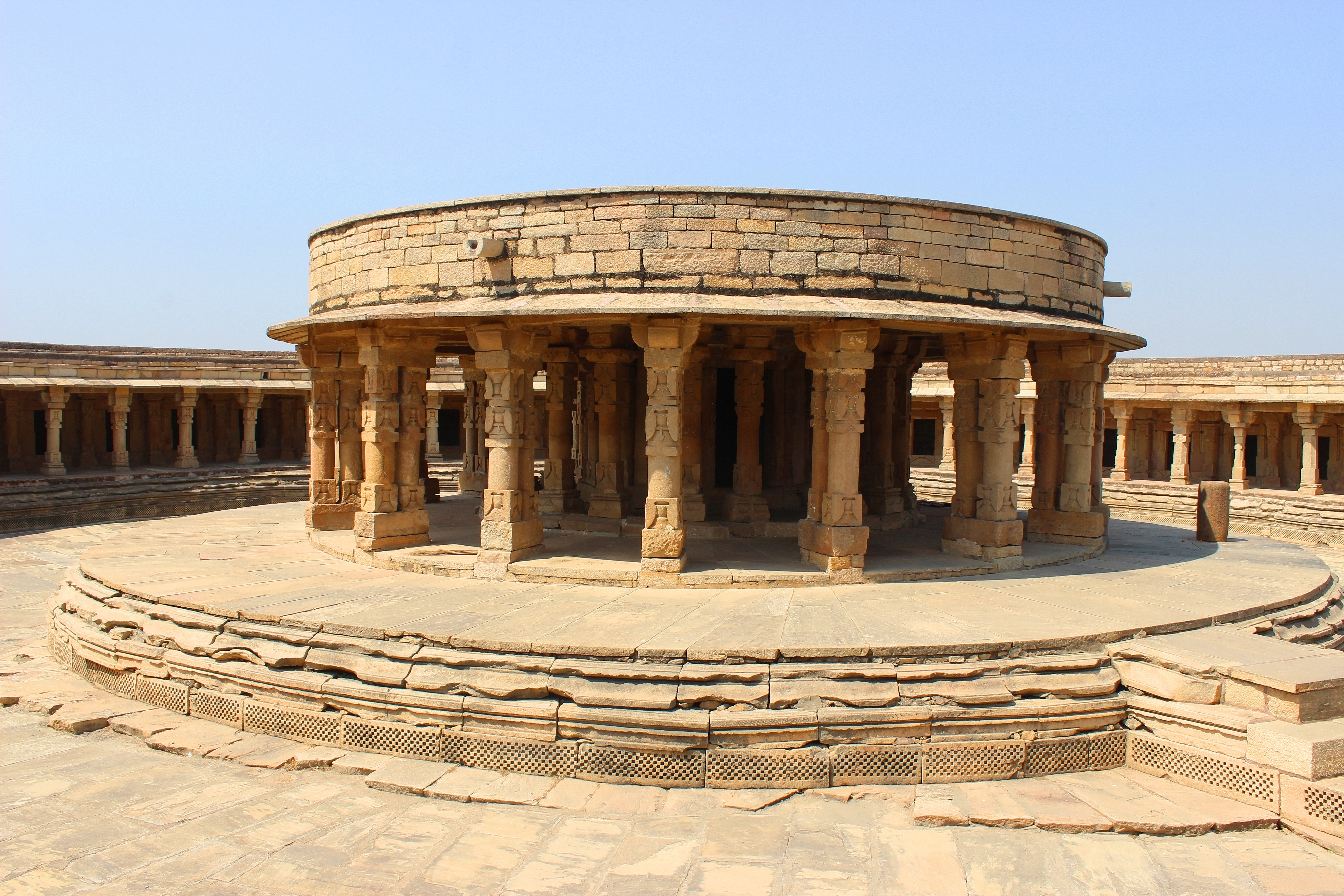
The temple's most distinctive feature is its circular wall, which contains sixty-five chambers: one for each of the sixty-four yoginis and an additional chamber for the goddess Devi. This geometric arrangement differs markedly from the linear or cruciform plans common in many Hindu temples, creating a mandala-like structure that devotees move through as they circumambulate the sacred space. The open mandapa occupies the center of the circular courtyard, providing a focal point for worship and ritual.
This architectural approach appears to have influenced later Indian design thinking; local tradition associates the temple's circular form with the design of the Indian Parliament building, though this connection remains a matter of local pride rather than documented historical fact.
Daily Darshan and Worship
The temple opens for darshan in two sessions: morning hours from 6:00 AM to 12:00 PM, and evening hours from 4:00 PM to 9:00 PM. Both morning and evening aartis are performed, though exact timings should be confirmed directly with the temple, as schedules vary with festivals and seasonal changes. Visitors should plan their visit accordingly, keeping in mind that midday hours fall outside darshan times.
As with most Hindu temples, modest dress is expected—covered shoulders and knees are standard practice. Visitors should remove footwear before entering the inner sanctum and be prepared to move barefoot through the temple spaces.
Festivals and Sacred Seasons
The temple observes major Hindu festivals throughout the year, including Navratri and Dussehra in autumn, Diwali in late autumn, Maha Shivaratri in spring, and Holi. These festivals typically draw increased numbers of devotees and may affect regular darshan schedules. The autumn and spring equinox periods are particularly significant in yogini worship traditions.
October through March represents the best season for visiting, when weather conditions in Madhya Pradesh are most favorable for travel and outdoor temple exploration.
Visiting Information and Practical Details
Mitaoli is located in Morena District, Madhya Pradesh, at coordinates 26.4368°N, 78.2352°E. The temple's remote location means visitors should plan transportation in advance; local inquiry or contact with temple coordinators can help arrange access. No verified contact details are currently maintained by the temple itself, though spiritual tourism coordinators in the region can assist with darshan arrangements and logistics.
Visitors are advised to confirm exact darshan and aarti timings before arrival, as these may shift with festivals or seasonal observances. Those seeking VIP darshan slots or specific ritual participation should inquire through local temple coordination services.
A Temple of Rare Tradition
The Chausath Yogini Temple preserves a form of Hindu worship that has become increasingly uncommon. The yogini tradition, which honors the sixty-four divine feminine powers, represents a sophisticated theological framework within Hinduism. Visiting this temple offers devotees and scholars alike an opportunity to encounter this tradition in one of its most intact surviving forms, rooted in over nine centuries of continuous worship.
How to reach
Temples near Chausath Yogini Temple, Mitaoli

Garhi Padavali Temple
Garhi Padavali is a 10th-century Shiva temple later fortified in the 18th century, featuring ornate carvings reminiscent of Khajuraho within a medieval fortress structure in Mor…
Bateshwar Hindu temples, Madhya Pradesh
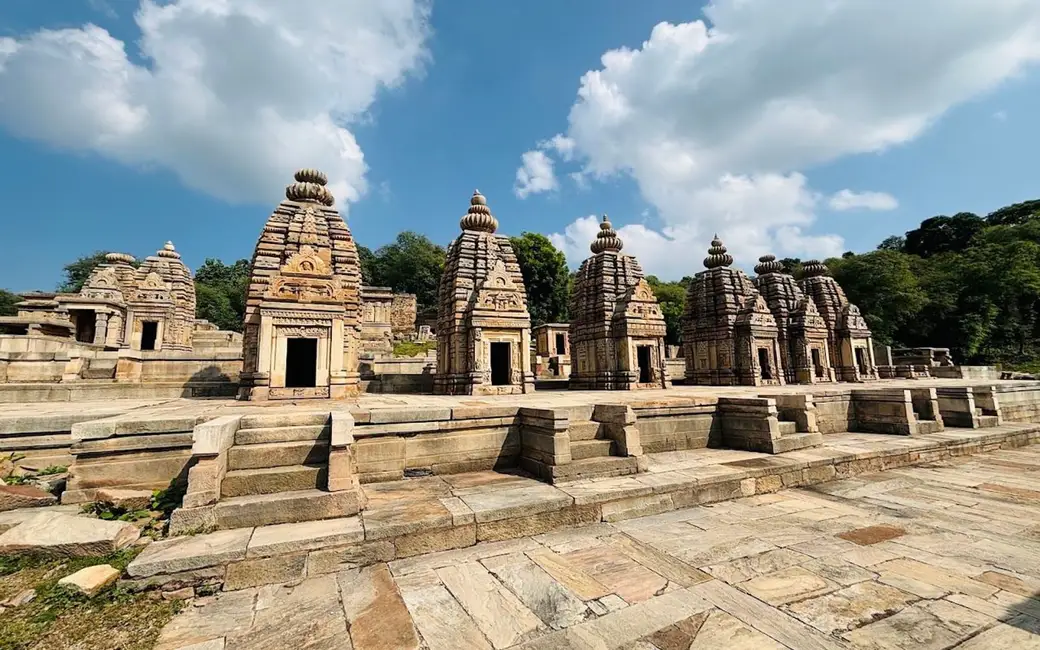
The Bateshwar Temple Group is an ancient cluster of approximately 200 temples dedicated to Lord Shiva, Vishnu, and Shakti, built during the 8th-10th centuries by the Gurjara-Pra…
Kakanmath temple, Sihoniya
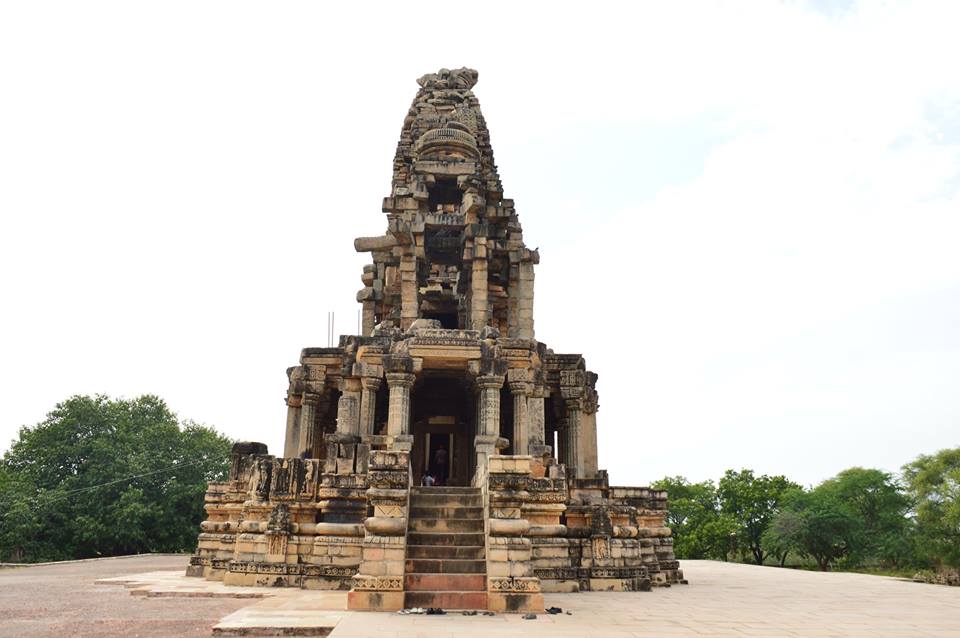
Kakanmath is an 11th-century ruined Shiva temple in Sihoniya, Madhya Pradesh, commissioned by Kachchhapaghata ruler Kirttiraja and now protected as a Monument of National Import…
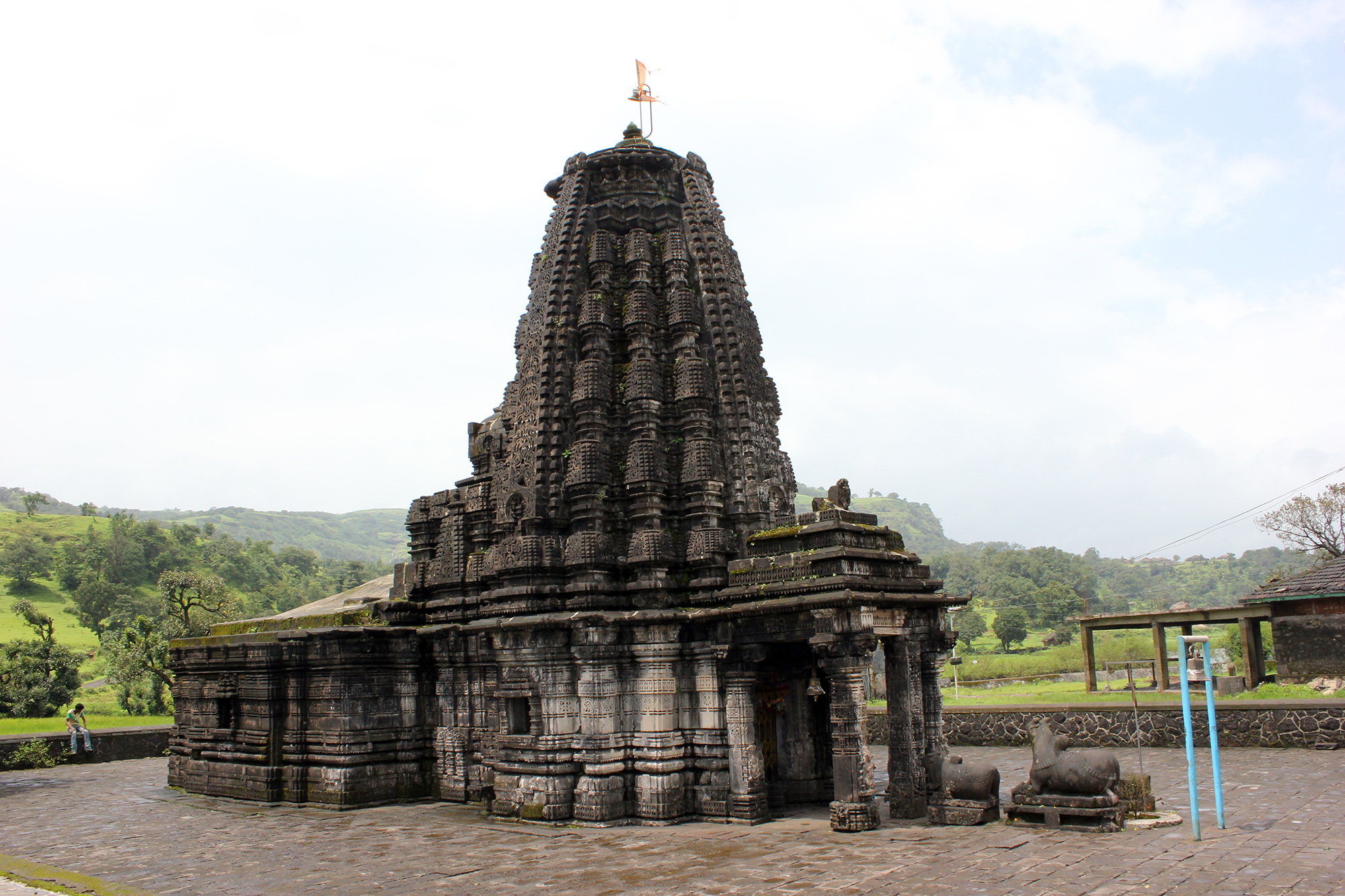
Chaturbhuj Temple
Chaturbhuj Temple in Orchha, Madhya Pradesh, is a 16th-century Hindu shrine dedicated to Rama, an avatar of Vishnu, featuring a distinctive blend of temple, fort, and palatial a…
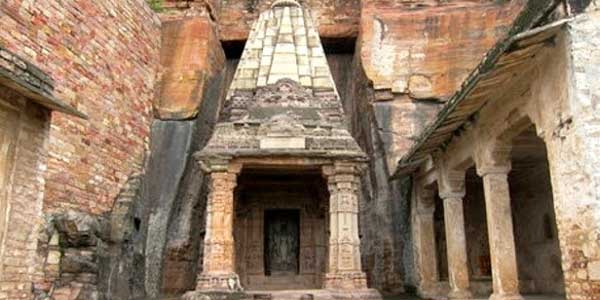
Chaturbhuj Temple, Gwalior
Chaturbhuj Temple, also known as the Temple of Zero, is a ninth-century rock-cut shrine within Gwalior Fort dedicated to Vishnu in his four-armed form. It houses the world's old…
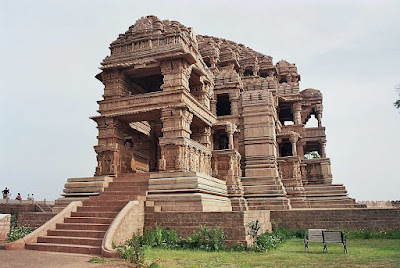
Sasbahu Temple, Gwalior
Twin 11th-century temples within Gwalior Fort dedicated to Aniruddha (Vishnu avatar) and Shiva, built between 1090–1093 by King Mahipala of the Kachchhapaghata dynasty for his w…