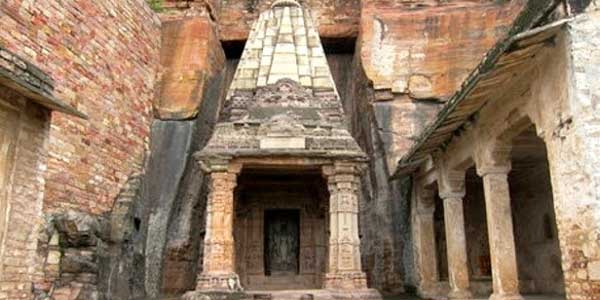

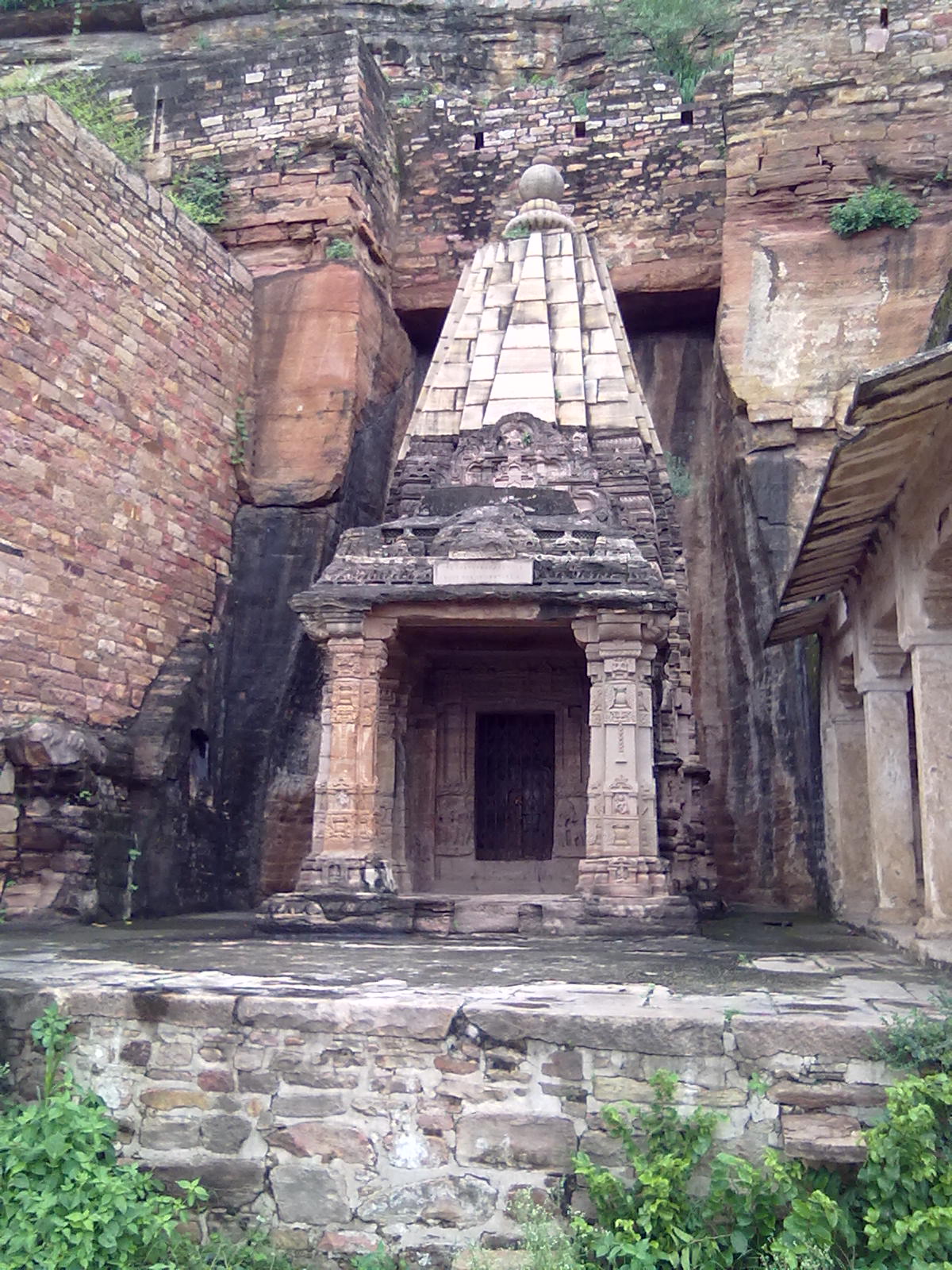
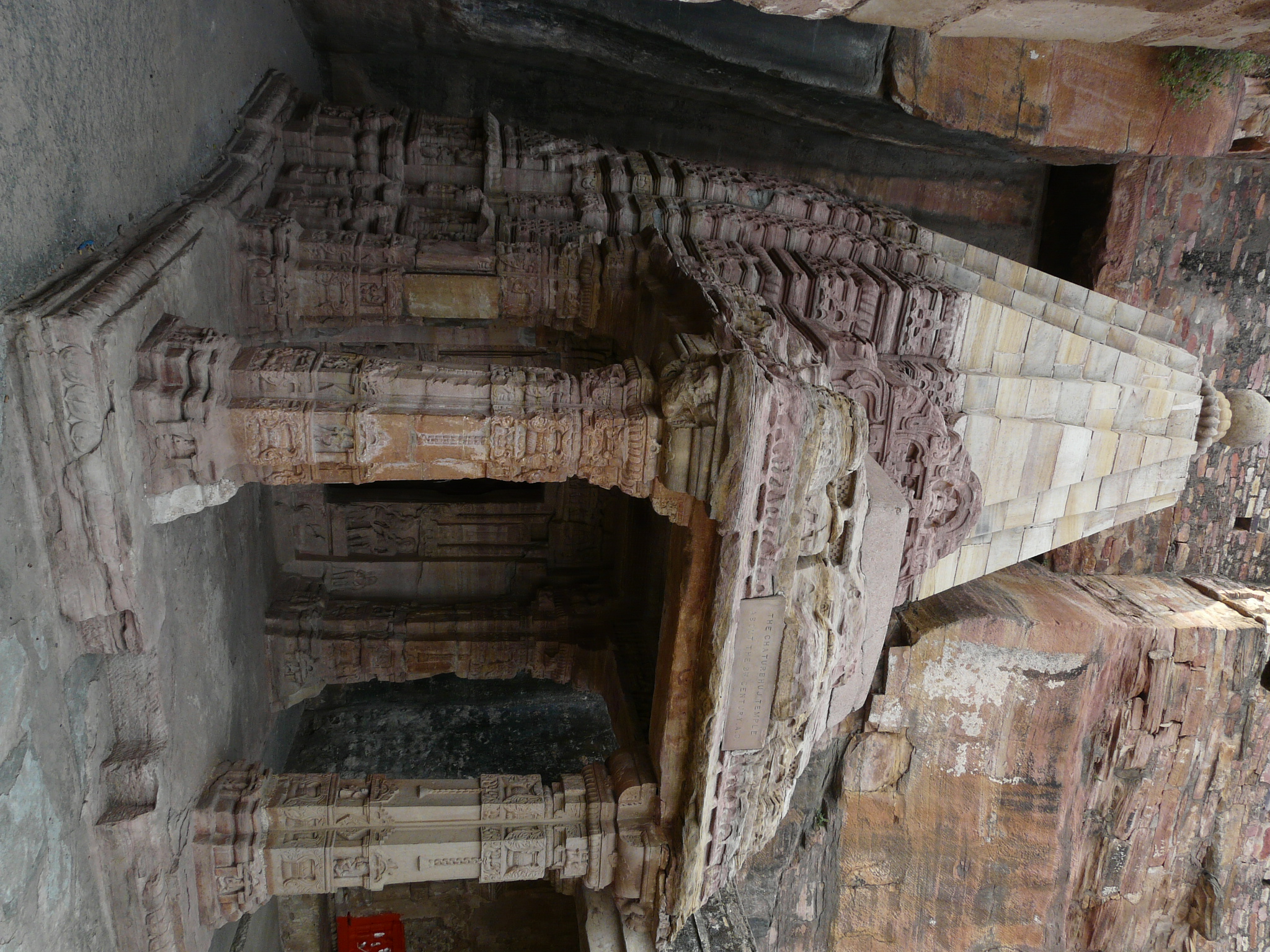
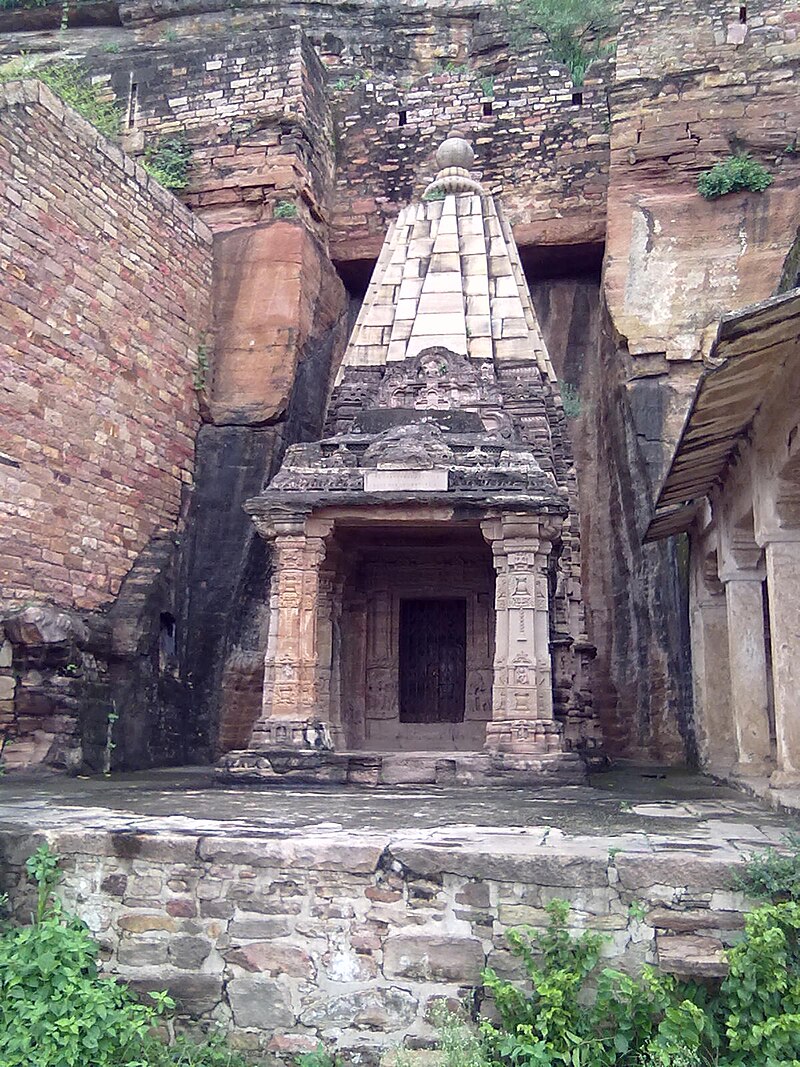
Chaturbhuj Temple, Gwalior
About Chaturbhuj Temple, Gwalior
The temple is also known as the Temple of Zero, a name that reflects its historical importance beyond conventional religious function. This alternate designation suggests the temple's connection to mathematical and scholarly traditions of its era. While the specific primary deity worshipped at the sanctum is not documented in available sources, visitors should understand that the temple holds significance as both a place of worship and a site of historical interest related to the intellectual heritage of medieval India.
Layout and Architecture
As a rock-cut temple, Chaturbhuj Temple represents a distinctive architectural approach where the structure is carved from the existing stone of the fort rather than constructed from separate materials. This method of construction was common in Hindu temple design, particularly in regions where suitable rock formations were available. The temple's integration into the fort complex means that visiting it requires access to Gwalior Fort itself, and the temple should be understood as part of the broader historical landscape of the fort rather than as an isolated sanctuary.
Visiting Hours and Access
The temple is open daily for darshan from 06:00 to 17:30. It is located at Gwalior Fort, Gwalior, Madhya Pradesh 474001, at coordinates 26.23087537, 78.16993252. Since the temple sits within the fort complex, visitors planning to explore it should coordinate their visit with the fort's operating hours and any entry requirements that may apply to the fort itself. The best time to visit is during the fort's regular operating hours, and many visitors combine a temple visit with broader exploration of the fort's other historical structures and sites.
Temple Etiquette and Visitor Conduct
Visitors should observe standard Hindu temple practices: remove footwear before entering the sanctum area, maintain respectful silence within the temple, and follow any instructions provided by temple staff regarding darshan procedures. These conventions reflect the sacred nature of the space and ensure a respectful environment for all worshippers. Modest dress is appropriate when visiting any Hindu temple, and visitors should be prepared to follow the guidance of temple personnel regarding access to different areas of the temple.
Festivals and Observances
The temple observes several major festivals throughout the year. Makar Sankranti, celebrated on 14 January, marks a significant point in the Hindu calendar and is observed as a harvest festival with special observances. Sharad Navaratri, falling on 11 October, honours the Goddess over nine nights with enhanced decorations and increased devotional activity. Raksha Bandhan, celebrated on 28 August, commemorates the bond between siblings and is observed with temple observances. During festival periods, the temple typically features more elaborate decorations and attracts larger numbers of devotees. Visitors planning to attend during these festivals should confirm exact timings and any special arrangements in advance, as schedules may differ from regular darshan hours.
Planning Your Visit
Combine your temple visit with exploration of Gwalior Fort, which contains multiple historical and religious sites. The temple's location within the fort means that a single visit to the fort can encompass both the Chaturbhuj Temple and other monuments of interest. Allow time to appreciate both the religious significance of the temple and its historical context as a 9th-century structure within one of central India's important medieval fortifications.
How to reach
Temples near Chaturbhuj Temple, Gwalior
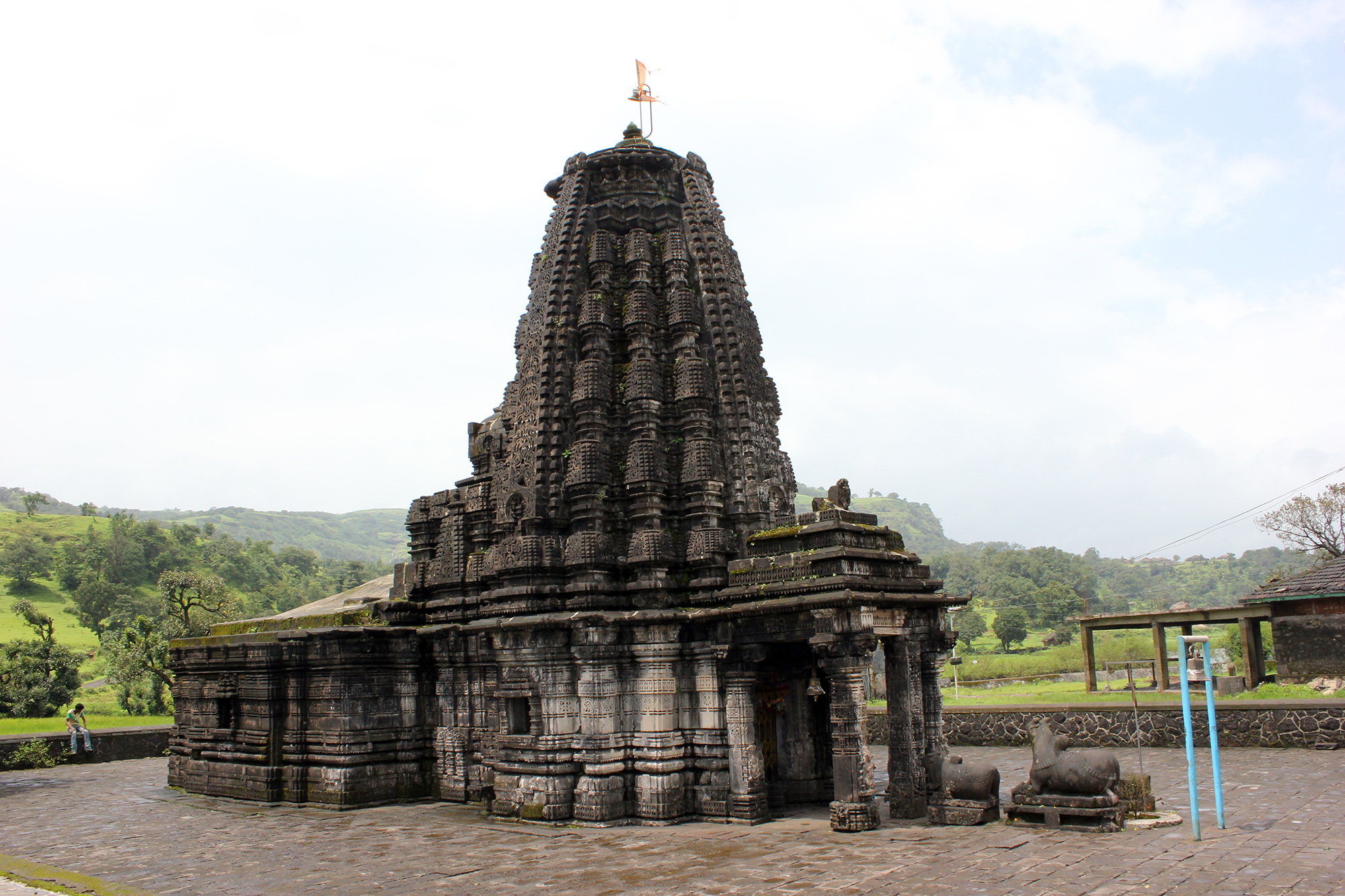
Chaturbhuj Temple
Chaturbhuj Temple in Orchha, Madhya Pradesh, is a 16th-century Hindu shrine dedicated to Rama, an avatar of Vishnu, featuring a distinctive blend of temple, fort, and palatial a…
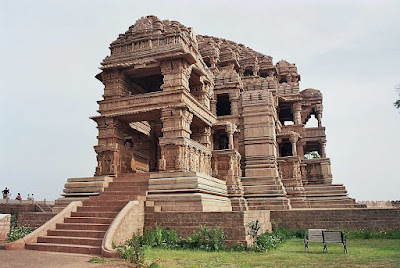
Sasbahu Temple, Gwalior
Twin 11th-century temples within Gwalior Fort dedicated to Aniruddha (Vishnu avatar) and Shiva, built between 1090–1093 by King Mahipala of the Kachchhapaghata dynasty for his w…

Teli ka Temple
Teli ka Temple, nestled within Gwalior Fort in Madhya Pradesh, is an ancient shrine dedicated to Shiva, Vishnu, and the Matrikas, dating to the early 8th–9th century CE and reco…
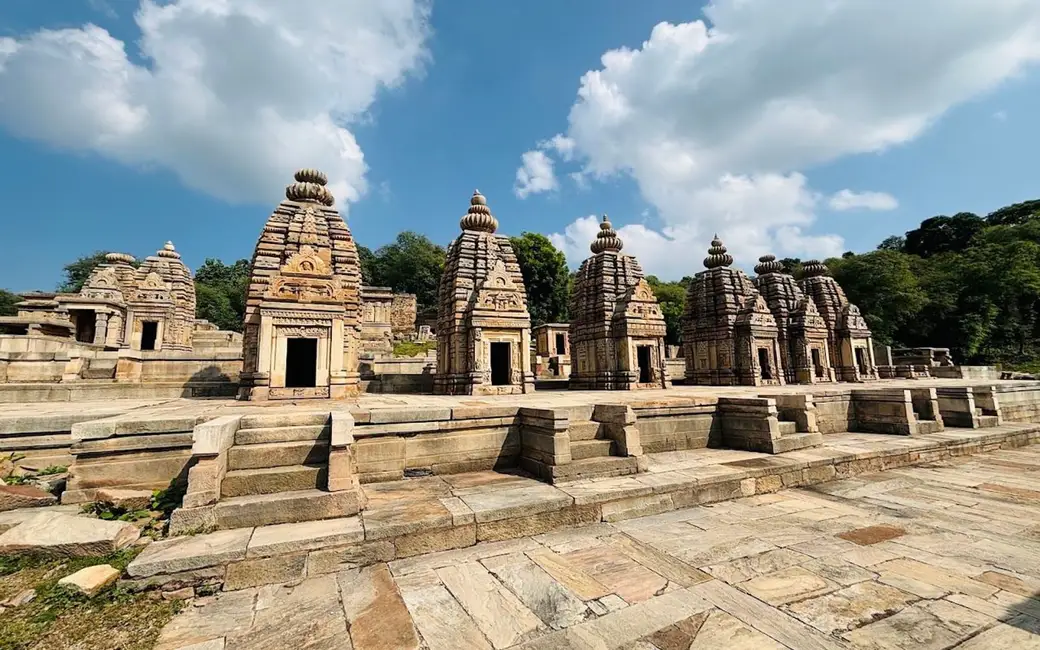
Bateshwar Hindu temples, Madhya Pradesh
The Bateshwar Temple Group is an ancient cluster of approximately 200 temples dedicated to Lord Shiva, Vishnu, and Shakti, built during the 8th-10th centuries by the Gurjara-Pra…

Garhi Padavali Temple
Garhi Padavali is a 10th-century Shiva temple later fortified in the 18th century, featuring ornate carvings reminiscent of Khajuraho within a medieval fortress structure in Mor…
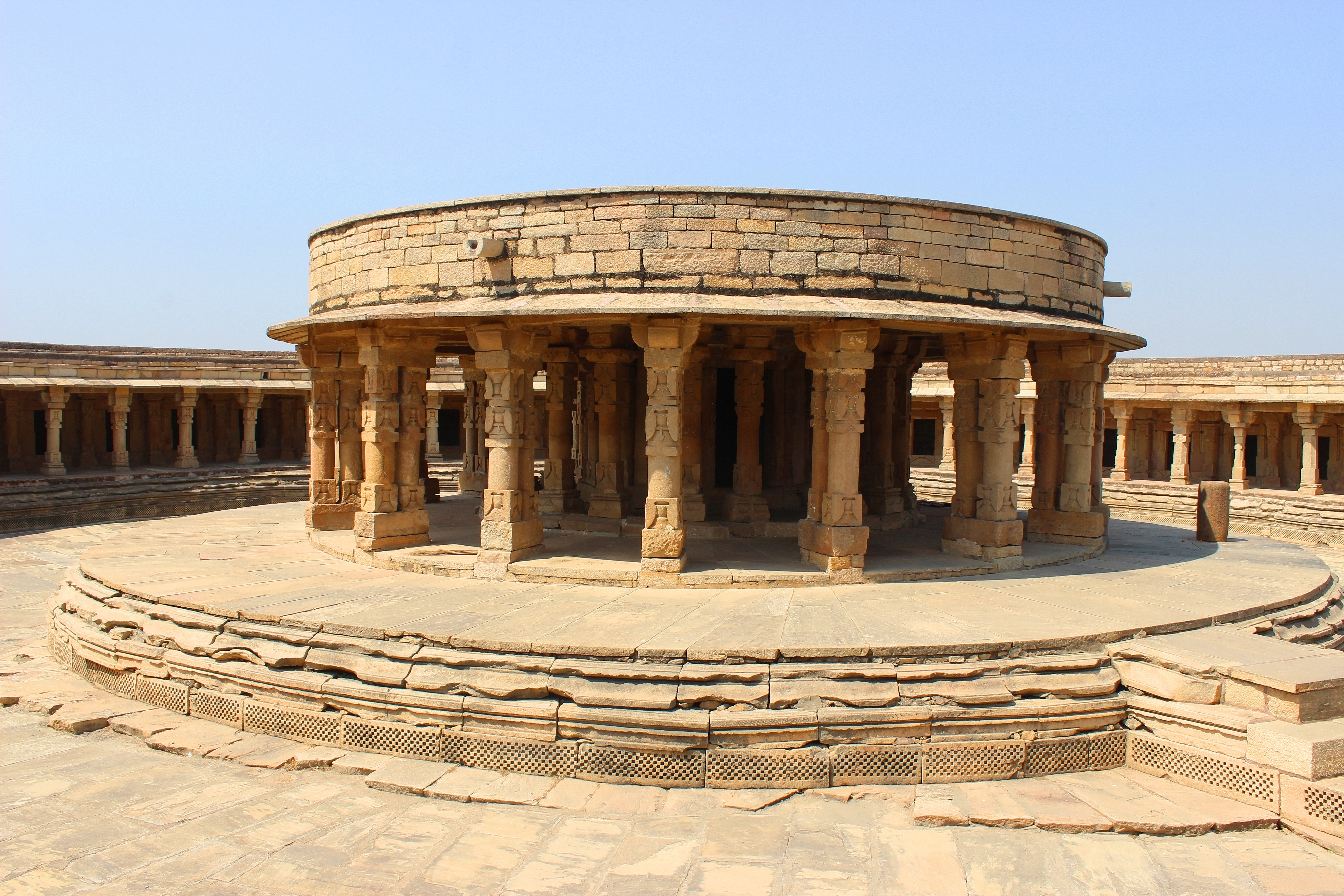
Chausath Yogini Temple, Mitaoli
An 11th-century circular Yogini temple in Morena district, Madhya Pradesh, featuring 65 chambers dedicated to 64 yoginis and the goddess Devi, built during the Kachchhapaghata r…