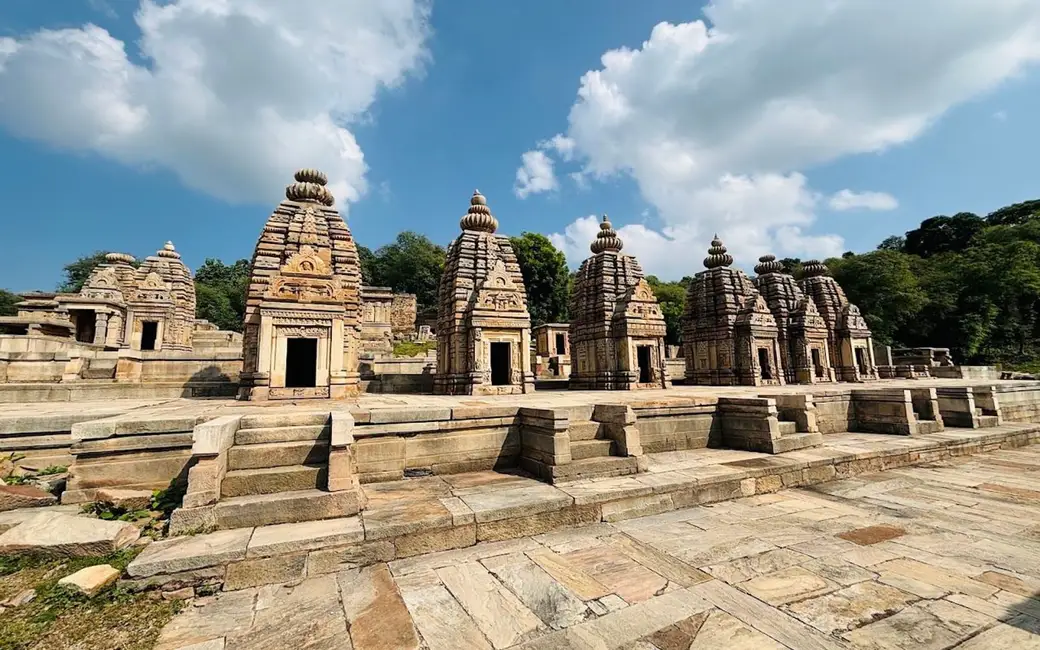
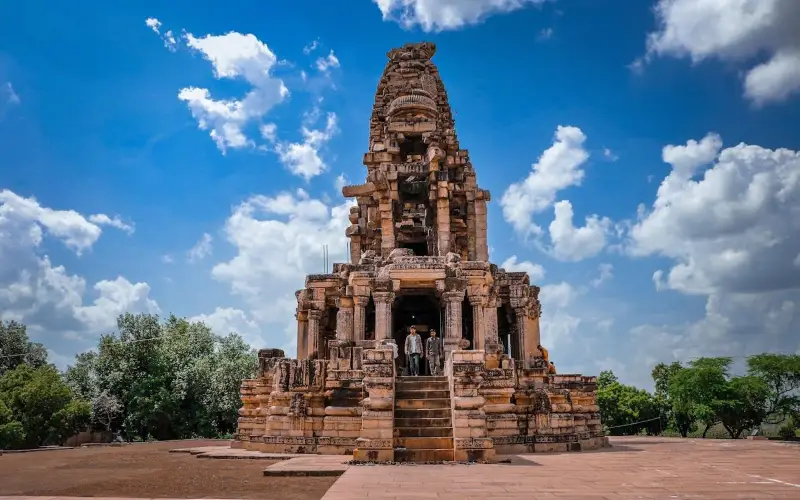
Bateshwar Hindu temples, Madhya Pradesh
About Bateshwar Hindu temples, Madhya Pradesh
The temples follow the Nagara architectural tradition characteristic of North Indian temple design. This style is evident in the structural approach to the shrines, though the sources do not detail specific architectural features such as tower heights, sculptural programs, or decorative elements. Visitors interested in temple architecture will find the Nagara style worth observing, as it represents a significant phase in medieval Indian religious building.
The temples' survival across more than a millennium, combined with their ASI protection status, indicates their historical and cultural importance to the region.
Daily Darshan and Worship
The temple complex is open daily from 8:00 AM to 6:00 PM, providing a full day for visitors to explore and offer prayers. Entry for darshan is free. Rituals conducted at the site use Sanskrit and Hindi.
Visitors should be aware that no official prasadam (blessed food offering) or annadanam (community meal) is provided at the complex. There are no food vendors or bhandara facilities within the temple grounds, so visitors wishing to make offerings or share food should bring their own provisions. This is useful to know when planning the length of your visit.
Festivals and Sacred Seasons
The temple observes major festivals in the Hindu calendar. Maha Shivaratri, celebrated in February or March, is a significant observance at this Shiva-dedicated site. Shravan Somwar, the sacred Mondays of the monsoon month of Shravan (July-August), also draws devotees. These festivals align with widespread Hindu observance and are times when the temple likely sees increased worship and pilgrimage.
Best Times to Visit
The winter months from November to February offer the most comfortable conditions for visiting. The Chambal valley can be extremely hot during summer, making the cooler season preferable for exploration of the open temple complex. Early mornings between 5:00 and 8:00 AM are particularly recommended, offering both cooler temperatures and the spiritual atmosphere of dawn worship. Festival seasons, when the temple is actively celebrating, also provide meaningful times to visit.
Practical Information for Visitors
The temple complex is located at coordinates 26.42705556, 78.19683333 in the Chambal River valley. Visitors should dress modestly as at any Hindu temple—covered shoulders and knees are customary. The open-air nature of the complex means sun protection is advisable, particularly outside the winter months.
Since facilities within the complex are minimal, visitors should plan accordingly. Bring water, particularly if visiting during warmer months or spending extended time exploring the multiple shrines. The absence of food vendors means lunch should be arranged either before arrival or brought with you. The nearest town is Padavali village, though the sources do not specify what facilities may be available there.
Getting There
The temple is situated in Morena district, Madhya Pradesh. The sources do not provide specific directions or information about road access, rail connections, or distances from major towns. Visitors should consult local travel resources or contact the Morena district administration for current transportation details and route planning.
How to reach
Temples near Bateshwar Hindu temples, Madhya Pradesh

Garhi Padavali Temple
Garhi Padavali is a 10th-century Shiva temple later fortified in the 18th century, featuring ornate carvings reminiscent of Khajuraho within a medieval fortress structure in Mor…
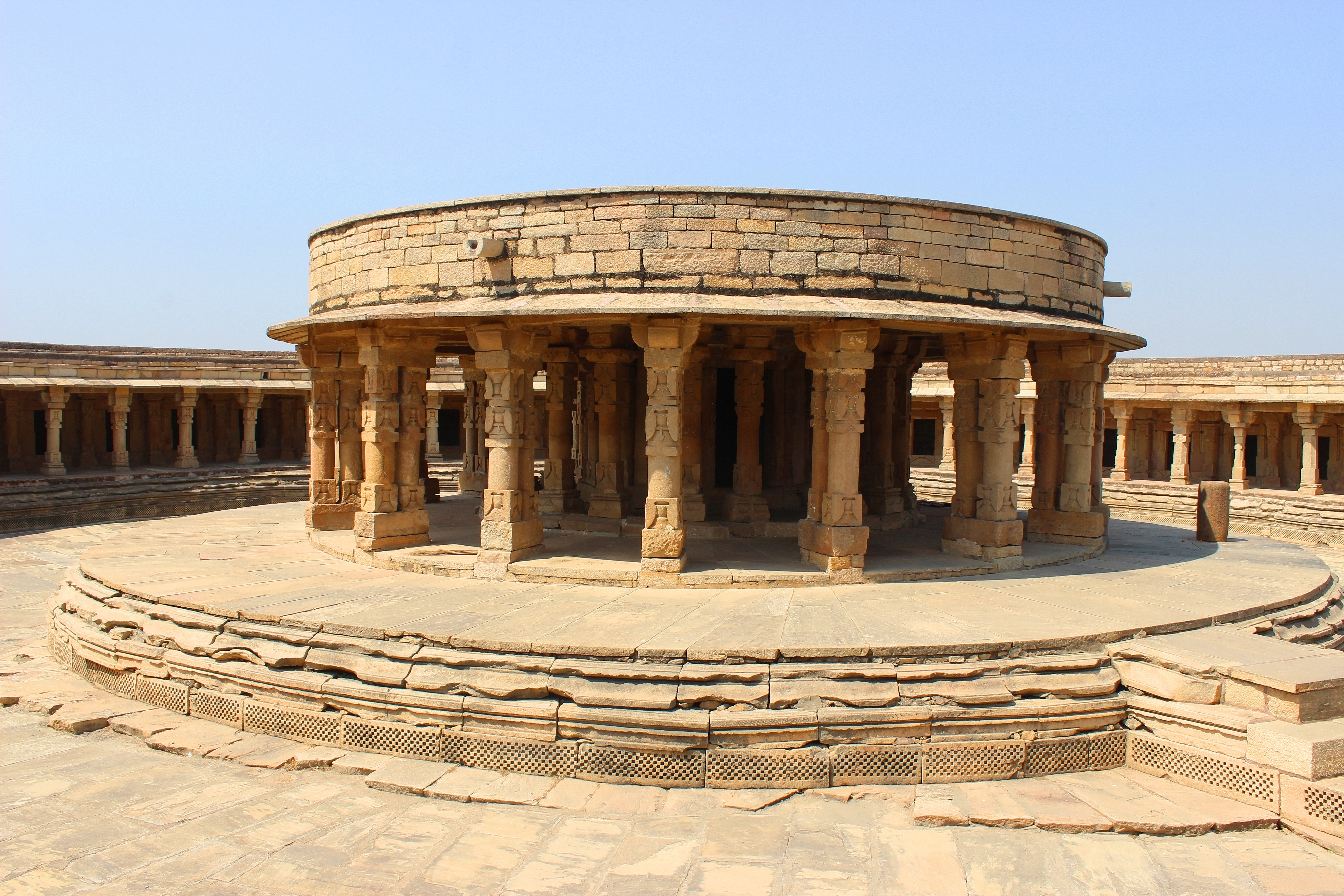
Chausath Yogini Temple, Mitaoli
An 11th-century circular Yogini temple in Morena district, Madhya Pradesh, featuring 65 chambers dedicated to 64 yoginis and the goddess Devi, built during the Kachchhapaghata r…
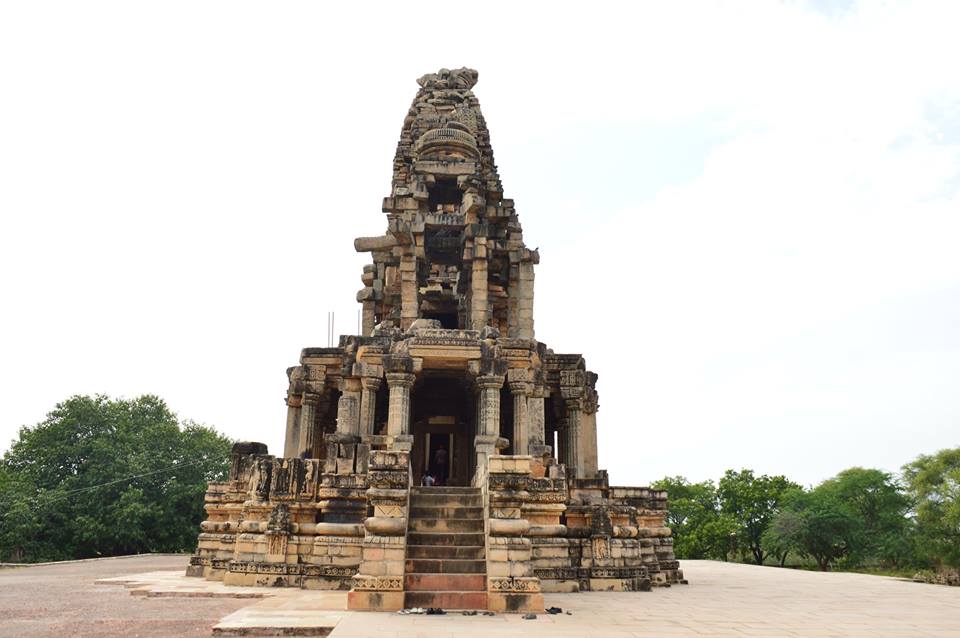
Kakanmath temple, Sihoniya
Kakanmath is an 11th-century ruined Shiva temple in Sihoniya, Madhya Pradesh, commissioned by Kachchhapaghata ruler Kirttiraja and now protected as a Monument of National Import…
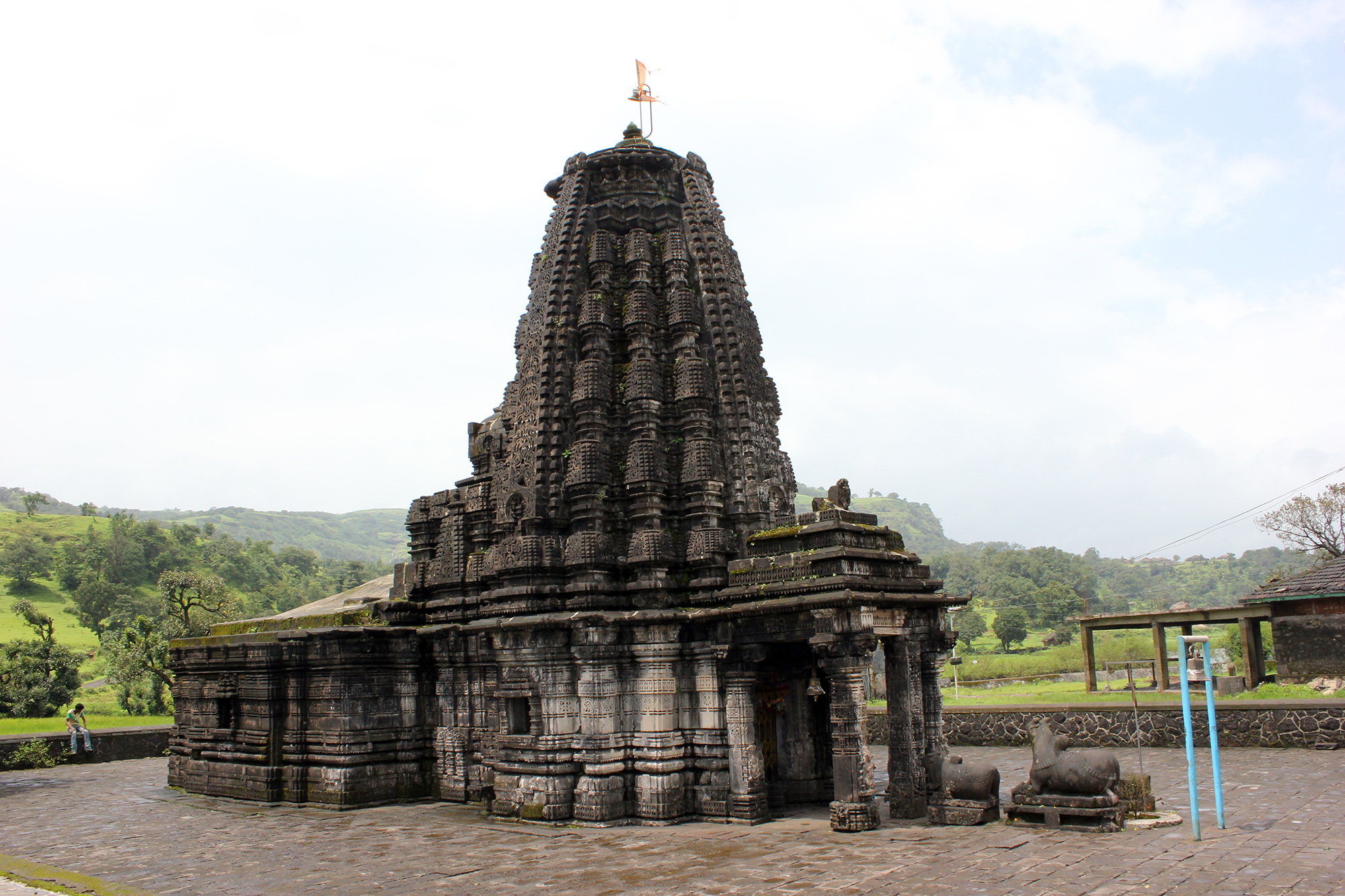
Chaturbhuj Temple
Chaturbhuj Temple in Orchha, Madhya Pradesh, is a 16th-century Hindu shrine dedicated to Rama, an avatar of Vishnu, featuring a distinctive blend of temple, fort, and palatial a…
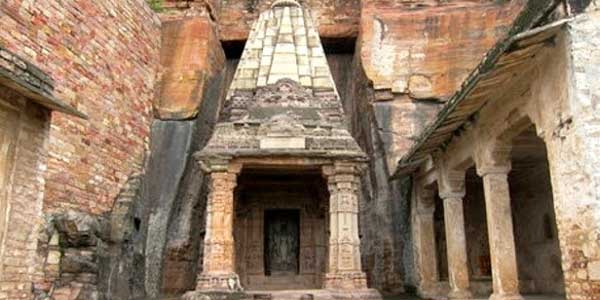
Chaturbhuj Temple, Gwalior
Chaturbhuj Temple, also known as the Temple of Zero, is a ninth-century rock-cut shrine within Gwalior Fort dedicated to Vishnu in his four-armed form. It houses the world's old…
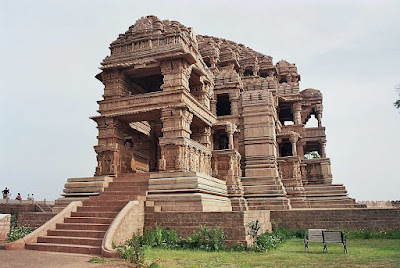
Sasbahu Temple, Gwalior
Twin 11th-century temples within Gwalior Fort dedicated to Aniruddha (Vishnu avatar) and Shiva, built between 1090–1093 by King Mahipala of the Kachchhapaghata dynasty for his w…