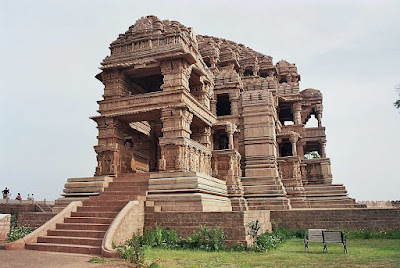
Sasbahu Temple, Gwalior
About Sasbahu Temple, Gwalior
The twin temples showcase the refined craftsmanship characteristic of 11th-century Kachchhapaghata architecture. Both structures feature intricate stone carvings and detailed sculptural work that narrate religious narratives and demonstrate the technical skill of their builders. The stonework reflects devotional traditions associated with both Vishnu and Shiva, indicating the syncretic religious landscape of the period.
The temples are dedicated to Aniruddha and Shiva, with the architectural vocabulary and decorative elements reflecting these traditions. The time-worn surfaces and weathered carvings visible today bear witness to the temples' age and the centuries they have endured within the Gwalior Fort complex.
Location Within Gwalior Fort
The Sasbahu temples are situated within the historic Gwalior Fort, one of India's most significant medieval fortifications. This location places the temples within a broader complex of historical structures and adds layers of historical resonance to a visit. The fort setting means that visiting the temples can be combined with exploration of other monuments and fortifications within the complex.
Visitors should note that access to the temples requires entry to the Gwalior Fort area. The coordinates for the temples are 26.22394444°N, 78.17025°E.
Darshan and Daily Timings
The temples are open for darshan from 06:00 to 19:00 daily. Early morning and late evening hours are recommended for visits, as these times offer more pleasant conditions and often provide better lighting for viewing the architectural details and carvings.
Timings may vary on festival days, so it is advisable to confirm with the temple authorities before travelling if your visit coincides with a significant religious observance.
Best Time to Visit
The winter months from October to February offer the most pleasant weather for visiting Gwalior and exploring the temples. During this period, temperatures are moderate and conditions are generally comfortable for walking through the fort complex and spending time examining the temple structures and their sculptural details.
Practical Information for Visitors
Visitors should wear modest clothing appropriate for a sacred space, covering shoulders and knees. The temples are located within a fort complex, so comfortable walking shoes are recommended as the terrain may be uneven. Bring water and sun protection, particularly if visiting during midday hours or in warmer months.
Photography policies should be confirmed at the site, as regulations may apply within the fort complex. The temples' age and historical significance mean that certain areas may be fragile; visitors should take care not to touch carved surfaces unnecessarily and follow any guidance provided by temple staff or fort authorities.
Getting There
The Sasbahu Temple is located at Sas Bahu Temple, Gwalior Fort, Gwalior, Madhya Pradesh, India. Gwalior is well-connected by rail and road to major cities in central India. Once in Gwalior, the fort complex is accessible by local transport. Visitors should allow time to navigate the fort to reach the temples, as the complex covers a substantial area. It is worth planning your visit to include other monuments within the fort if time permits, as the location offers multiple points of historical and architectural interest.
How to reach
Temples near Sasbahu Temple, Gwalior

Teli ka Temple
Teli ka Temple, nestled within Gwalior Fort in Madhya Pradesh, is an ancient shrine dedicated to Shiva, Vishnu, and the Matrikas, dating to the early 8th–9th century CE and reco…
Chaturbhuj Temple
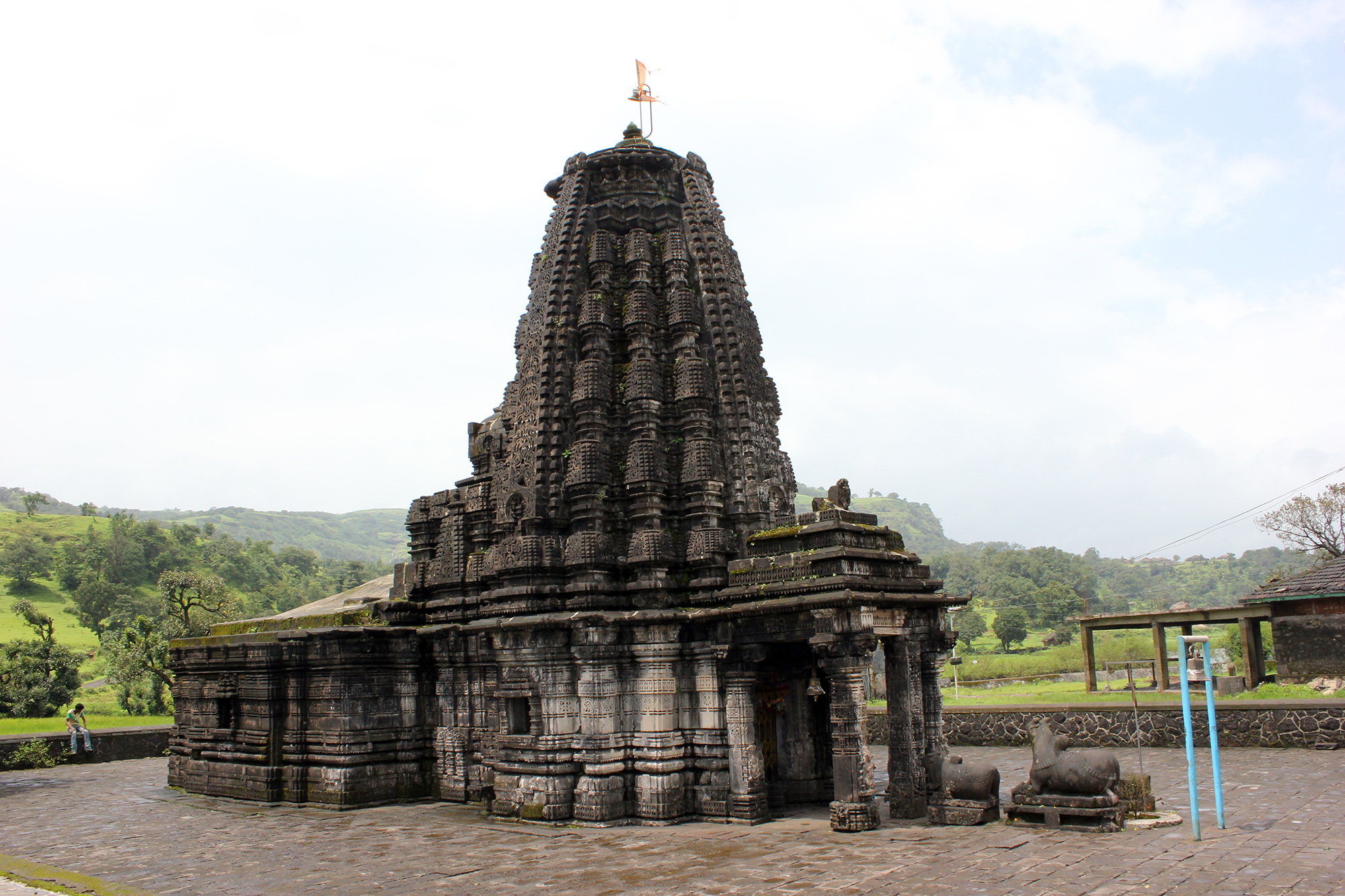
Chaturbhuj Temple in Orchha, Madhya Pradesh, is a 16th-century Hindu shrine dedicated to Rama, an avatar of Vishnu, featuring a distinctive blend of temple, fort, and palatial a…
Chaturbhuj Temple, Gwalior
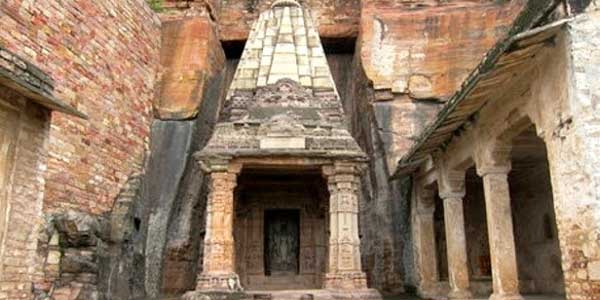
Chaturbhuj Temple, also known as the Temple of Zero, is a ninth-century rock-cut shrine within Gwalior Fort dedicated to Vishnu in his four-armed form. It houses the world's old…
Bateshwar Hindu temples, Madhya Pradesh
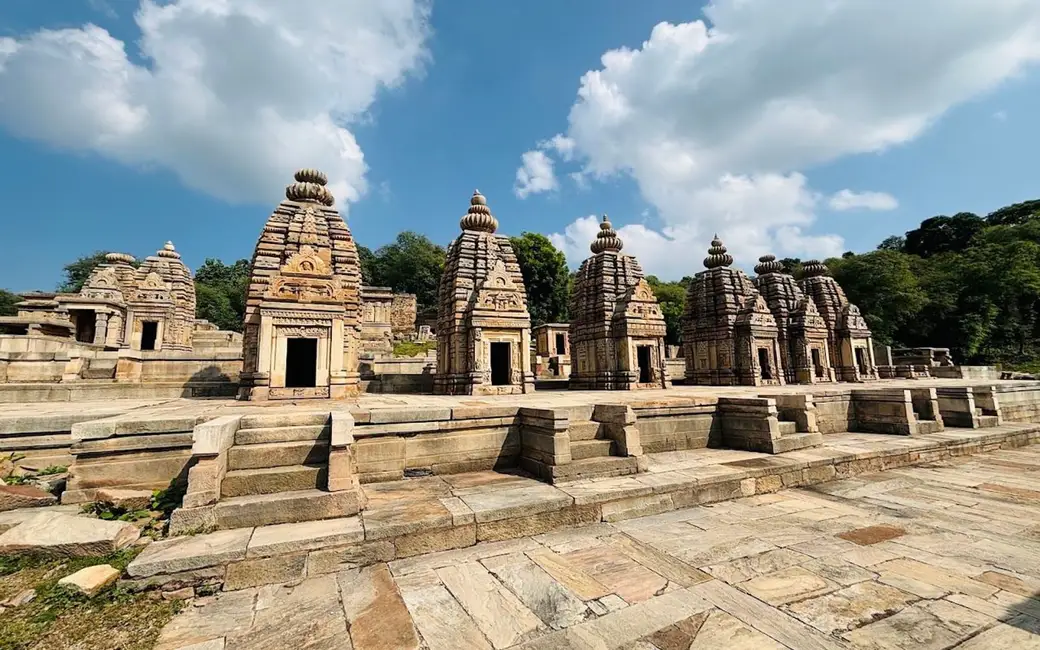
The Bateshwar Temple Group is an ancient cluster of approximately 200 temples dedicated to Lord Shiva, Vishnu, and Shakti, built during the 8th-10th centuries by the Gurjara-Pra…

Garhi Padavali Temple
Garhi Padavali is a 10th-century Shiva temple later fortified in the 18th century, featuring ornate carvings reminiscent of Khajuraho within a medieval fortress structure in Mor…
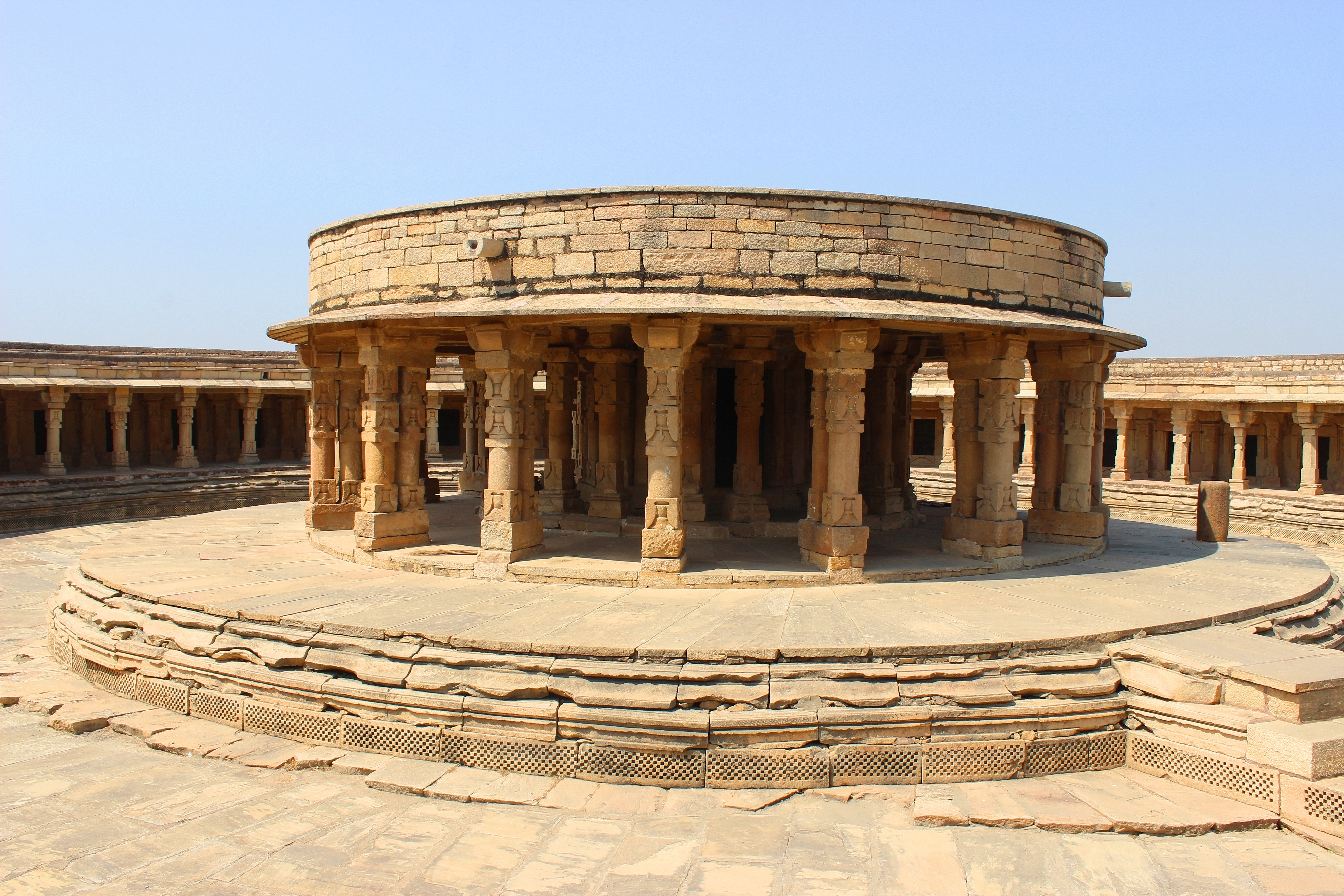
Chausath Yogini Temple, Mitaoli
An 11th-century circular Yogini temple in Morena district, Madhya Pradesh, featuring 65 chambers dedicated to 64 yoginis and the goddess Devi, built during the Kachchhapaghata r…