Suriya Mandir Martand Tirth
About Suriya Mandir Martand Tirth
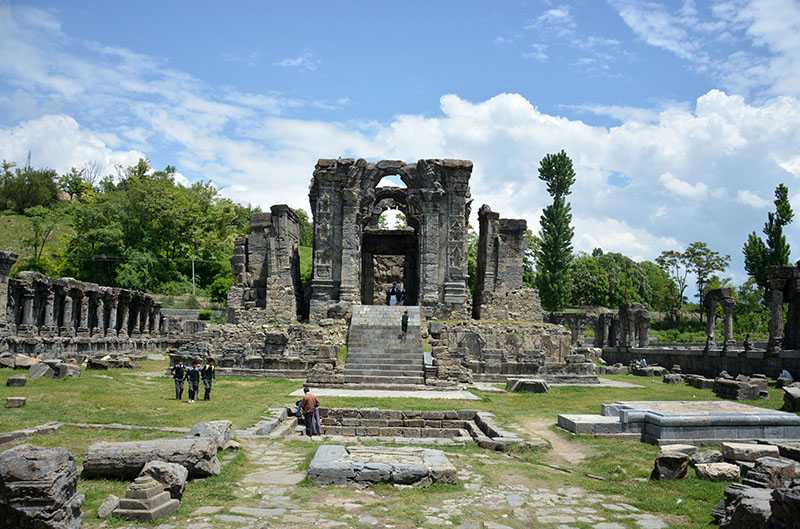
The temple complex dates to the 8th century, reflecting the architectural achievements of the Karkota Empire period. The surviving structures showcase a colonnaded courtyard design with intricate stone carvings that testify to Kashmir's historical craftsmanship. Despite centuries of invasions and upheaval across the region, portions of the original construction remain visible. The site encompasses multiple shrines within its complex, including dedicated spaces for various deities, though the primary focus remains on Lord Martanda. The dramatic setting against the Pir Panjal mountain range forms part of the temple's physical and spiritual character.
The Temple Complex and Its Shrines
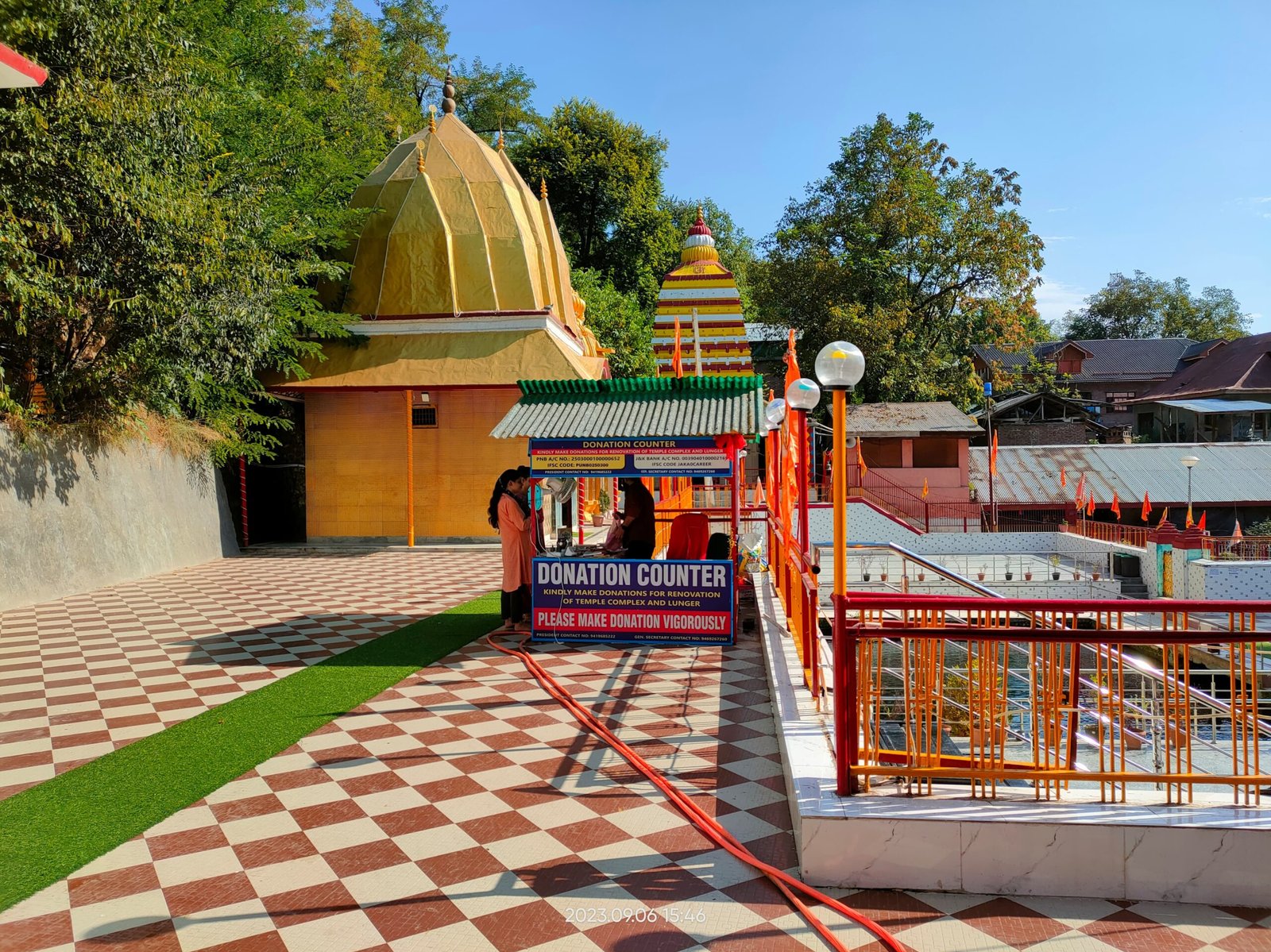
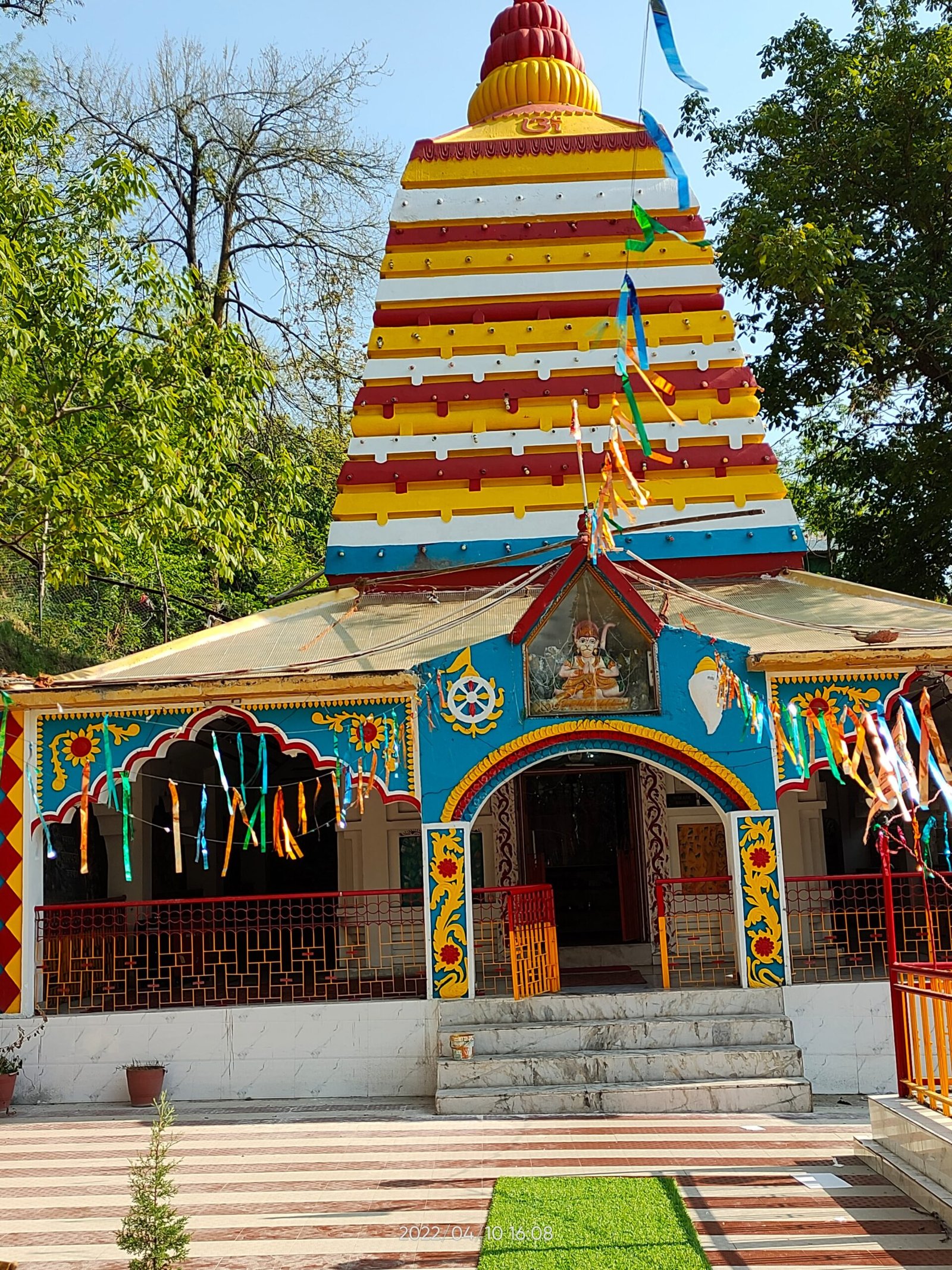
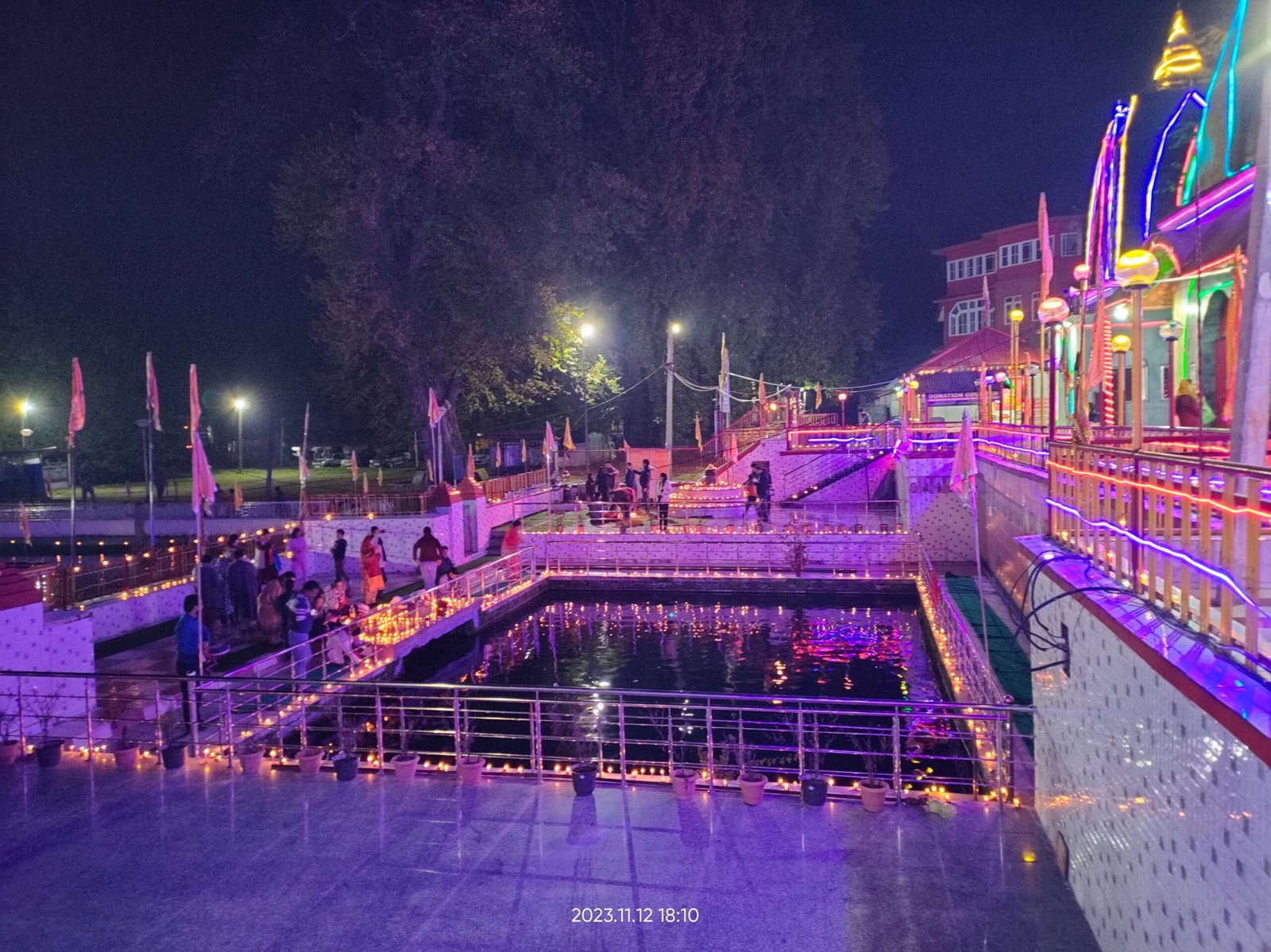
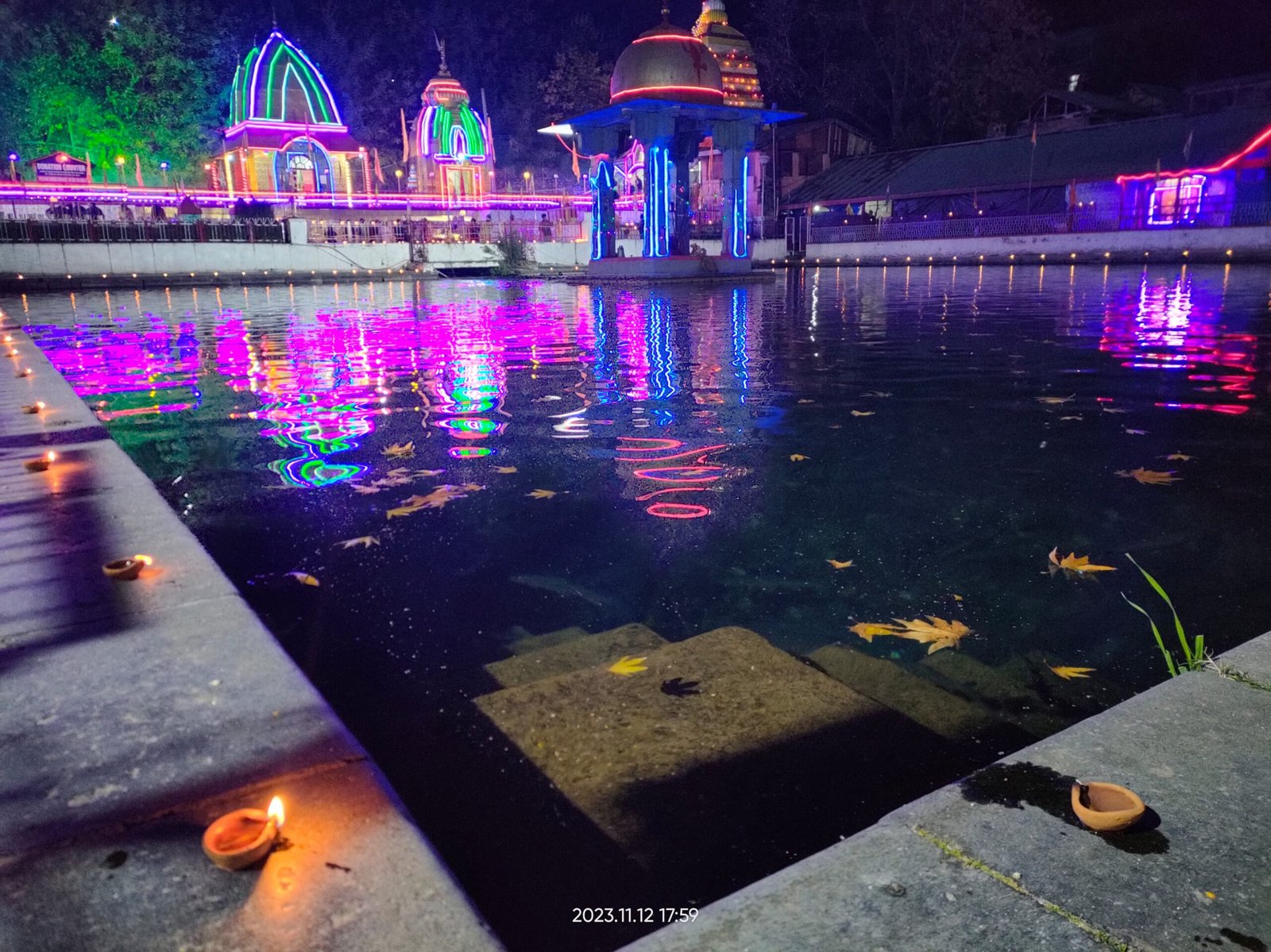
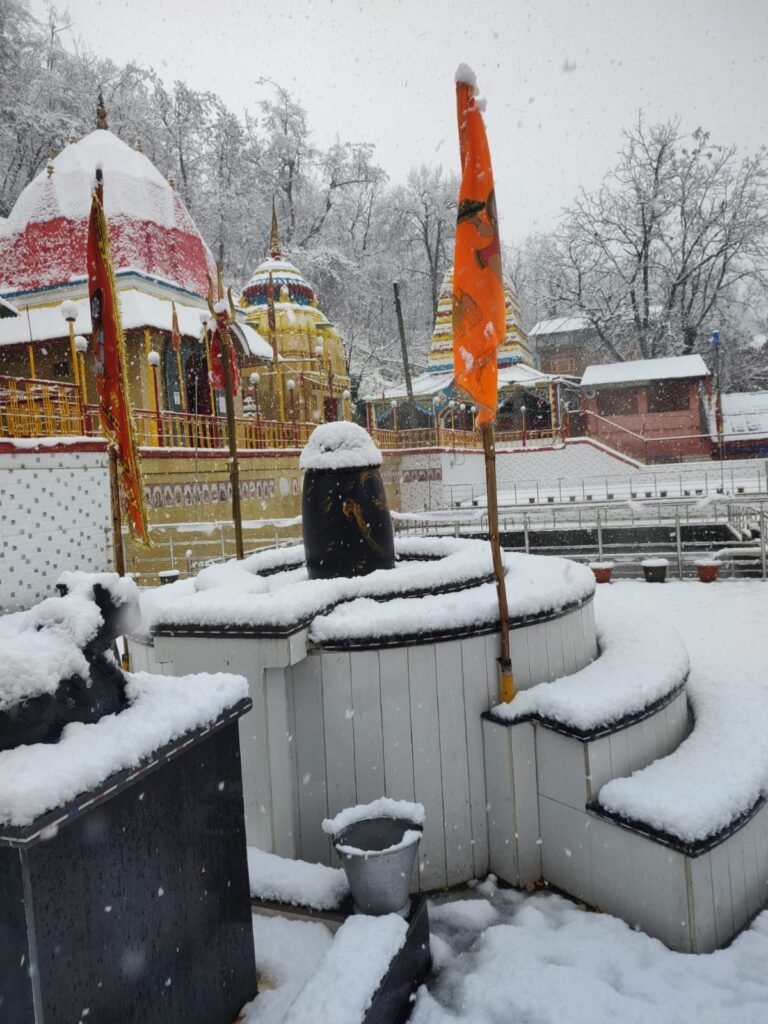
The Martand Tirth complex comprises several structures arranged within a unified sanctuary space. Beyond the main Martand Mandir, the site includes a Ram Darbar shrine, a Shiv Mandir, a Maa Gauri Mandir, and a Ganesh Mandir. The complex also features multiple sacred kunds (water reservoirs)—Vimal Kund, Kamal Kund, and Gauri Kund—which serve as focal points for ritual bathing and worship. These water sources are integral to the spiritual practice at the site, with pilgrims traditionally performing ablutions and offerings at these locations. The arrangement reflects a common temple design principle where multiple deities are honoured within a single sacred precinct.
Visiting the Temple: Practical Information
The temple office operates from 10:00 AM to 4:00 PM. Visitors should contact the help desk at the numbers provided for current information about access and conditions. The site can be reached from Anantnag, which lies on the route toward Amarnath Cave and Pahalgam, making it accessible for those undertaking larger pilgrimage circuits in Kashmir. Standard temple etiquette applies: remove footwear before entering shrine areas, maintain respectful behaviour within the complex, and follow any instructions from temple staff. Modest dress is appropriate when visiting Hindu temples. The best time to visit aligns with Shukla Paksha (the waxing moon phase), when pilgrims traditionally gather for rituals.
Seasonal Observances
The temple recognises Banmas (also called Parshotam or Adhik Mass), an additional lunar month that occurs periodically in the Hindu calendar. During this period, which extends over approximately one month, special observances and increased pilgrimage activity typically occur at the site. Visitors planning trips should inquire about any special rituals or gatherings scheduled during their intended visit, as these may affect access or create opportunities for participation in communal worship.
Accommodation and Access
The temple complex maintains accommodation facilities for pilgrims, though visitors should contact the help desk in advance to arrange lodging. The site is situated within the Kashmir Valley, offering views of the surrounding landscape. For those combining this visit with journeys to Amarnath or other regional shrines, Martand Tirth's location provides a natural stopping point. The nearest city, Anantnag, lies 6 kilometres away and may offer additional lodging options. Visitors should plan their journey with attention to seasonal conditions in Kashmir, as weather can affect accessibility.
Contact and Support
The Shri Martand Tirath Sabha maintains administrative offices both at the temple complex in Mattan and at a head office in Jammu. The help desk operates from 10:00 AM to 5:00 PM and can provide guidance on visiting arrangements, current conditions, and ritual practices. Visitors with specific questions about worship protocols, accommodation, or site access should reach out through the contact numbers provided before arrival.
How to reach
Temples near Suriya Mandir Martand Tirth
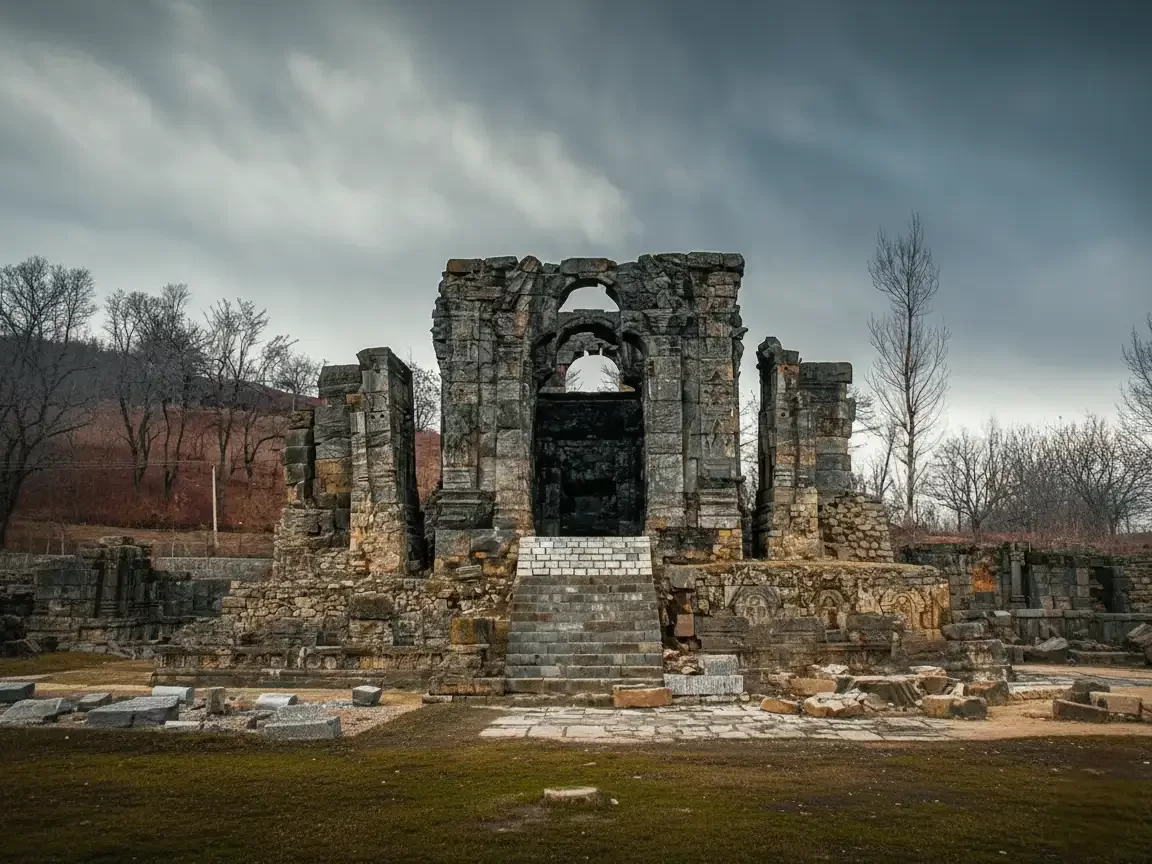
Martand Sun Temple
The Martand Sun Temple is an eighth-century Hindu shrine dedicated to Surya, the solar deity, located on a Kashmir plateau near Mattan in Anantnag district. Though partially rui…
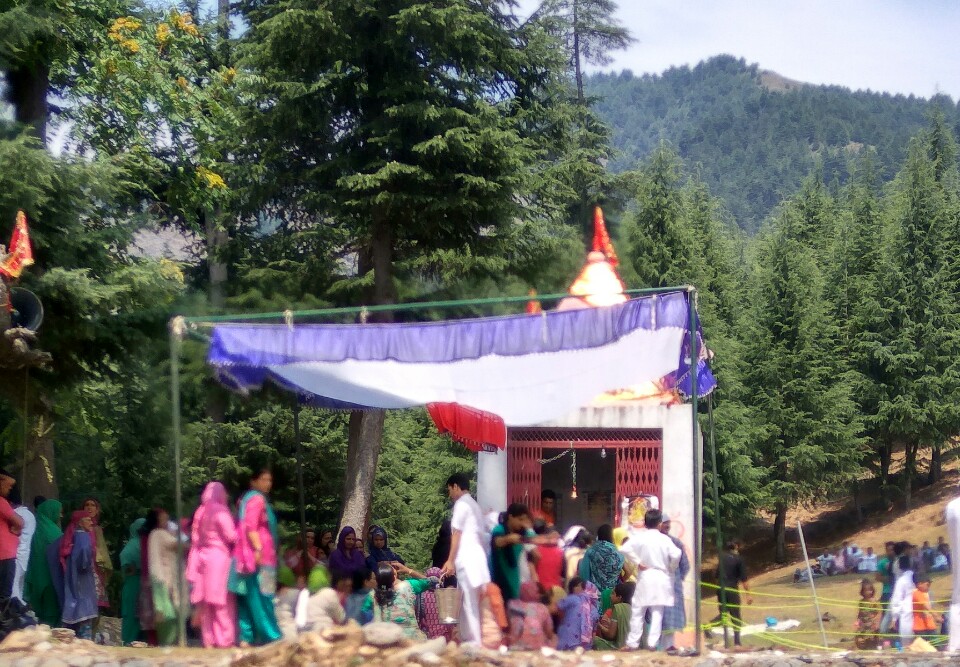
Shiva Bhagwati Temple Akingam
Shiva Bhagwati Temple Akingam is a revered Hindu shrine dedicated to Jagad Amba Shri Shiva Bhagwati, situated in the Kashmir valley near Devdar forests. The temple holds unique…
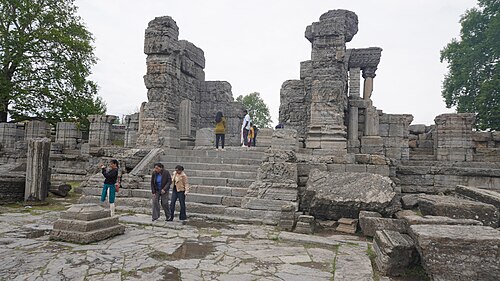
Avantiswami Temple
The Avantiswami Temple is a ruined 9th-century Hindu temple complex on the Jhelum River banks near Pulwama, Kashmir, originally comprising two shrines dedicated to Shiva and Vis…
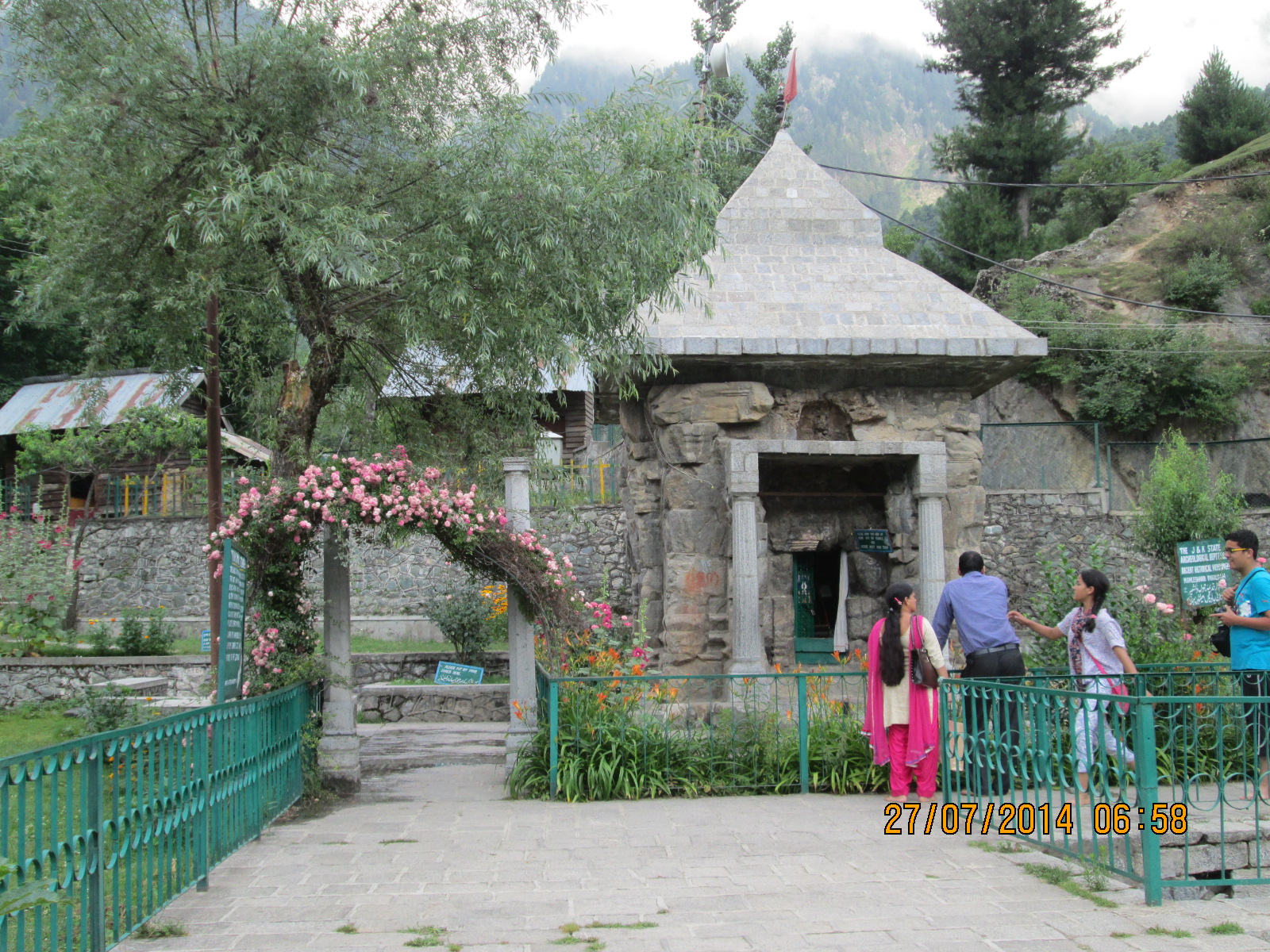
Mamal Temple
Mamal Temple, also known as Mamaleshwar Temple, is a Hindu shrine dedicated to Shiva located in Pahalgam, Kashmir Valley, perched at 2,200 metres on the banks of the Lidder Rive…

Ancient Temple, Ladhoo
Ancient Temple, Ladhoo is a spring-fed shrine in Pulwama district, Kashmir Valley, believed to date to the 8th century CE. The primary deity remains undocumented in available so…
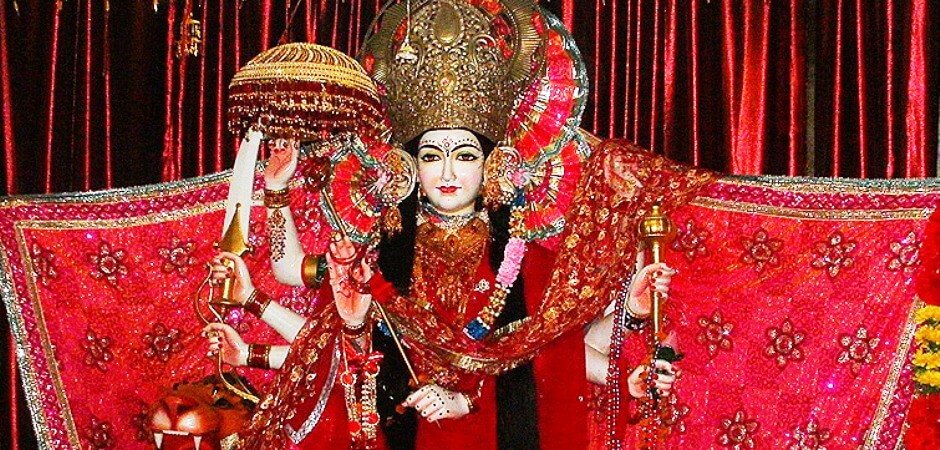
Jwala Ji Temple (Kashmir)
Jwala Ji Temple in Khrew, Pulwama, is a hilltop Hindu shrine dedicated to Goddess Jwala Ji, featuring a sacred spring and drawing pilgrims especially during the annual Jwalamukh…