Martand Sun Temple
About Martand Sun Temple
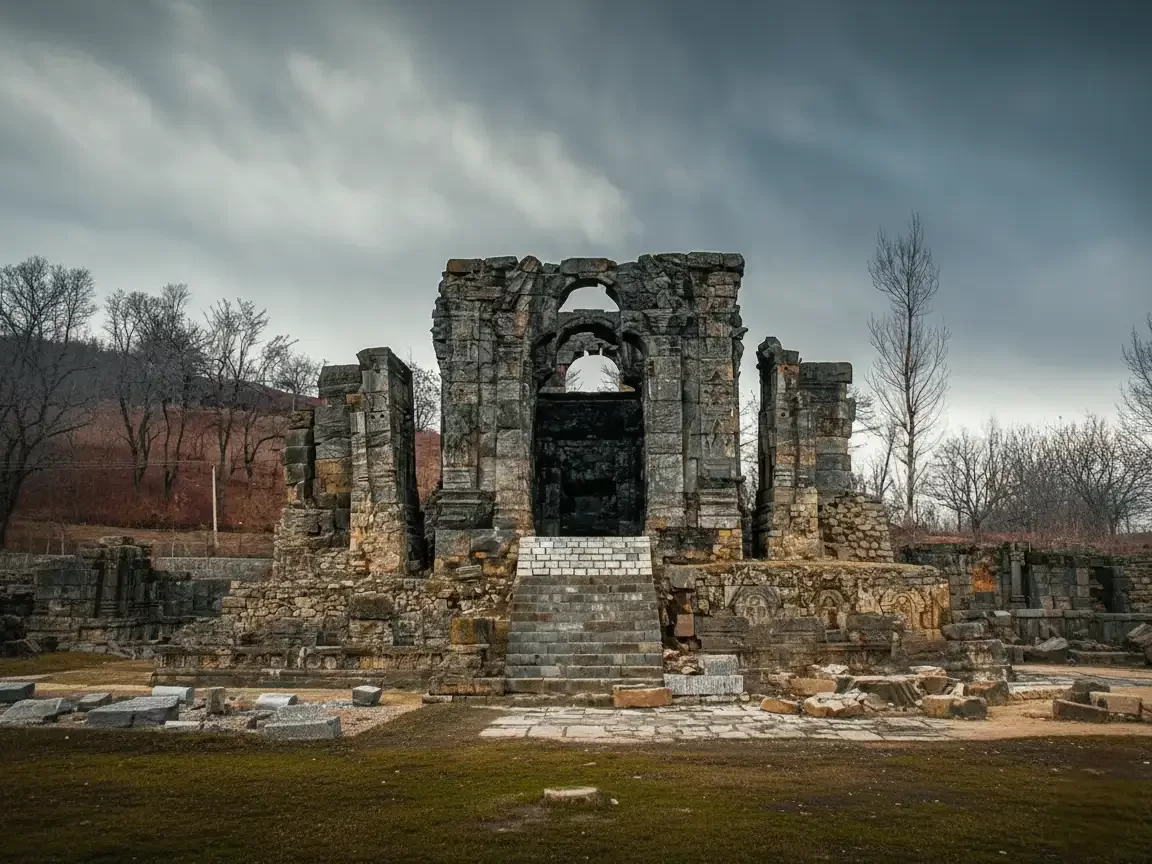
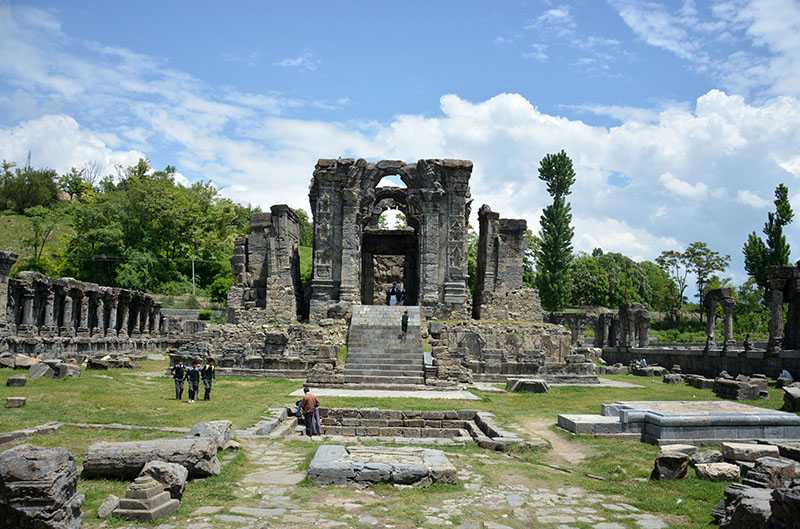
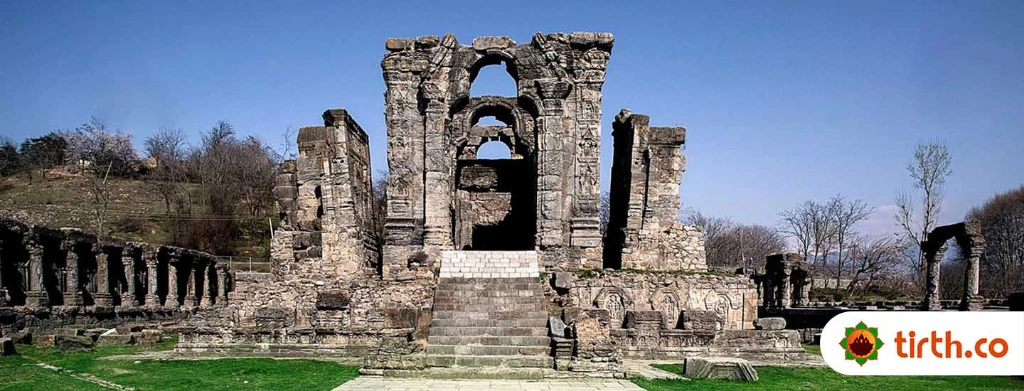
The temple dates to the eighth century CE and occupies a plateau in Mattan, Anantnag district. Its architectural remains stand as evidence of Kashmir's ancient Hindu cultural landscape. The temple was destroyed by Sikandar Shah Miri, an event that marks a turning point in its history. Today, the site functions as a protected monument under the Archaeological Survey of India (ASI), which means its preservation and use are governed by specific regulations. Visitors should be aware that religious ceremonies cannot be conducted without prior ASI permission, and the site has experienced controversies related to unauthorized prayer sessions and filming activities.
Visiting Hours and Darshan
The temple is open to visitors from 6:00 AM to 9:00 PM, though timings may vary seasonally with sunrise and sunset. Morning and evening aartis are performed daily. Darshan is generally available from 6:00 AM to 12:00 PM and again from 4:00 PM to 9:00 PM, though these times are subject to change with festivals and seasons. Visitors planning to attend specific rituals or requiring particular arrangements should confirm exact timings in advance, as schedules may shift throughout the year.
Best Time to Visit and Practical Considerations
October through March offers the most favorable conditions for a visit, when spring and autumn weather brings mild temperatures and clear skies. The temple sits atop a plateau, and reaching it requires walking a path that demands some physical effort. No specific facilities for visitors with disabilities are currently available. The journey itself is considered part of the pilgrimage experience, a time for reflection before encountering the sacred space. Visitors are advised to come either early in the morning or late in the afternoon to avoid the intense midday sun—a practical consideration given the temple's open, exposed location and its dedication to the sun god.
Etiquette and ASI Guidelines
As a protected archaeological monument, the Martand Sun Temple requires visitors to approach with particular respect and adherence to official guidelines. The ASI's regulations exist to preserve the site's integrity and prevent damage to this heritage structure. Visitors should refrain from unauthorized religious activities, photography for commercial purposes, or filming without permission. The temple's status as both a sacred site and an archaeological treasure means that reverence for its history must accompany any spiritual practice. Those wishing to perform pujas or conduct ceremonies should contact the ASI or local temple authorities in advance to obtain necessary permissions.
Reaching the Temple
The temple is located in Mattan, Anantnag district, in the Kashmir Valley of Jammu and Kashmir. The coordinates are 33.74555556, 75.22027778. Visitors can navigate to this location using standard mapping services. The site is accessible by road, though the final approach involves a walk to the plateau where the temple stands. Those unfamiliar with the area or seeking assistance with arrangements, transport, or darshan coordination can contact local temple coordinators or spiritual travel services that work with the temple's official channels.
How to reach
Temples near Martand Sun Temple
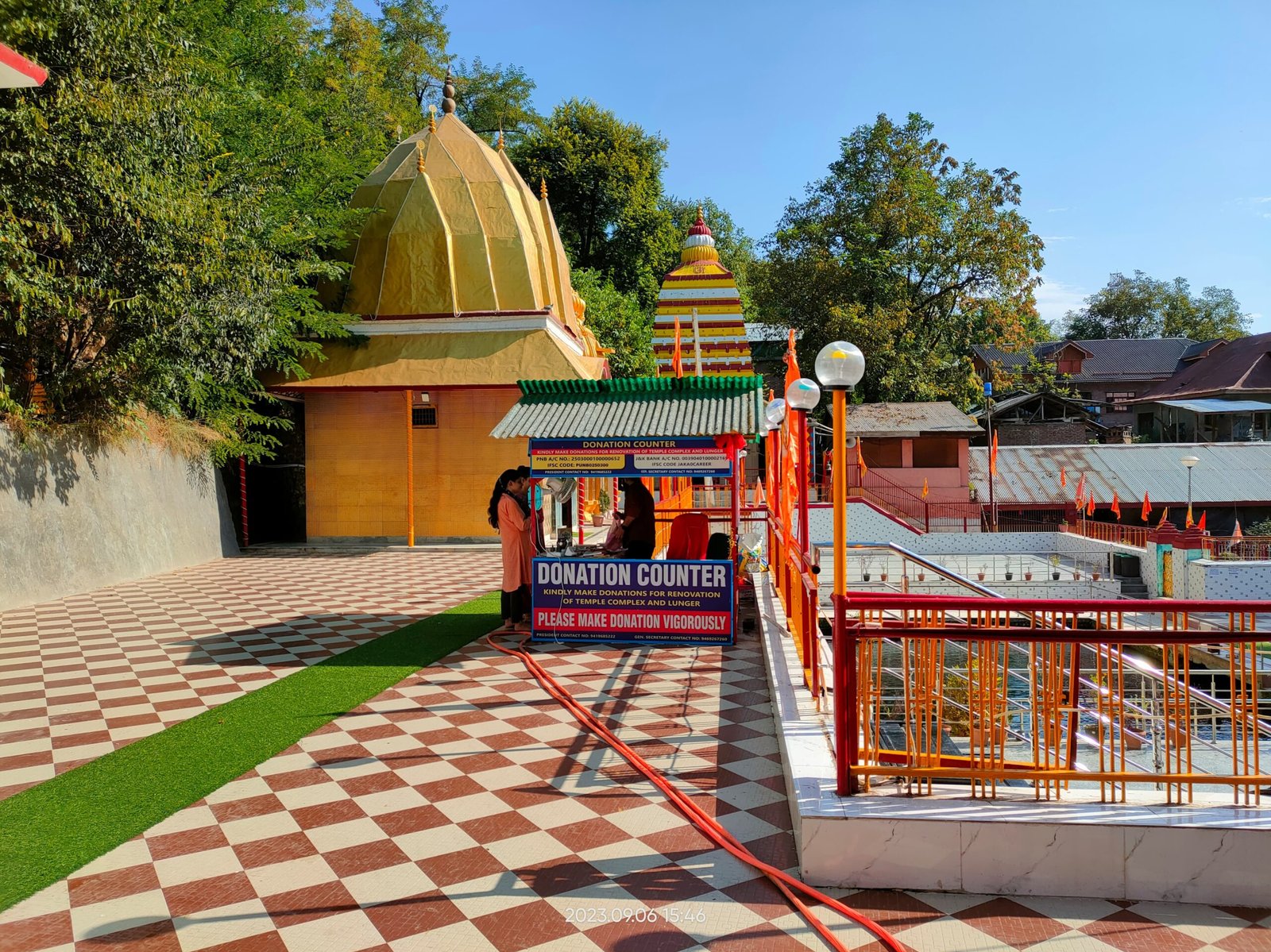
Suriya Mandir Martand Tirth
Martand Tirth is an ancient pilgrimage site in South Kashmir dedicated to Lord Martanda, featuring an 8th-century temple complex with magnificent architecture from the Karkota E…
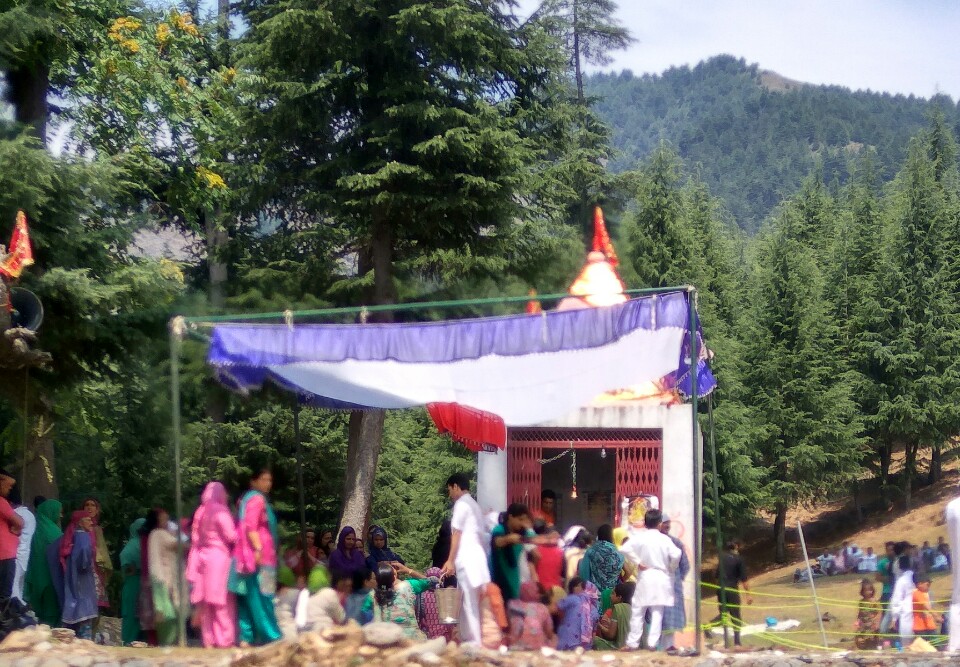
Shiva Bhagwati Temple Akingam
Shiva Bhagwati Temple Akingam is a revered Hindu shrine dedicated to Jagad Amba Shri Shiva Bhagwati, situated in the Kashmir valley near Devdar forests. The temple holds unique…
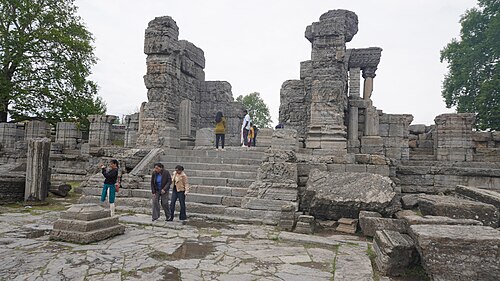
Avantiswami Temple
The Avantiswami Temple is a ruined 9th-century Hindu temple complex on the Jhelum River banks near Pulwama, Kashmir, originally comprising two shrines dedicated to Shiva and Vis…
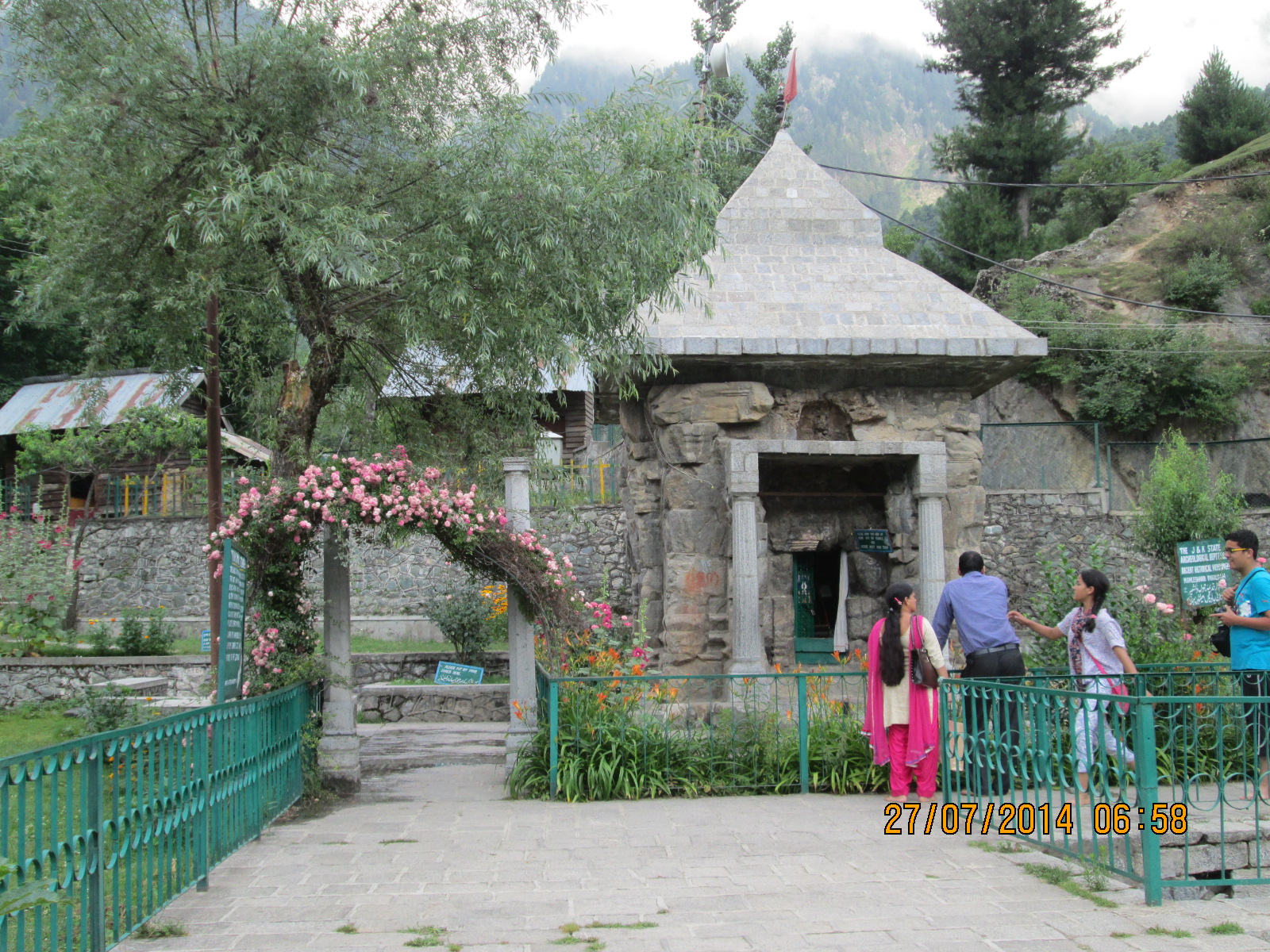
Mamal Temple
Mamal Temple, also known as Mamaleshwar Temple, is a Hindu shrine dedicated to Shiva located in Pahalgam, Kashmir Valley, perched at 2,200 metres on the banks of the Lidder Rive…

Ancient Temple, Ladhoo
Ancient Temple, Ladhoo is a spring-fed shrine in Pulwama district, Kashmir Valley, believed to date to the 8th century CE. The primary deity remains undocumented in available so…
Jwala Ji Temple (Kashmir)
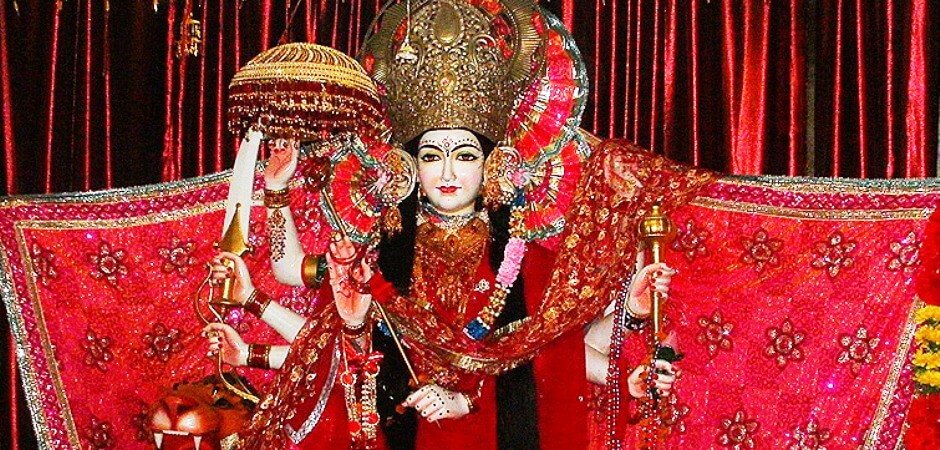
Jwala Ji Temple in Khrew, Pulwama, is a hilltop Hindu shrine dedicated to Goddess Jwala Ji, featuring a sacred spring and drawing pilgrims especially during the annual Jwalamukh…