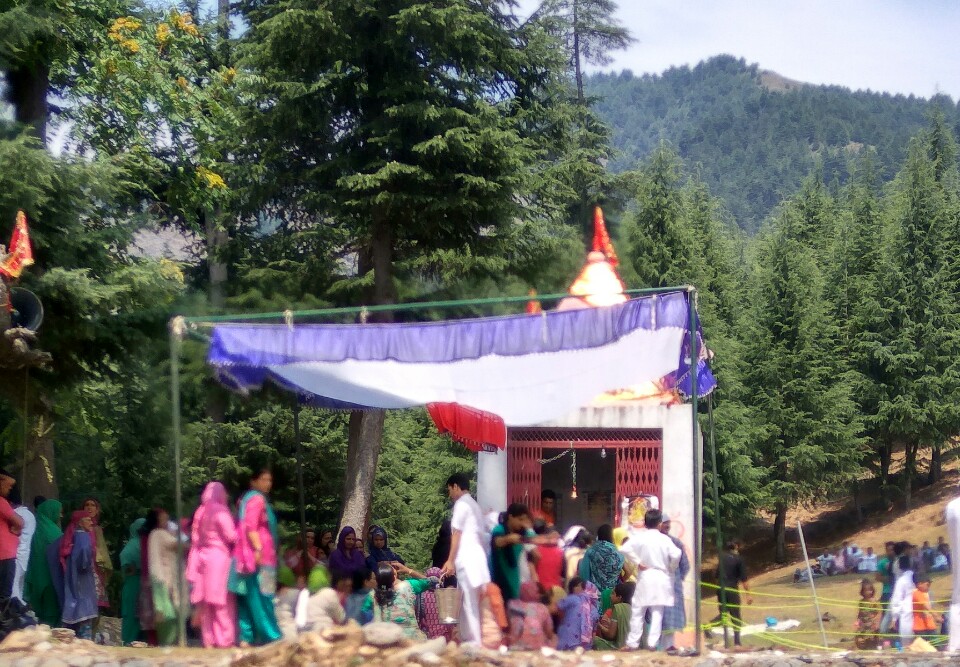
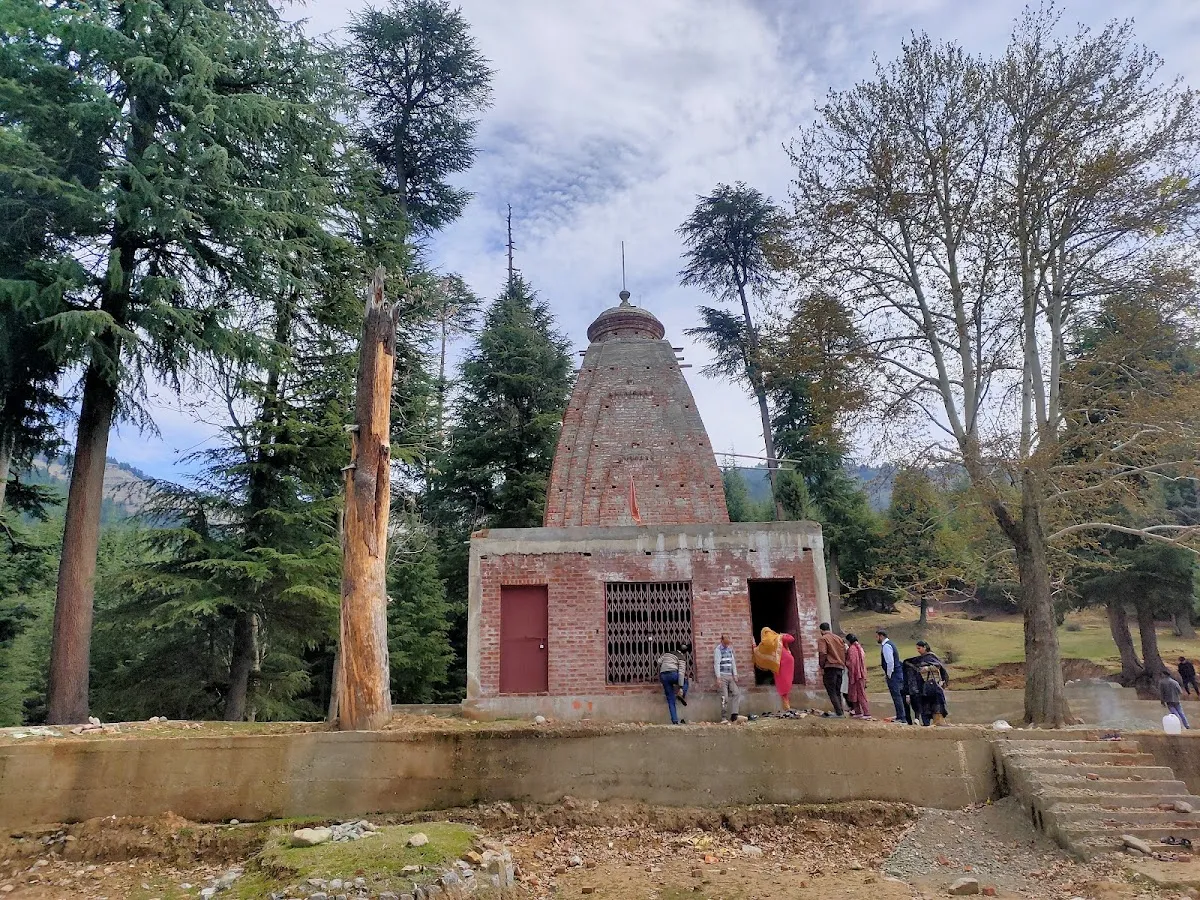
Shiva Bhagwati Temple Akingam
About Shiva Bhagwati Temple Akingam
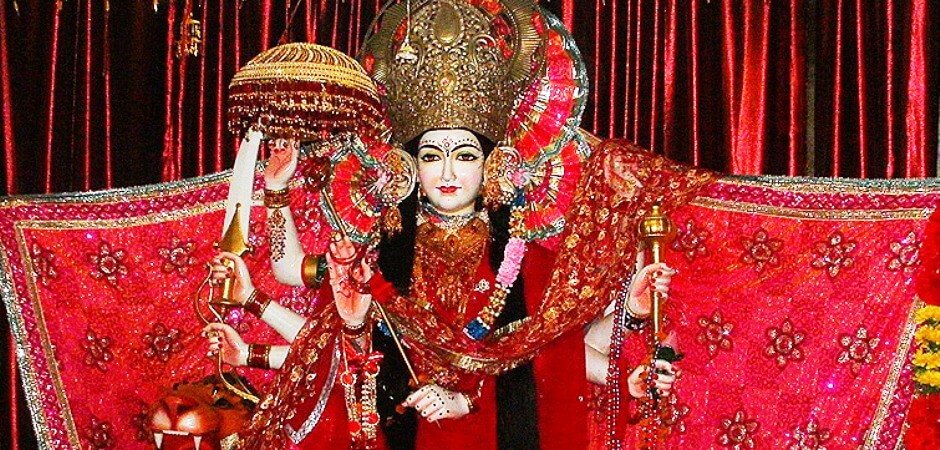
The temple's most significant period of celebration occurs during the autumn Navratri season, when nine nights are dedicated to honoring the goddess. During these days, the temple receives elaborate decorations and draws increased numbers of devotees gathered to participate in the festivities. Beyond Navratri, the shrine observes several festivals throughout the year. Karwa Chauth in October brings worshippers who fast for the wellbeing of their families. Guru Purnima in July honors spiritual teachers, while Janmashtami in September commemorates the birth of Krishna. Makar Sankranti in January and Ugadi or Gudi Padwa in March are also observed at the temple.
Daily Worship and Rituals
The temple maintains a daily rhythm of worship centered on two principal aartis. The Pratah Aarti takes place at dawn, marking the beginning of the day's devotional activities. In the evening, the Sandhya Deepam aarti is performed at dusk, concluding the day's formal worship. These rituals follow the traditional pattern observed in Hindu temples, where the deity is honored through fire offerings and chanting at significant times of day. Devotees may visit during these times to participate in the aartis or to have darshan—a viewing of the deity—though the temple remains accessible throughout the daylight hours.
Planning Your Visit
The most favorable period for pilgrimage to Akingam extends from May through September, when weather conditions in the Kashmir valley support comfortable travel. Those wishing to witness the temple at its most elaborately decorated should plan their visit during the autumn Navratri season, though visitors should be prepared for larger crowds during this time. Seasonal factors and current road conditions in Kashmir may affect accessibility, particularly for those traveling from outside the valley. Confirming travel plans in advance is advisable, and visitors should consult local sources regarding current conditions before undertaking the journey.
Visiting Etiquette
Standard temple etiquette applies at Shiva Bhagwati Temple. Devotees customarily remove footwear before entering the sanctum as a mark of respect. Modest dress is expected when visiting the shrine. These practices reflect the reverent atmosphere maintained at the temple and are observed across Hindu places of worship. Specific facilities available at the temple are not documented in accessible sources; visitors with particular needs or questions about amenities should contact the shrine directly in advance of their visit.
Location and Access
The temple is situated in Akingam, Anantnag district, at coordinates 33.7°N, 75.33°E. The shrine sits within the Kashmir valley and is accessible by road from major towns in the region, with Akingam's main chowk serving as a clear reference point for navigation. Visitors from outside the valley should plan their journeys with attention to seasonal accessibility and current conditions affecting travel in Kashmir. Road conditions and regional circumstances may influence travel times and route options, making advance planning and consultation with local sources valuable for ensuring smooth access to the temple.
How to reach

Temples near Shiva Bhagwati Temple Akingam
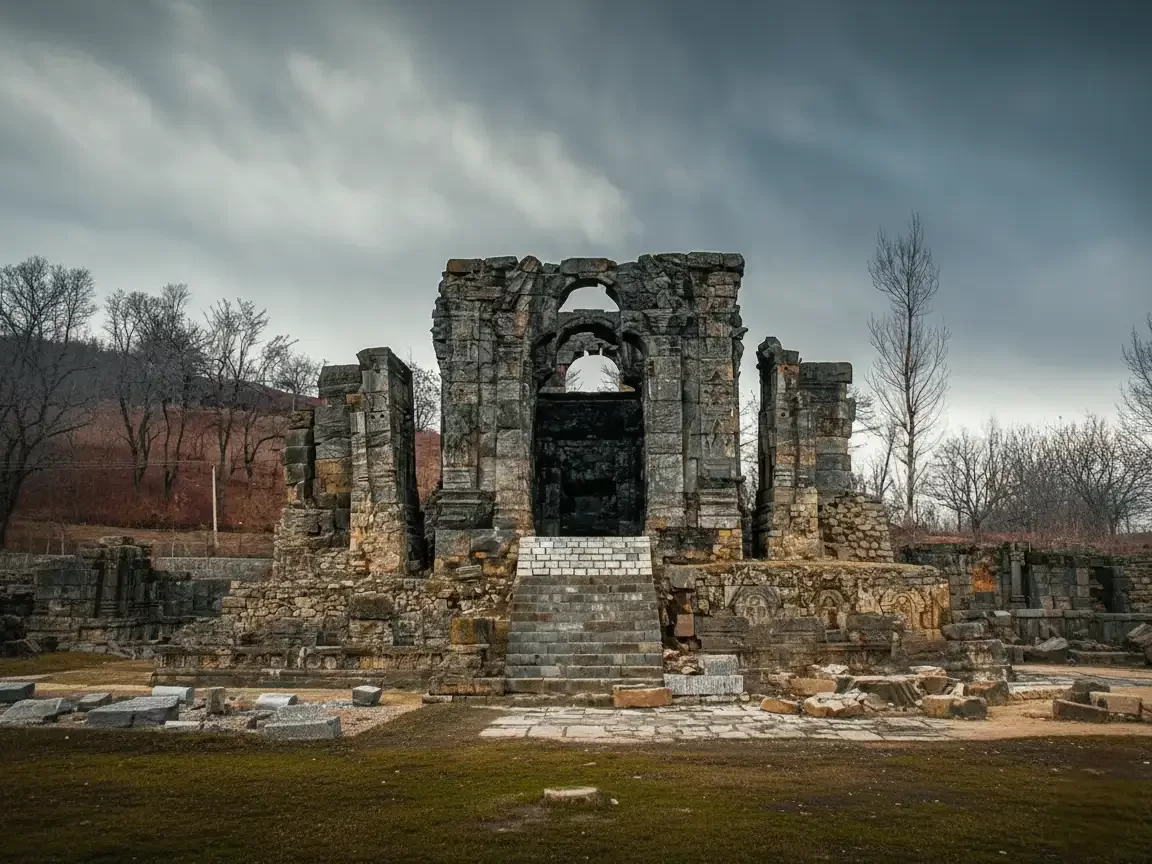
Martand Sun Temple
The Martand Sun Temple is an eighth-century Hindu shrine dedicated to Surya, the solar deity, located on a Kashmir plateau near Mattan in Anantnag district. Though partially rui…
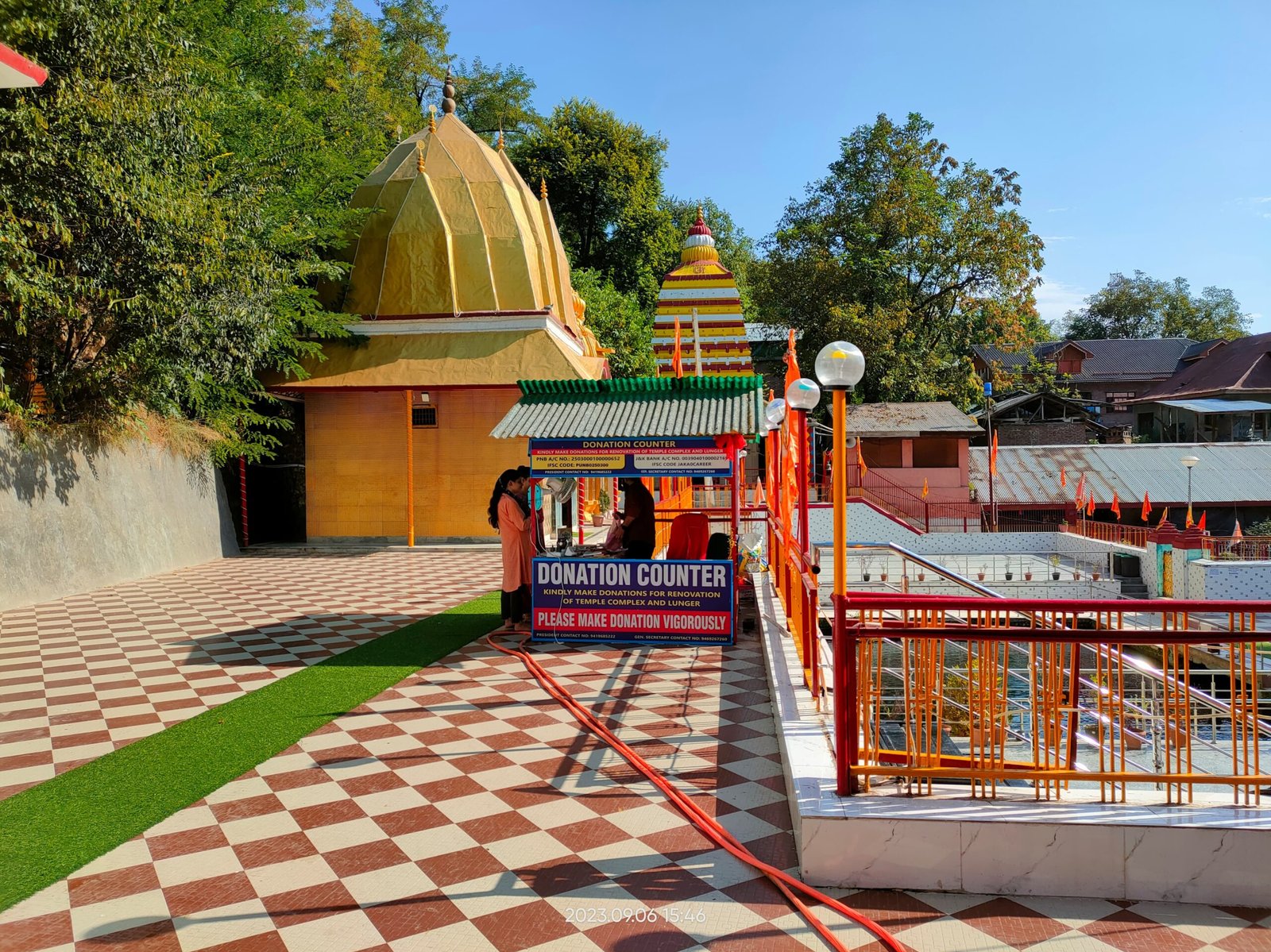
Suriya Mandir Martand Tirth
Martand Tirth is an ancient pilgrimage site in South Kashmir dedicated to Lord Martanda, featuring an 8th-century temple complex with magnificent architecture from the Karkota E…
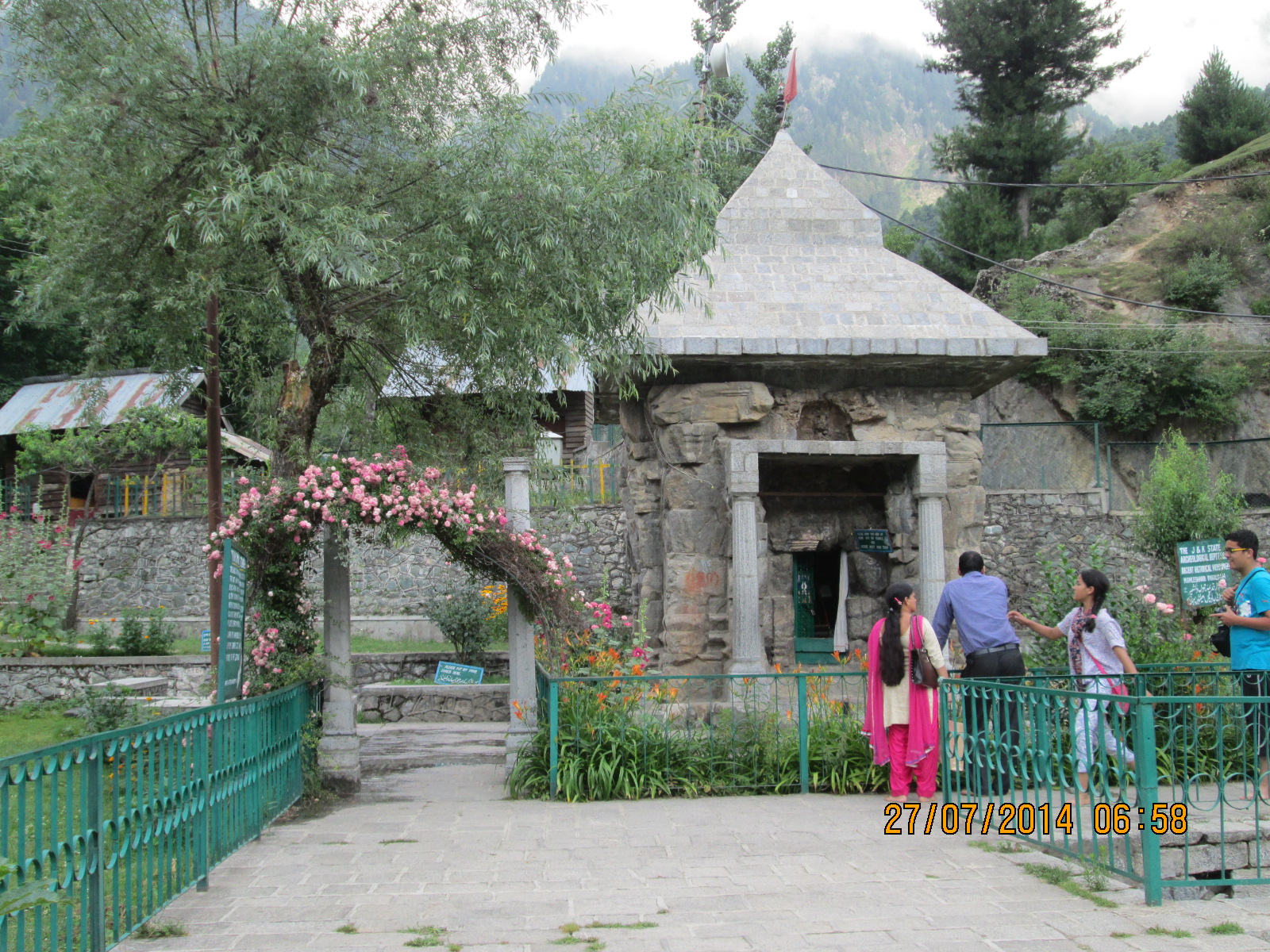
Mamal Temple
Mamal Temple, also known as Mamaleshwar Temple, is a Hindu shrine dedicated to Shiva located in Pahalgam, Kashmir Valley, perched at 2,200 metres on the banks of the Lidder Rive…
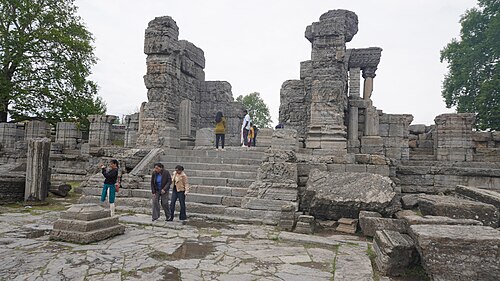
Avantiswami Temple
The Avantiswami Temple is a ruined 9th-century Hindu temple complex on the Jhelum River banks near Pulwama, Kashmir, originally comprising two shrines dedicated to Shiva and Vis…

Ancient Temple, Ladhoo
Ancient Temple, Ladhoo is a spring-fed shrine in Pulwama district, Kashmir Valley, believed to date to the 8th century CE. The primary deity remains undocumented in available so…
Jwala Ji Temple (Kashmir)
Jwala Ji Temple in Khrew, Pulwama, is a hilltop Hindu shrine dedicated to Goddess Jwala Ji, featuring a sacred spring and drawing pilgrims especially during the annual Jwalamukh…