Avantiswami Temple
About Avantiswami Temple
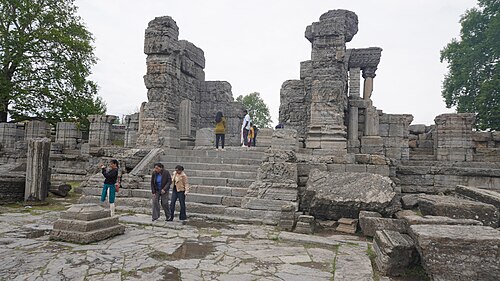
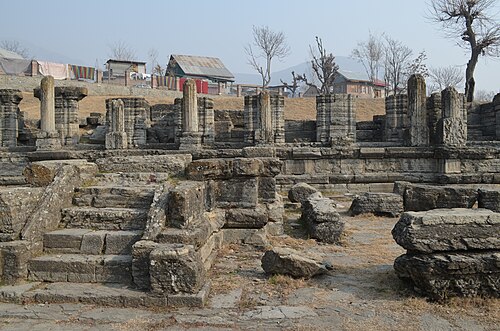
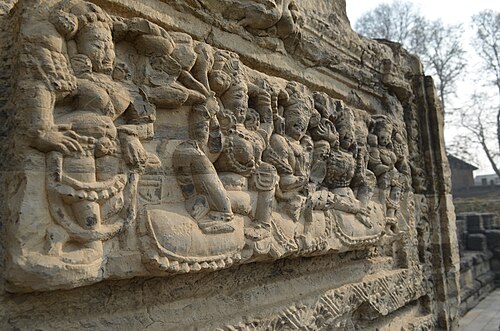
The defining feature of this site is the presence of two separate temples rather than a single sanctuary. One temple was oriented toward the worship of Shiva, while its counterpart served devotees of Vishnu, reflecting the coexistence of these major Hindu traditions within a single royal commission. The temples were positioned on the banks of the Jhelum River, a placement that anchored the sacred site within the landscape and provided practical access to water for ritual purposes. The architectural remains visible today allow visitors to observe how these two structures were organized and constructed, though the temples now exist as ruins rather than functioning places of worship.
An Archaeological Site, Not an Active Temple
It is important to understand that the Avantiswami Temple functions today as an archaeological site rather than a temple with active daily worship. Visitors will not encounter traditional darshan, priestly services, or regular ritual observances. Instead, the value of a visit lies in observing the historical remains and understanding the material evidence of medieval Kashmiri religious architecture. The site's significance rests in its role as a window into the region's past and the construction practices of the Utpala period. Local tradition preserves the site's memory through the name Pandav Lari, meaning "house of the Pandavas," suggesting layers of cultural memory and reinterpretation over time.
Visiting the Site
The temple complex is located in Awantipora, approximately 16 kilometers northeast of Pulwama town in Pulwama district, Jammu and Kashmir. As an ASI-protected archaeological site, the complex is open to visitors, though specific visiting hours and any entry requirements should be confirmed locally before traveling. The riverside setting means visitors should prepare for outdoor conditions and potentially uneven terrain among the ruins. Respectful behavior is appropriate given the site's religious and historical significance; modest dress is advisable, and visitors should avoid disturbing any remaining structures or archaeological features. Photography may be permitted but should be conducted respectfully. Hiring a local guide or consulting ASI information boards on-site can significantly enhance understanding of the layout and history of the two temple structures.
Best Times to Visit
Daylight hours are necessary for observing the ruins and navigating the site safely. Before planning a visit, travelers should confirm current local conditions and check travel advisories for the Jammu and Kashmir region, as circumstances can change. The riverside location and outdoor nature of the site mean that weather conditions will affect the visiting experience.
Local Context and Regional Significance
The Avantiswami Temple stands as part of Kashmir's medieval religious heritage, representing a period when royal patronage supported the construction of major Hindu temples. The site's survival as ruins, rather than its destruction or complete abandonment, reflects the complex history of religious practice and architectural change in the region. Understanding this temple requires placing it within the broader context of 9th-century Kashmiri culture and the Utpala dynasty's role in shaping the region's religious landscape.
How to reach
Temples near Avantiswami Temple

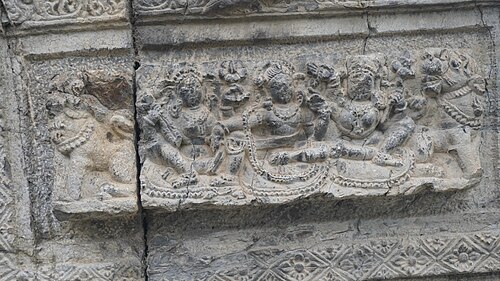
Ancient Temple, Ladhoo
Ancient Temple, Ladhoo is a spring-fed shrine in Pulwama district, Kashmir Valley, believed to date to the 8th century CE. The primary deity remains undocumented in available so…
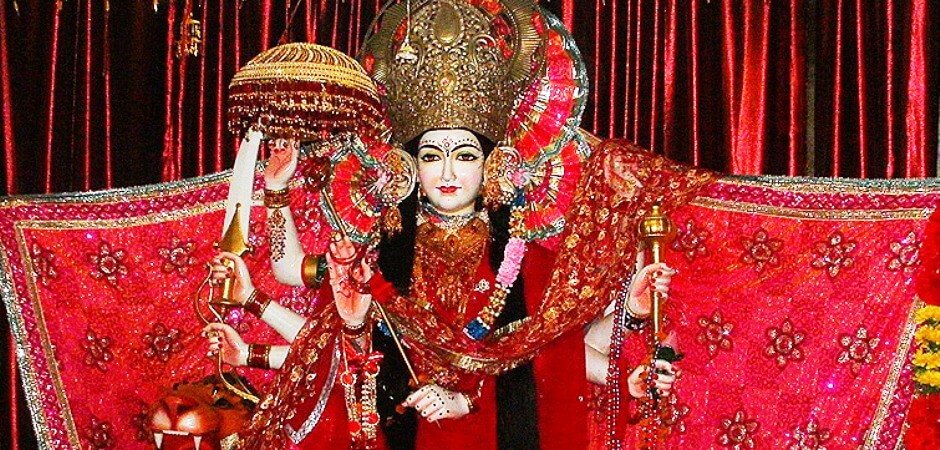
Jwala Ji Temple (Kashmir)
Jwala Ji Temple in Khrew, Pulwama, is a hilltop Hindu shrine dedicated to Goddess Jwala Ji, featuring a sacred spring and drawing pilgrims especially during the annual Jwalamukh…
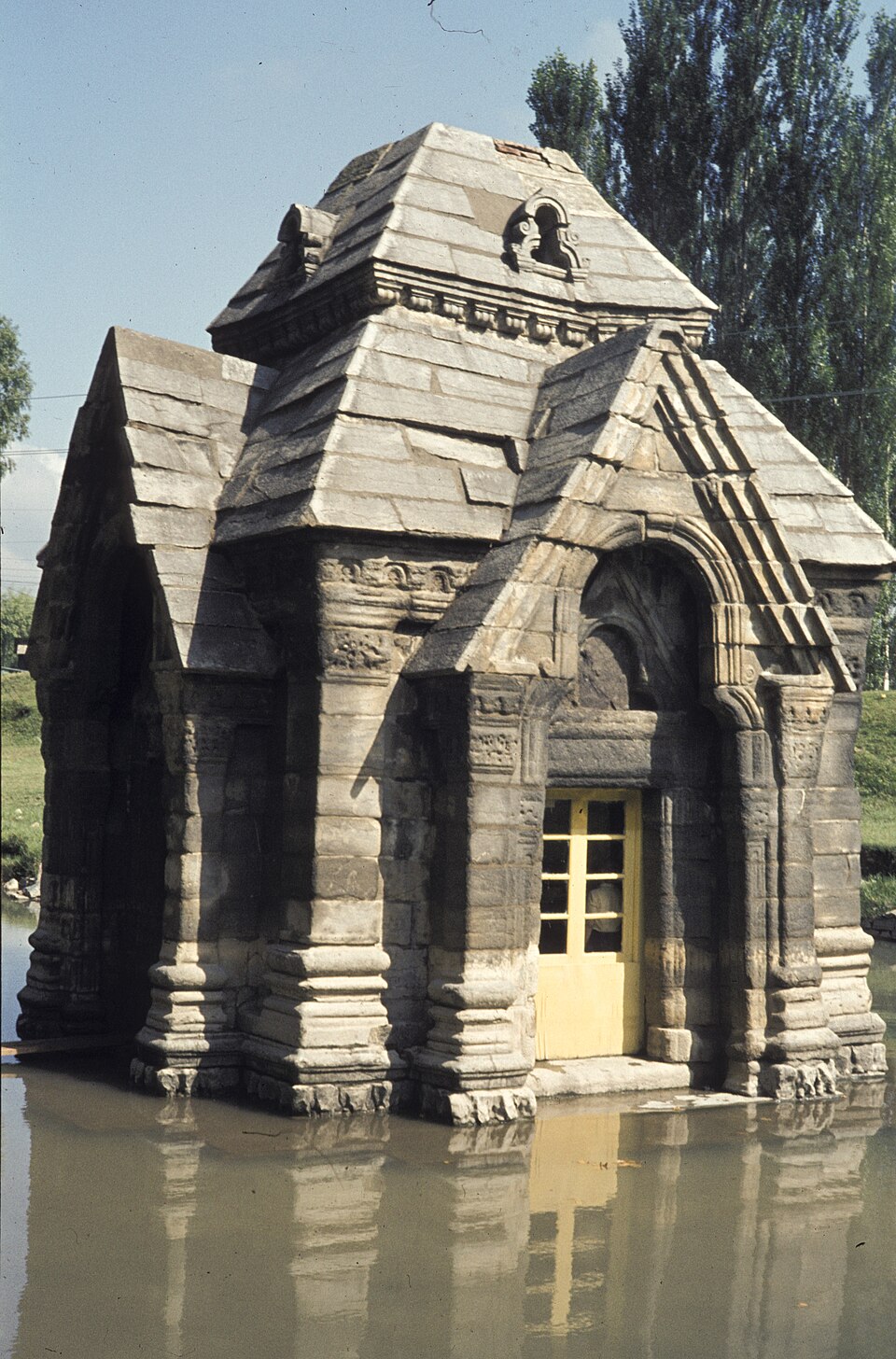
Pandrethan Shiva Temple
The Pandrethan Shiva Temple in Srinagar is one of Kashmir's finest preserved ancient Hindu stone temples, dating to the 8th–9th century CE and situated around a natural spring-f…
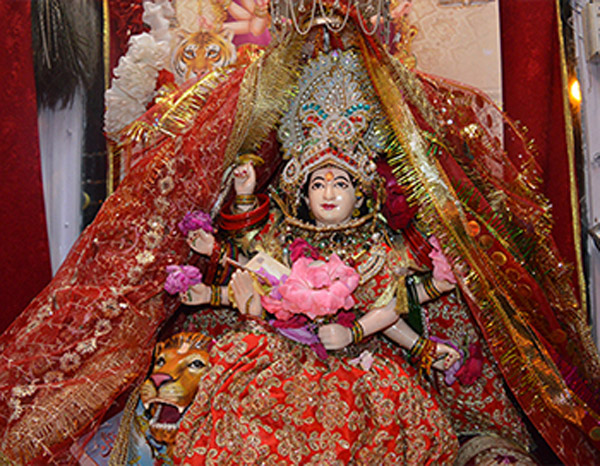
Zeashta Devi Shrine
Zeashta Devi Shrine in Srinagar is an ancient Hindu sanctuary dedicated to Jyeshta Devi, a manifestation of Shakti, revered by Kashmiri Pandits for over a millennium.
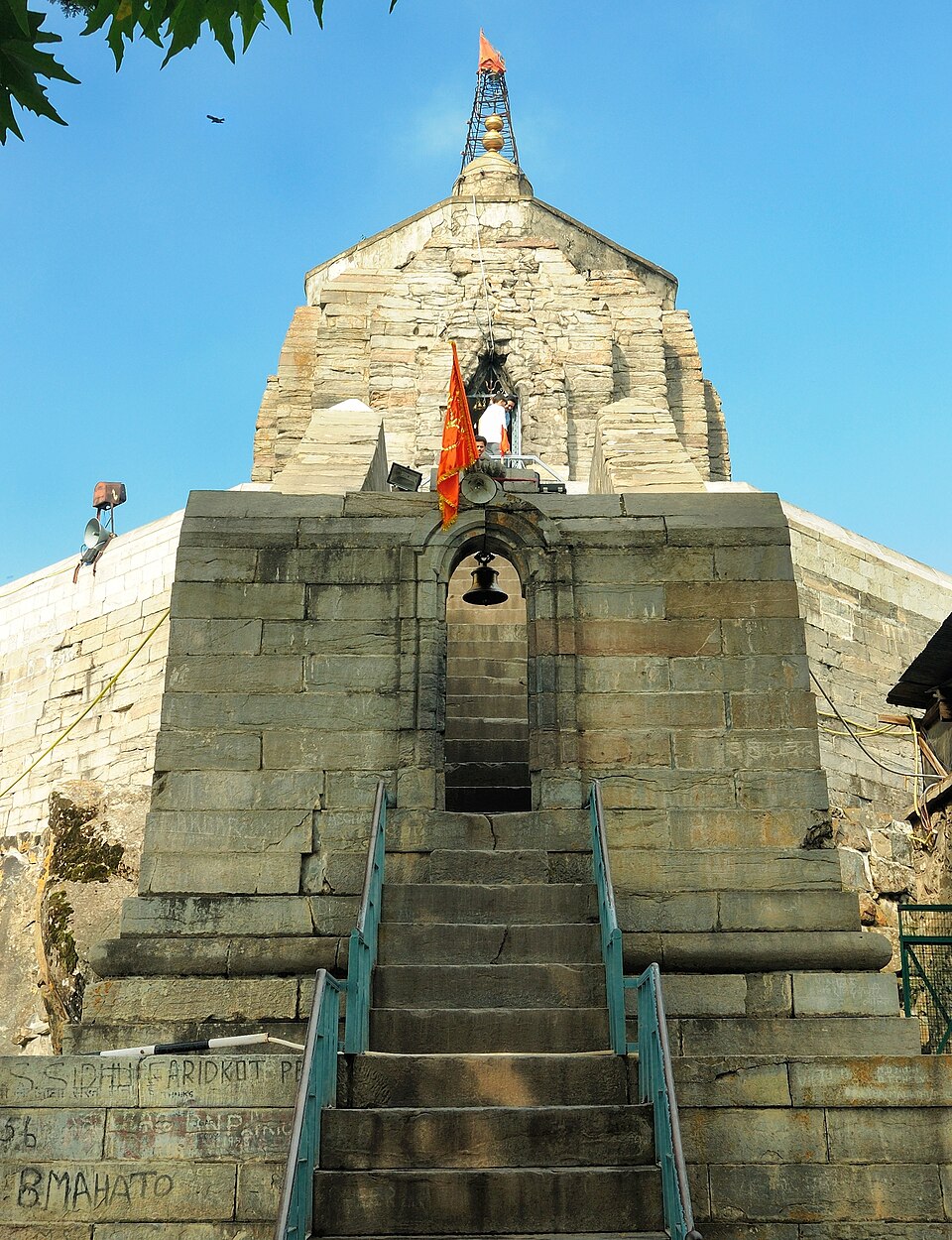
Shankaracharya Temple, Srinagar
Shankaracharya Temple is an ancient Hindu shrine dedicated to Lord Shiva, perched atop Shankaracharya Hill at 1,000 feet above Srinagar, offering panoramic views of Dal Lake and…
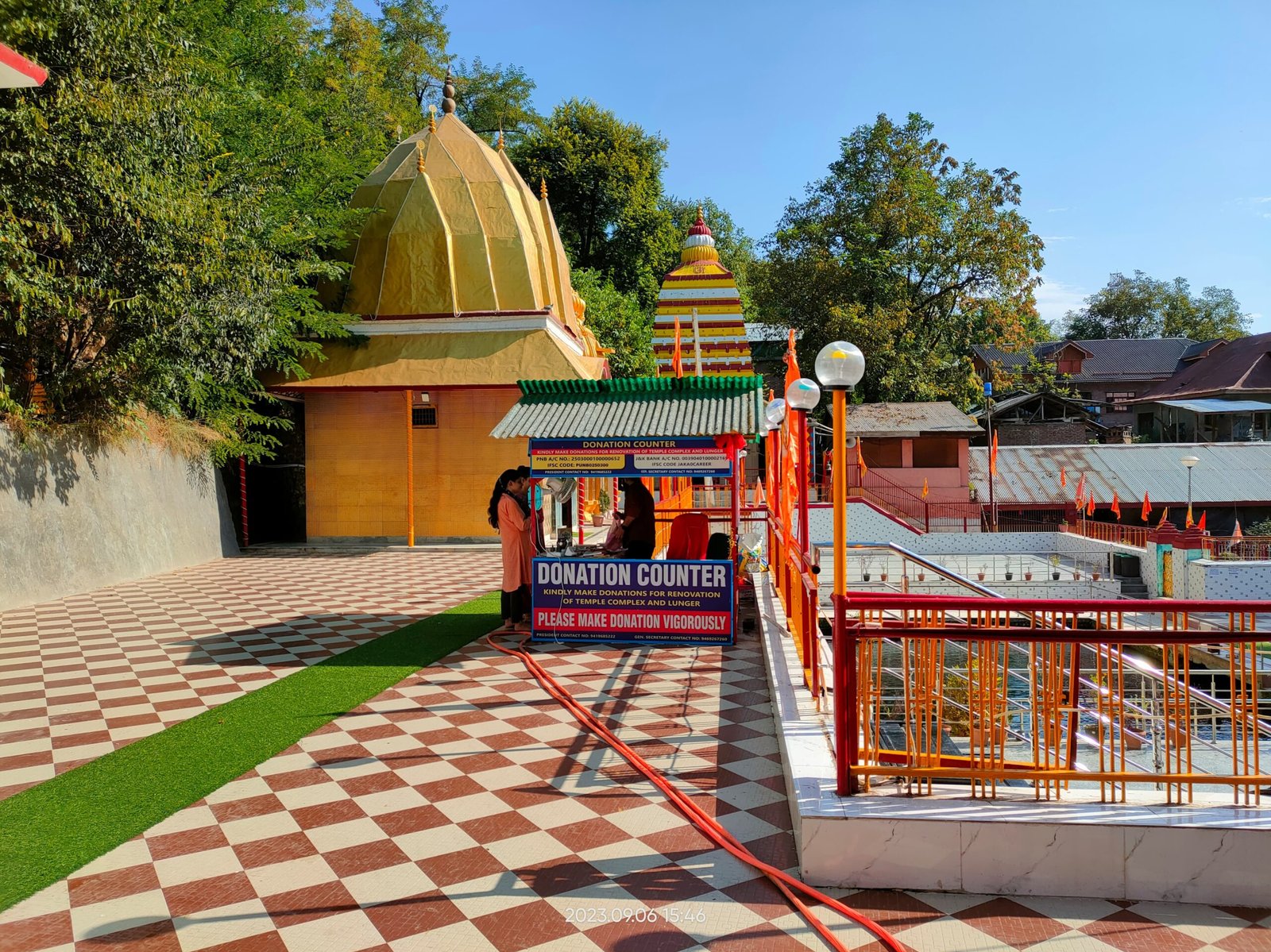
Suriya Mandir Martand Tirth
Martand Tirth is an ancient pilgrimage site in South Kashmir dedicated to Lord Martanda, featuring an 8th-century temple complex with magnificent architecture from the Karkota E…