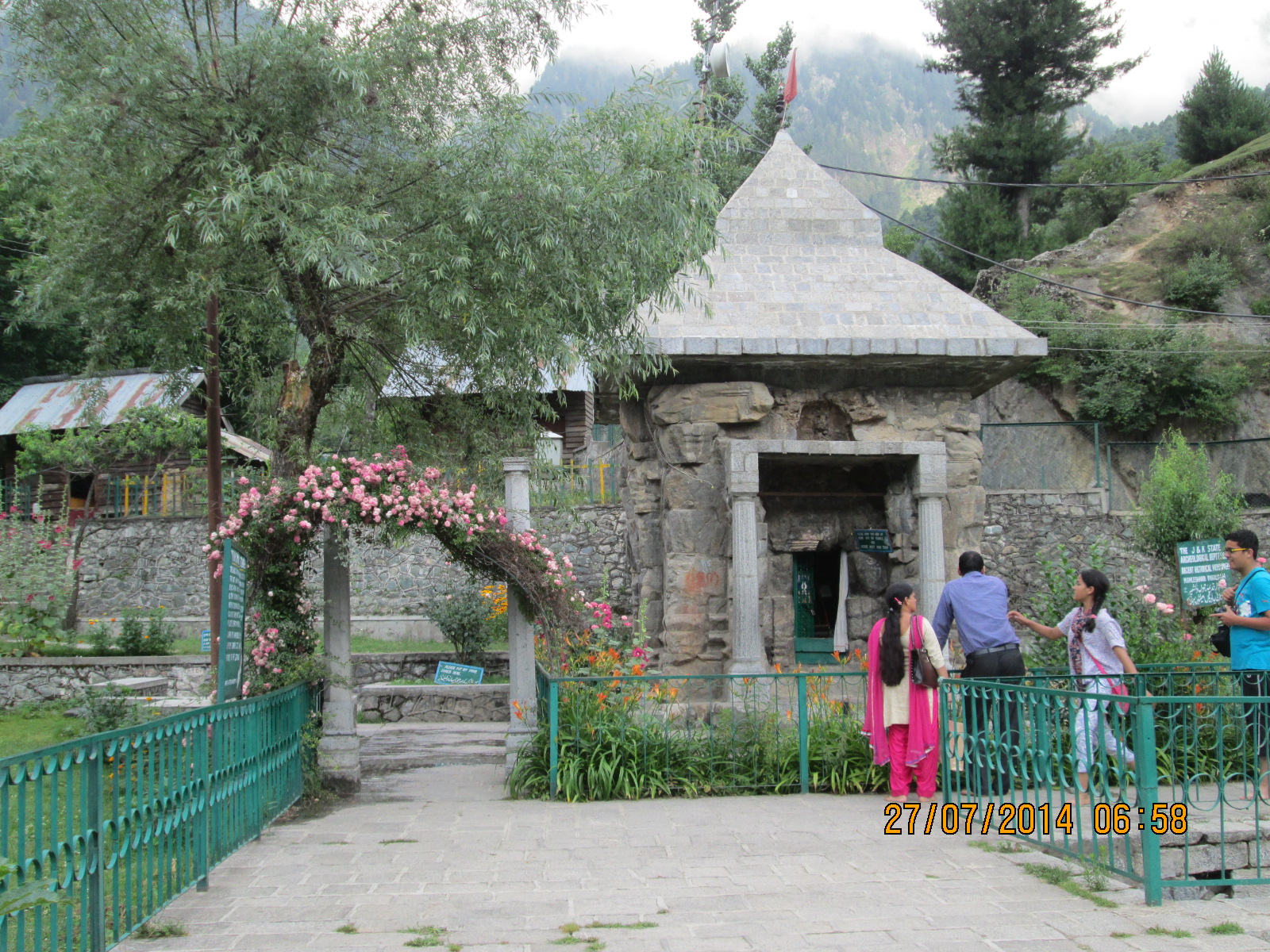
Mamal Temple
About Mamal Temple
The temple occupies a striking geographical position at an elevation of 2,200 metres (7,200 feet) above sea level, situated directly on the banks of the Lidder River. Pahalgam, the town in which the temple stands, lies in the Kashmir Valley—a region of considerable natural beauty and spiritual importance in Hindu tradition. The riverside location and high altitude create a distinctive environment for worship, where the flowing waters of the Lidder River form an integral part of the temple's setting.
This elevation and proximity to the river would have historically made the site both a place of natural sanctity and a destination requiring deliberate pilgrimage. The landscape itself contributes to the temple's character as a place of spiritual retreat and contemplation.
Visiting the Temple
Visitors to Mamal Temple should be prepared for the high altitude and mountain terrain of Pahalgam. The temple's location on the Lidder River's banks means the approach may involve walking along riverside paths. As with most Hindu temples, visitors are expected to observe respectful conduct—removing shoes before entering the sanctum and maintaining appropriate decorum during worship.
The specific timings for darshan (viewing of the deity) and any seasonal variations in accessibility are not detailed in available sources. Given the elevation and Kashmir Valley location, weather conditions may affect visiting patterns, particularly during winter months. Visitors planning a trip should inquire locally about current access conditions and any facilities available at the temple site.
The Deities and Worship
The temple's primary focus on Shiva is expressed through its Sanskrit name Mamaleshwar, where "Ishwar" refers to Shiva as the supreme lord. Shiva worship in Hindu tradition emphasizes meditation, asceticism, and the cycles of creation and destruction. The presence of Ganesha at this temple, however, gives it a dual character—combining Shaivite devotion with the propitiation of the obstacle-remover and auspicious-beginning deity.
Temples dedicated to Shiva typically feature a lingam (symbolic representation of the deity) as the primary object of worship. The specific architectural and ritual arrangements at Mamal Temple would reflect these conventions, though detailed descriptions of the current temple structure are not available from the sources provided.
Significance in Kashmir Valley Hinduism
Mamal Temple represents an important site of Hindu religious practice within Kashmir Valley. The region has a long history of Hindu temples and pilgrimage sites, and this temple's location in Pahalgam connects it to the broader spiritual geography of the valley. The mythological narratives associated with the temple link it to pan-Indian Hindu theology while serving the devotional needs of local and visiting worshippers.
The temple's riverside setting on the Lidder River aligns with the Hindu tradition of sacred waters, where rivers are understood as divine and purifying forces. This geographical feature would have contributed to the site's selection and sanctification as a place of worship.
Planning Your Visit
Pahalgam is accessible by road within Kashmir Valley. Visitors should plan their journey with attention to seasonal weather patterns, as the high altitude and mountain location may present challenges during certain times of year. Local inquiry about current conditions, temple timings, and any facilities is advisable before visiting.
Respectful dress and behavior are expected at the temple. Visitors should be prepared for the physical demands of the location and bring appropriate clothing for the elevation and climate. Those undertaking the pilgrimage should approach the site with the reverence appropriate to a sacred Hindu temple.
How to reach
Temples near Mamal Temple
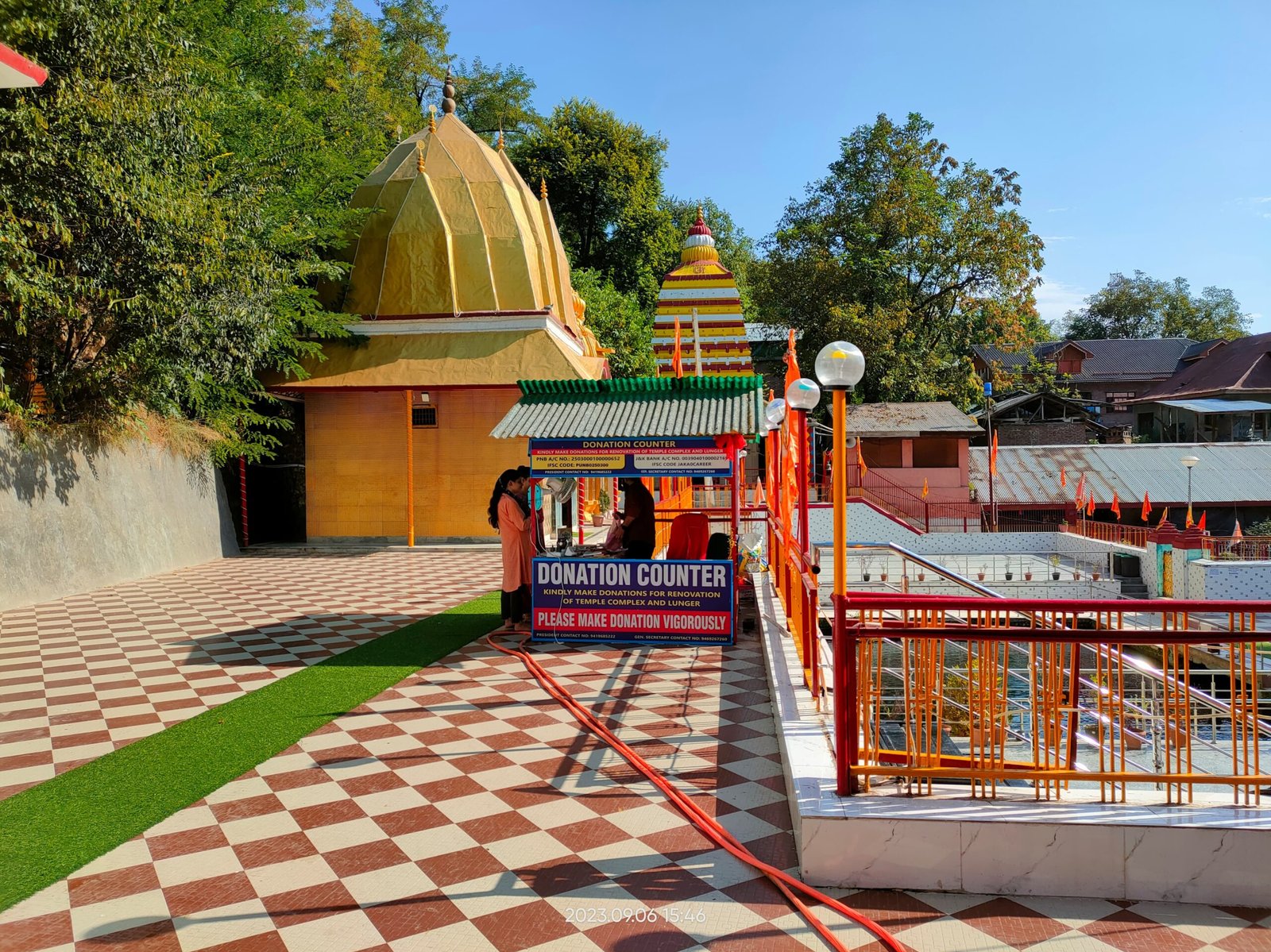
Suriya Mandir Martand Tirth
Martand Tirth is an ancient pilgrimage site in South Kashmir dedicated to Lord Martanda, featuring an 8th-century temple complex with magnificent architecture from the Karkota E…
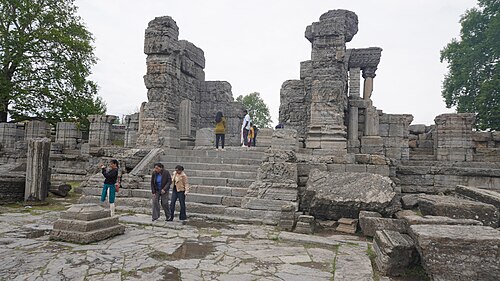
Avantiswami Temple
The Avantiswami Temple is a ruined 9th-century Hindu temple complex on the Jhelum River banks near Pulwama, Kashmir, originally comprising two shrines dedicated to Shiva and Vis…
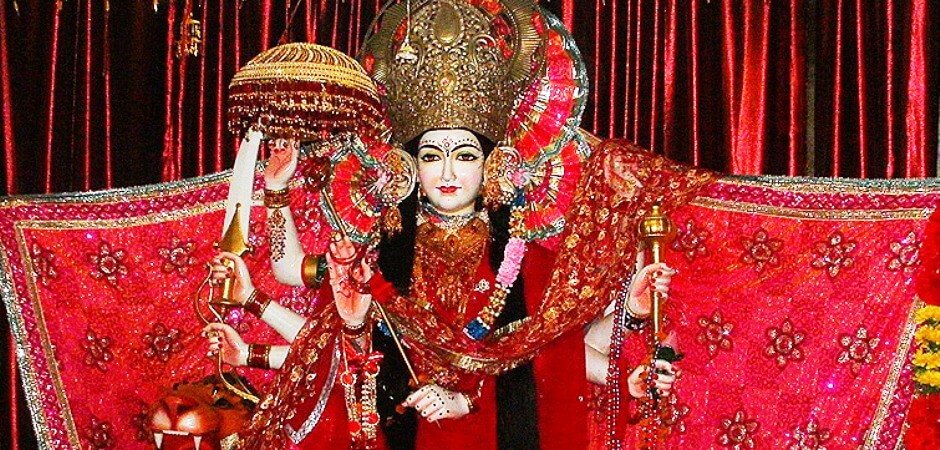
Jwala Ji Temple (Kashmir)
Jwala Ji Temple in Khrew, Pulwama, is a hilltop Hindu shrine dedicated to Goddess Jwala Ji, featuring a sacred spring and drawing pilgrims especially during the annual Jwalamukh…

Ancient Temple, Ladhoo
Ancient Temple, Ladhoo is a spring-fed shrine in Pulwama district, Kashmir Valley, believed to date to the 8th century CE. The primary deity remains undocumented in available so…
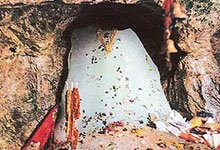
Amarnath Temple
Amarnath Temple is a sacred Hindu cave shrine dedicated to Lord Shiva, situated at 3,888 meters in the Himalayas of Jammu and Kashmir. The temple is renowned for its naturally f…
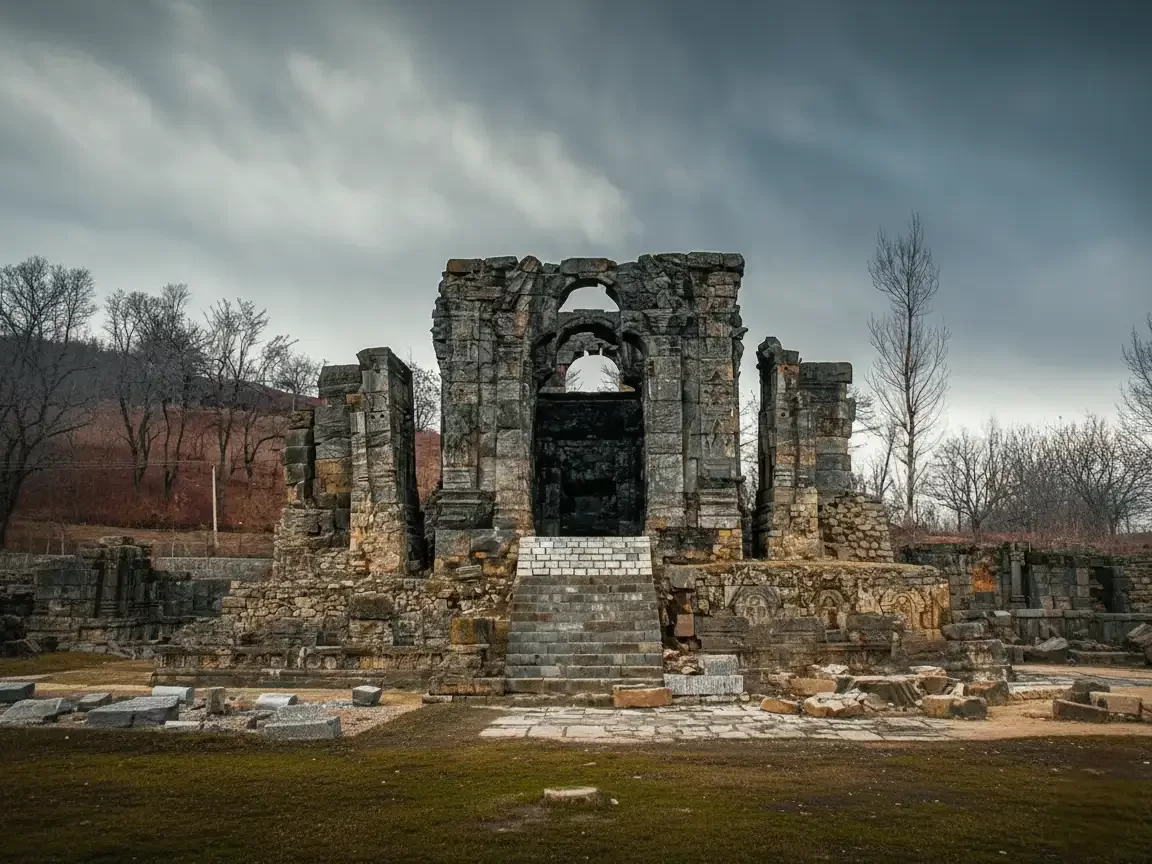
Martand Sun Temple
The Martand Sun Temple is an eighth-century Hindu shrine dedicated to Surya, the solar deity, located on a Kashmir plateau near Mattan in Anantnag district. Though partially rui…