


Ancient Temple, Ladhoo
About Ancient Temple, Ladhoo
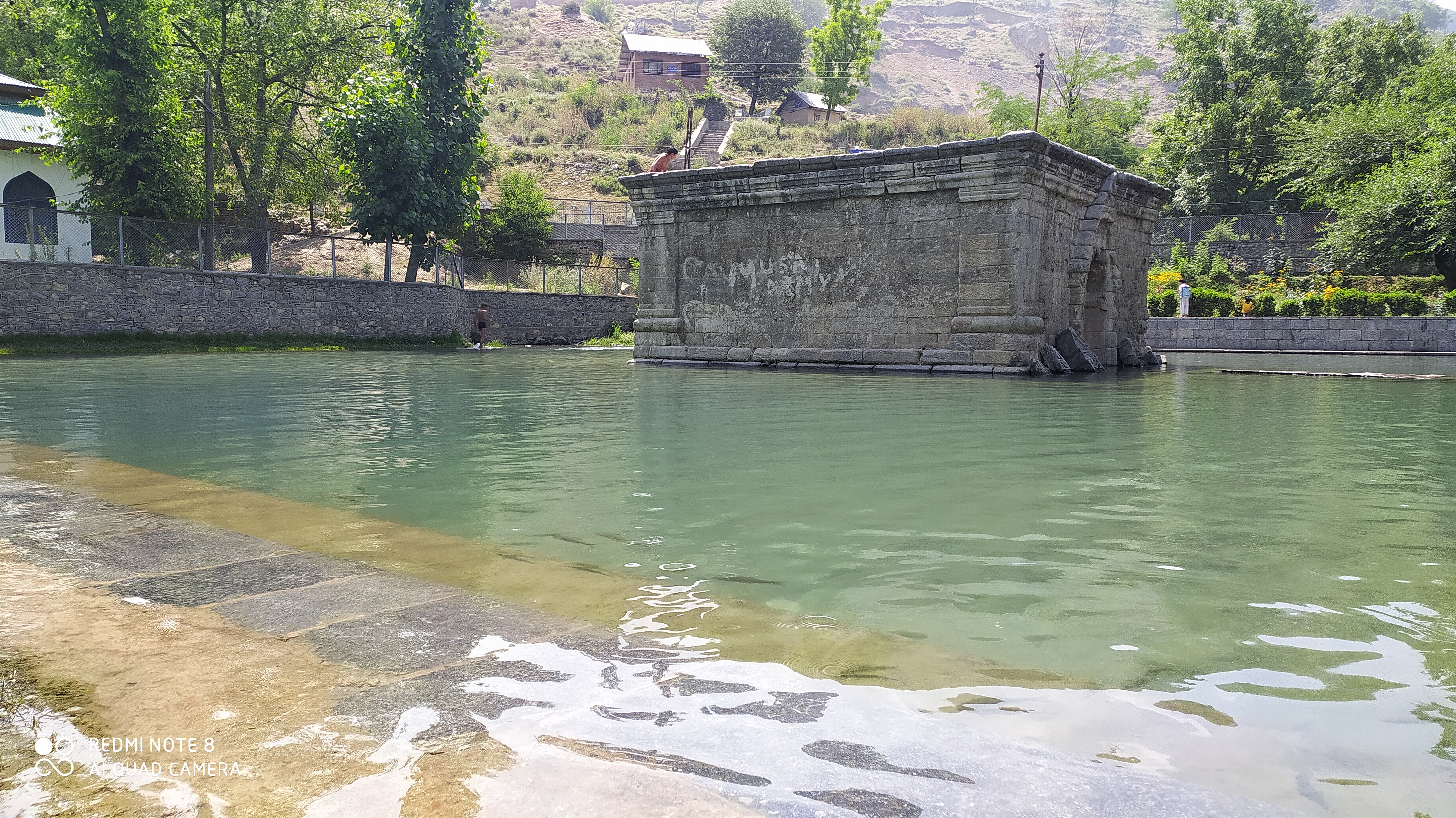
The temple dates to the 8th century CE, placing it among Kashmir Valley's ancient shrines. Beyond this establishment date, specific historical records, architectural documentation, or chronicles of the temple's development are not currently available. What is evident is that this site has maintained continuous religious significance for local communities across centuries, demonstrating the enduring importance of this location within the region's Hindu devotional landscape.
The temple's survival as a functioning shrine speaks to its role in the spiritual life of Ladhoo and surrounding areas, though fuller details of its history remain to be documented. Visitors interested in learning more about the temple's past are encouraged to speak with local priests or community members, who may hold oral traditions and knowledge not yet recorded in written sources.
Worship at the Shrine
The primary deity worshipped at this temple is not recorded in available sources. Upon arrival, visitors should inquire locally with temple priests or community members to understand the specific focus of worship and any particular practices observed at the shrine. Hindu temples in the Kashmir Valley typically maintain daily worship routines, though the exact timings and rituals specific to Ladhoo should be confirmed with those responsible for the temple's upkeep.
The temple's setting within a sacred spring suggests that water-based rituals or practices may form part of devotional activity, though documentation of these practices is limited. Visitors should approach with respect for both the shrine and the natural spring that surrounds it, and should be prepared to follow any guidance offered by local worshippers regarding appropriate conduct.
Visiting Information and Practical Considerations
This is a rural shrine with limited documented infrastructure and services. The approach via a spring-fed pond may present practical challenges depending on seasonal water levels and weather conditions. Before travelling, visitors are strongly advised to make local inquiries regarding current access conditions, any entry protocols, and the availability of facilities.
The temple's remote location means that accommodation, food, and other amenities may be limited or absent nearby. Visitors should arrive prepared with water and supplies. Dress modestly as a mark of respect for the sacred space. Given the water-based setting, appropriate footwear and clothing for potentially wet conditions is advisable. Local residents in Ladhoo or the nearby village of Lethapora can provide current information about visiting conditions and any customs observed at the shrine.
Best Times to Visit
Diwali and Makar Sankranti are noted as favourable times for visiting, though confirmation with local sources before travelling is essential due to seasonal variations in water levels. These festivals may see increased devotional activity at the shrine. However, the spring-fed nature of the site means that water conditions can change with weather and season, potentially affecting access. Visitors planning a trip should check locally about current conditions and any temporary restrictions before making the journey.
How to Reach the Temple
Ancient Temple, Ladhoo is located in Pulwama district in the southern part of the Kashmir Valley. The temple's coordinates are 33.9923°N, 74.9936°E. It lies approximately 4 kilometres from NH44 via Lethapora, and roughly 18 kilometres from Srinagar. The journey involves travel through rural areas; visitors should allow adequate time and confirm road conditions locally, particularly during winter months or after heavy rainfall, as access may be affected by weather.
How to reach
Temples near Ancient Temple, Ladhoo
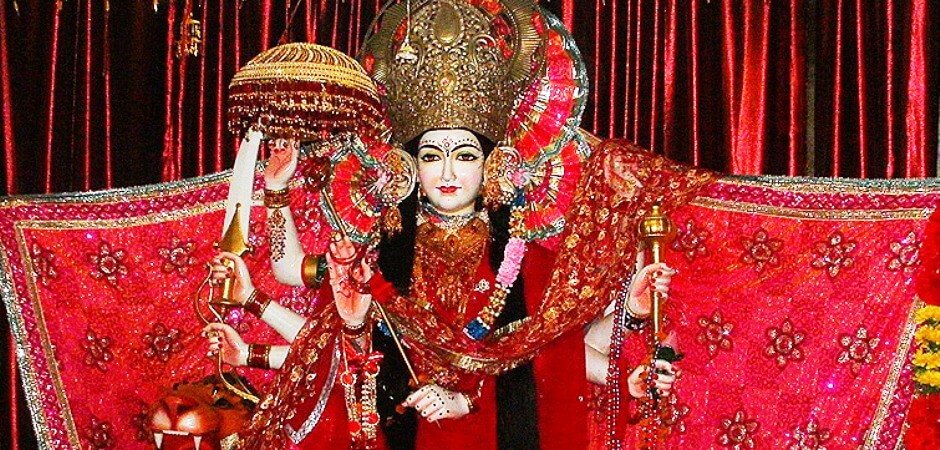
Jwala Ji Temple (Kashmir)
Jwala Ji Temple in Khrew, Pulwama, is a hilltop Hindu shrine dedicated to Goddess Jwala Ji, featuring a sacred spring and drawing pilgrims especially during the annual Jwalamukh…
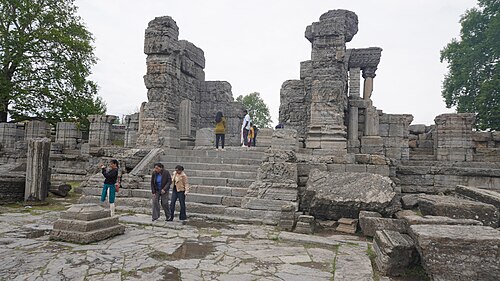
Avantiswami Temple
The Avantiswami Temple is a ruined 9th-century Hindu temple complex on the Jhelum River banks near Pulwama, Kashmir, originally comprising two shrines dedicated to Shiva and Vis…
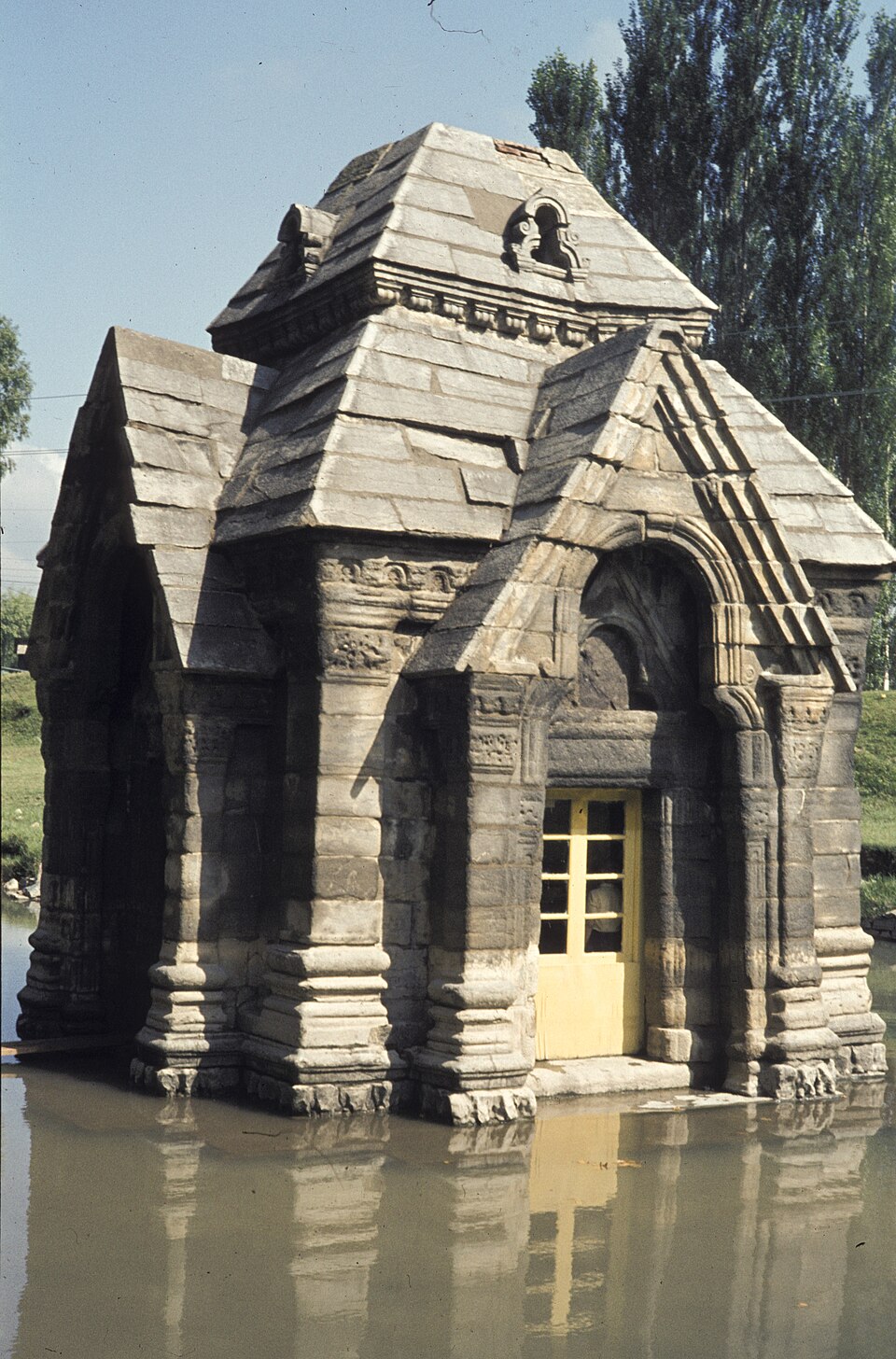
Pandrethan Shiva Temple
The Pandrethan Shiva Temple in Srinagar is one of Kashmir's finest preserved ancient Hindu stone temples, dating to the 8th–9th century CE and situated around a natural spring-f…
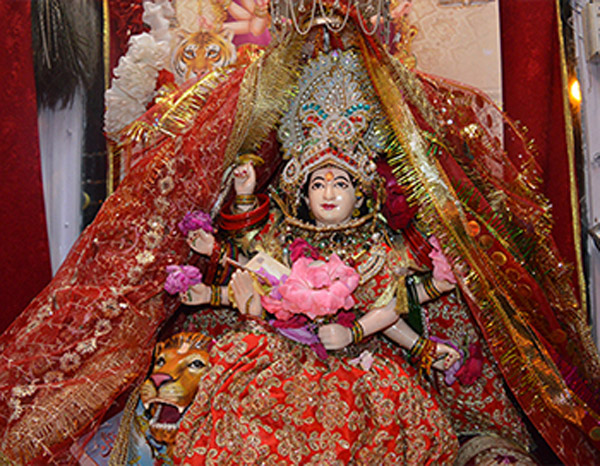
Zeashta Devi Shrine
Zeashta Devi Shrine in Srinagar is an ancient Hindu sanctuary dedicated to Jyeshta Devi, a manifestation of Shakti, revered by Kashmiri Pandits for over a millennium.
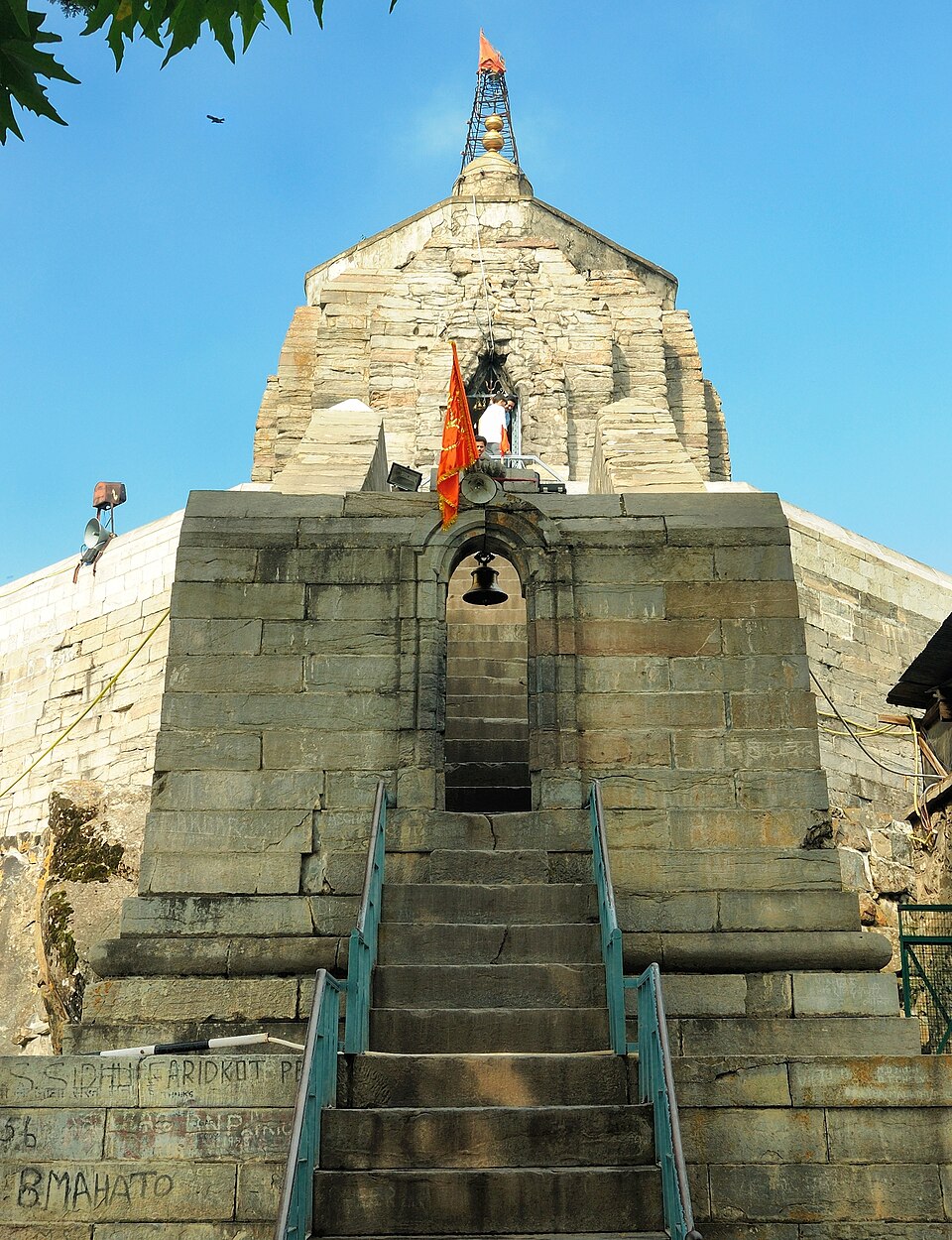
Shankaracharya Temple, Srinagar
Shankaracharya Temple is an ancient Hindu shrine dedicated to Lord Shiva, perched atop Shankaracharya Hill at 1,000 feet above Srinagar, offering panoramic views of Dal Lake and…
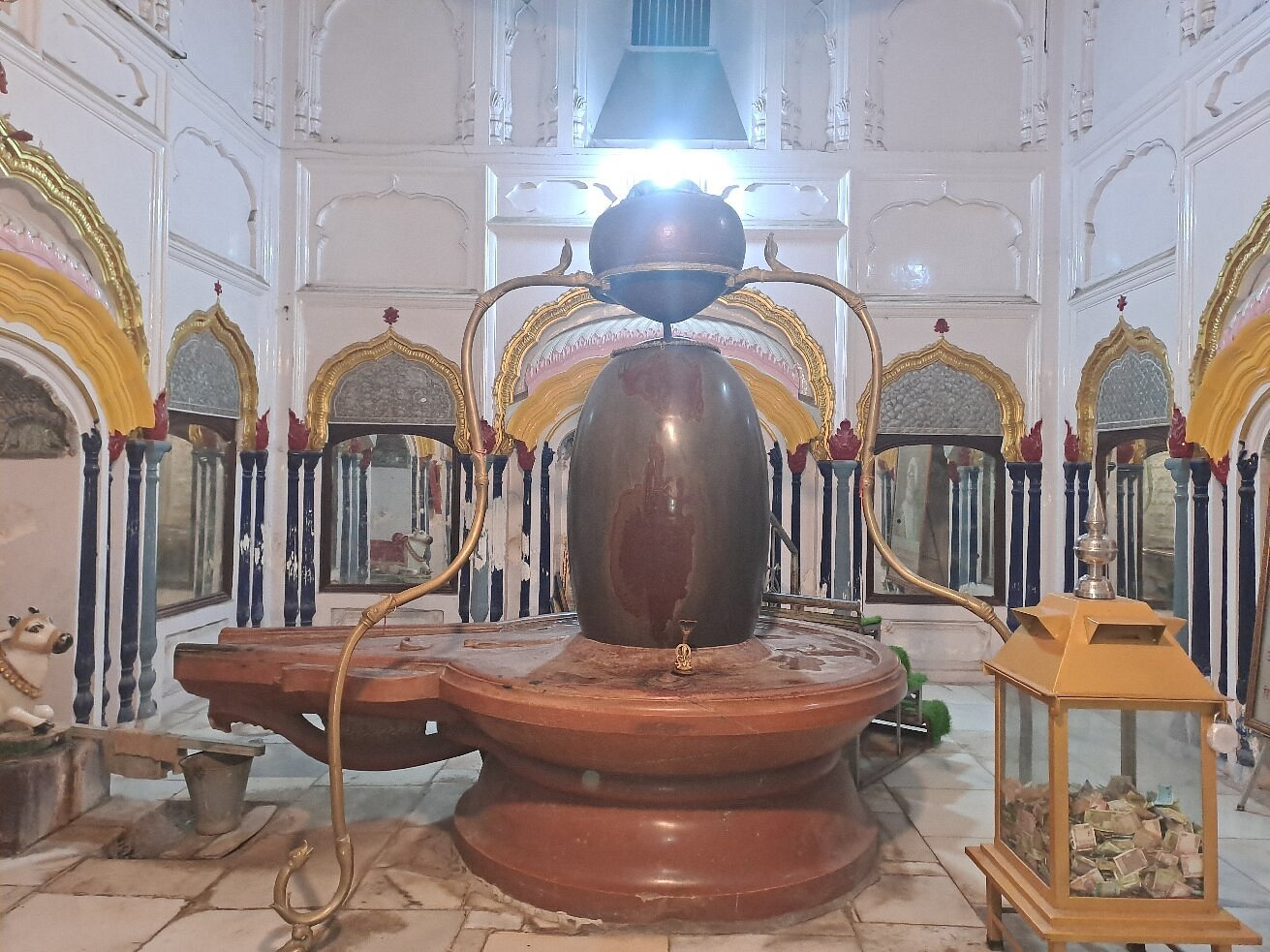
Raghunath Temple, Srinagar
Raghunath Temple in Srinagar is a historic Hindu shrine dedicated to Lord Rama, constructed between 1835 and 1860 under Maharaja Gulab Singh and completed by Maharaja Ranbir Sin…