Jwala Ji Temple (Kashmir)
About Jwala Ji Temple (Kashmir)
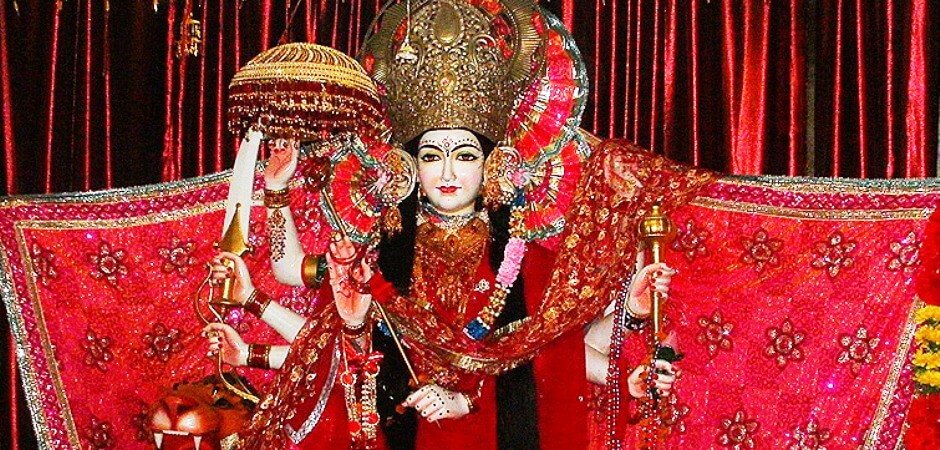
The temple as it stands today was constructed during the twentieth century by Raja Daya Krishna Kaul. However, the site itself carries older significance in local religious memory. According to accounts preserved in the temple tradition, the goddess manifested here in luminous form prior to the temple's formal construction, drawing devotees to the location. Local legend describes how the goddess intervened to protect divine treasures from demonic forces, choosing to remain at Khrew in response to the deities' request.
This narrative places the shrine within Kashmir's broader religious landscape, where goddess worship and the veneration of natural manifestations—springs, stones, and light phenomena—form enduring elements of devotional practice.
The Sacred Spring
A holy spring known as Bod Nag, Anik Nag, or Nagbal flows near the temple. This water source holds ritual significance for pilgrims, who traditionally bathe in the spring before proceeding to the temple for darshan of the goddess. The presence of sacred water reflects a common pattern in Himalayan and Kashmir valley temples, where natural springs are understood as expressions of divine presence and sources of purification.
The spring remains an integral part of the pilgrimage experience, and visitors should be prepared for the ritual bathing that precedes entry to the inner shrine.
The Annual Festival
Each year during the month of Ashadha (typically May–June), the temple hosts the Jwalamukhi Mela, a festival gathering that draws devotees to the shrine. This festival represents the principal annual observance at the temple and marks the most significant time for pilgrimage. Visitors planning to experience the temple during its most vibrant period should aim for this month, though the shrine remains open year-round for daily worship.
Visiting the Temple: Practical Information
The temple maintains seasonal hours: from 7:00 am to 6:00 pm during winter months, and 6:00 am to 7:30 pm during summer. The address is Jwala Bhagwati Temple, Khrew, Pulwama, Jammu and Kashmir 191103.
For those traveling by air, Sheikh Ul-Alam International Airport in Srinagar lies approximately 26 kilometres away. By rail, Kaka Pora Railway Station at Pampore is the nearest option, situated about 12 kilometres from the temple. Visitors should plan for the 300-step ascent and allow time for the ritual bathing at the sacred spring before entering the shrine. Modest dress is customary at Hindu temples; visitors should wear clothing that covers shoulders and knees. The climb and spring bathing mean sturdy footwear and a change of clothes are practical considerations.
The Temple Landscape
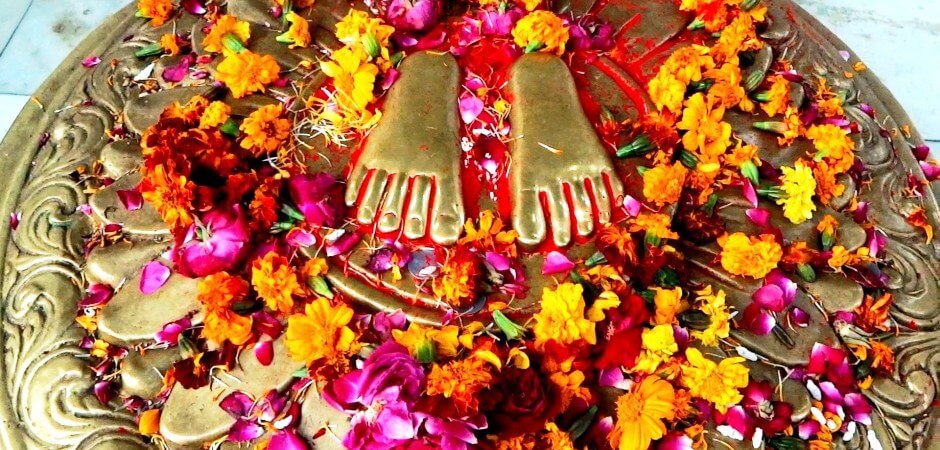
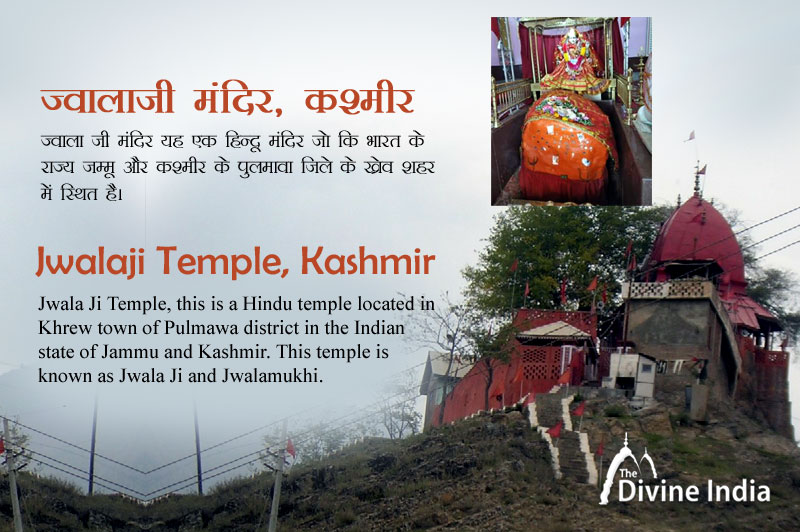
Beyond the main shrine, the temple complex includes a temple dedicated to Bhairav Baba. To the left stands a revered hill called Vishnu Pad, which bears a footprint marking believed by local tradition to belong to Lord Vishnu. These additional sacred sites extend the pilgrimage experience across the hillside, creating a landscape layered with multiple points of devotional significance.
The hilltop setting provides views across Khrew village and the surrounding Pulwama district, situating the shrine within its geographical and cultural context. The temple's position on elevated terrain reflects the traditional placement of goddess shrines in Kashmir valley geography.
How to reach
Temples near Jwala Ji Temple (Kashmir)

Ancient Temple, Ladhoo
Ancient Temple, Ladhoo is a spring-fed shrine in Pulwama district, Kashmir Valley, believed to date to the 8th century CE. The primary deity remains undocumented in available so…
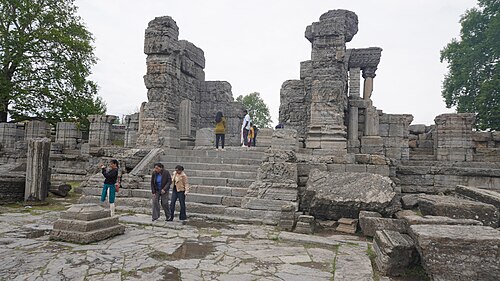
Avantiswami Temple
The Avantiswami Temple is a ruined 9th-century Hindu temple complex on the Jhelum River banks near Pulwama, Kashmir, originally comprising two shrines dedicated to Shiva and Vis…
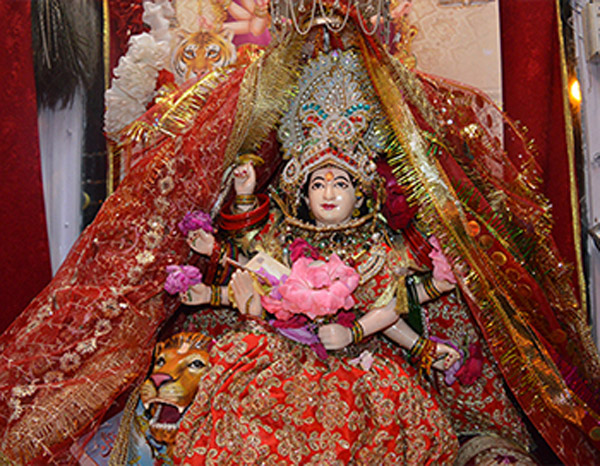
Zeashta Devi Shrine
Zeashta Devi Shrine in Srinagar is an ancient Hindu sanctuary dedicated to Jyeshta Devi, a manifestation of Shakti, revered by Kashmiri Pandits for over a millennium.
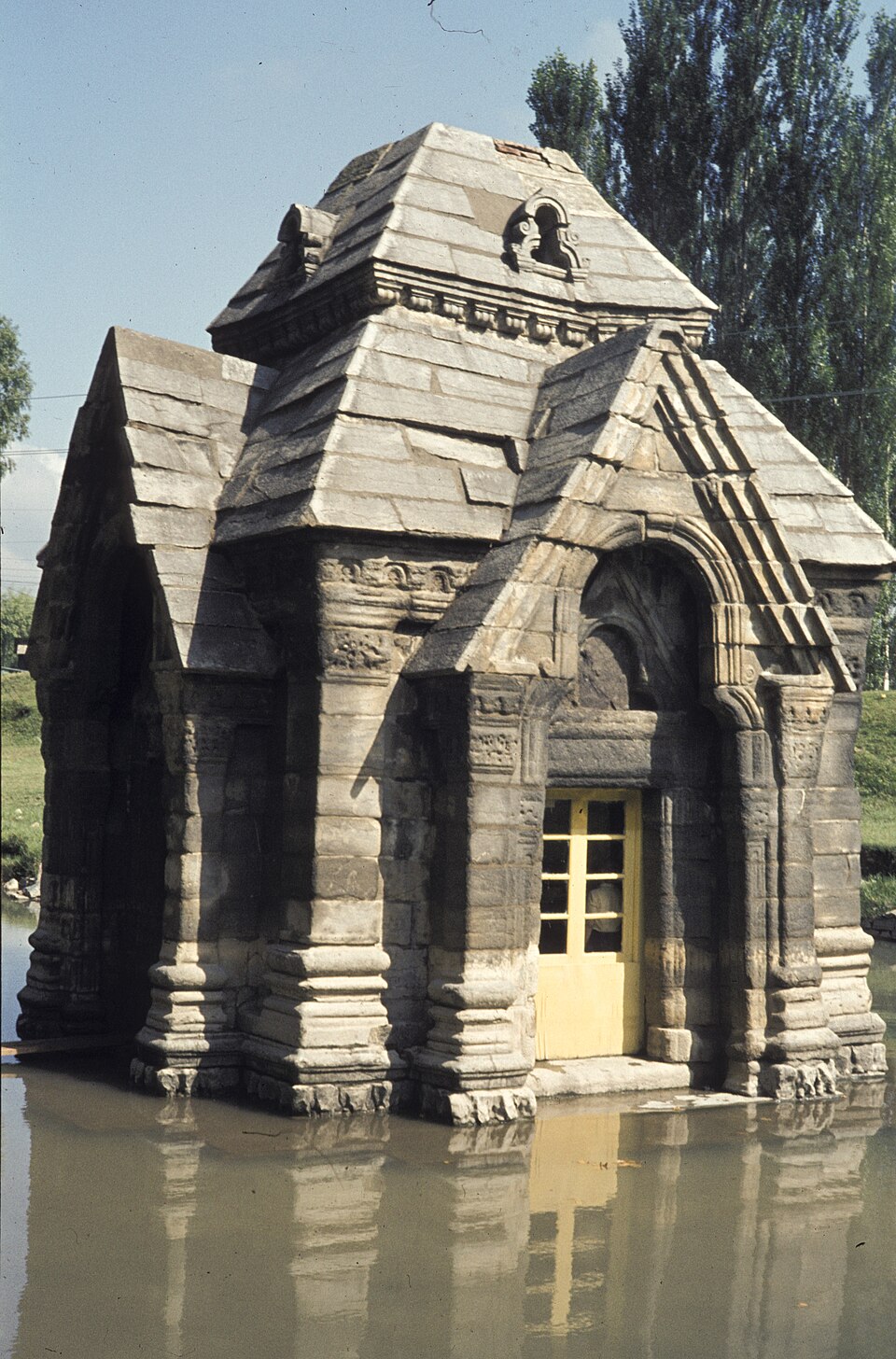
Pandrethan Shiva Temple
The Pandrethan Shiva Temple in Srinagar is one of Kashmir's finest preserved ancient Hindu stone temples, dating to the 8th–9th century CE and situated around a natural spring-f…
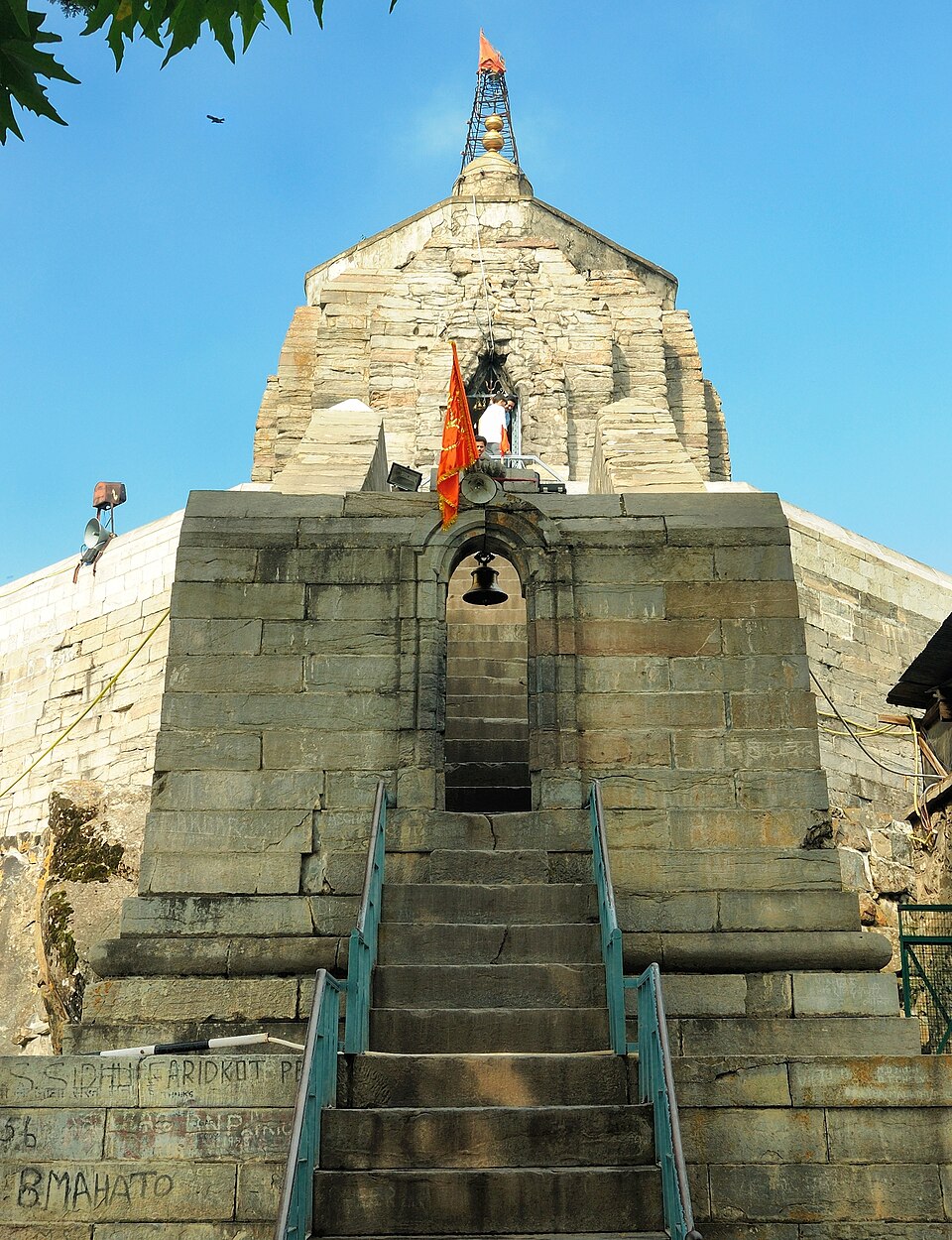
Shankaracharya Temple, Srinagar
Shankaracharya Temple is an ancient Hindu shrine dedicated to Lord Shiva, perched atop Shankaracharya Hill at 1,000 feet above Srinagar, offering panoramic views of Dal Lake and…
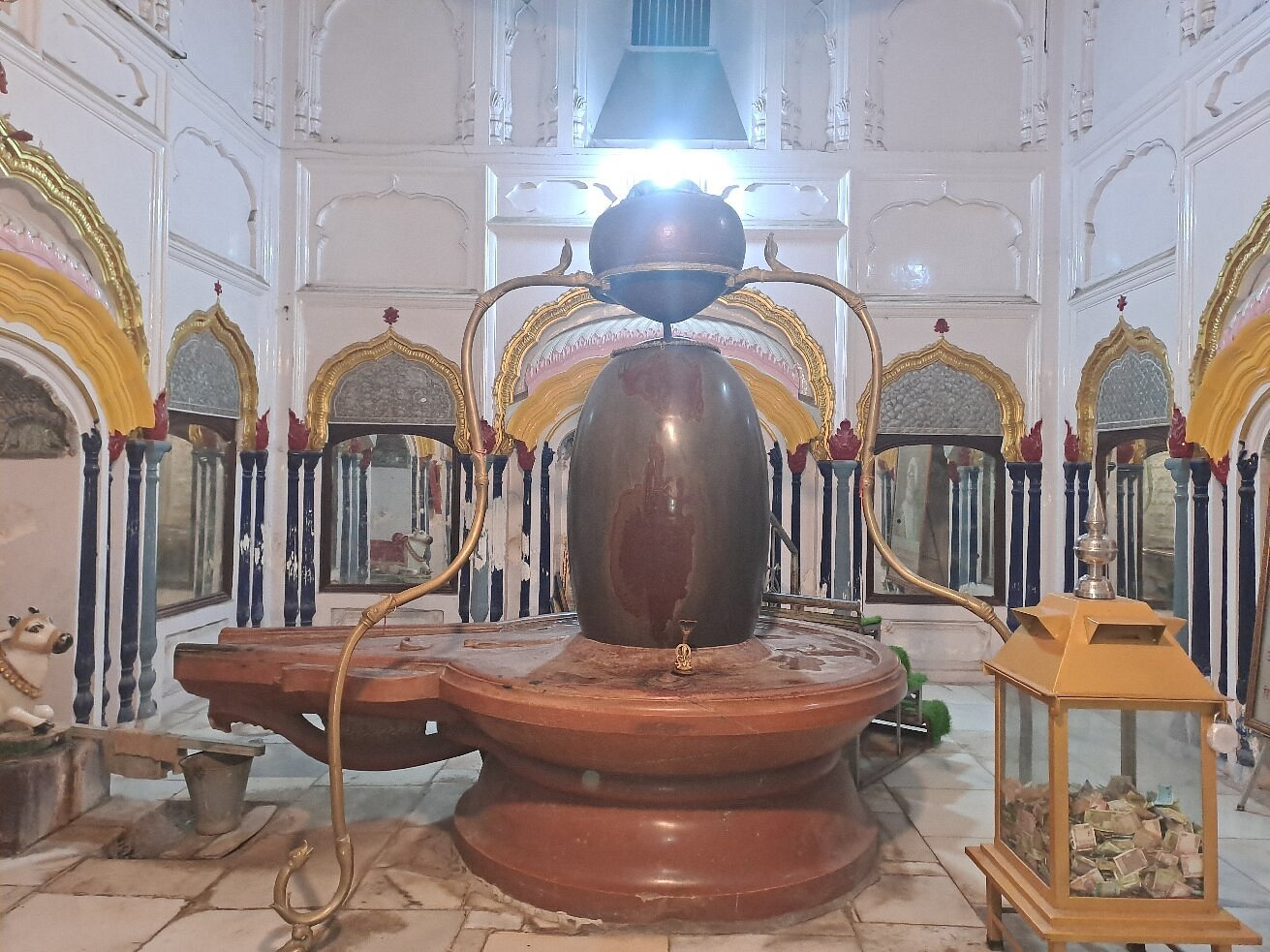
Raghunath Temple, Srinagar
Raghunath Temple in Srinagar is a historic Hindu shrine dedicated to Lord Rama, constructed between 1835 and 1860 under Maharaja Gulab Singh and completed by Maharaja Ranbir Sin…