Someshvara Temple, Haranhalli
About Someshvara Temple, Haranhalli
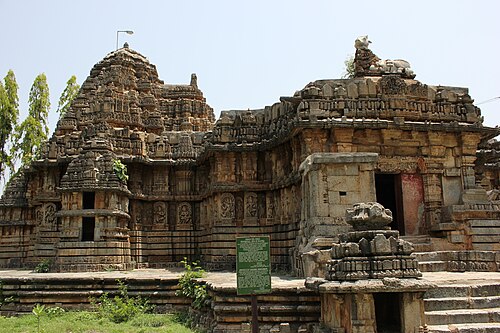
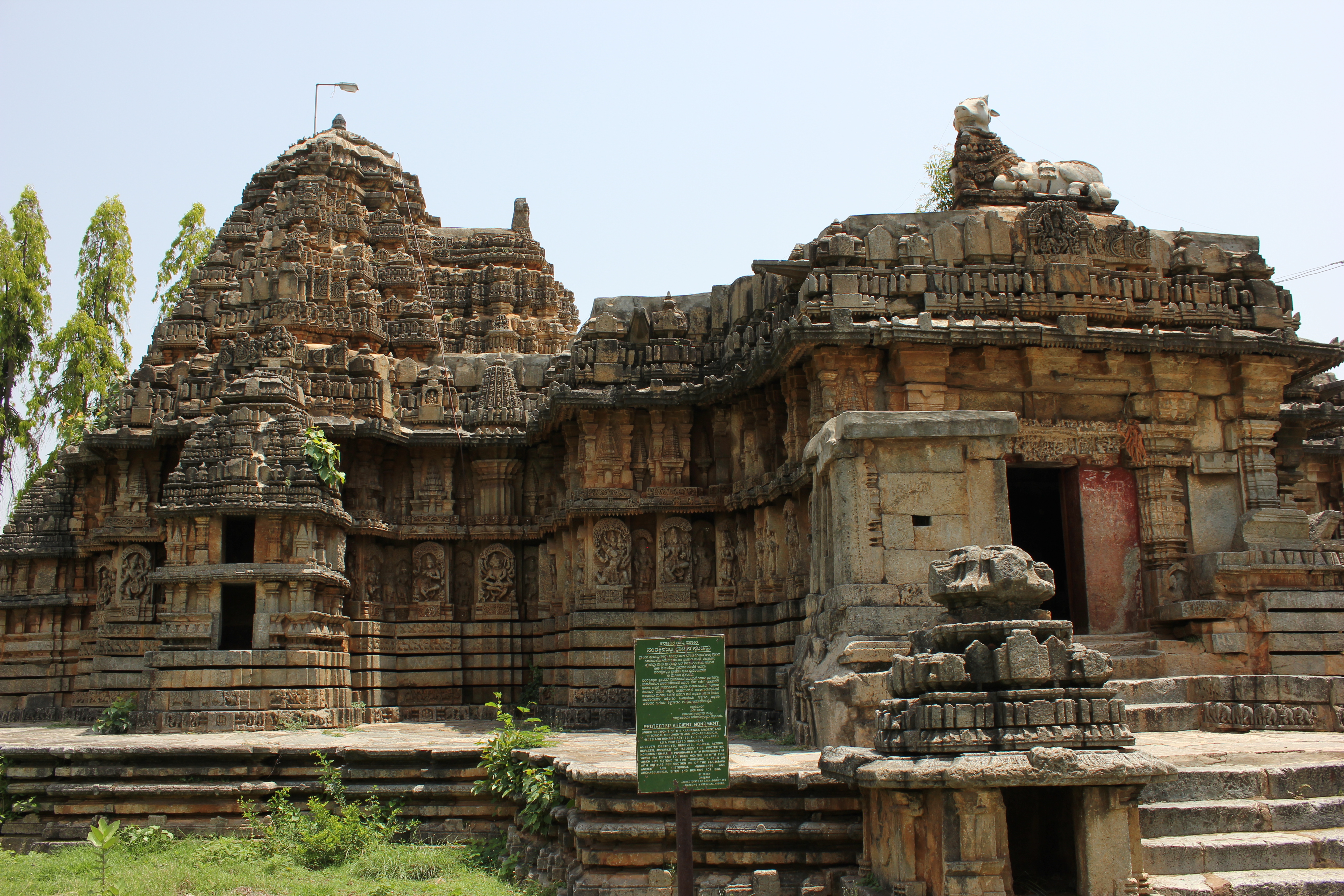
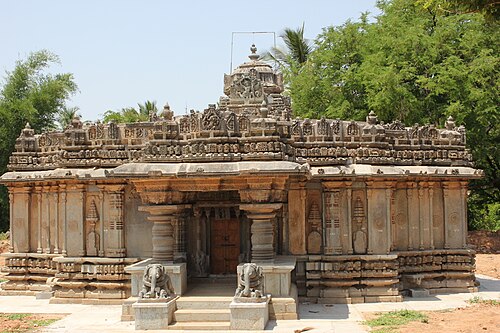
Built in 1235 CE, the Someshvara Temple was completed during the reign of Hoysala King Vira Someshwara. Three wealthy brothers—Peddanna Heggade, Sovanna, and Kesanna—commissioned both this temple and the nearby Lakshminarasimha Temple, demonstrating the architectural and religious vision of their era. The temple exemplifies the mature Hoysala style characteristic of the Hassan region and has been protected as an Archaeological Survey of India (ASI) monument, ensuring its preservation for future generations.
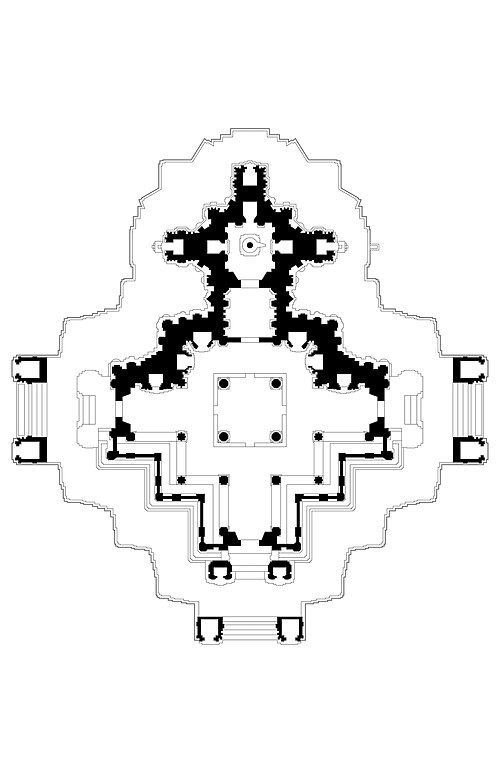
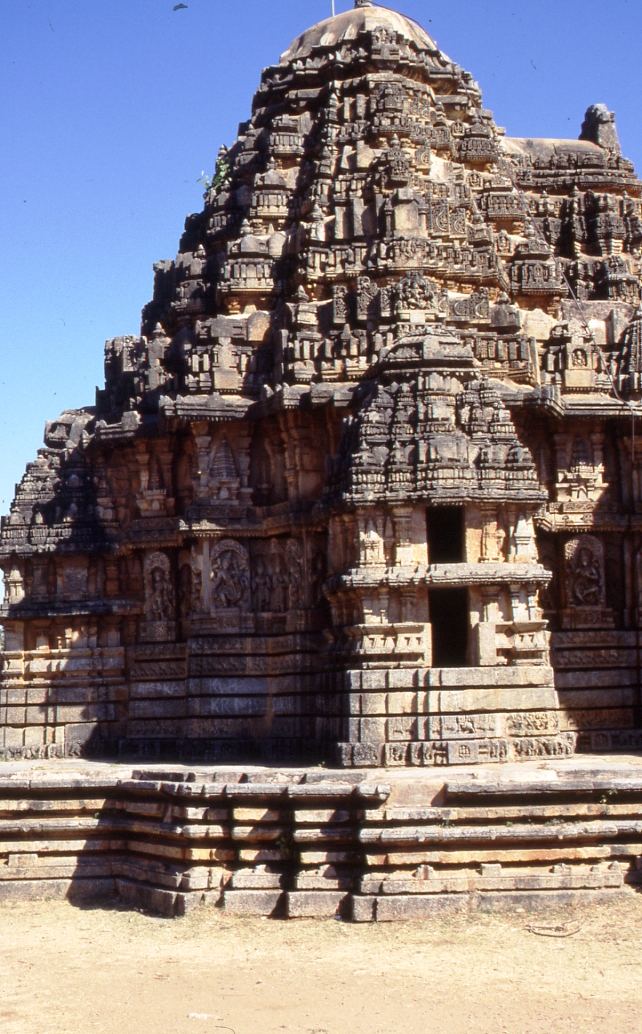
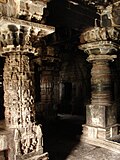
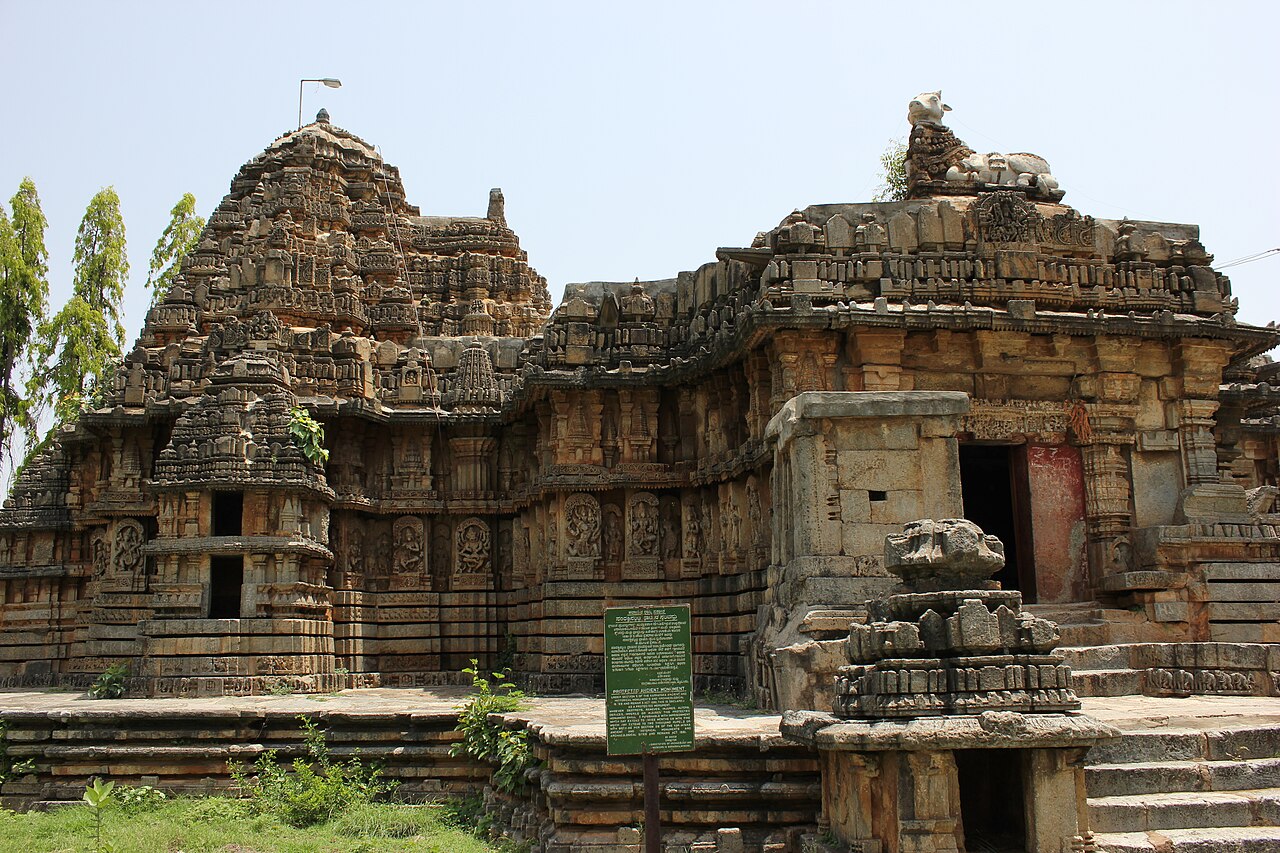
The structure is built on a raised platform called a Jagati and follows a stellate, or star-shaped, layout. Its outer walls display multiple friezes depicting elephants, horses, and floral motifs, with large carved images of Hindu deities adorning the upper sections. The doorway of the sanctum is particularly ornate, featuring intricate lintel carvings executed in soapstone—a hallmark of Hoysala craftsmanship. The temple's architectural precision and decorative detail are believed by local tradition to reflect divine order, creating a space conducive to spiritual contemplation.
Daily Worship and Rituals
The temple opens daily from 8:00 AM to 6:00 PM. Nitya Aarti, the traditional lamp ceremony honouring the deity, takes place each morning and evening, typically lasting around 25 minutes. These daily rituals form the rhythm of worship at the shrine.
Devotees may participate in or witness several ritual practices. Rudra Abhisheka involves ritual bathing of the Shivalinga with sacred liquids accompanied by Vedic chants, lasting approximately 45 minutes. Bilva Archana, the offering of sacred Bael leaves while chanting the 108 names of Lord Shiva, takes about 20 minutes. Visitors may also make offerings of flowers, oil lamps, and prasad (blessed food). Early mornings are recommended for a quieter darshan experience.
Festivals and Observances
Maha Shivaratri is the principal festival celebrated at the temple, marked by night-long prayers, special floral decorations, and abhishekams (ritual anointments). This festival is considered an especially auspicious time to visit. Shravana Mondays—the auspicious Mondays falling in the month of Shravana—draw increased numbers of devotees for special rituals. During Karthika Deepotsava, the temple is illuminated with oil lamps throughout the holy month of Karthika. Ugadi, the Kannada New Year, is also observed with traditional prayers and the reading of the yearly almanac.
Visiting Information
The temple is best visited between October and March, when the climate is cooler and more comfortable for exploration. Maha Shivaratri and early mornings are particularly recommended times. The temple observes a break from 12:30 PM to 3:30 PM.
Modest clothing is required. Footwear must be removed before entering the temple platform. The temple is built on a raised Jagati, requiring visitors to climb a few steps to reach it; the interior hall is level and accessible. This quiet village setting typically sees fewer visitors than major pilgrimage centres like Belur or Halebidu, making it suitable for families seeking a calm, educational experience exploring ancient stone art.
Photography of the exterior is permitted as it is an ASI monument.
How to Reach
Haranhalli is located approximately 8 kilometres from Arsikere Railway Junction and 35 kilometres from Hassan. Visitors arriving by train can reach the temple by auto-rickshaw or taxi from Arsikere. The temple's address is SH102, Haranhalli, Hassan District, Karnataka 573122.
How to reach
Temples near Someshvara Temple, Haranhalli
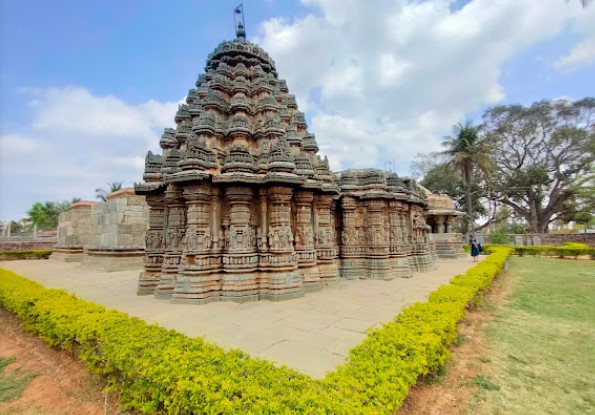
Ishvara Temple, Arasikere
The Ishvara Temple in Arasikere is an early 13th-century Hindu shrine dedicated to Shiva, renowned for its distinctive rotating circular plan and 16-pointed star-shaped domed ha…

Chennakeshava Temple, Hullekere
The Chennakeshava Temple in Hullekere is a 12th-century Hoysala architectural masterpiece dedicated to Lord Vishnu, built in 1163 A.D. by a minister of King Narasimha I and prot…
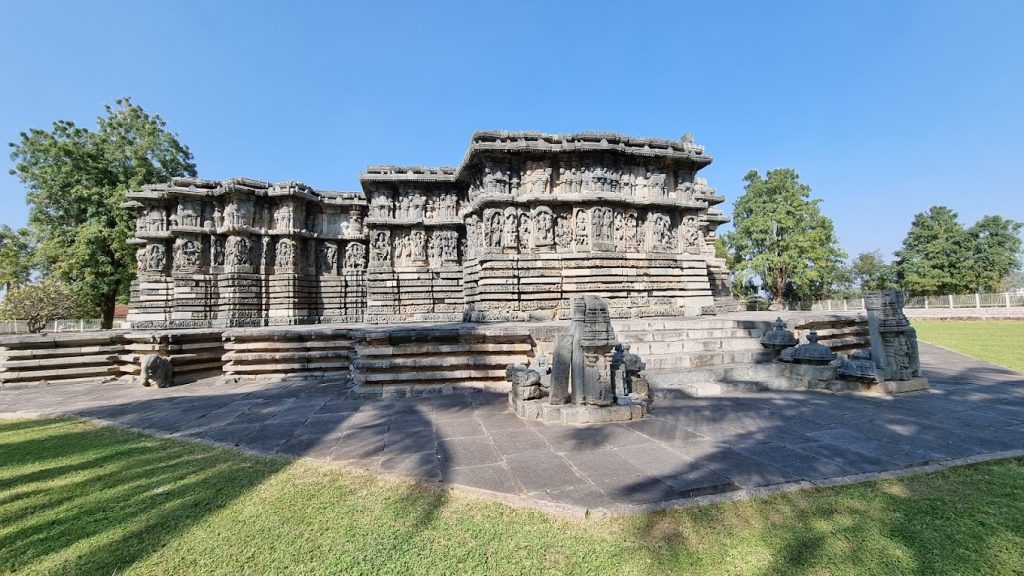
Kedareswara temple, Halebidu
Kedareshwara Temple is a 12th-13th century Hoysala-era shrine in Halebidu dedicated to Lord Shiva (Ishwara), constructed by King Veera Ballala II and Queen Ketaladevi. The templ…
Hoysaleswara Temple
Hoysaleshwara Temple in Halebidu is a 12th-century Hindu shrine dedicated to Lord Shiva, renowned for its intricate soapstone carvings and twin-shrine Hoysala architecture.
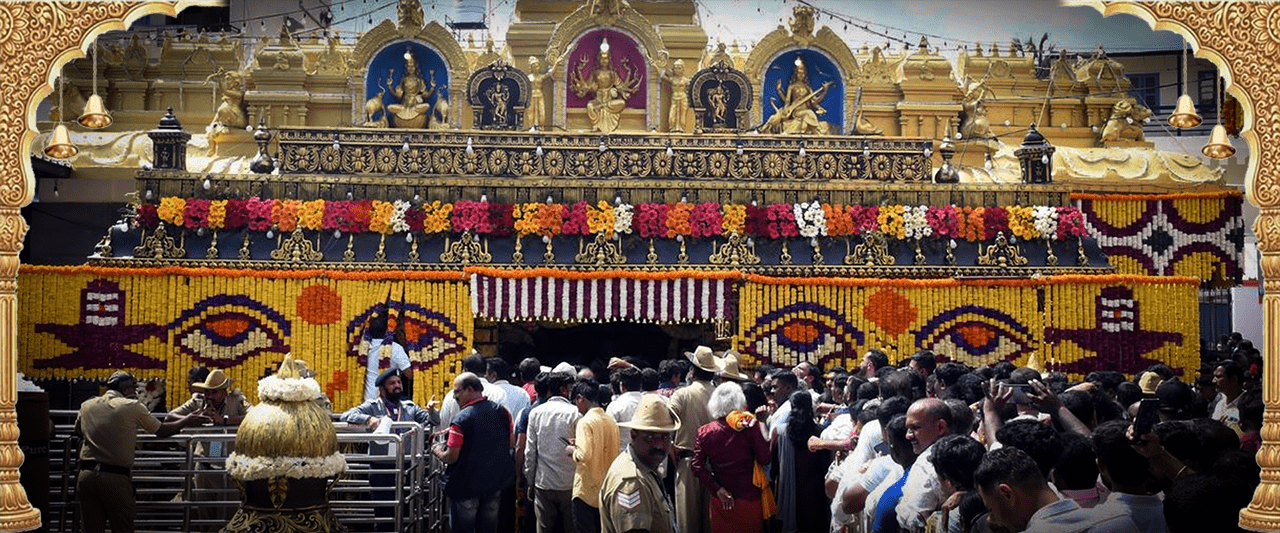
Hasanamba temple
Hasanamba Temple in Hassan district, Karnataka, is dedicated to Goddess Shakti and opens to the public only once yearly during Deepavali. The 12th-century shrine draws over 25 l…
Lakshminarasimha Temple, Vignasante
A 13th-century Hoysala temple dedicated to Lord Vishnu in three forms—Venugopala, Lakshmi Narayana, and Narasimha—built in 1286 CE by military generals under King Narasimha III.…