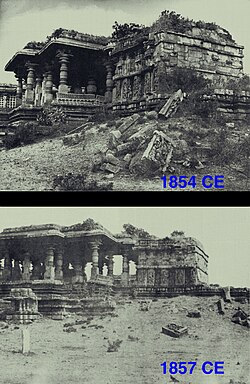
Hoysaleswara Temple
About Hoysaleswara Temple
The temple maintains regular hours for darshan (viewing of the deity) across two sessions: morning darshan from 06:00 to 12:00, and evening darshan from 16:00 to 21:00. Three daily rituals structure worship at the temple. The morning abhishekam (ritual bathing of the deity) begins at 06:00, followed by the madhyana pooja aarti (midday ritual) at 12:00, and the evening aarti at 18:00. These rituals follow patterns typical of Shiva temples, where abhishekam and aarti mark the principal moments of daily worship.
Visitors should confirm current timings and any seasonal variations before arrival, as temple operations may adjust throughout the year. As an active place of worship, the temple expects visitors to observe appropriate conduct and dress—typically modest clothing that covers shoulders and knees, in keeping with Hindu temple etiquette. Photography policies should be confirmed upon arrival at the temple.
When to Visit
The best time to visit Hoysaleswara Temple falls between October and March, when the climate in Karnataka is cooler and more comfortable for extended exploration. During these months, the weather supports unhurried viewing of the temple's architectural and sculptural features. The cooler season also aligns with the period when many Hindu festivals and observances occur, though specific festival dates at this temple should be confirmed locally.
Practical Information for Visitors
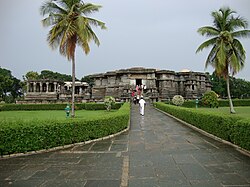
Hoysaleswara Temple is located at coordinates 13.21319444, 75.995 in Halebidu, Hassan District, Karnataka. The temple functions as both an active religious site and a major archaeological monument, attracting pilgrims and heritage tourists. Visitors are advised to plan their visit with awareness that specific darshan timings and current facilities are best confirmed locally before arrival, as temple operations may vary seasonally.
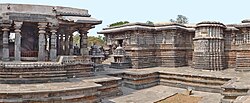
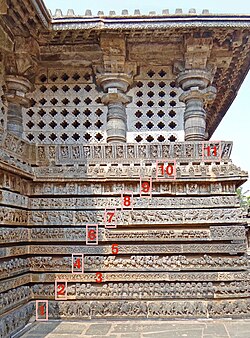
The sculptural richness of the temple means that visitors benefit from allocating adequate time for viewing. The narrative reliefs carved into the soapstone require careful observation to appreciate fully. Given the temple's status as a UNESCO World Heritage Site and its historical significance as the largest monument in a former imperial capital, a visit rewards both religious devotion and architectural interest.
How to reach

You may also visit
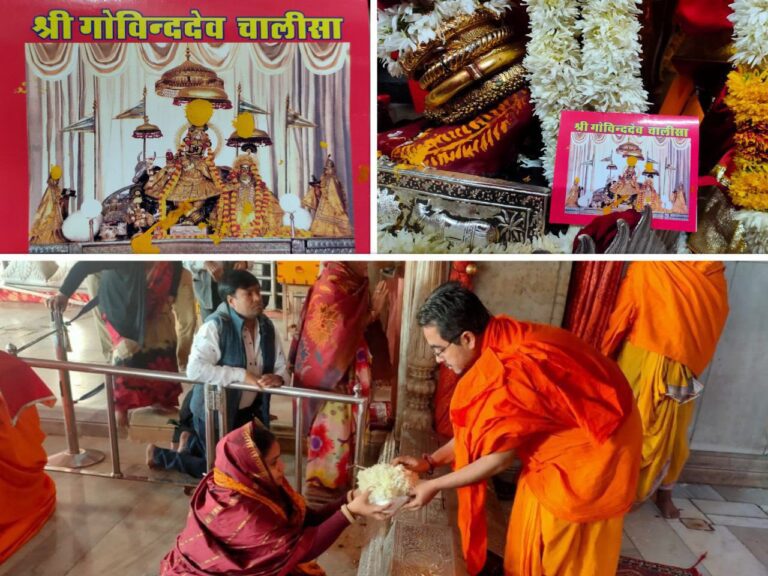
Kalyanji Temple
Kalyanji Temple in Jaipur's Chandpol Bazaar is approximately two centuries old and renowned for displaying the twenty-four avatars of Krishna, visible only twice yearly during Akha Teej and Patottsav festival.
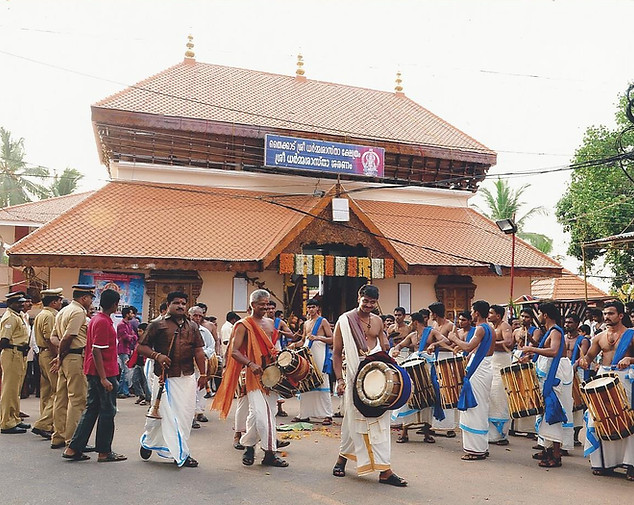
Sastha (Ayyappan) Temple
Sree Dharma Sastha Temple in Thycaud, Thiruvananthapuram, is a centuries-old shrine where the deity manifests as Dhanwanthari, the divine healer, holding the sacred blue lotus.
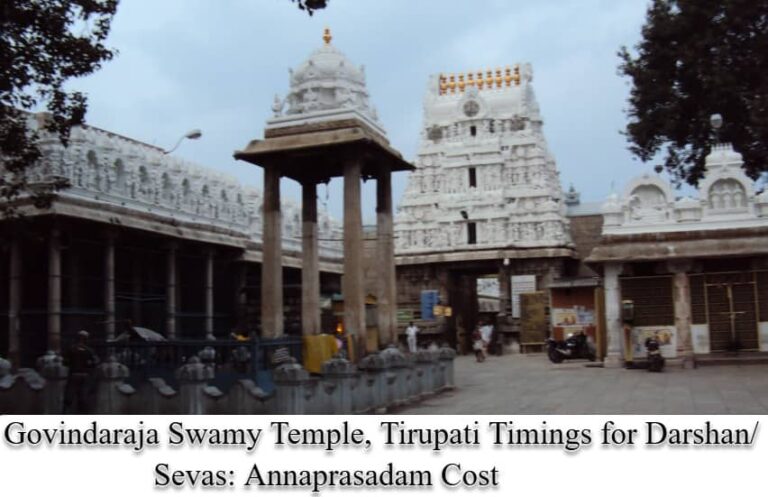
Govindarajaswamy Temple
Sri Govindarajaswamy Temple in Tirupati is an ancient Vaishnavaite shrine consecrated in 1130 AD by Saint Ramanuja, where the presiding deity rests in eternal Yoga Nidra on the serpent Adisesha.