


Chennakeshava Temple, Hullekere
About Chennakeshava Temple, Hullekere
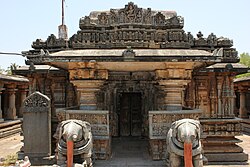
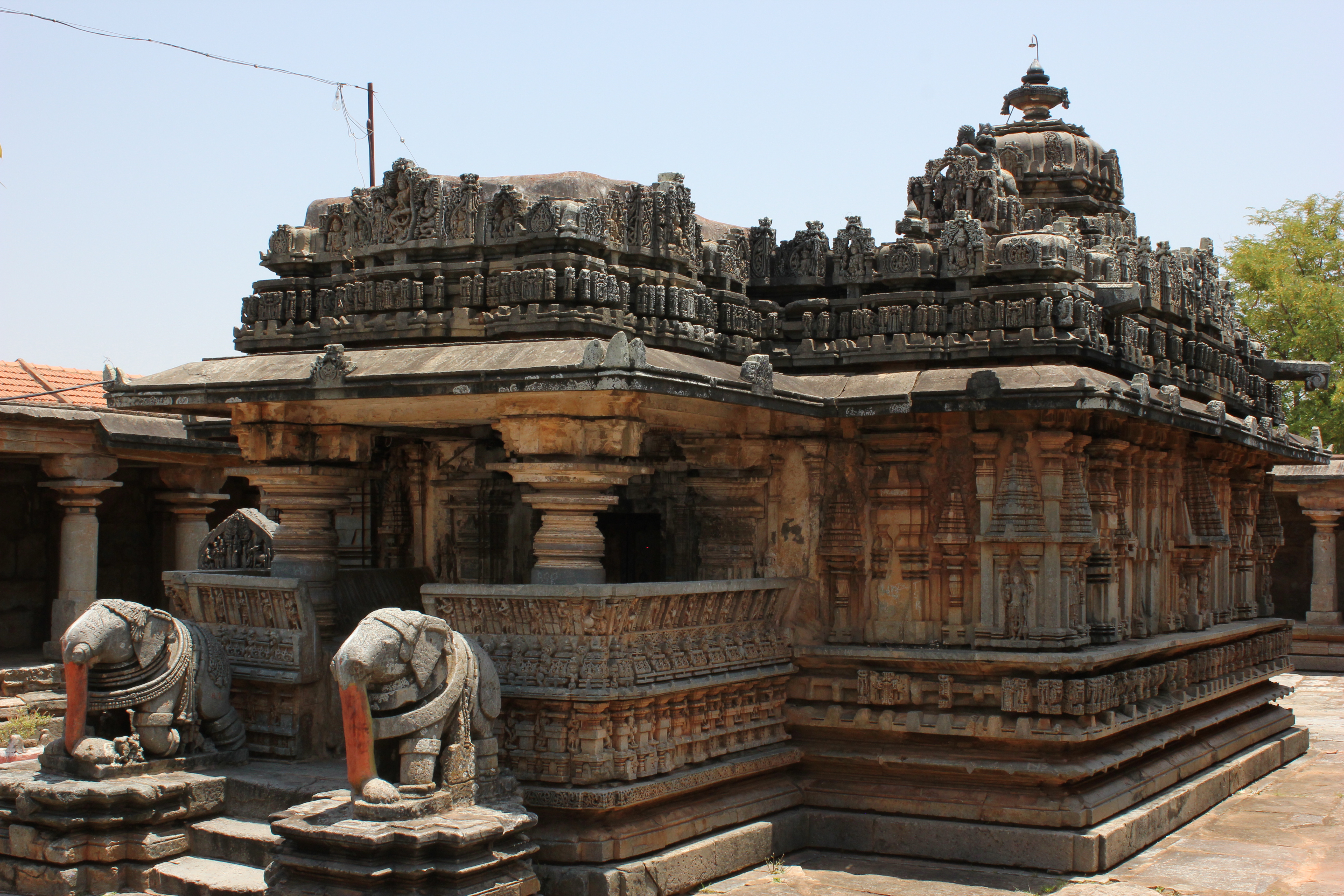
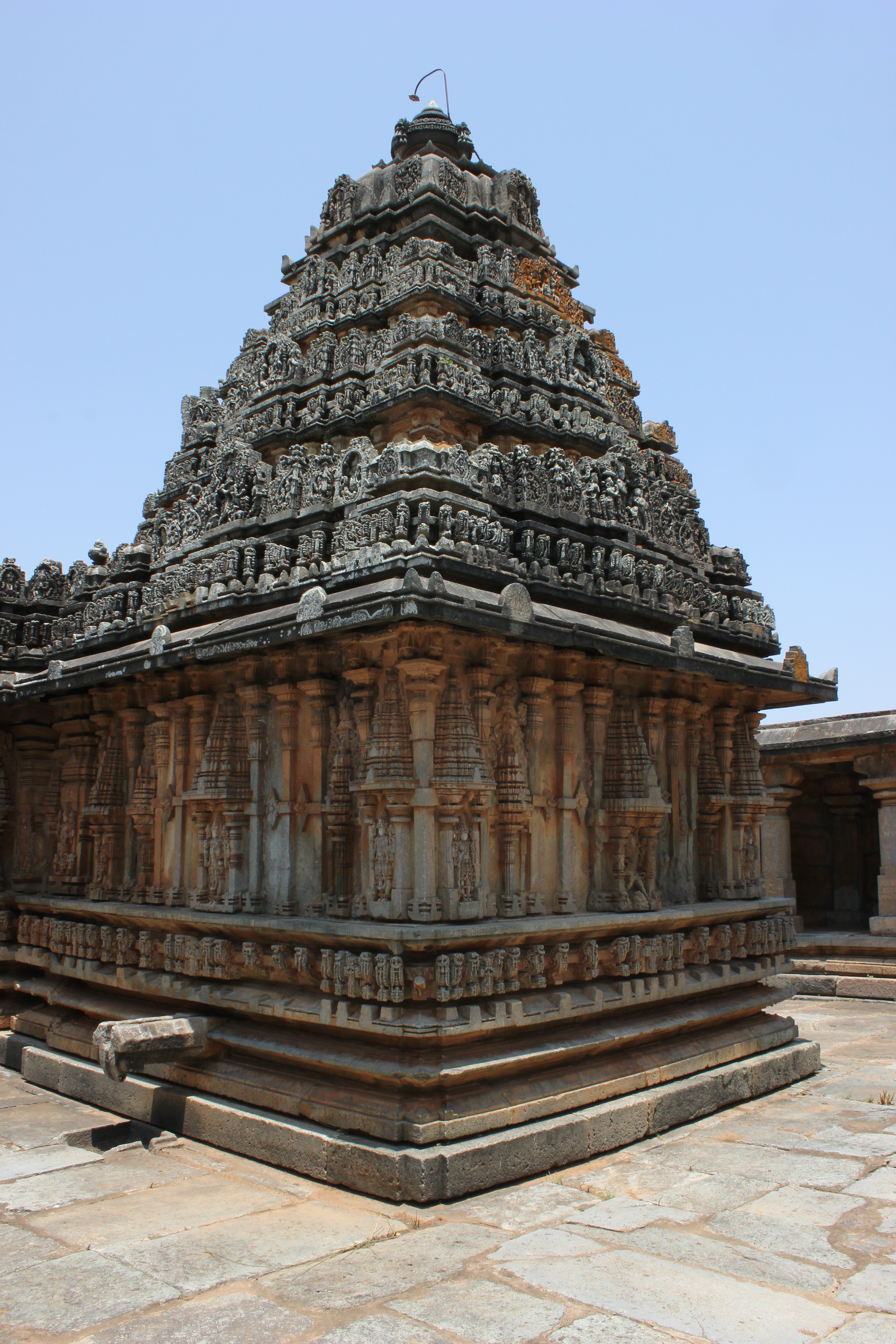
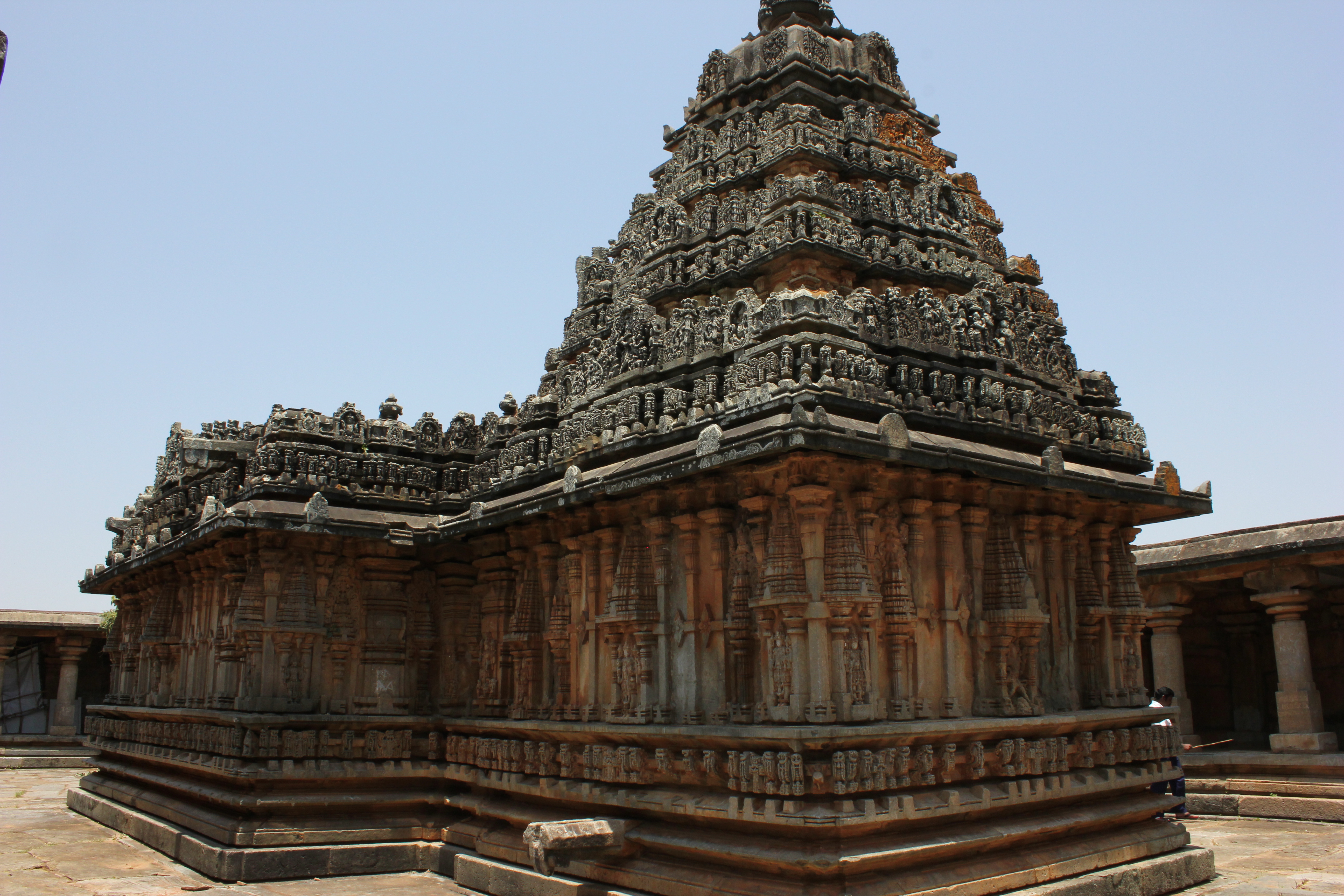
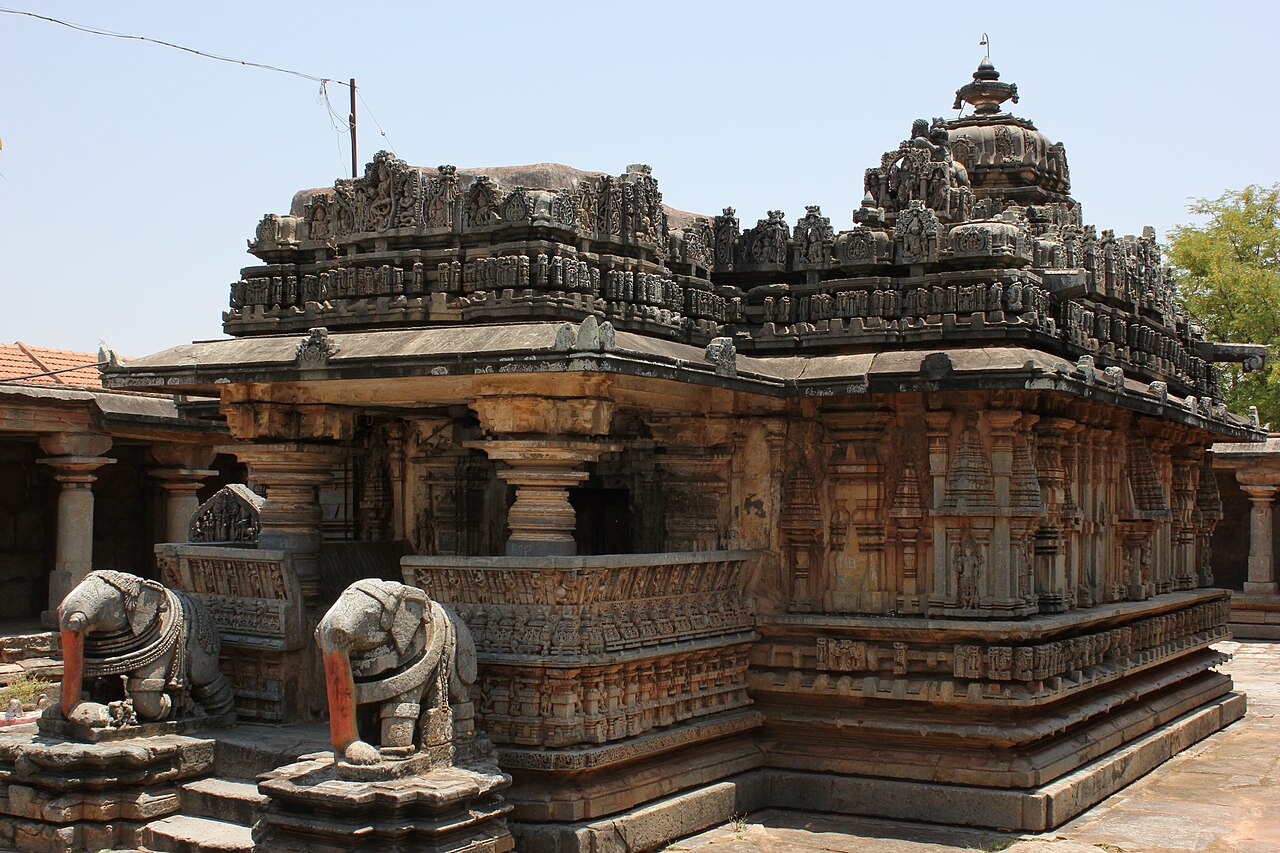
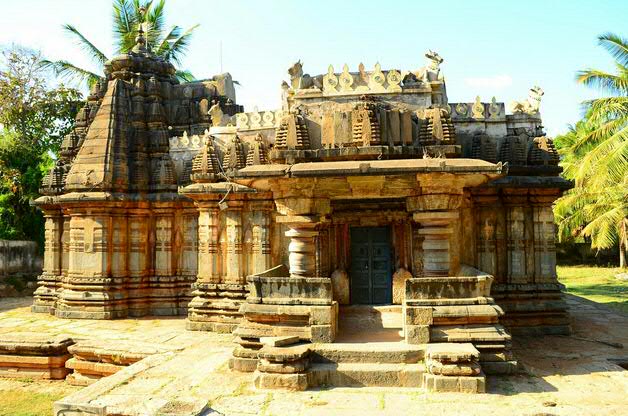
The temple exemplifies the architectural vocabulary of the Hoysala period, constructed entirely from soapstone—a material that permitted the artisans of the era to achieve intricate detailing throughout the structure. The design centers on a single shrine, or vimana, which rises as the focal point and is crowned by a shikhara tower. Miniature vimanas accent the main structure, creating a layered visual composition characteristic of Hoysala sacred design.
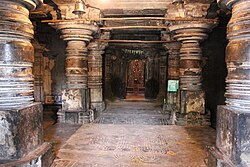
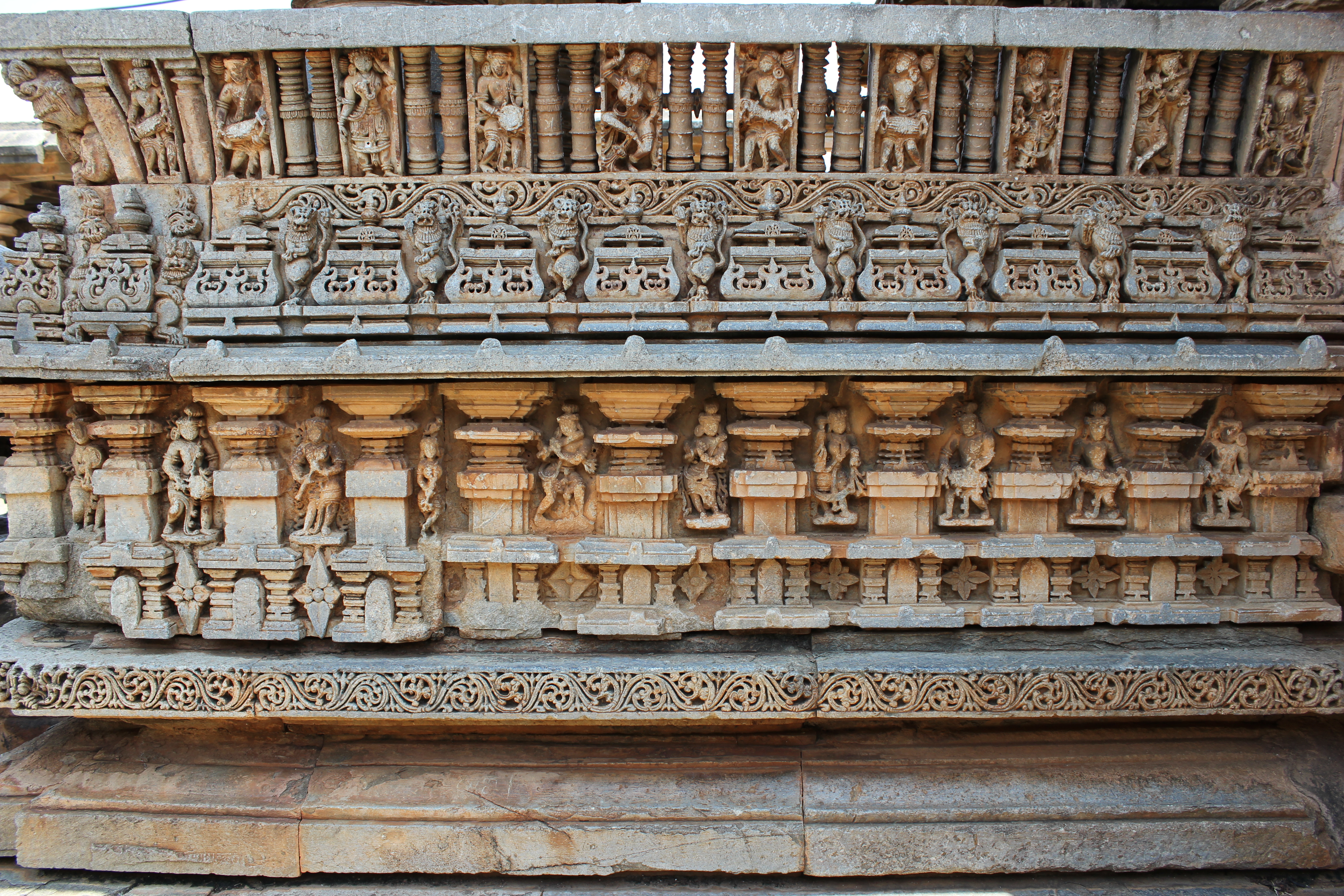
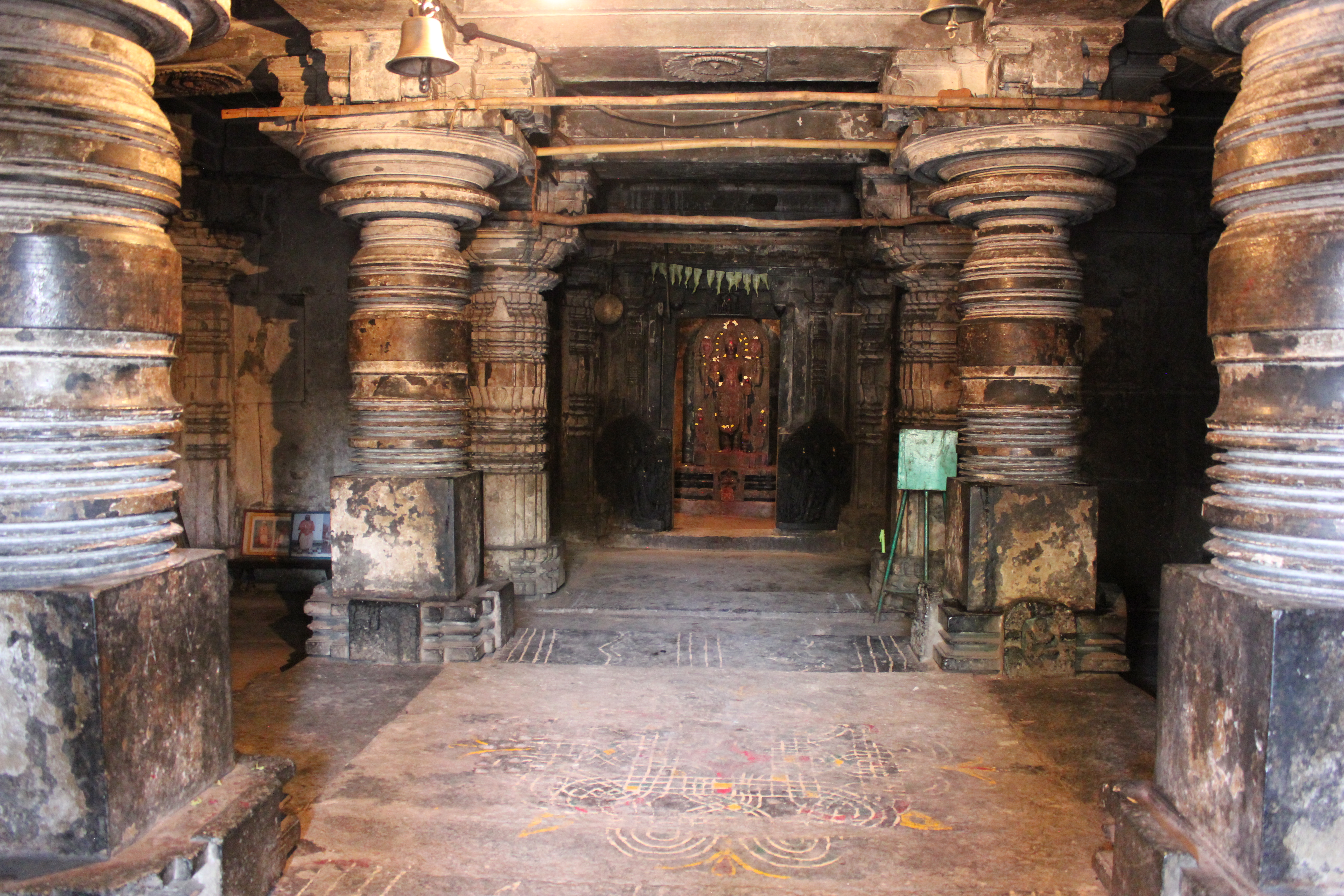
The temple's layout follows the functional and spiritual priorities of 12th-century temple architecture. An entrance porch with half-pillars and parapets creates a transitional space between the outer world and the inner sanctum. A closed hall provides a covered gathering space for worship and ritual before devotees reach the inner shrine. The soapstone construction allows decorative friezes and structural elements to be carved with precision, and these details remain largely intact, offering evidence of the artistic standards and religious priorities of medieval South India.
Visiting the Temple: Practical Information
Hullekere village lies approximately 22 kilometers from the town of Arasikere in Hassan District. The temple's precise coordinates are 13.191049613817°N, 76.366085107404°E, which can be used for navigation by vehicle or mapping applications.
Specific darshan hours, entry fees, and seasonal closure information are not documented in available sources. Visitors should contact the Archaeological Survey of India's Hassan office or make local inquiries before traveling to confirm current visiting conditions. As a protected archaeological monument, access may be subject to conservation requirements.
Modest dress is customary when entering Hindu temples. Remove footwear before entering shrine areas. Photography policies may be restricted given the monument's protected status; visitors should ask permission before taking photographs. Maintain silence and reverence within the shrine areas and follow any instructions provided by temple staff or priests.
Worship and Ritual Practice
Temples dedicated to Vishnu typically maintain daily worship routines centered on the deity's presence in the sanctum, though the specific rituals performed at Chennakeshava Temple are not detailed in available sources. Devotees traditionally offer prayers, flowers, and other offerings as expressions of devotion. The progression through the porch and hall before reaching the inner shrine follows the sacred geography of Hindu temple design, with each space serving a distinct spiritual function in the devotee's approach to the deity.
Historical Significance
The temple's construction in 1163 A.D. places it within a flourishing period of Hoysala cultural achievement. The patronage of a royal minister indicates the temple's importance within the social and religious landscape of the era. Over eight centuries, the structure has endured, preserving evidence of medieval South Indian craftsmanship and devotional practice. Its designation as a protected monument recognizes both its historical value and its continuing role as a place of worship for devotees and a site of architectural study for those interested in the Hoysala period.
How to Reach
The temple is located in Hullekere village, Arasikere Taluk, Hassan District, Karnataka. The nearest town of reference is Arasikere, approximately 22 kilometers away. Use the coordinates 13.191049613817°N, 76.366085107404°E with mapping applications for precise navigation. Local inquiry in Arasikere or Hullekere village will assist visitors unfamiliar with the area in locating the temple.
How to reach
Temples near Chennakeshava Temple, Hullekere
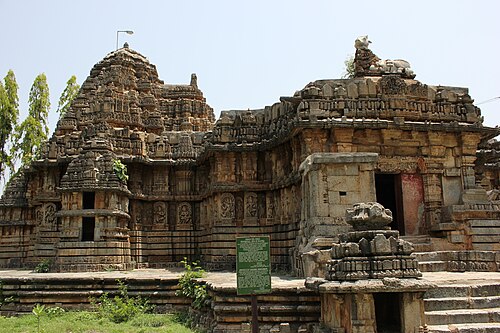
Someshvara Temple, Haranhalli
The Someshvara Temple in Haranhalli is a masterwork of Hoysala architecture dedicated to Lord Shiva, built in 1235 CE and renowned for its intricate soapstone carvings and stell…
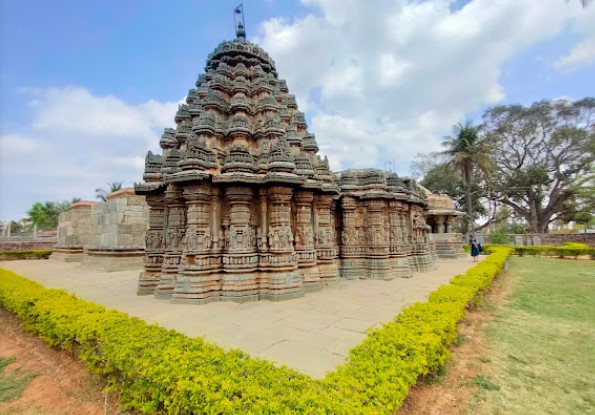
Ishvara Temple, Arasikere
The Ishvara Temple in Arasikere is an early 13th-century Hindu shrine dedicated to Shiva, renowned for its distinctive rotating circular plan and 16-pointed star-shaped domed ha…
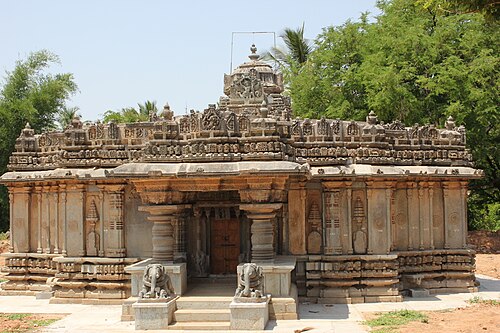
Lakshminarasimha Temple, Vignasante
A 13th-century Hoysala temple dedicated to Lord Vishnu in three forms—Venugopala, Lakshmi Narayana, and Narasimha—built in 1286 CE by military generals under King Narasimha III.…
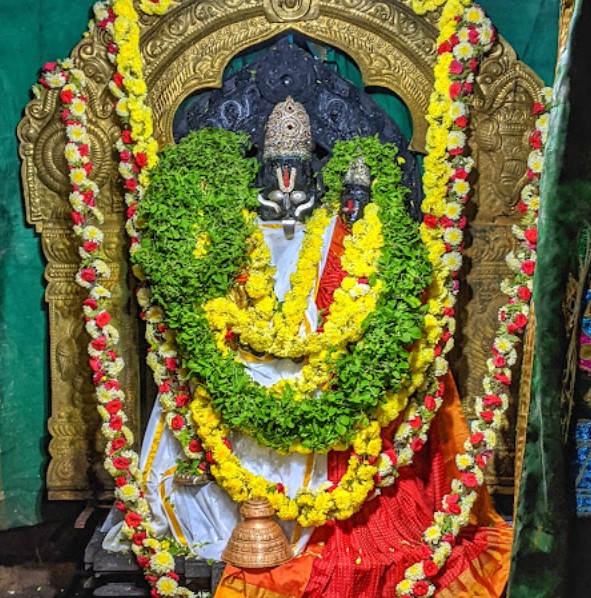
Lakshmi Narasimha Temple, Nuggehalli
A 13th-century Hoysala temple in Nuggehalli, Hassan district, housing three shrines dedicated to Keshava, Lakshmi Narasimha, and Venugopala. Built in 1246 CE, it stands as a Mon…

Chennakesava temple, Anekere
Chennakeshava Temple in Belur, Hassan District, Karnataka, is a masterpiece of Hoysala architecture commissioned by King Vishnuvardhana in 1117 CE, renowned for its intricate sc…
Moole Shankareshvara Temple, Turuvekere
The Moole Shankareshvara Temple in Turuvekere is a 13th-century shrine dedicated to Shiva, built during the Hoysala Empire and recognized as a protected archaeological monument.