
Lakshminarasimha Temple, Vignasante
About Lakshminarasimha Temple, Vignasante
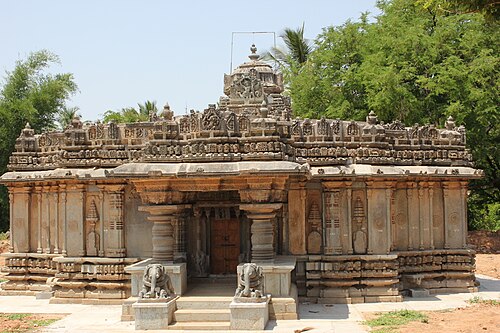
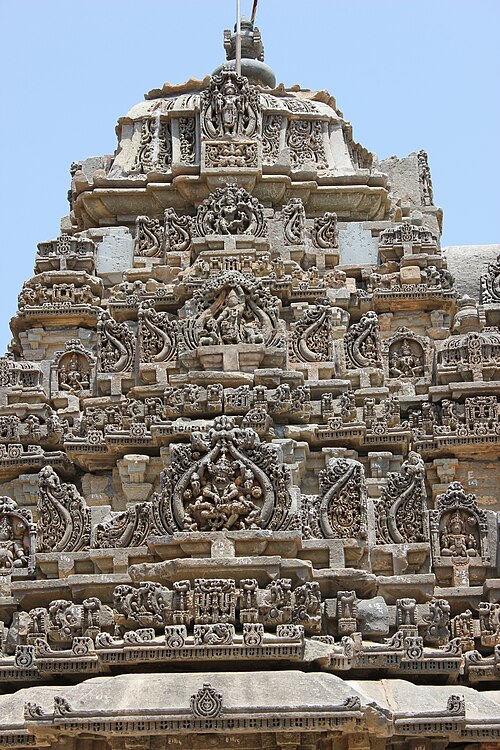
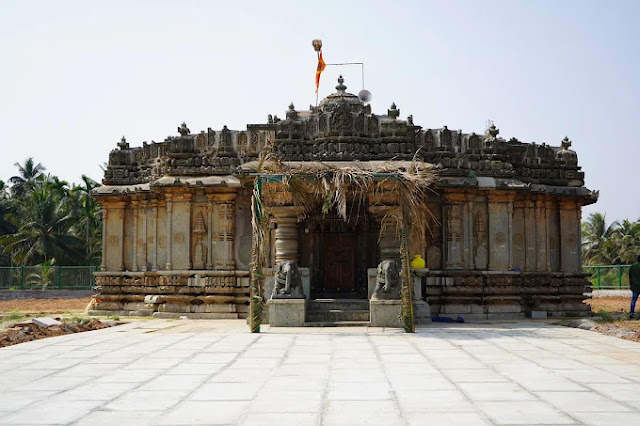
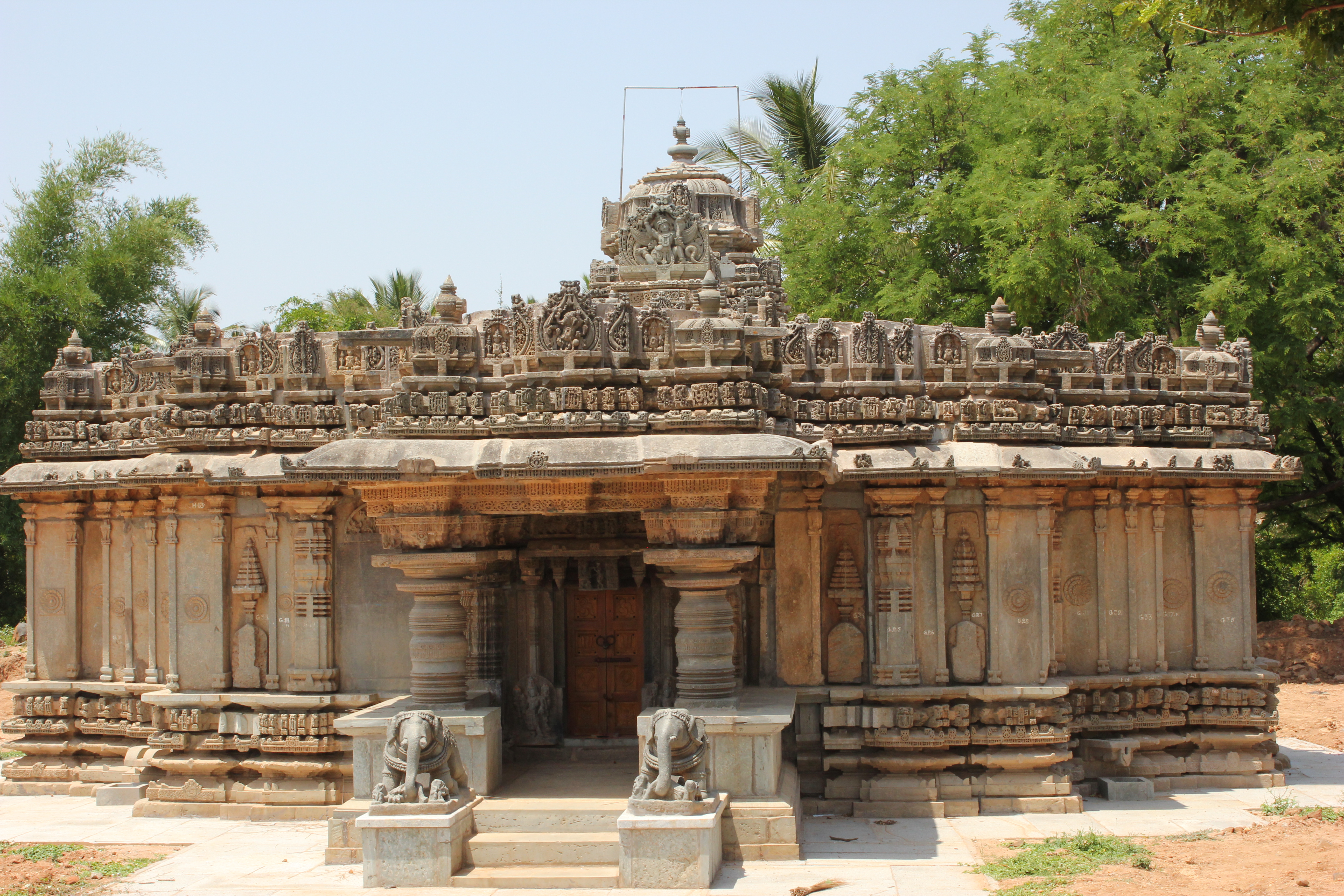
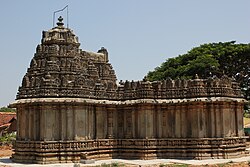
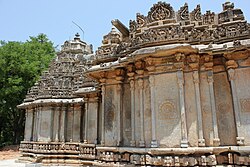
The temple exemplifies the mature Hoysala architectural tradition through its distinctive features. The three shrines connect to a navaranga mantapa—a pillared hall serving as the central gathering space. A mukhamantapa (porch) with lathe-turned pillars and parapets provides the entrance. The shikhara, or tower, rises only above the central shrine and is crowned with a kalasha (finial). Above the vestibule sits a sukhanasi, richly decorated with carved detail.
The outer walls display the characteristic stellate, or star-shaped, design typical of Hoysala temples, with recesses and projections creating visual rhythm across the surface. What distinguishes this temple is the profusion of carved ornamentation across doorframes, pilasters, ceilings, and parapets, executed in what scholars call the "silver jewelry genre" style—a reference to the delicate, intricate quality of the stonework. The fully carved, three-storey Vesara vimana (tower) is particularly notable for its sculptural richness. The temple is protected as a monument by the Archaeological Survey of India.
Daily Worship and Darshan
Temples dedicated to Vishnu and his avatars typically observe daily worship cycles with morning and evening rituals. Devotees may participate in various forms of seva (service), including abhishekam (ritual bathing of the deity), archana (personal prayer offerings), and other ceremonial practices. The specific timing of pujas and the availability of particular sevas should be confirmed with the temple administration before visiting, as these can vary seasonally and according to the temple's schedule.
Visiting Information
The temple is located in Vignasante Village, Tiptur Taluk, Tumkur District, Karnataka, approximately 140 kilometres from Bengaluru and 80 kilometres from Tumkur. It is accessible via National Highway 75. The nearest railway station is at Madhugiri. Visitors should plan their trip during the cooler months from October to March, when the climate is most comfortable for temple visits.
Modest dress is customary when visiting Hindu temples; women typically wear salwar kameez, sarees, or other clothing that covers shoulders and knees, while men wear shirts and trousers or traditional dhotis. Shoes are removed before entering the sanctum. Photography policies vary; it is respectful to ask permission before photographing the deity or ritual spaces. The temple's exact opening hours should be confirmed locally, as these may change with the seasons or for special observances.
Getting There
From Bengaluru, travel via Tumkur on National Highway 75 toward Tiptur. The journey takes approximately three to four hours by car. Regular bus services connect Tumkur to surrounding villages. Those arriving by train can reach Madhugiri station and arrange local transport from there. The coordinates for the temple are 13.146861111111°N, 76.539805555556°E, which can be entered into navigation applications for precise directions.
How to reach

You may also visit
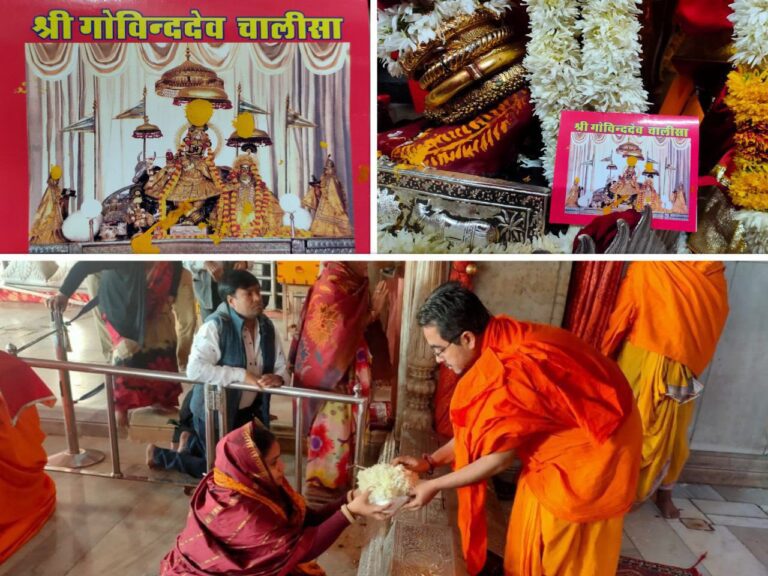
Kalyanji Temple
Kalyanji Temple in Jaipur's Chandpol Bazaar is approximately two centuries old and renowned for displaying the twenty-four avatars of Krishna, visible only twice yearly during Akha Teej and Patottsav festival.
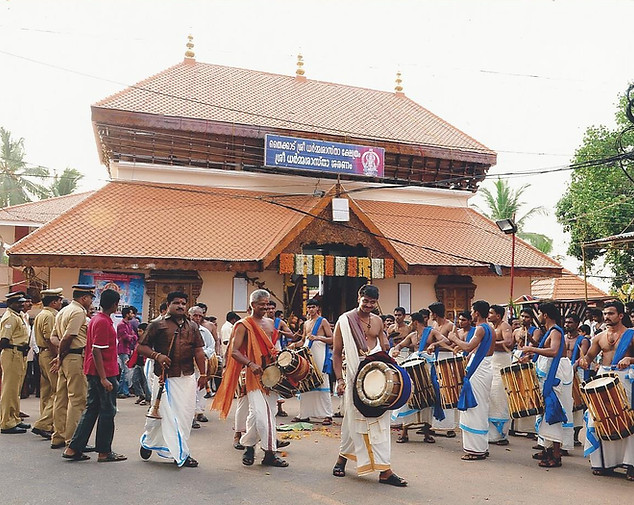
Sastha (Ayyappan) Temple
Sree Dharma Sastha Temple in Thycaud, Thiruvananthapuram, is a centuries-old shrine where the deity manifests as Dhanwanthari, the divine healer, holding the sacred blue lotus.
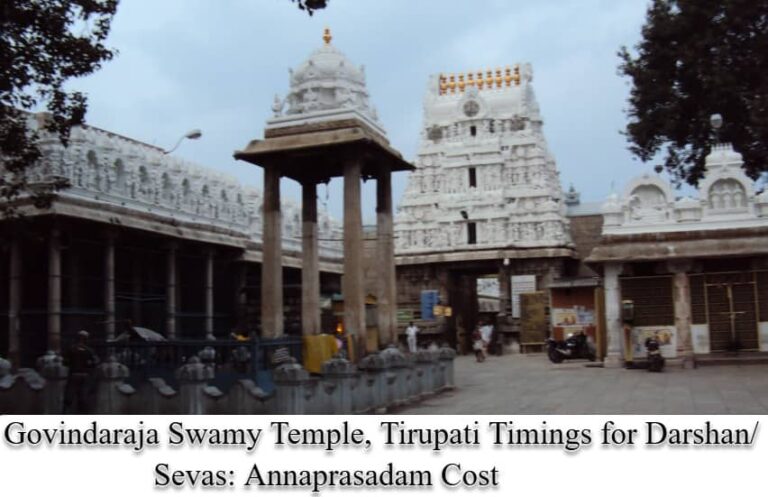
Govindarajaswamy Temple
Sri Govindarajaswamy Temple in Tirupati is an ancient Vaishnavaite shrine consecrated in 1130 AD by Saint Ramanuja, where the presiding deity rests in eternal Yoga Nidra on the serpent Adisesha.