Kedareswara temple, Halebidu
About Kedareswara temple, Halebidu
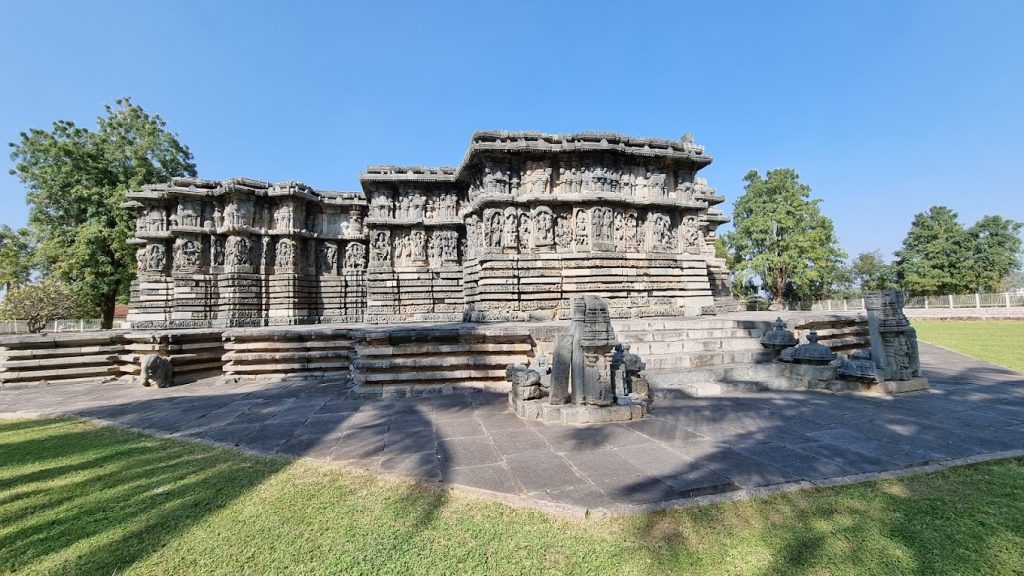
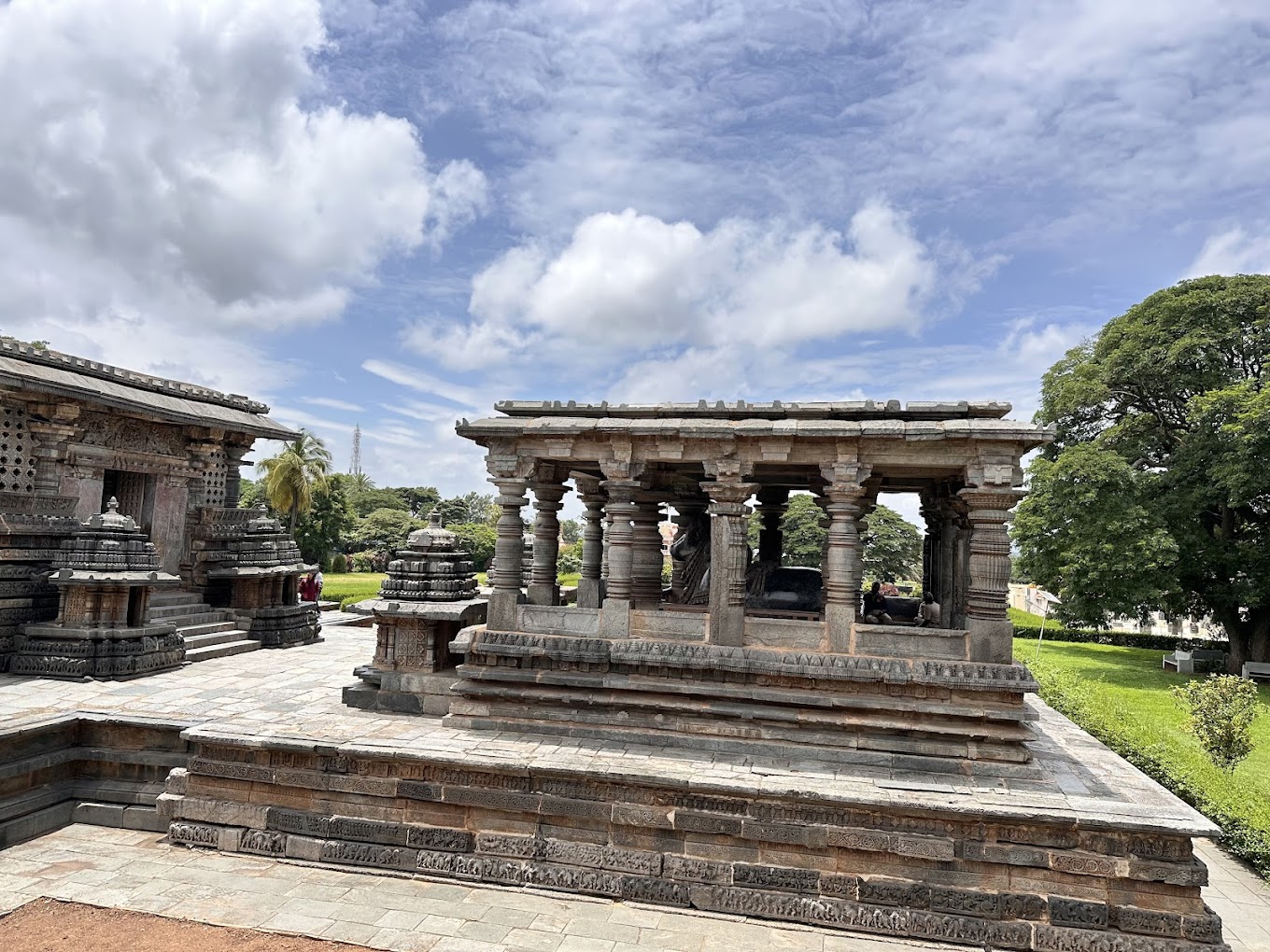
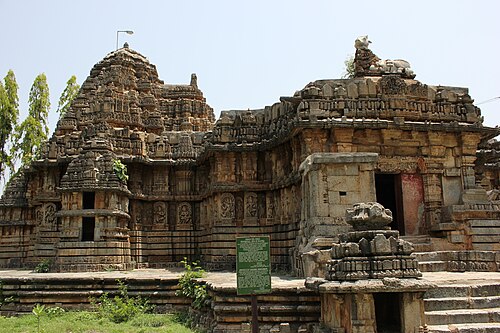
The Kedareshwara Temple exemplifies Hoysala architectural achievement, with construction that extended over more than eighty years—a testament to the precision and care invested in its creation. The builders worked primarily in soapstone, a material that allowed for the intricate carving that defines the structure. The temple's walls display elaborate sculptural work depicting scenes drawn from the Mahabharata, Ramayana, and Bhagavata Purana, alongside representations of animals, deities, and ornamental motifs. The artisans paid particular attention to feminine forms and delicate detailing, creating a visual narrative across the stone surfaces.
This level of craftsmanship reflects the technical sophistication of medieval Indian builders and the resources commanded by the Hoysala court. Visitors interested in stone carving techniques and iconographic representation will find the temple's surfaces rewarding to study closely.
Daily Darshan and Worship
The temple opens for darshan from 8:00 AM to 5:00 PM daily. These timings may shift on festival occasions, so it is advisable to confirm with the temple office before travelling, particularly if visiting during significant religious dates. The temple can be reached at 080 2235 2828 for such inquiries.
Devotees and visitors should dress modestly when entering the temple, following the conventions observed at Shiva temples across India. Shoes are typically removed before entering the sanctum. Those wishing to participate in worship or make offerings should approach the temple staff for guidance on current practices and any associated donations.
Visiting Practicalities
The temple is located at 6X5V+HXJ, Kedareshwara Temple Rd, Halebeedu, Karnataka 573121, with coordinates 13.209027777778°N, 75.997666666667°E. The best time to visit is during the cooler months from October through March, when the weather is more comfortable for exploration. Morning hours offer both peaceful conditions for reflection and optimal natural light for photography of the carved surfaces.
Halebidu is accessible by road from Hassan town. Visitors should plan their journey to arrive well before the 5:00 PM closing time, allowing adequate time to view the temple's architectural details without rushing. The town has basic facilities for visitors, though accommodation options are modest; advance booking is recommended during peak seasons.
The Temple's Historical Journey
The temple's construction during the reign of Veera Ballala II places it within a period of significant cultural and architectural flourishing in the Deccan. The Hoysala dynasty, which ruled this region, was known for commissioning temples that combined religious devotion with artistic ambition. The survival of Kedareshwara Temple through centuries of political upheaval, including the 14th-century incursions that damaged many structures in the region, speaks to both the durability of its soapstone construction and the efforts of successive generations to maintain it.
The temple's designation as a protected monument ensures that ongoing conservation work follows established archaeological standards, preserving the carved narratives and structural integrity for future visitors.
What to Bring and Know
Visitors should carry water and sun protection, as Halebidu can be hot outside the cooler months. A camera or smartphone is useful for documenting the carved details, though some temples request that visitors refrain from photography in certain areas—check with temple staff upon arrival. Modest clothing that covers shoulders and knees is appropriate. Those with specific mobility concerns should note that temple interiors may involve uneven stone floors and steps.
The temple's proximity to Hoysaleswara Temple makes it possible to visit both structures in a single day, providing a comprehensive view of Hoysala-era religious architecture and craftsmanship in one location.
How to reach
Temples near Kedareswara temple, Halebidu
Hoysaleswara Temple
Hoysaleshwara Temple in Halebidu is a 12th-century Hindu shrine dedicated to Lord Shiva, renowned for its intricate soapstone carvings and twin-shrine Hoysala architecture.
Someshvara Temple, Haranhalli
The Someshvara Temple in Haranhalli is a masterwork of Hoysala architecture dedicated to Lord Shiva, built in 1235 CE and renowned for its intricate soapstone carvings and stell…
Hasanamba temple
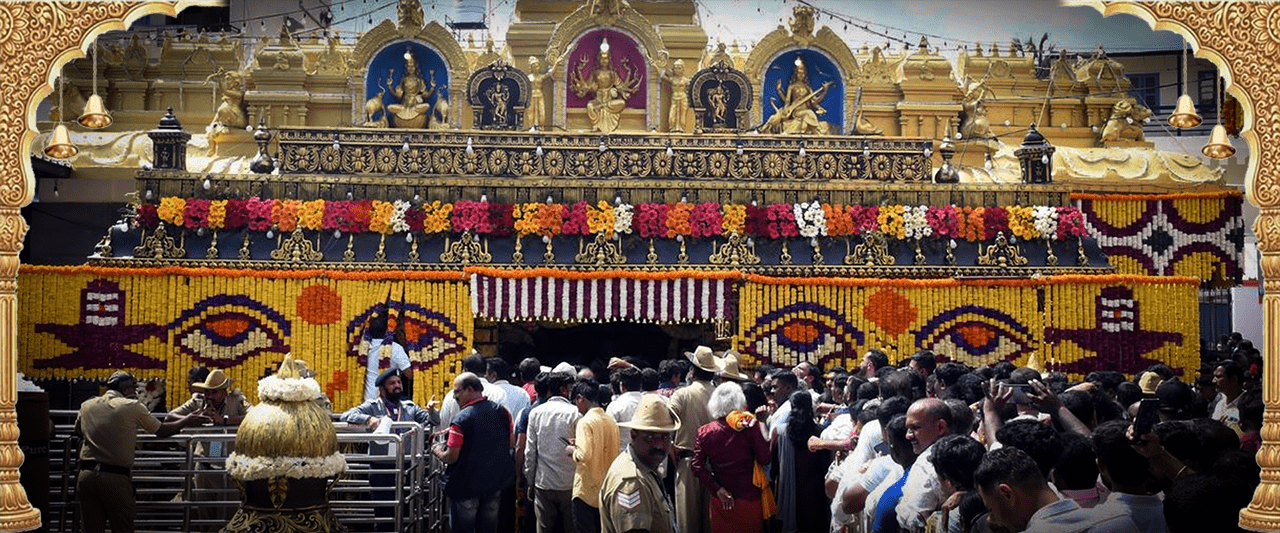
Hasanamba Temple in Hassan district, Karnataka, is dedicated to Goddess Shakti and opens to the public only once yearly during Deepavali. The 12th-century shrine draws over 25 l…
Ishvara Temple, Arasikere
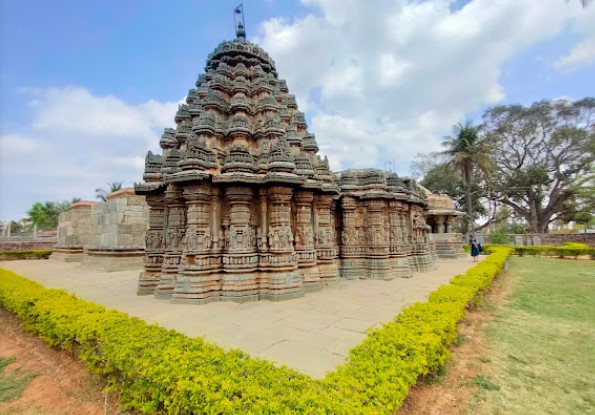
The Ishvara Temple in Arasikere is an early 13th-century Hindu shrine dedicated to Shiva, renowned for its distinctive rotating circular plan and 16-pointed star-shaped domed ha…

Nageshvara-Chennakeshava Temple complex, Mosale
A pair of nearly identical Hoysala temples dedicated to Shiva and Vishnu in Mosale village, Hassan District, featuring ornate stone carvings and architectural innovations from t…

Chennakeshava Temple, Hullekere
The Chennakeshava Temple in Hullekere is a 12th-century Hoysala architectural masterpiece dedicated to Lord Vishnu, built in 1163 A.D. by a minister of King Narasimha I and prot…